Global Supply Freight provides reliable and well-coordinated logistics solutions for shipping from China to the Federated States of Micronesia, supporting traders, project buyers, wholesalers, and institutional clients across Pacific island markets. With practical experience in island and remote-destination logistics, we focus on stable routing, clear documentation control, and realistic transit planning for Micronesia-bound cargo.
From export handling and consolidation in China to international transportation, destination coordination, and final delivery across Micronesia’s island states, our team manages every stage with precision. Whether shipping construction materials, machinery, consumer goods, food-related cargo, or general commercial freight, Global Supply Freight delivers secure, compliant, and dependable China–Micronesia shipping solutions.
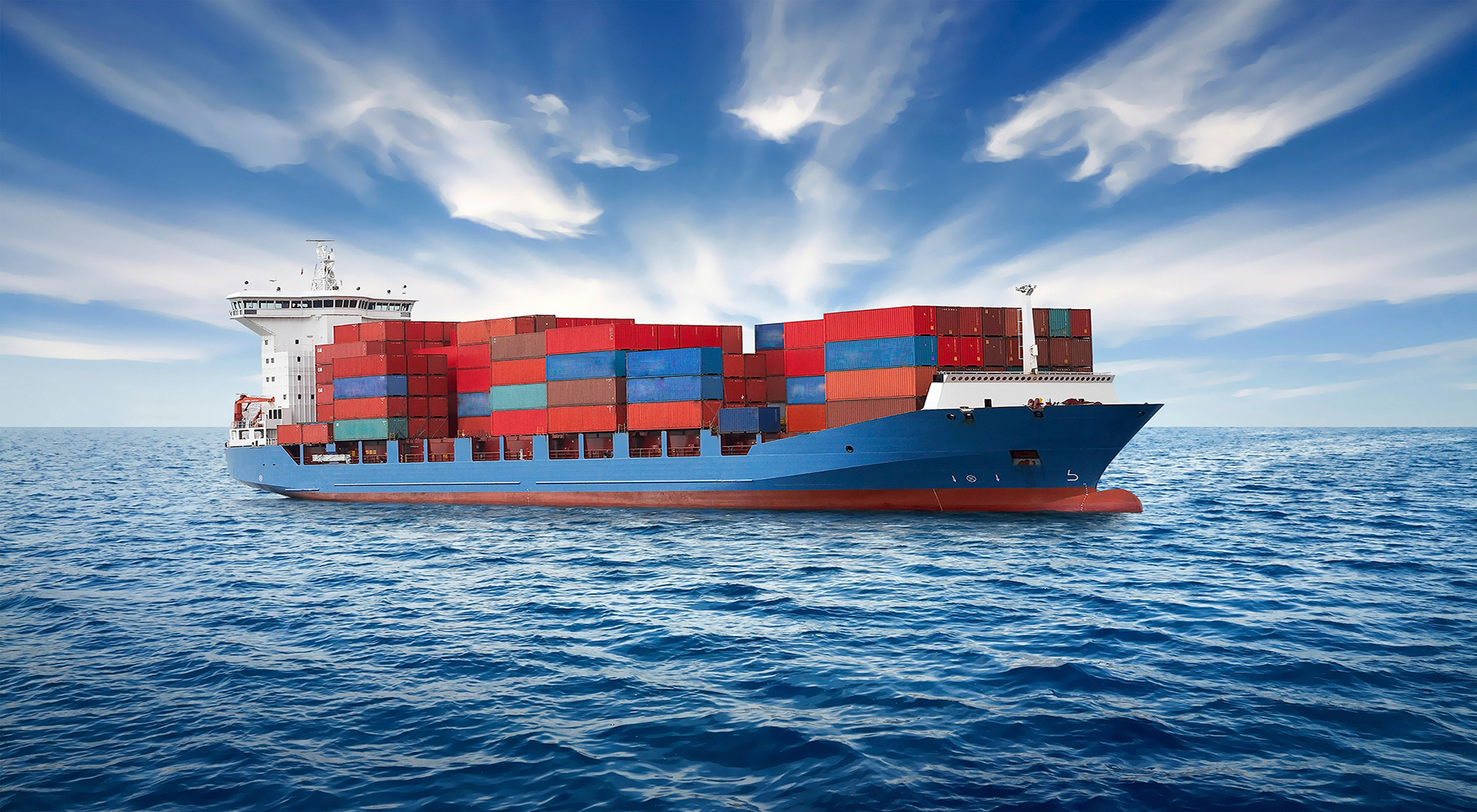
Sea freight is the primary and most cost-effective shipping method from China to the Federated States of Micronesia. Global Supply Freight arranges containerized sea freight from major Chinese ports through established Pacific transshipment hubs before onward delivery to Micronesian ports. This solution is suitable for heavy cargo, large-volume shipments, building materials, machinery, and long-term supply shipments where freight cost efficiency and capacity are key considerations. Our team carefully plans vessel connections, port handling, and schedule coordination to reduce delays common in island shipping routes.
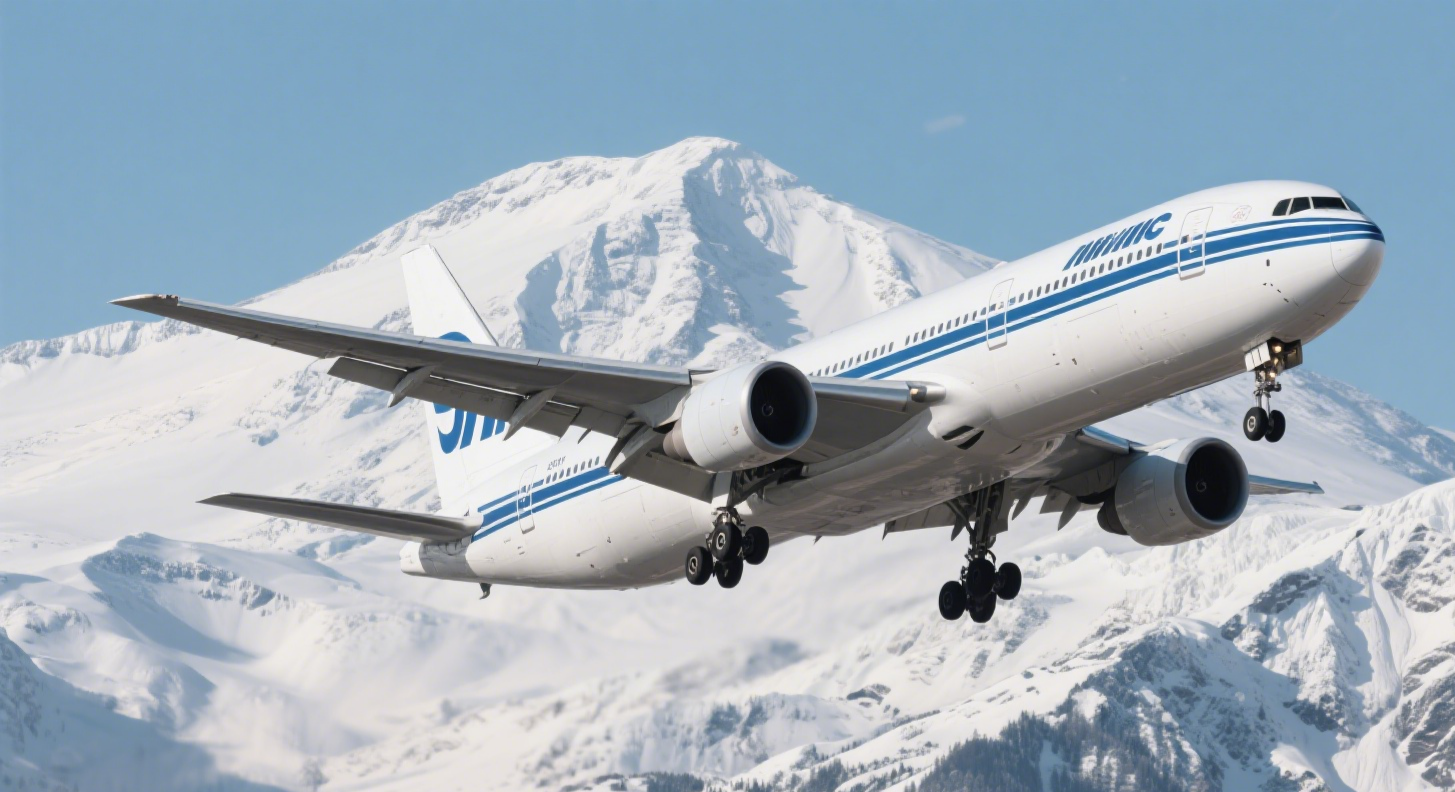
For urgent, lightweight, or high-value cargo, Global Supply Freight provides professional air freight services from China to Micronesia via regional aviation hubs. We manage airline booking, export clearance, cargo handling, and arrival coordination to ensure controlled delivery.
Air freight is commonly used for electronics, spare parts, medical supplies, samples, and time-sensitive commercial goods. Given limited flight frequency to Micronesia, our team focuses on realistic routing and schedule alignment rather than unrealistic transit promises.
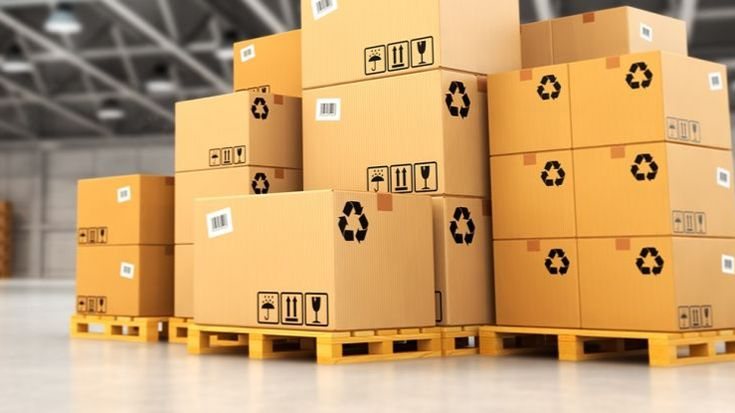
Global Supply Freight offers structured door-to-door shipping solutions from supplier locations in China to final destinations across the Federated States of Micronesia. This service integrates origin pickup, international transport, customs coordination, and local delivery under a single logistics plan.
Door-to-door shipping is especially valuable for customers unfamiliar with Micronesian import procedures or those shipping to multiple islands. Our team manages documentation flow, local coordination, and delivery scheduling to reduce operational complexity and risk.

Full Container Load shipping is recommended for customers shipping sufficient cargo to occupy an entire container. FCL provides better cargo protection, reduced handling, and clearer control over loading and sealing throughout the transport process.
Global Supply Freight arranges FCL shipments using 20GP, 40GP, and 40HQ containers, managing container booking, loading supervision, export documentation, and sea routing coordination. FCL shipping is commonly used for construction materials, machinery, equipment, and bulk commercial cargo destined for Micronesia.
Less than Container Load shipping is suitable for smaller shipments that do not justify a full container. By consolidating cargo with other shipments, LCL helps importers control freight costs while maintaining access to international shipping services.
Global Supply Freight manages cargo consolidation, labeling, documentation, export clearance, and deconsolidation coordination. LCL shipping is often used for retail goods, spare parts, samples, and low-volume commercial cargo moving to Micronesian markets.
Global Supply Freight will provide most fuel efficient pickup service China
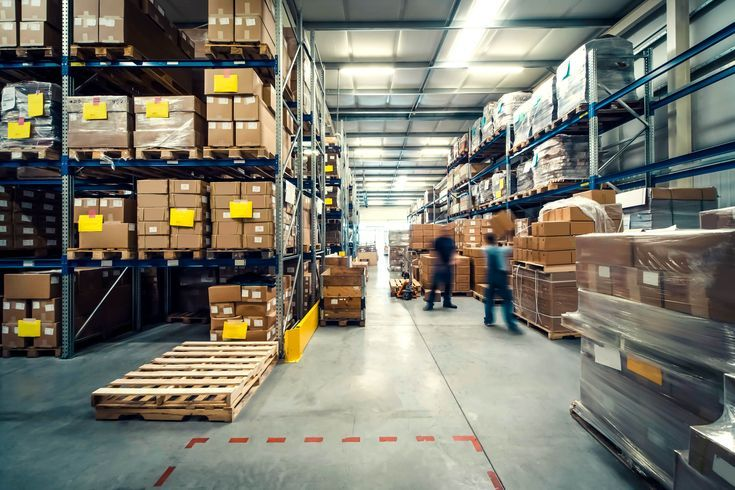
We provide free warehousing services for any of your goods.
The cargo insurance protects your goods all the way to any Any FBA Warehouse
We handle all paperwork and other details for you.

Ensure safe packaging and loading of goods in your suppliers' factory.

The primary shipping methods from China to the Federated States of Micronesia include air freight and sea freight. Air freight is faster, typically taking 7 to 10 days, while sea freight is more economical but slower, usually requiring 30 to 45 days. The choice depends on your urgency and budget. Freight forwarders can provide specific details based on your needs.
Shipping costs are influenced by several factors, including the chosen shipping method (air or sea), the weight and volume of the cargo, and the shipping route. Additional costs may arise from fuel surcharges, customs fees, and handling charges. For an accurate cost estimate, consult with your freight forwarder who can provide a detailed breakdown based on your shipment specifics.
To track your shipment, use the tracking system provided by your freight forwarder or carrier. They typically offer real-time updates through their website or app. Ensure you receive the tracking number once your shipment is dispatched. This allows you to monitor the progress and get timely updates on any delays or issues that may arise.
When shipping to the Federated States of Micronesia, ensure compliance with local customs regulations. This includes proper documentation, accurate descriptions of goods, and adherence to import restrictions. Customs duties and taxes may apply based on the nature of the items. Consulting with a customs broker can help ensure all regulations are met and avoid potential delays.
Use strong, durable packaging materials to protect your goods during transit. For fragile items, employ sufficient padding and cushioning. Ensure packaging is suited to the mode of transport—sturdy containers for sea freight and more secure packaging for air freight. Proper labeling and documentation should be included to facilitate smooth handling and customs clearance.
Select a freight forwarder with a strong track record in handling shipments to the Federated States of Micronesia. Evaluate their experience, safety records, and customer reviews. Consider their network of partners, reliability, and cost-effectiveness. Request quotes and compare services to ensure they meet your specific shipping needs and requirements.
Common challenges include varying transit times, customs clearance delays, and potential damage to goods. Other issues may involve navigating complex regulations and managing costs. To address these, work closely with a reliable freight forwarder who can help mitigate risks, provide accurate estimates, and ensure smooth handling and delivery.
To ensure timely delivery, plan your shipment well in advance and choose a reliable freight forwarder. Monitor the shipment closely using tracking systems, and ensure all documentation is accurate and complete. Communicate effectively with all parties involved, and address any potential issues promptly to avoid delays.
Air freight offers faster transit times, typically 7 to 10 days, making it ideal for urgent shipments. It provides better tracking and fewer risks of damage. Sea freight, on the other hand, is more cost-effective for larger shipments but takes longer, usually 30 to 45 days. The choice depends on your priorities, such as cost versus speed.
To handle potential delays, stay informed by regularly checking the shipment's status using tracking tools. Maintain open communication with your freight forwarder to understand the cause of the delay and estimated resolution time. Prepare contingency plans for critical shipments, and be proactive in addressing any issues that arise to minimize impact.
Operations refer to how vehicles are used, including the procedures and policies established for their operation. In the transport industry, both operations and infrastructure ownership can be managed by either the public or private sector.
Operations deal with how vehicles are operated, including the procedures and policies established for this purpose. In the transport industry, both operations and infrastructure ownership can be either public or private.
Operations deal with the way vehicles are operated, as well as the procedures and policies established for this purpose. In the transport industry, both operations and infrastructure ownership can be either public or private.