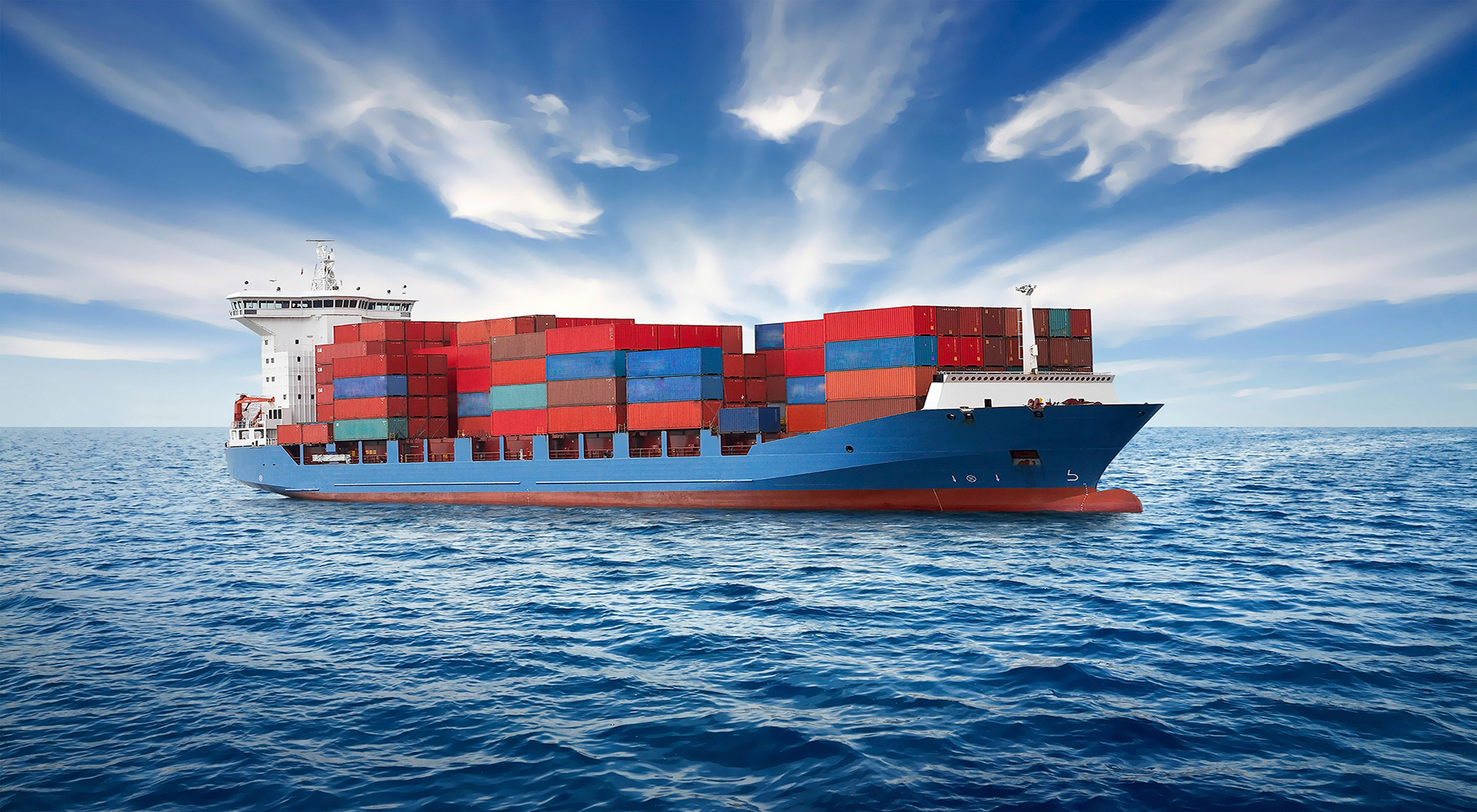
Global Supply Freight provides reliable and fully integrated logistics solutions for shipping from China to Burundi, covering sea freight, air freight, and professionally managed inland transportation via East African gateway ports. With solid experience in China–Africa trade lanes and landlocked-country logistics operations, we help importers achieve optimized freight costs, controlled transit schedules, and full shipment visibility across multi-leg routes.
From export documentation and cargo handling in China to international transportation, regional transit coordination, customs support, and final inland delivery throughout Burundi, our experienced logistics team manages every stage with precision. Whether shipping machinery, construction materials, consumer goods, electronics, medical supplies, or project cargo, Global Supply Freight delivers secure, compliant, and scalable logistics solutions tailored to Burundi-bound supply chains.
Global Supply Freight offers cost-effective sea freight solutions from major Chinese ports to East African gateway ports such as Dar es Salaam (Tanzania) and Mombasa (Kenya), followed by inland transport to Burundi. Supporting both containerized and consolidated cargo, our sea freight service is ideal for bulk shipments, industrial goods, and long-term procurement cargo. We coordinate carrier space, sailing schedules, port handling, and documentation to ensure stable and predictable ocean transport.

Our air freight service from China to Burundi is designed for urgent, high-value, and time-sensitive shipments. Cargo is routed through major international air hubs with final delivery to Bujumbura International Airport. With priority space allocation, secure handling, and efficient customs coordination, Global Supply Freight helps minimize transit time while maintaining cargo safety and reliability.

Global Supply Freight provides seamless inland and door-to-door logistics from China to Burundi, covering origin pickup, export customs clearance, international transport, cross-border transit through neighboring East African countries, import customs support, and final inland delivery. Managed under a single logistics plan, this service simplifies complex landlocked-country operations. Clients benefit from one point of contact, transparent cost structures, and dependable end-to-end execution across Burundi.

Full Container Load (FCL) shipping is the most efficient solution for large-volume, heavy, or high-value cargo moving from China to Burundi. With a dedicated container exclusively assigned to your shipment, Global Supply Freight ensures enhanced cargo security, reduced handling risk, and better control over transit schedules.
FCL services support 20GP, 40GP, and 40HQ containers and are widely used for construction materials, industrial machinery, generators, agricultural equipment, vehicles, and bulk commercial goods. Cargo is routed via stable East African gateways with professional container and inland transport management, supporting consistent Burundi-bound supply chains.
Less than Container Load (LCL) shipping is a cost-efficient option for smaller or irregular shipments that do not require a full container. Global Supply Freight consolidates compatible cargo at origin, helping importers reduce freight costs while maintaining strict handling and documentation standards.
LCL services are commonly used for consumer goods, electronics, spare parts, mixed cargo, and small commercial shipments. Our China–Burundi LCL solutions include consolidation, export customs clearance, regional transit coordination, inland delivery, and deconsolidation support, ensuring flexible and reliable delivery across Burundi.
Global Supply Freight will provide most fuel efficient pickup service China

We provide free warehousing services for any of your goods.
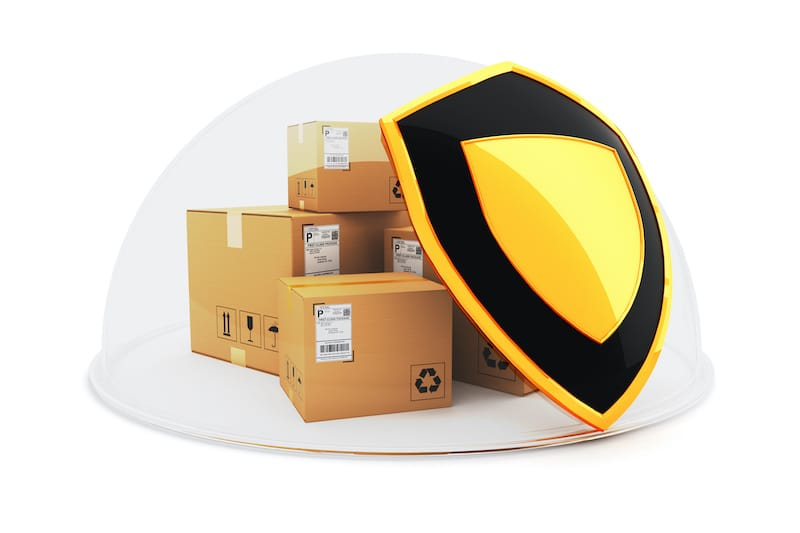
The cargo insurance protects your goods all the way to any Any FBA Warehouse

We handle all paperwork and other details for you.

Ensure safe packaging and loading of goods in your suppliers' factory.

Most shipments move via Dar es Salaam or Mombasa ports, followed by inland trucking. Global Supply Freight selects the optimal route based on cargo and schedule.
Sea plus inland transport typically takes several weeks, while air freight is faster for urgent cargo. Transit time depends on route and customs conditions.
Yes. Global Supply Freight manages cross-border transport and final inland delivery, ensuring smooth coordination for landlocked Burundi shipments.
FCL suits heavy or large shipments, while LCL is cost-effective for smaller cargo. We recommend the best option based on volume and budget.
Common documents include commercial invoice, packing list, bill of lading or airway bill, and Burundi-specific import permits if required.
Yes. We provide professional customs coordination and documentation support to ensure compliant and efficient import clearance in Burundi.
Yes, express shipping options are available via international courier services like DHL, FedEx, or UPS. These services offer expedited delivery, often within a week, but come at a higher cost compared to standard air freight.
Air freight is significantly more expensive than sea freight due to its speed and convenience. Sea freight is more cost-effective but requires a longer shipping duration, which can impact inventory and supply chain planning.
Factors include weather conditions, port congestion, customs delays, political instability, and transportation issues. Each of these can contribute to longer shipping times than initially estimated.
Shipments can be tracked using the tracking numbers provided by the shipping or courier service. Most logistics companies offer online tracking tools or customer service support to monitor the shipment’s progress throughout its journey.
Operations deal with the way vehicles are operated, as well as the procedures and policies established for this purpose. In the transport industry, both operations and infrastructure ownership can be either public or private.
Operations deal with how vehicles are operated, including the procedures and policies established for this purpose. In the transport industry, operations and infrastructure ownership can be either publicly or privately managed.
Operations refer to how vehicles are used, including the procedures and policies established for their operation. In the transport industry, both operations and infrastructure ownership can be managed by either the public or private sector.