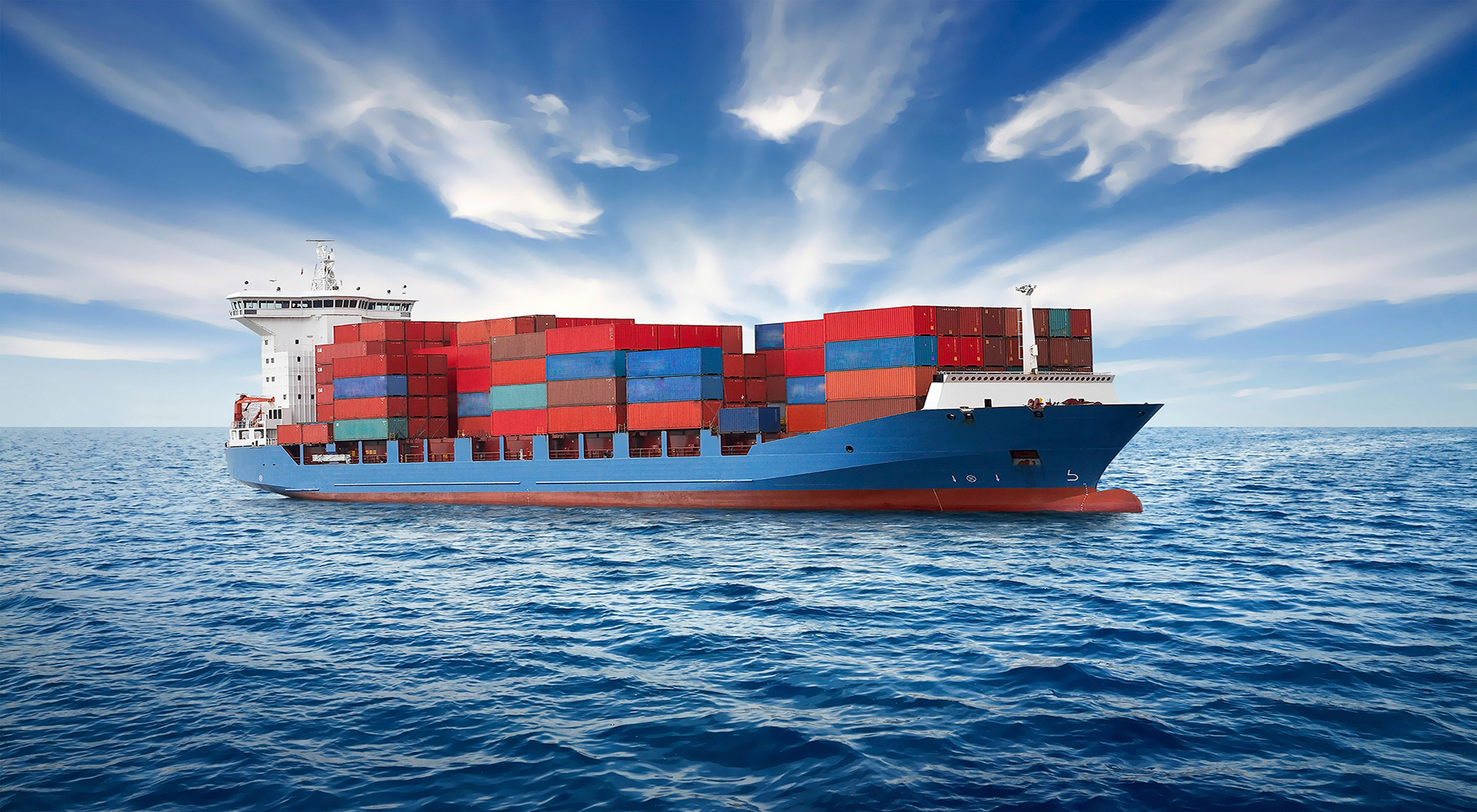
Global Supply Freight provides reliable and fully integrated logistics solutions for shipping from China to Bangladesh, covering sea freight, air freight, and professionally managed door-to-door services. With strong experience across China–South Asia trade lanes and Bangladesh-focused import operations, we help importers achieve optimized freight costs, controlled transit schedules, and full shipment visibility.
From export documentation and cargo handling in China to international transportation, customs coordination, and inland delivery throughout Bangladesh, our experienced logistics team manages every stage with precision. Whether shipping garments accessories, machinery, electronics, consumer goods, raw materials, or e-commerce cargo, Global Supply Freight delivers secure, compliant, and scalable logistics solutions tailored to Bangladesh-bound supply chains.
Global Supply Freight offers cost-effective and reliable sea freight solutions from major Chinese ports to Bangladesh’s main seaport, Chittagong, as well as Mongla Port. Supporting both FCL and LCL cargo, our sea freight service is ideal for bulk shipments, industrial goods, and textile-related imports. We coordinate carrier space, sailing schedules, port handling, and documentation to ensure stable and predictable ocean transport.

Our air freight service from China to Bangladesh is designed for urgent, high-value, and time-sensitive shipments. With direct and connecting services to Hazrat Shahjalal International Airport in Dhaka, Global Supply Freight ensures fast transit times, secure cargo handling, and efficient customs coordination. This solution is widely used for electronics, garment accessories, samples, spare parts, and fast-moving commercial goods.
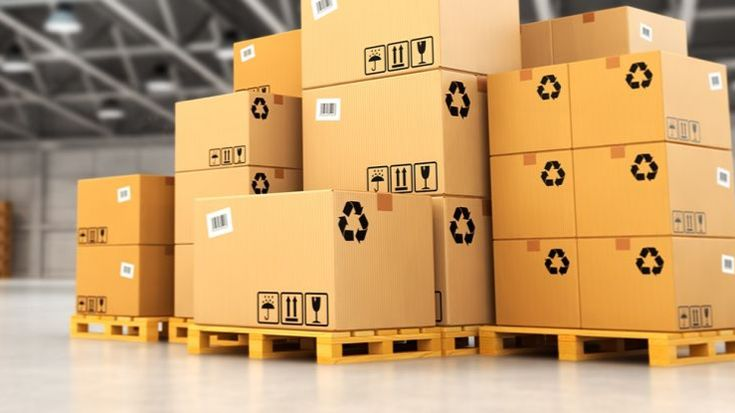
Global Supply Freight provides seamless door-to-door shipping from China to Bangladesh, covering origin pickup, export customs clearance, international transport, import customs support, and final inland delivery. Managed under a single logistics plan, this service reduces operational complexity and compliance risks. Clients benefit from one point of contact, transparent cost structures, and dependable end-to-end execution across Bangladesh.

FCL shipping is the most efficient solution for large-volume, heavy, or high-value cargo moving from China to Bangladesh. With a dedicated container assigned exclusively to your shipment, Global Supply Freight ensures enhanced cargo security, reduced handling risk, and better control over transit schedules.
Our FCL services support 20GP, 40GP, and 40HQ containers, suitable for machinery, raw materials, fabric rolls, industrial equipment, furniture, and bulk commercial goods. Cargo is routed through stable South Asia ocean services with professional container management, supporting consistent and scalable Bangladesh-bound supply chains.
LCL shipping is a cost-efficient option for smaller or irregular shipments that do not require a full container. Global Supply Freight consolidates compatible cargo at origin, allowing importers to reduce freight costs while maintaining strict handling and documentation standards.
Our China–Bangladesh LCL services include cargo consolidation, export customs clearance, warehouse management, transit coordination, and deconsolidation support at destination. This solution is widely used for garment accessories, electronics, spare parts, mixed cargo, and small commercial shipments, helping businesses maintain flexibility while ensuring reliable delivery to Bangladesh.
Global Supply Freight will provide most fuel efficient pickup service China
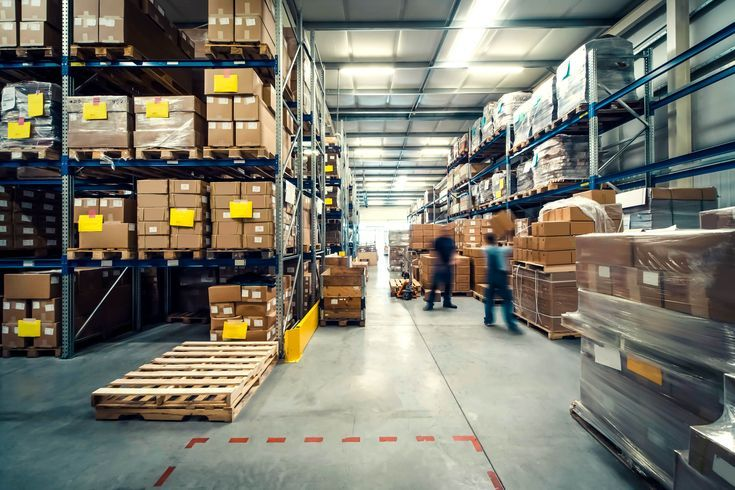
We provide free warehousing services for any of your goods.
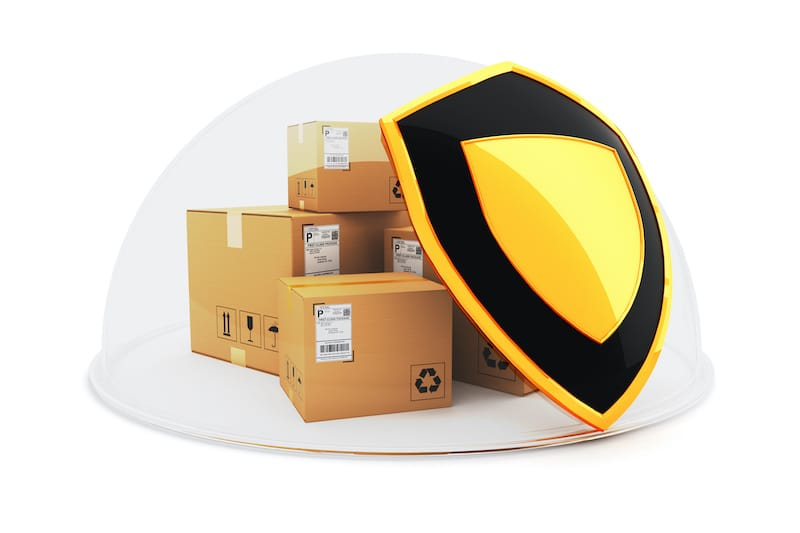
The cargo insurance protects your goods all the way to any Any FBA Warehouse
We handle all paperwork and other details for you.

Ensure safe packaging and loading of goods in your suppliers' factory.

Shipping time from China to Bangladesh depends on transport mode, port efficiency, and customs processing. For instance, air freight takes 7–10 days to Dhaka’s Hazrat Shahjalal Airport, while sea freight to Chittagong/Mongla ports spans 15–20 days. Additionally, weather delays or documentation issues can impact transit times for both modes.
While air freight guarantees speed (7–10 days), it’s pricier for textiles or electronics. Sea freight, however, offers cost-effective solutions for bulk goods like machinery or furniture, though transit times are longer (15–20 days). Choose based on your budget and urgency—request a quote for tailored rates!
Common issues include incomplete paperwork, incorrect declared values, or non-compliance with Bangladeshi regulations (e.g., VAT, import duties). To prevent delays, ensure accurate commercial invoices, packing lists, and certificates of origin. Partner with Global Supply Freight—our local agents handle customs clearance to streamline the process.
To expedite shipments, opt for direct routes to Chittagong/Mongla ports and use our express sea freight service. Additionally, ensure all documentation is pre-approved, and partner with a reliable forwarder for priority handling. By planning ahead and selecting efficient logistics, you can reduce transit times by 3–5 days.
Once your cargo departs China, receive a tracking number via email. Monitor progress through our secure online portal or carrier platforms like COSCO/HMM for sea freight or Cathay Pacific for air freight. Real-time updates include customs status in Chittagong or Dhaka and estimated delivery to your address. Contact us for assistance with tracking!
For instance, monsoon rains in Bangladesh’s coastal regions (e.g., Chittagong) often delay sea freight, while cyclones disrupt air freight schedules to Dhaka. These conditions can disrupt port operations and extend transit times by 3–5 days. To mitigate such risks, choose carriers with weather contingency plans and partner with a forwarder for alternative route options.
For perishable goods like pharmaceuticals or fresh produce, use thermal packaging and prioritize air freight via Dhaka’s Hazrat Shahjalal Airport (3–5 days transit). Additionally, ensure compliance with Bangladesh’s Food Safety Authority regulations and work with a forwarder for temperature-controlled handling. Furthermore, real-time monitoring and customs pre-clearance minimize spoilage risks during transit.
Operations refer to how vehicles are used, including the procedures and policies established for their operation. In the transport industry, both operations and infrastructure ownership can be managed by either the public or private sector.
Operations deal with how vehicles are operated, including the procedures and policies established for this purpose. In the transport industry, both operations and infrastructure ownership can be either public or private.
Operations deal with how vehicles are operated, including the procedures and policies established for this purpose. In the transport industry, operations and infrastructure ownership can be either publicly or privately managed.