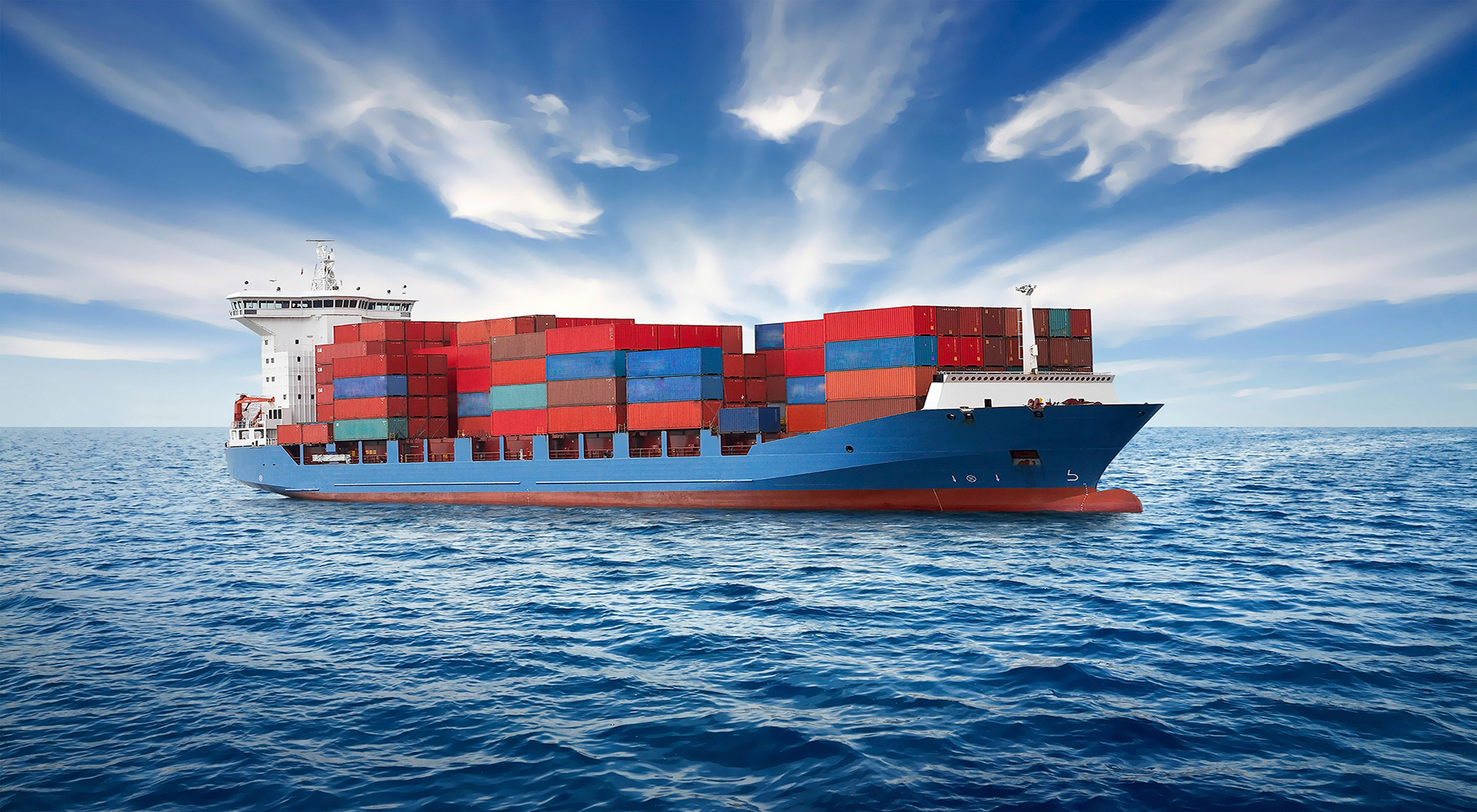
Global Supply Freight provides reliable and fully integrated logistics solutions for shipping from China to Equatorial Guinea, covering sea freight, air freight, and professionally managed door-to-door logistics services. With practical experience in China–Central Africa trade lanes and oil- and project-driven import environments, we help importers manage low-frequency sailings, strict consignee control, and high-value cargo risk.
From export documentation and cargo handling in China to international transportation, customs coordination, and inland delivery across Equatorial Guinea’s island and mainland territories, our logistics team manages each step with operational discipline. Whether shipping oil & gas equipment, construction materials, machinery, consumer goods, or government-linked cargo, Global Supply Freight delivers compliant and risk-controlled logistics solutions tailored to Equatorial Guinea-bound shipments.
Global Supply Freight provides structured sea freight services from China to Equatorial Guinea via Gulf of Guinea routes. This solution is mainly used for project cargo, machinery, construction materials, and non-urgent commercial shipments. Sea freight offers the most realistic option for heavy and oversized cargo. We manage carrier selection, space booking, documentation, transshipment planning, and destination handling through Malabo and Bata ports.

Global Supply Freight offers controlled air freight services from China to Equatorial Guinea for urgent, high-value, or mission-critical shipments. This option is commonly used for spare parts, technical equipment, samples, and oil-and-gas support cargo. Air freight reduces operational downtime where replacement parts are difficult to source locally. We coordinate airline routing, approvals, customs support, and airport handling at Malabo International Airport.

Global Supply Freight delivers fully integrated door-to-door logistics solutions from China to Equatorial Guinea under a single transport plan. This service is designed for importers operating in a complex regulatory and infrastructure environment. Door-to-door logistics centralizes responsibility across ocean or air transport and inland delivery. We handle pickup, export clearance, international transport, customs coordination, and final delivery to sites, warehouses, or compounds.

Full Container Load (FCL) shipping is strongly recommended for Equatorial Guinea due to cargo value, security, and documentation sensitivity. A dedicated container reduces handling during transshipment and limits exposure to other shippers’ compliance risks.
FCL is widely used for oil & gas equipment, generators, construction machinery, vehicles, steel materials, and bulk project cargo destined for Malabo or mainland locations.
Less than Container Load (LCL) shipping is possible but not ideal for most Equatorial Guinea shipments. Multiple handling points and mixed documentation can significantly increase delay and inspection risk.
Global Supply Freight only recommends LCL when cargo value is low, timelines are flexible, and consignee documentation is fully confirmed in advance.
Global Supply Freight will provide most fuel efficient pickup service China
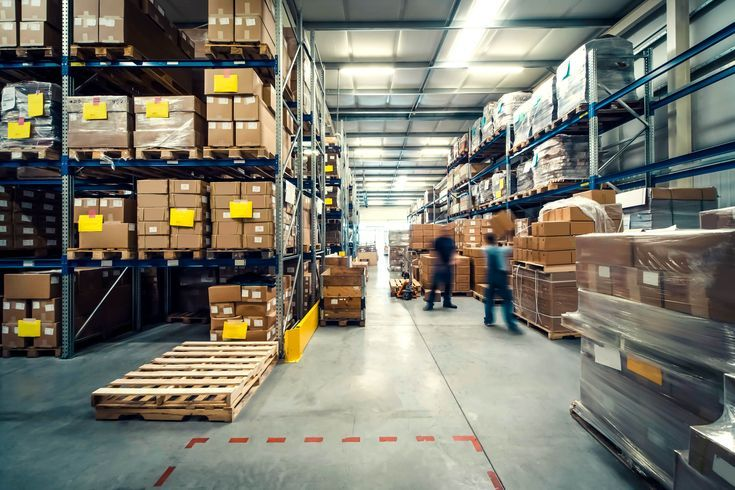
We provide free warehousing services for any of your goods.

The cargo insurance protects your goods all the way to any Any FBA Warehouse
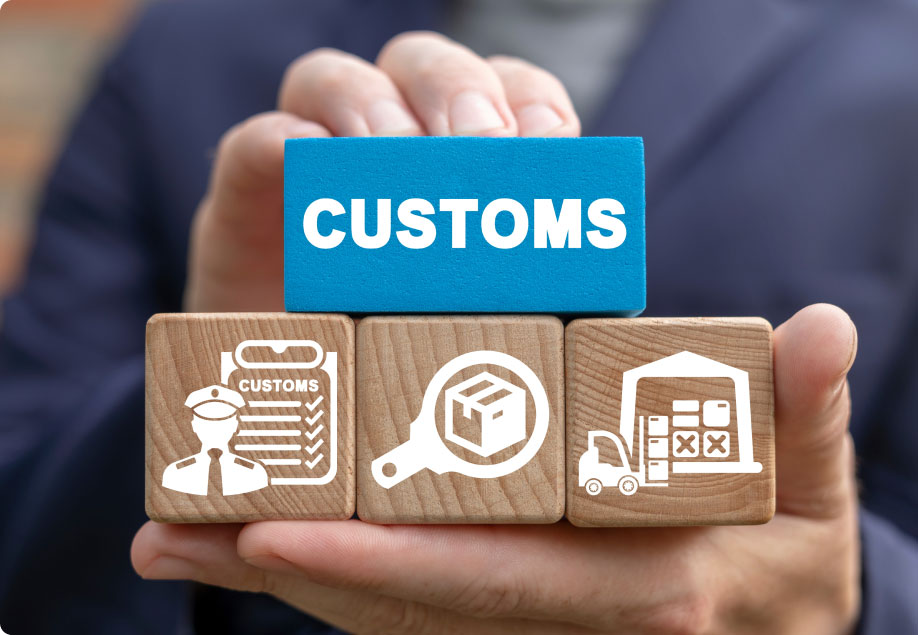
We handle all paperwork and other details for you.

Ensure safe packaging and loading of goods in your suppliers' factory.

Shipping options include air freight, which is faster but more expensive, and sea freight, which is more cost-effective but slower. Air freight generally takes 7-14 days, while sea freight can take 20-35 days.
You can track your shipment using tracking numbers provided by your freight forwarder or shipping company. They offer online tracking services where you can monitor the progress of your shipment in real-time.
Customs requirements include providing a commercial invoice, packing list, and bill of lading. Ensure all documentation is accurate to avoid delays. Certain goods may also need additional permits or certifications.
Yes, shipping insurance is crucial to protect against loss, damage, or theft during transit. It provides financial coverage and peace of mind, especially for valuable or fragile items.
Shipping costs vary based on the weight, dimensions of the shipment, and chosen mode of transport. Air freight is more expensive compared to sea freight. It’s best to get quotes from multiple carriers for accurate pricing.
Yes, there are restrictions on certain goods such as hazardous materials, prohibited items, and perishable goods. Always check with the shipping company and customs regulations for specific restrictions.
To expedite shipping, use air freight services and choose express delivery options. Ensure all documentation is completed correctly to avoid delays. Working with a reliable freight forwarder can also help.
Reputable shipping companies for this route include DHL, FedEx, and Maersk. They offer various services and have experience handling shipments to Equatorial Guinea.
To avoid delays, ensure accurate and complete documentation, choose reliable shipping partners, and understand customs requirements. Proper packaging and labeling also help in smooth transit.
Contact your shipping company or freight forwarder immediately. They can provide information on the status of your shipment and assist with claims if it is lost. Having shipping insurance can also facilitate the claim process.
Operations deal with how vehicles are operated, including the procedures and policies established for this purpose. In the transport industry, operations and infrastructure ownership can be either publicly or privately managed.
Operations deal with how vehicles are operated, including the procedures and policies established for this purpose. In the transport industry, both operations and infrastructure ownership can be either public or private.
Operations refer to how vehicles are used, including the procedures and policies established for their operation. In the transport industry, both operations and infrastructure ownership can be managed by either the public or private sector.