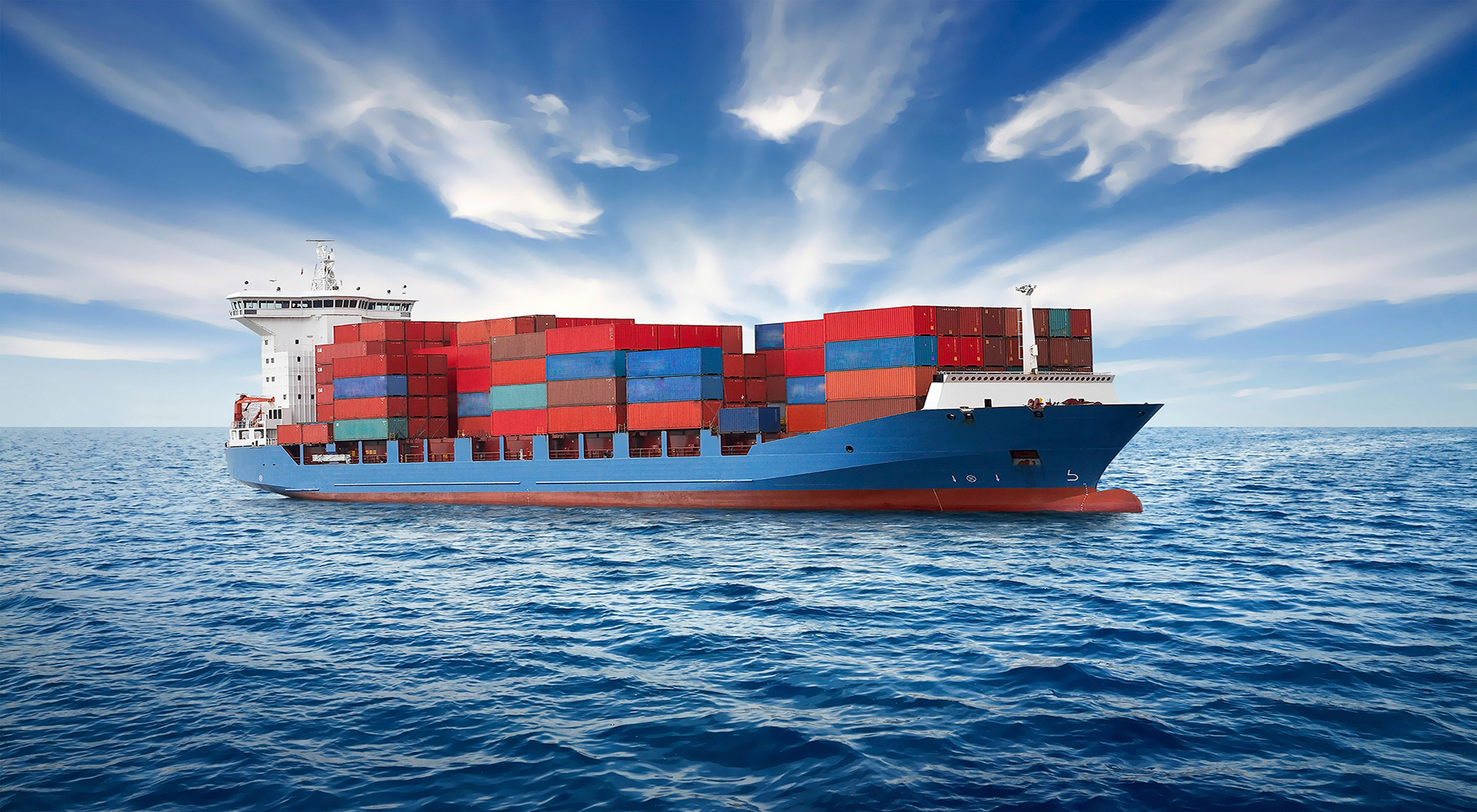
Global Supply Freight provides end-to-end logistics solutions for shipping from China to Suriname, covering sea freight, air freight, and door-to-door transport services. Supported by strong carrier partnerships and proven South America–Caribbean routing experience, we help shippers achieve stable transit times, optimized freight costs, and consistent cargo visibility across all transport modes.
From export handling and documentation in China to customs coordination and inland delivery across Suriname, our experienced team manages every shipment with precision. Whether you are shipping construction materials, consumer goods, industrial equipment, or cross-border e-commerce cargo, Global Supply Freight delivers secure, compliant, and scalable logistics solutions tailored to your business needs.
Our sea freight service from China to Suriname offers reliable ocean shipping via major transshipment hubs with onward connections to Paramaribo port. With flexible sailing schedules and stable carrier arrangements, we ensure controlled transit times, secure cargo handling, and consistent shipment visibility throughout the voyage.
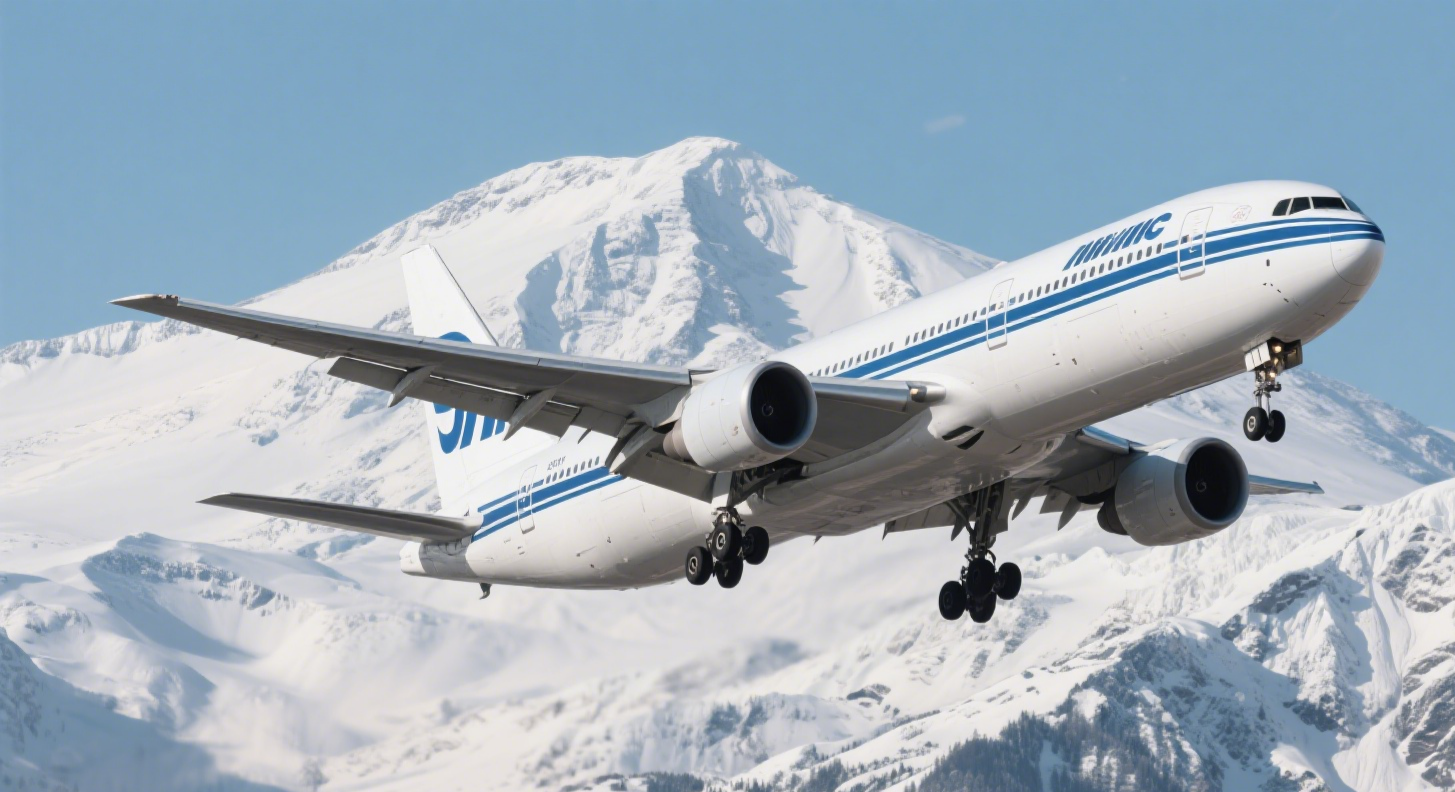
Global Supply Freight’s air freight service provides fast and secure shipping from major Chinese airports to Suriname. Designed for time-sensitive and high-value cargo, this solution ensures shortened transit times, priority handling, and end-to-end cargo tracking supported by experienced air freight professionals.
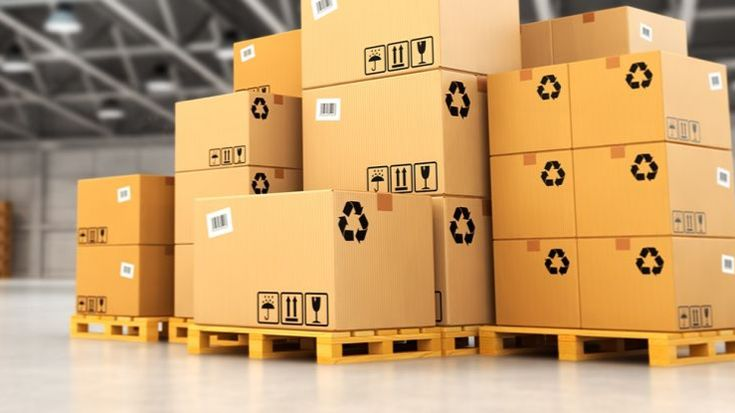
Our door-to-door service from China to Suriname covers cargo pickup, export customs clearance, international transportation, import coordination, and final delivery. This integrated solution reduces logistics complexity, improves delivery reliability, and provides importers with a streamlined shipping experience.

Global Supply Freight’s FCL (Full Container Load) shipping service from China to Suriname is ideal for shippers moving large volumes that require exclusive container use. This option enhances cargo security, minimizes handling risks, and ensures more predictable vessel schedules. We manage container booking, export documentation, port operations, and customs coordination to maintain stable transit performance and clear cost control.
Our LCL (Less than Container Load) shipping service from China to Suriname is designed for smaller shipments that do not fill a full container. By consolidating cargo efficiently, Global Supply Freight helps reduce overall freight costs while maintaining reliable transit times. We handle consolidation, warehouse operations, export clearance, deconsolidation at destination, and inland delivery, ensuring secure handling and consistent service quality throughout the shipping process.
Global Supply Freight will provide most fuel efficient pickup service China
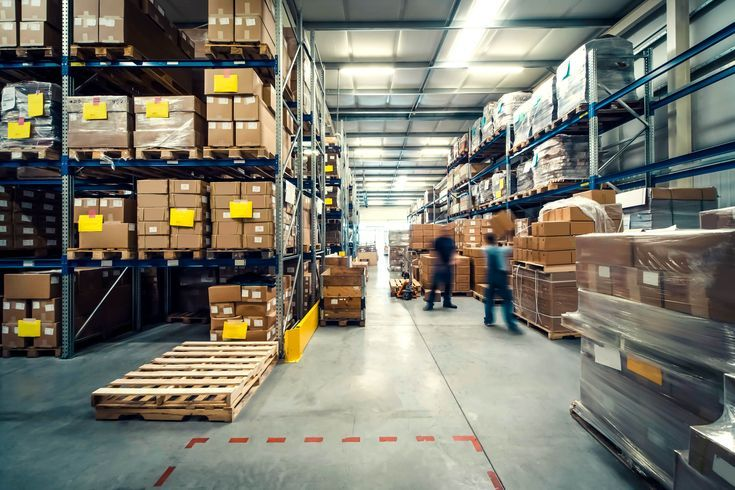
We provide free warehousing services for any of your goods.
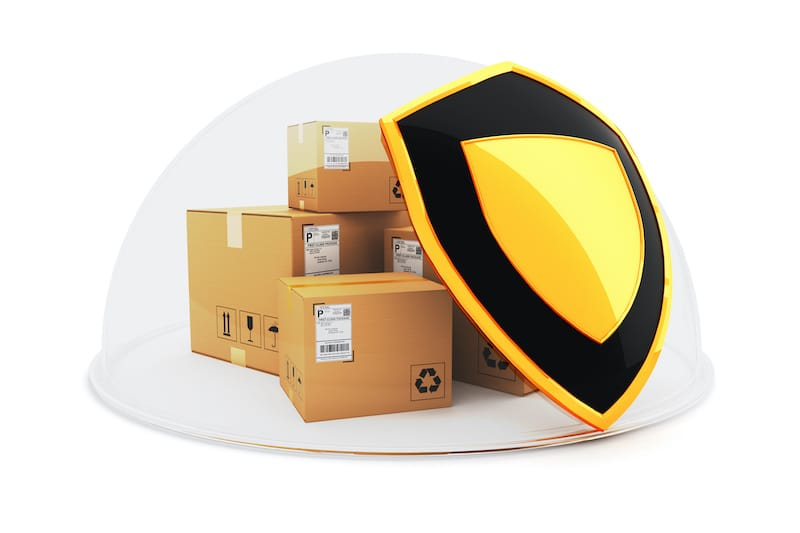
The cargo insurance protects your goods all the way to any Any FBA Warehouse
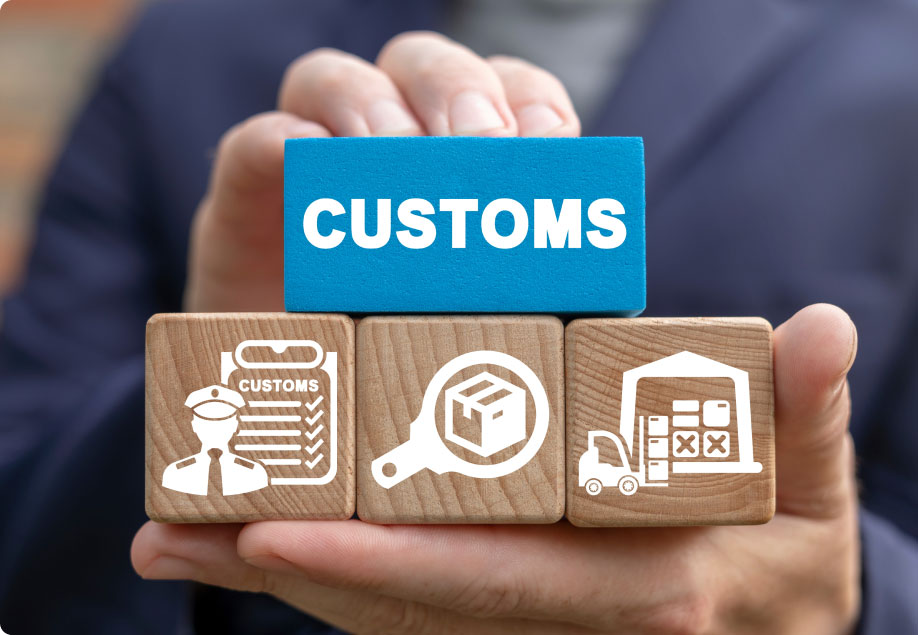
We handle all paperwork and other details for you.

Ensure safe packaging and loading of goods in your suppliers' factory.

Several factors affect the shipping time, including the mode of transport (air freight, sea freight, or courier), customs clearance, the efficiency of the shipping company, seasonal demand, and the current global logistics situation. Typically, air freight is the fastest, taking around 7-14 days, while sea freight can take 30-45 days.
Air freight is the fastest shipping method, usually taking about 7 to 14 days. This time frame includes packing, pickup, transit, and customs clearance. However, it can vary based on the specific airline, routing, and any delays in customs processing or peak season congestion.
Sea freight generally takes longer than air freight, with an average transit time of 30 to 45 days. This period includes the time spent at sea, port handling, customs clearance, and final delivery to the destination. Weather conditions and port congestion can also impact this time frame.
The efficiency and reliability of the shipping company play a crucial role in delivery times. Reputable companies with established logistics networks can often provide faster and more reliable service, ensuring timely pickup, transit, and delivery, as well as efficient handling of customs and documentation.
Yes, the shipping route significantly impacts the transit time. Direct routes with fewer stops or transshipments are generally faster. Indirect routes with multiple stops or transfers can add several days or even weeks to the overall shipping time due to additional handling and potential delays at intermediary ports.
Customs clearance is a critical step in the shipping process. Delays in customs can significantly extend the overall shipping time. Efficient documentation, accurate declarations, and prompt payment of duties and taxes can help expedite this process and reduce delays.
Seasonal factors such as peak shopping seasons (e.g., Chinese New Year, Christmas) can lead to increased shipping volumes and potential delays. During these periods, both air and sea freight services may experience congestion, resulting in longer transit and processing times.
Global logistics issues such as port congestion, labor strikes, pandemics, and geopolitical tensions can all disrupt normal shipping operations. These issues can lead to delays, increased shipping times, and higher costs due to rerouting, additional handling, and supply chain interruptions.
The choice between air freight and sea freight involves a trade-off between cost and time. Air freight is faster but more expensive, making it suitable for urgent or high-value shipments. Sea freight is more cost-effective for larger, non-urgent shipments, though it takes longer.
To ensure faster shipping, choose a reputable shipping company with a reliable track record, opt for direct shipping routes, prepare all necessary documentation accurately, and consider using expedited services for urgent shipments. Additionally, staying informed about potential delays and planning shipments during off-peak times can help mitigate delays.
Operations deal with the way vehicles are operated, as well as the procedures and policies established for this purpose. In the transport industry, both operations and infrastructure ownership can be either public or private.
Operations deal with how vehicles are operated, including the procedures and policies established for this purpose. In the transport industry, operations and infrastructure ownership can be either publicly or privately managed.
Operations deal with how vehicles are operated, including the procedures and policies established for this purpose. In the transport industry, both operations and infrastructure ownership can be either public or private.