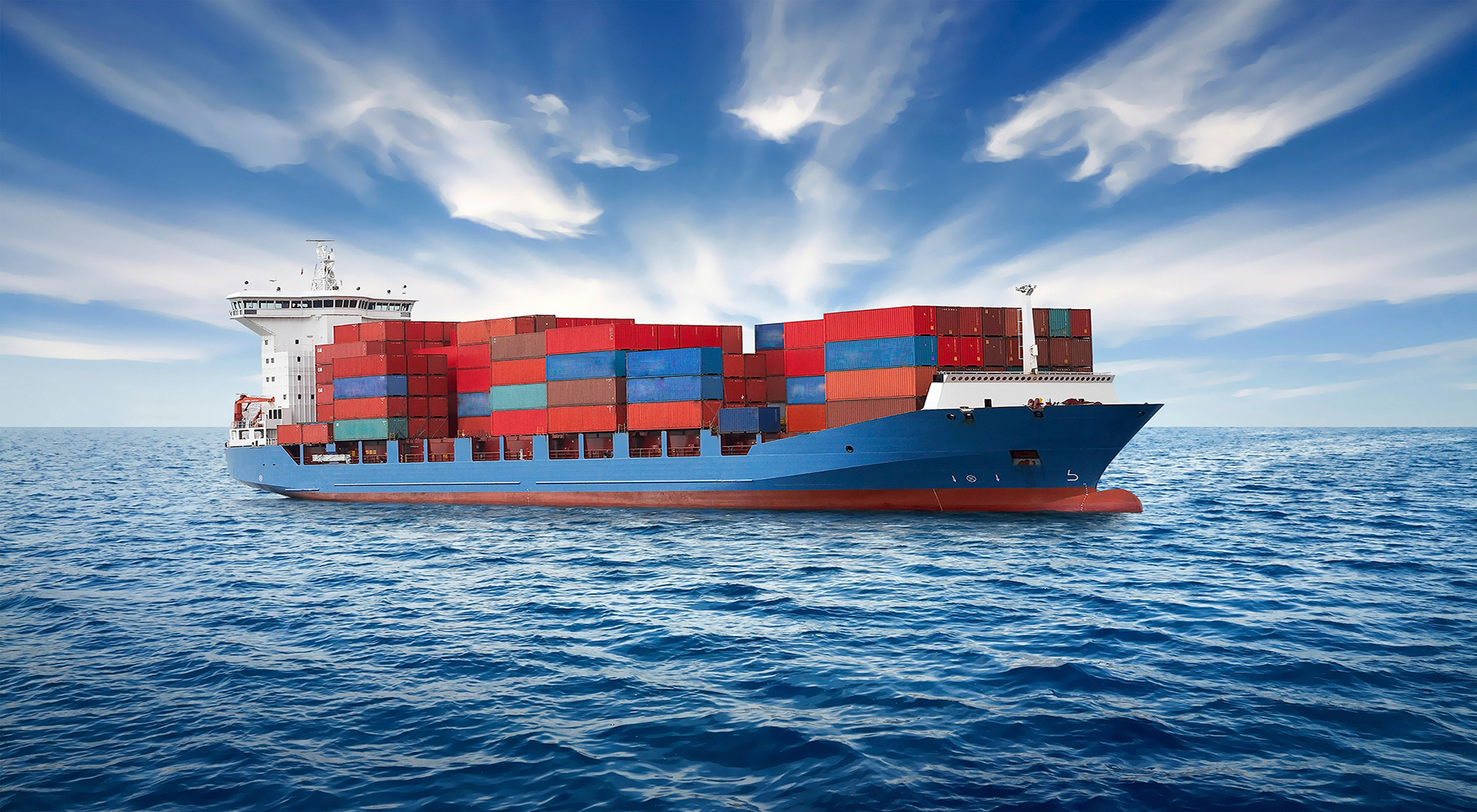
Global Supply Freight provides reliable and fully integrated logistics solutions for shipping from China to Albania, covering sea freight, air freight, and professionally managed door-to-door services. With solid experience across China–Europe trade lanes and Balkan regional logistics networks, we help importers achieve optimized freight costs, controlled transit schedules, and full shipment visibility.
From export documentation and cargo handling in China to international transportation, customs coordination, and inland delivery throughout Albania, our experienced logistics team manages every stage with precision. Whether shipping machinery, electronics, consumer goods, furniture, construction materials, or e-commerce cargo, Global Supply Freight delivers secure, compliant, and scalable logistics solutions tailored to Albania-bound supply chains.
Global Supply Freight offers cost-effective sea freight solutions from major Chinese ports to Albania via key Mediterranean hubs, with final discharge at Port of Durrës. Supporting both FCL and LCL cargo, our sea freight service is ideal for bulk shipments, industrial goods, and long-term supply contracts. We manage carrier space, sailing schedules, transshipment coordination, and port handling to ensure stable and predictable ocean transport.
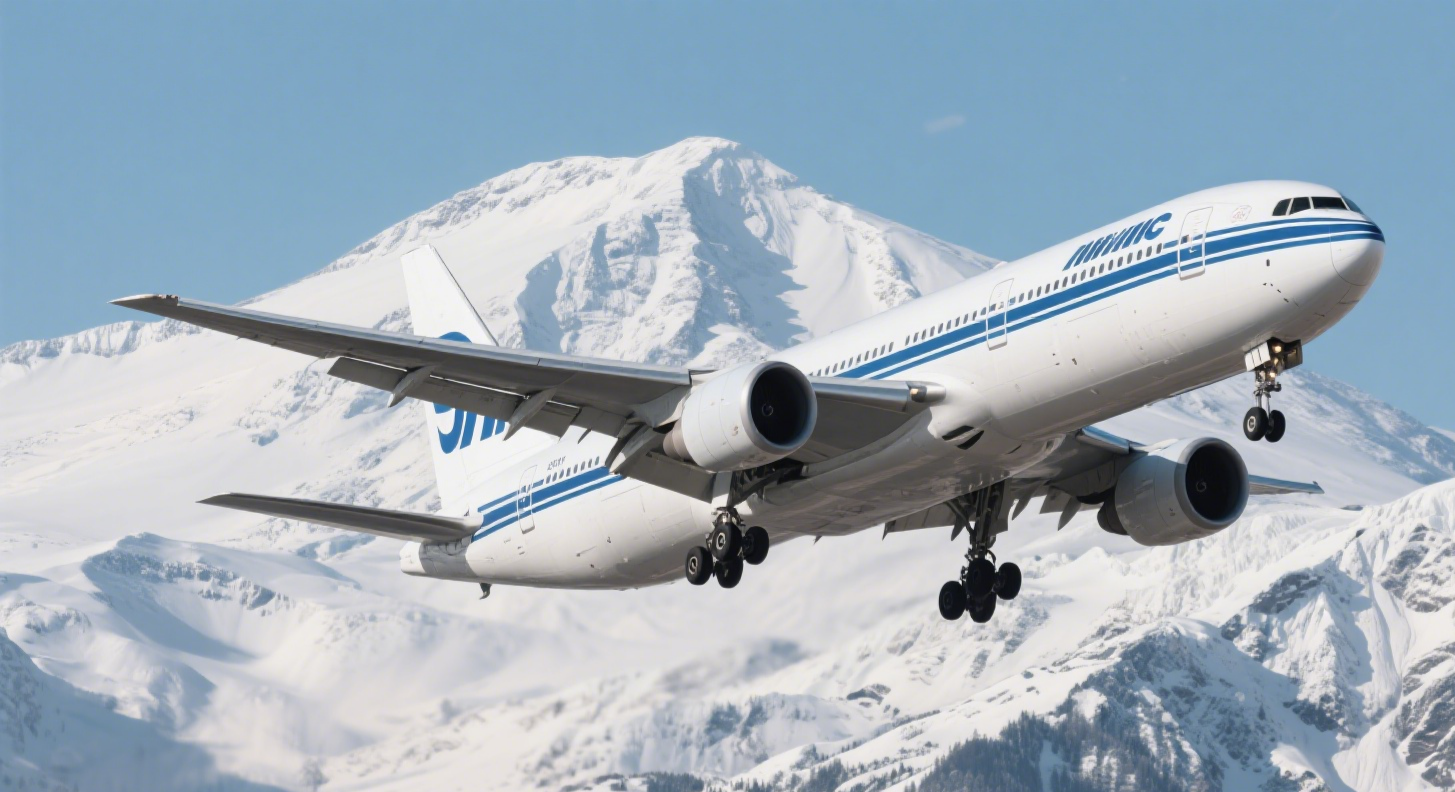
Our air freight service from China to Albania is designed for urgent, high-value, and time-sensitive shipments. Cargo is routed through major European air hubs with onward delivery to Tirana International Airport. With priority space allocation, secure handling, and efficient documentation processing, Global Supply Freight helps minimize transit time while maintaining cargo safety and reliability.
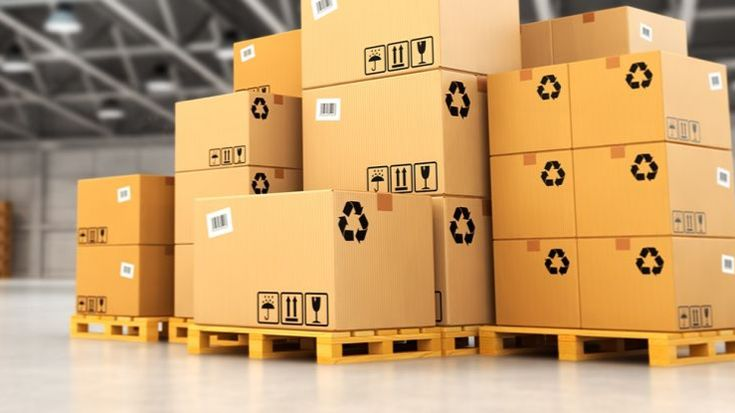
Global Supply Freight provides seamless door-to-door shipping from China to Albania, covering origin pickup, export customs clearance, international transport, import customs support, and final inland delivery. Managed under a single logistics plan, this service reduces operational complexity and compliance risks. Clients benefit from one point of contact, transparent cost structures, and dependable end-to-end execution.

FCL shipping is the preferred solution for large-volume, heavy, or high-value cargo moving from China to Albania. With a full container dedicated exclusively to your shipment, Global Supply Freight ensures enhanced cargo security, reduced handling risk, and improved control over transit schedules.
Our FCL services support 20GP, 40GP, and 40HQ containers, suitable for machinery, building materials, furniture, industrial equipment, and bulk commercial goods. Cargo is routed through stable Mediterranean gateways with professional container management, supporting consistent and scalable Albania-bound supply chains.
LCL shipping is a cost-efficient option for smaller or irregular shipments that do not require a full container. Global Supply Freight consolidates compatible cargo at origin, allowing importers to reduce freight costs while maintaining strict handling and documentation standards.
Our China–Albania LCL services include cargo consolidation, export customs clearance, warehouse coordination, transit documentation, and deconsolidation support at destination. This solution is widely used for electronics, consumer goods, spare parts, and mixed cargo shipments, helping businesses maintain flexibility while ensuring reliable delivery.
Global Supply Freight will provide most fuel efficient pickup service China
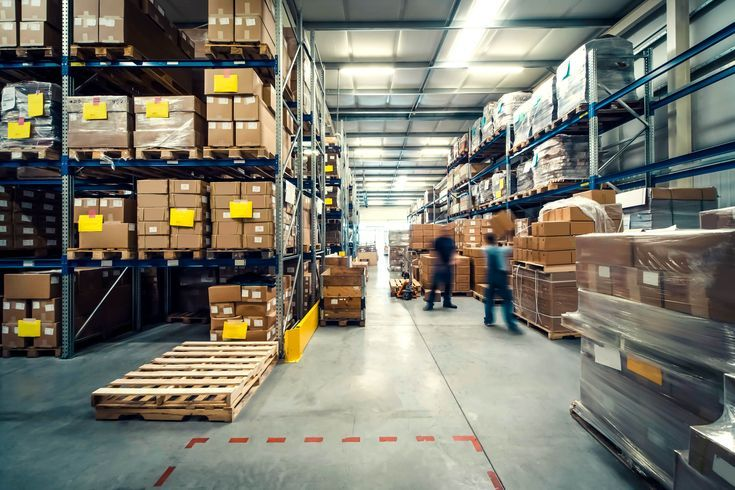
We provide free warehousing services for any of your goods.
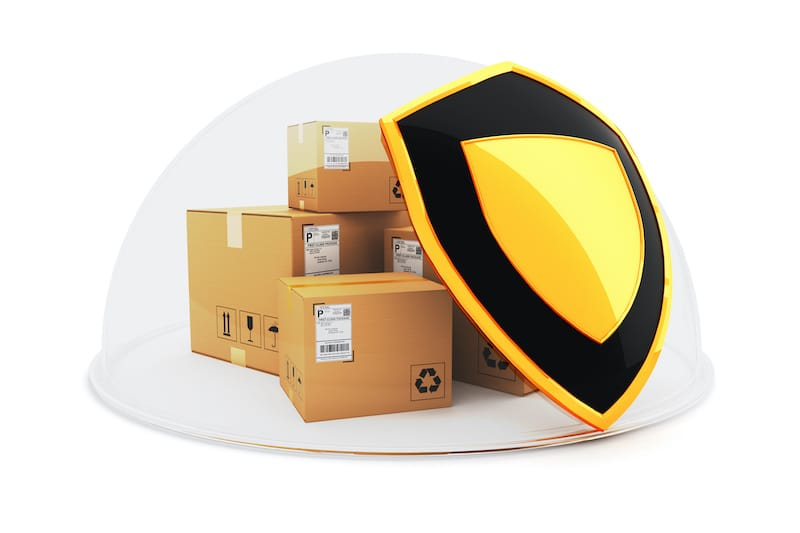
The cargo insurance protects your goods all the way to any Any FBA Warehouse
We handle all paperwork and other details for you.

Ensure safe packaging and loading of goods in your suppliers' factory.
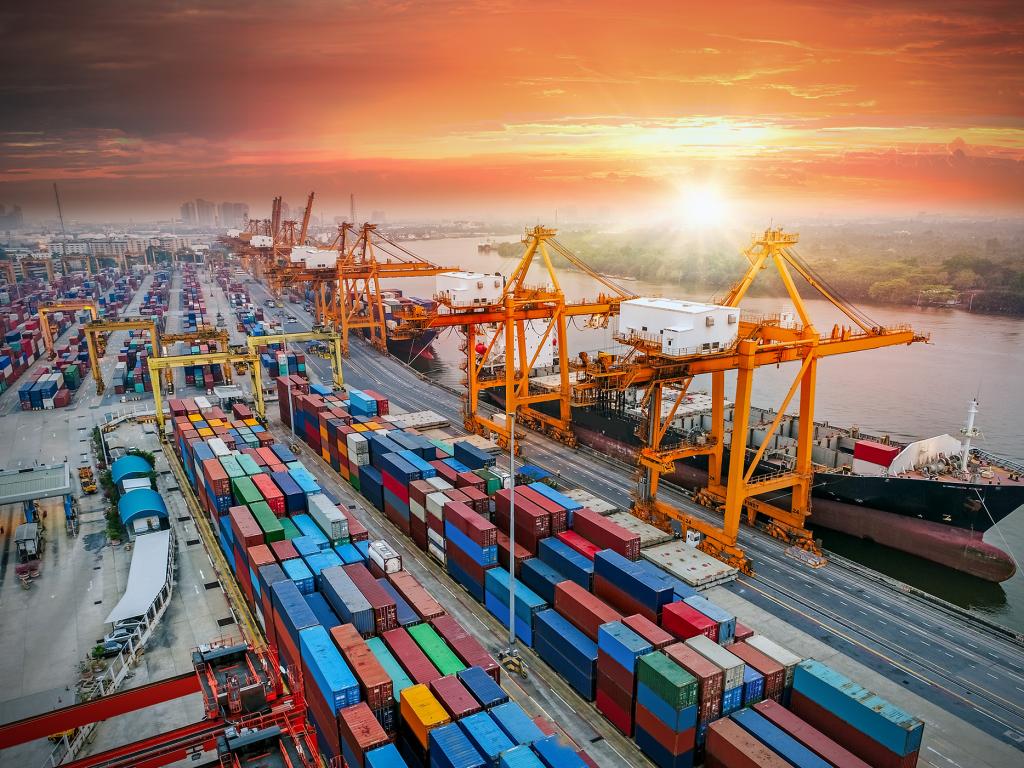
Shipping times are affected by the chosen method (air or sea), the distance between the departure and arrival ports, and customs processing times. Air freight is faster, usually taking 7 to 10 days, while sea freight can take 30 to 45 days. Additional factors like weather conditions, port congestion, and the efficiency of the freight forwarder also impact delivery times.
Tracking your shipment involves using the tracking number provided by your freight forwarder or carrier. Most forwarders offer online tracking tools on their websites. By entering the tracking number, you can monitor the shipment's progress in real time, view its current location, and receive updates on any potential delays or issues.
When shipping to Albania, ensure compliance with both Albanian and international customs regulations. This includes accurate documentation such as invoices, packing lists, and certificates of origin. Be aware of any import duties, taxes, and restricted items. Properly classifying your goods and providing detailed descriptions can prevent delays and additional charges.
Shipping costs vary based on the method, weight, volume, and nature of the goods. Air freight generally costs more but is faster, while sea freight is more economical but takes longer. Additional costs may include insurance, customs duties, and handling fees. Getting quotes from multiple freight forwarders can help you find the most cost-effective solution.
Select a freight forwarder with a strong track record and expertise in international shipping. Look for ones with positive reviews, reliable customer service, and competitive rates. Ensure they offer comprehensive services including customs handling, tracking, and insurance. Comparing quotes and services from different forwarders can help you make an informed choice.
Documentation typically includes a commercial invoice, packing list, bill of lading, and any required certificates (e.g., certificate of origin). Accurate and complete paperwork is crucial to facilitate customs clearance and avoid delays. Ensure all documents are correctly filled out and match the shipment details to prevent complications.
Albania has regulations on certain restricted and prohibited items, including hazardous materials, counterfeit goods, and specific agricultural products. It’s important to check the latest customs regulations and restrictions to ensure compliance. Shipping restricted items without proper authorization can lead to delays, fines, or confiscation of the goods.
Effective packaging ensures that goods are protected from damage during transit. Use high-quality, durable materials suited to the type of goods and shipping method. For fragile items, include ample cushioning and use strong, secure containers. Label packages clearly with handling instructions and destination details to facilitate smooth processing.
To minimize shipping costs, consider consolidating shipments to maximize container usage and reduce per-unit costs. Choose a shipping method that balances speed and cost, and negotiate rates with freight forwarders. Additionally, optimizing packaging and reducing the weight and volume of shipments can also help lower expenses.
Customs brokers facilitate the clearance of goods through customs by handling paperwork, paying duties, and ensuring compliance with regulations. They act as intermediaries between shippers and customs authorities, helping to resolve issues and expedite the clearance process. Hiring a reputable customs broker can streamline the shipping process and avoid potential delays.
Operations deal with the way vehicles are operated, as well as the procedures and policies established for this purpose. In the transport industry, both operations and infrastructure ownership can be either public or private.
Operations deal with how vehicles are operated, including the procedures and policies established for this purpose. In the transport industry, both operations and infrastructure ownership can be either public or private.
Operations refer to how vehicles are used, including the procedures and policies established for their operation. In the transport industry, both operations and infrastructure ownership can be managed by either the public or private sector.