
Global Supply Freight provides reliable and fully integrated logistics solutions for shipping from China to Aruba, covering sea freight, air freight, and professionally managed door-to-door services. With strong experience in Caribbean island logistics and multi-leg transportation, we help importers achieve optimized freight costs, controlled transit schedules, and full shipment visibility across long-distance routes.
From export documentation and cargo handling in China to international transportation, customs coordination, transshipment management, and final inland delivery across Aruba, our experienced logistics team manages every stage with precision. Whether shipping construction materials, hotel and resort supplies, machinery, electronics, consumer goods, or project cargo, Global Supply Freight delivers secure, compliant, and scalable logistics solutions tailored to Aruba-bound supply chains.
Global Supply Freight offers flexible and cost-effective sea freight solutions from major Chinese ports to Aruba via established Caribbean transshipment hubs. Final discharge is typically arranged at Oranjestad Port. Supporting both FCL and LCL cargo, our sea freight service is ideal for construction materials, commercial goods, and bulk island supplies. We manage carrier space, transshipment coordination, port handling, and documentation to ensure stable and predictable ocean transport.
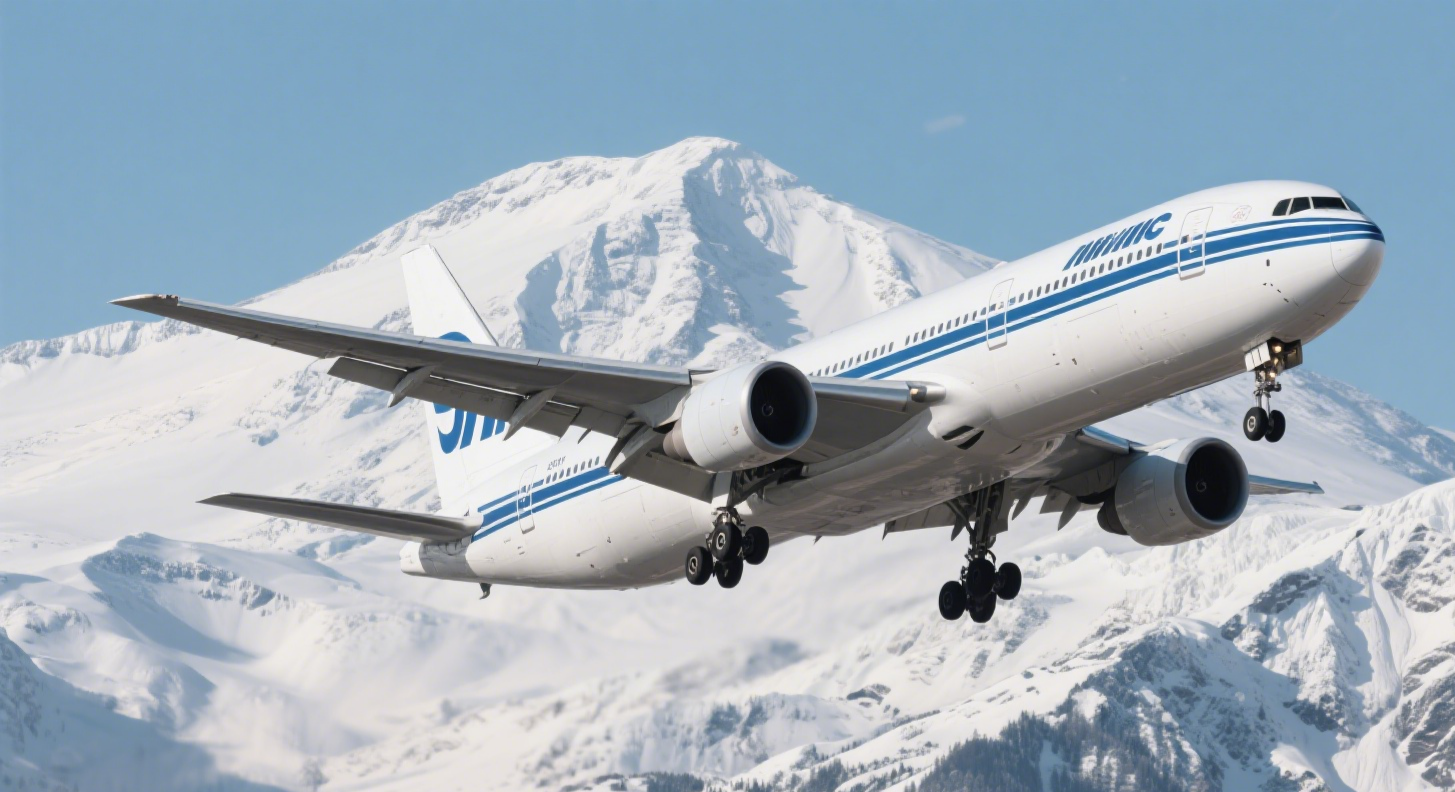
Our air freight service from China to Aruba is designed for urgent, high-value, and time-sensitive shipments. Cargo is routed through major international air hubs with onward delivery to Queen Beatrix International Airport. With priority space allocation, secure handling, and efficient documentation processing, Global Supply Freight helps minimize transit time while maintaining cargo safety and reliability.

Global Supply Freight provides seamless door-to-door shipping from China to Aruba, covering origin pickup, export customs clearance, international transport, import coordination, transshipment handling, and final local delivery. Managed under a single logistics plan, this service simplifies complex island logistics operations. Clients benefit from one point of contact, transparent cost structures, and dependable end-to-end execution.

FCL shipping is the preferred solution for large-volume, heavy, or high-value cargo moving from China to Aruba. With a full container dedicated exclusively to your shipment, Global Supply Freight ensures enhanced cargo security, reduced handling risk, and better control over transit schedules.
Our FCL services support 20GP, 40GP, and 40HQ containers, suitable for construction materials, industrial equipment, vehicles, furniture, hotel supplies, and bulk commercial goods. Cargo is routed through stable Caribbean gateways with professional container management, supporting consistent and scalable island supply chains.
LCL shipping is a cost-efficient option for smaller or irregular shipments that do not require a full container.Global Supply Freight consolidates compatible cargo at origin, allowing importers to reduce freight costs while maintaining strict handling and documentation standards.
Our China–Aruba LCL services include cargo consolidation, export customs clearance, warehouse coordination, transit documentation, and deconsolidation support at destination. This solution is widely used for consumer goods, electronics, spare parts, mixed cargo, and e-commerce shipments, helping businesses maintain flexibility while ensuring reliable delivery to Aruba.
Global Supply Freight will provide most fuel efficient pickup service China

We provide free warehousing services for any of your goods.
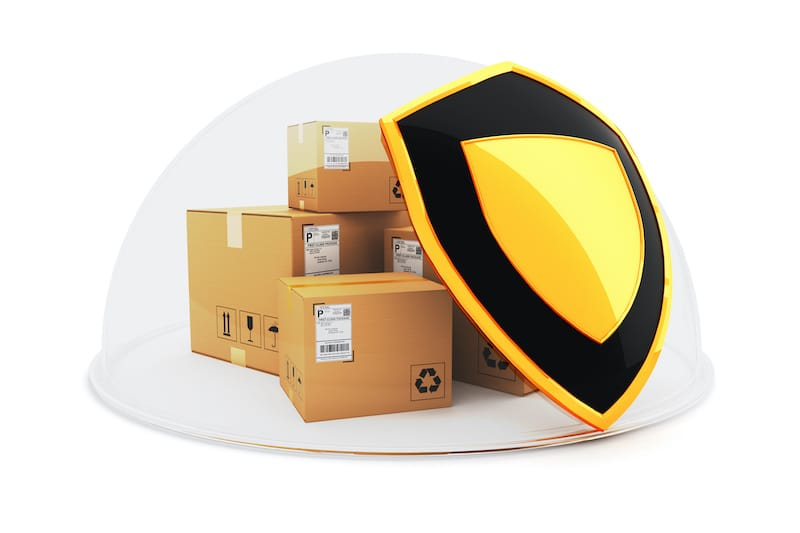
The cargo insurance protects your goods all the way to any Any FBA Warehouse

We handle all paperwork and other details for you.

Ensure safe packaging and loading of goods in your suppliers' factory.

Shipping time from China to Aruba varies based on several factors. These include the shipping method, the carrier, customs clearance, and potential delays. Air shipping generally takes about 5 to 15 business days. In contrast, sea shipping usually takes around 20 to 40 days or more. For precise estimates, consult your carrier or freight forwarder. They can provide detailed information based on your chosen shipping method and specific circumstances.
The cost of shipping from China to Aruba varies based on several factors. These include the weight and dimensions of your package, the chosen shipping method, and the shipping carrier or freight forwarder.
For instance, air freight is generally faster but more expensive compared to sea freight. Similarly, express courier services like DHL, FedEx, or UPS offer quick delivery but at a higher cost.
To obtain an accurate cost estimate, contact shipping carriers or freight forwarders directly. They can provide quotes based on your specific shipment details and requirements. Comparing prices from different providers will help you find the most cost-effective option for your needs.
Shipping goods from China to Aruba involves choosing the right method based on your needs. Here’s a breakdown of available options:
Air Freight: This is the quickest option, perfect for urgent or smaller shipments. Although air freight is pricier than sea freight, it guarantees faster delivery. To arrange air transport, consult with airlines or specialized freight forwarders. Request quotes to select the best service.
Sea Freight: For larger shipments that are not time-sensitive, sea freight is a cost-effective choice. You can opt for full container load (FCL) or less than container load (LCL). Contact freight forwarders or shipping companies for booking and logistics support.
Express Courier Services: Companies like DHL, FedEx, and UPS offer fast, reliable delivery for smaller packages. These services handle everything from pickup to delivery. Utilize their online platforms or contact them directly to schedule your shipment.
Steps to Ship from China to Aruba:
For a seamless shipping experience, rely on Global Supply Freight. Our expertise ensures your logistics needs are met with efficiency and reliability.
Arranging air freight from China to Aruba requires careful planning to ensure smooth and efficient shipping. Aruba, a Caribbean island in the Kingdom of the Netherlands, necessitates meticulous handling for a seamless shipping experience.
Choose a Freight Forwarder: Opt for a reputable freight forwarder with expertise in international air freight and experience in shipping to Aruba. A forwarder with a strong network and reliable service is essential.
Provide Shipment Information: Submit detailed shipment information, including the origin (China), destination (Aruba), type of goods, dimensions, weight, and any special handling requirements.
Request a Freight Quote: Obtain a quote from your selected forwarder. The quote should cover shipping costs, surcharges, and estimated transit time. Compare different quotes to ensure competitive pricing.
Prepare Export Documentation: Collaborate with your forwarder to prepare the necessary export documents for customs clearance in China. These documents typically include a commercial invoice, packing list, airway bill (AWB), and any required certificates or permits.
Arrange Pickup or Delivery: Organize the pickup of your goods from the supplier’s location in China and arrange for transportation to the departure airport. Your forwarder can assist with inland transportation if necessary.
Complete Customs Clearance in China: Ensure that all export customs procedures are finalized before departure. Your forwarder will manage this process and ensure compliance with relevant export regulations.
Book Flight and Manage Routing: Your forwarder will book a suitable flight from China to Aruba and handle logistics and routing according to your shipping requirements.
Track Your Shipment: Utilize the provided tracking information to monitor your shipment’s progress. Maintain communication with your forwarder for updates and notifications.
Clear Customs in Aruba: Upon arrival in Aruba, your shipment will go through customs clearance. Your forwarder will assist with import procedures and ensure all necessary documentation is submitted to customs officials.
Arrange Delivery: Once customs clearance is complete, your forwarder will coordinate delivery to the final destination in Aruba. Ensure you communicate with the recipient to confirm timely receipt.
Follow Up: After delivery, confirm that the recipient has received the shipment and address any potential issues or concerns.
By selecting a dependable freight forwarder, you can effectively manage the air freight process from China to Aruba, ensuring efficient and compliant shipping.
Calculating shipping costs from China to Aruba involves several important steps. Start by gathering your package details, including weight, dimensions, and value.
Next, determine the shipping method that best fits your requirements, such as air freight, sea freight, or express courier services.
Choose a reliable carrier or freight forwarder offering services from China to Aruba. Popular choices include DHL, FedEx, UPS, and other specialized freight forwarders.
Request quotes from these carriers based on your package details, including the origin (China), destination (Aruba), weight, dimensions, and any additional services like insurance or customs clearance.
Compare the quotes to find the most economical shipping option for your needs.
Be mindful of potential additional charges, such as customs duties, taxes, handling fees, and surcharges, which may vary based on your shipment's specifics and regulations.
Finalize your shipment by selecting a carrier, providing required documentation, arranging for pickup or drop-off, and completing the payment process.
Monitor your shipment’s progress to ensure it arrives in Aruba on schedule.
By following these steps, you can accurately calculate shipping costs from China to Aruba and ensure a seamless delivery process.
Air shipping from China to Aruba is preferred in several scenarios:
Urgency: When you need your goods to reach Aruba quickly, air shipping is the best choice. It is much faster than sea freight, with transit times usually ranging from 5 to 15 business days.
High-Value or Perishable Goods: For high-value or perishable items, air shipping is ideal. It ensures faster delivery, reducing the risk of damage or spoilage during transit.
Small or Lightweight Shipments: Air shipping can be cost-effective for small or lightweight shipments. Despite higher rates compared to sea freight, the lower volume can offset the costs.
Just-in-Time Inventory: Businesses with a just-in-time inventory model benefit from air shipping. It allows quick stock replenishment, minimizing inventory holding costs.
Seasonal Demand or Peak Periods: During peak seasons or holidays, air shipping avoids delays caused by sea freight congestion, ensuring timely delivery to Aruba.
Emergency Shipments: In emergencies, such as unexpected demand spikes or supply chain disruptions, air shipping provides a fast solution to meet immediate needs.
Overall, air shipping offers speed and reliability for time-sensitive shipments from China to Aruba. Consider both costs and benefits when choosing air freight.
When importing goods from China to Aruba, you need to account for various taxes and duties. Here’s a brief overview:
Customs Duties: Customs duties are based on the customs value of the goods, including cost, insurance, and freight charges. Rates vary by the type of goods and are set by Aruban customs authorities. Check with the Aruba Customs Department or their tariff schedule for specific rates.
Value-Added Tax (VAT): Imported goods usually incur VAT, calculated on the customs value plus any customs duties. Aruba's standard VAT rate is 6%, though some goods might be exempt or eligible for reduced rates.
Other Taxes and Fees: Additional charges may apply, such as processing fees or handling charges. Specific taxes might also apply to certain goods.
Import Declaration: Importers must submit an import declaration to Aruban customs. This document includes details about the goods, their value, and other relevant information. Customs authorities use this information to determine the applicable taxes and duties.
To navigate these requirements effectively, consult with the Aruban Customs Department or a qualified customs broker. They can guide you on the applicable taxes, duties, and necessary documentation. Seeking advice from trade professionals can help ensure compliance and avoid unexpected costs.
Choosing between Less than Container Load (LCL) and Full Container Load (FCL) for shipping goods from China to Aruba involves several considerations. Here’s a guide to help with your decision:
LCL (Less than Container Load):
FCL (Full Container Load):
Ultimately, the choice between LCL and FCL depends on your shipment size, budget, delivery urgency, and preferences for handling and transit times. Collaborate with your freight forwarder to evaluate your needs and select the most suitable shipping method.
When shipping from China to Aruba, you can typically track your shipment using the tracking services provided by the chosen shipping carrier or freight forwarder. Here's how you can track your shipment:
Tracking Number: Obtain the tracking number for your shipment from the carrier or freight forwarder. This number is usually provided to you when you book the shipment or receive a shipping confirmation.
Carrier's Website: Visit the website of the carrier or freight forwarder handling your shipment. Common carriers for international shipments include DHL, FedEx, UPS, TNT, and others.
Enter Tracking Number: Locate the tracking or shipment tracking section on the carrier's website and enter your tracking number into the provided field.
Track Shipment: Once you've entered the tracking number, the carrier's website will display the current status and location of your shipment. You'll be able to see when the package was shipped, when it arrived at various transit points, and when it is expected to be delivered.
Notifications: Some carriers offer notification services where you can sign up to receive email or text notifications about the status of your shipment, including when it's out for delivery.
Contact Customer Service: If you encounter any issues or have questions about your shipment, you can contact the carrier's customer service department for assistance. They can provide additional information or help resolve any problems you may encounter.
It's important to note that the tracking information may not be updated in real-time, especially during transit or when the package is in customs clearance. However, tracking your shipment regularly can give you a good idea of its progress and expected delivery date.
When transporting goods from China to Aruba, you'll need several key documents to ensure a smooth process:
Commercial Invoice: This document outlines the details of the goods, including their description, quantity, value, and other pertinent information. It's essential for customs clearance and determining duties and taxes.
Packing List: This lists the contents of each package or container. It should detail product names, quantities, weights, and dimensions to aid in accurate processing.
Bill of Lading (B/L): The bill of lading acts as a contract between the shipper and the carrier. It serves as a receipt and includes crucial information about the shipment, such as the names and addresses of the shipper and consignee, a description of the goods, and carriage terms.
Certificate of Origin: This certifies where the goods originated from. It may be necessary to benefit from preferential trade agreements or comply with Aruba’s import regulations.
Customs Declaration or Export Declaration: This provides information about the exported goods and is required by customs in both China and Aruba to clear the goods.
Insurance Certificate: If the shipment is insured, an insurance certificate or policy is needed to prove coverage.
Export License or Permit (if applicable): Depending on the nature of the goods, an export license or permit from Chinese authorities may be required.
Additional Documentation: Depending on Aruban customs requirements or special regulations for certain goods, further documentation might be needed.
To avoid delays or issues with customs clearance, work closely with your freight forwarder or shipping agent. They will help ensure all documents are complete and submitted correctly.
Operations refer to how vehicles are used, including the procedures and policies established for their operation. In the transport industry, both operations and infrastructure ownership can be managed by either the public or private sector.
Operations deal with the way vehicles are operated, as well as the procedures and policies established for this purpose. In the transport industry, both operations and infrastructure ownership can be either public or private.
Operations deal with how vehicles are operated, including the procedures and policies established for this purpose. In the transport industry, operations and infrastructure ownership can be either publicly or privately managed.