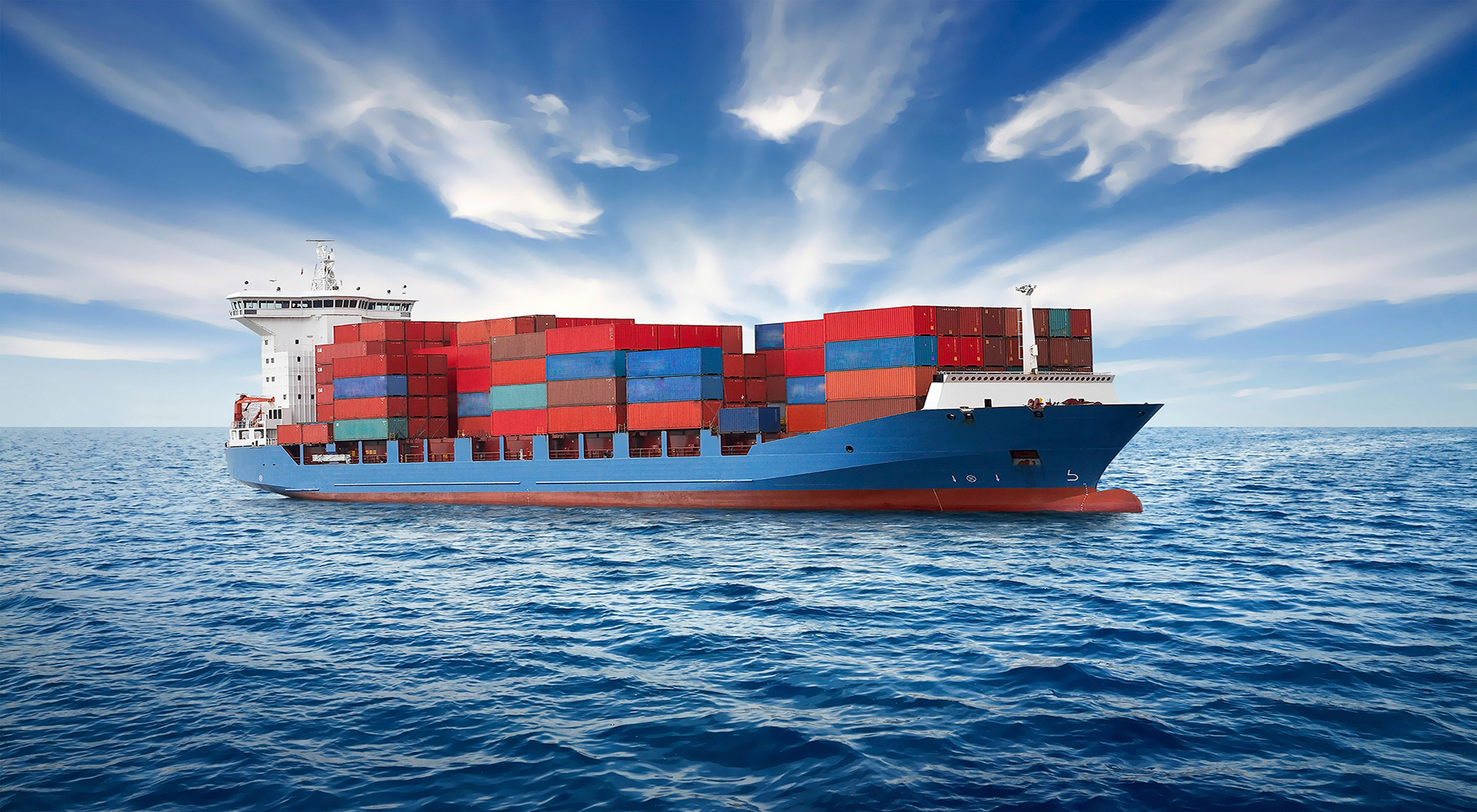
Global Supply Freight provides reliable and fully integrated logistics solutions for shipping from China to Belarus, covering sea freight, air freight, and professionally managed rail freight services. With strong experience across China–Europe trade lanes and the Eurasian rail corridor, we help importers achieve optimized freight costs, controlled transit schedules, and full shipment visibility.
From export documentation and cargo handling in China to international transportation, customs coordination, and inland delivery throughout Belarus, our experienced logistics team manages every stage with precision. Whether shipping machinery, electronics, automotive parts, consumer goods, industrial equipment, or e-commerce cargo, Global Supply Freight delivers secure, compliant, and scalable logistics solutions tailored to Belarus-bound supply chains.
Global Supply Freight offers cost-effective sea freight solutions from major Chinese ports to European gateway ports such as Klaipėda, Riga, and Gdańsk, followed by inland transport to Belarus. Supporting both FCL and LCL cargo, our sea freight service is suitable for bulk shipments, industrial goods, and long-term procurement programs. We coordinate carrier space, sailing schedules, port handling, and documentation to ensure stable and predictable ocean transport.

Our air freight service from China to Belarus is designed for urgent, high-value, and time-sensitive shipments. Cargo is routed through major international air hubs with final delivery to Minsk National Airport. With priority space allocation, secure handling, and efficient customs coordination,Global Supply Freight helps reduce transit time while maintaining cargo safety and reliability.

Global Supply Freight provides professional rail freight services from China to Belarus via established China–Europe railway corridors, with key rail hubs in Brest and Minsk. This solution offers a balanced option between sea and air freight, combining competitive transit times with stable cost control. Our rail service covers export clearance in China, cross-border rail transport, EU/EAEU customs coordination, and final inland delivery within Belarus.

FCL shipping is the most efficient solution for large-volume, heavy, or high-value cargo moving from China to Belarus. With a dedicated container assigned exclusively to your shipment, Global Supply Freight ensures enhanced cargo security, reduced handling risk, and better control over transit schedules.
Our FCL services support 20GP, 40GP, and 40HQ containers, suitable for machinery, automotive components, industrial equipment, furniture, construction materials, and bulk commercial goods. Cargo can be transported via full rail or sea–rail solutions, supported by professional container management and stable Eurasian corridors.
LCL shipping is a cost-efficient option for smaller or irregular shipments that do not require a full container. Global Supply Freight consolidates compatible cargo at origin, allowing importers to reduce freight costs while maintaining strict handling and documentation standards.
Our China–Belarus LCL services include cargo consolidation, export customs clearance, warehouse management, rail or sea–rail transit coordination, and deconsolidation support at destination. This solution is widely used for consumer goods, electronics, spare parts, mixed cargo, and e-commerce shipments, helping businesses maintain flexibility while ensuring reliable delivery across Belarus.
Global Supply Freight will provide most fuel efficient pickup service China
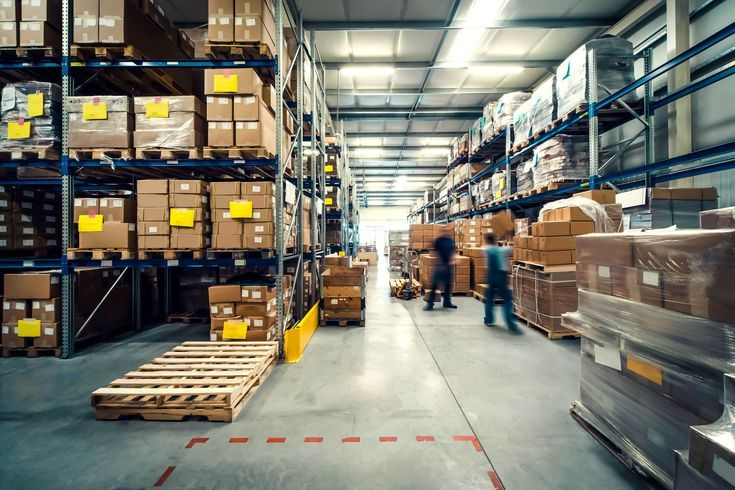
We provide free warehousing services for any of your goods.
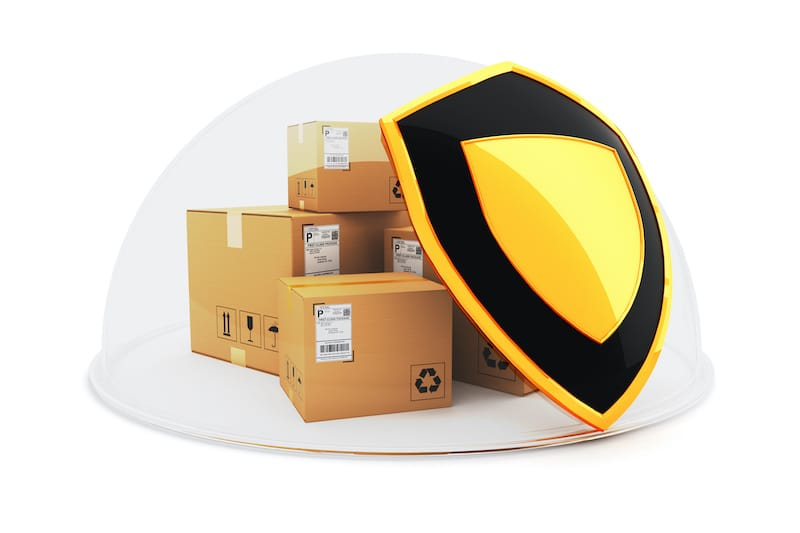
The cargo insurance protects your goods all the way to any Any FBA Warehouse
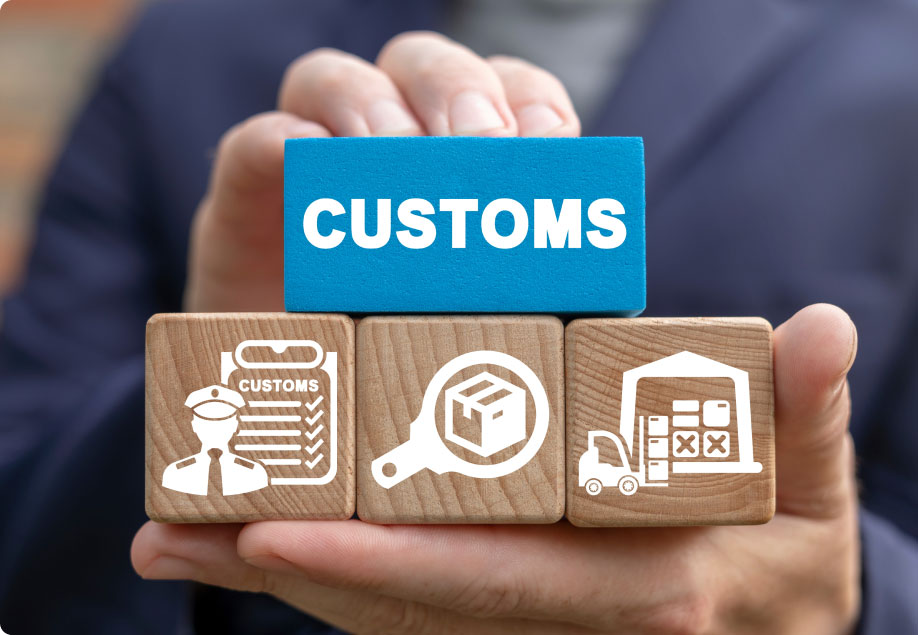
We handle all paperwork and other details for you.

Ensure safe packaging and loading of goods in your suppliers' factory.

Yes, importing goods from China to Belarus may involve customs duties and taxes. The amount depends on the type of goods and their declared value. Familiarize yourself with Belarusian customs regulations and tariff codes to estimate potential costs and ensure compliance.
Common challenges in shipping from China to Belarus include dealing with customs delays, managing transit times, and ensuring the safety of goods during transportation. Issues such as documentation errors and unexpected port congestion can also impact shipping efficiency.
For real-time updates, use our tracking platform or carrier apps like DB Schenker for rail/road shipments. Monitor progress from China’s ports to Belarusian cities like Minsk, Gomel, or Brest. Key milestones include customs clearance in Klaipėda (Lithuania) and final-mile delivery. Contact us for assistance interpreting tracking data!
If your shipment is delayed, first check the customs status via Belarusian Customs Committee portals. Common causes include EAC certification issues or winter weather affecting rail routes. Next, contact Global China Freight—our agents resolve documentation errors and negotiate carrier compensation for port congestion delays.
A freight forwarder offers expertise in managing logistics, including arranging transport, handling documentation, and navigating customs procedures. Their services can simplify the shipping process, reduce the risk of errors, and potentially save on costs through established networks and negotiated rates.
To protect your goods during shipping from China to Belarus, use high-quality packaging materials tailored to the type of cargo. Secure items properly to prevent movement and damage. Additionally, consider obtaining insurance coverage to safeguard against loss, theft, or damage during transit.
Operations deal with how vehicles are operated, including the procedures and policies established for this purpose. In the transport industry, operations and infrastructure ownership can be either publicly or privately managed.
Operations deal with how vehicles are operated, including the procedures and policies established for this purpose. In the transport industry, both operations and infrastructure ownership can be either public or private.
Operations refer to how vehicles are used, including the procedures and policies established for their operation. In the transport industry, both operations and infrastructure ownership can be managed by either the public or private sector.