Shipping from China to Belgium

Global Supply Freight provides reliable and fully integrated logistics solutions for shipping from China to Belgium, covering sea freight, air freight, and professionally managed door-to-door services. With strong experience across China–Europe trade lanes and Benelux logistics networks, we help importers achieve optimized freight costs, controlled transit schedules, and full shipment visibility.

From export documentation and cargo handling in China to international transportation, customs coordination, and inland delivery throughout Belgium, our experienced logistics team manages every stage with precision. Whether shipping machinery, electronics, automotive parts, consumer goods, chemicals, or e-commerce cargo, Global Supply Freight delivers secure, compliant, and scalable logistics solutions tailored to Belgium-bound supply chains.

Services

What we do

Services

img

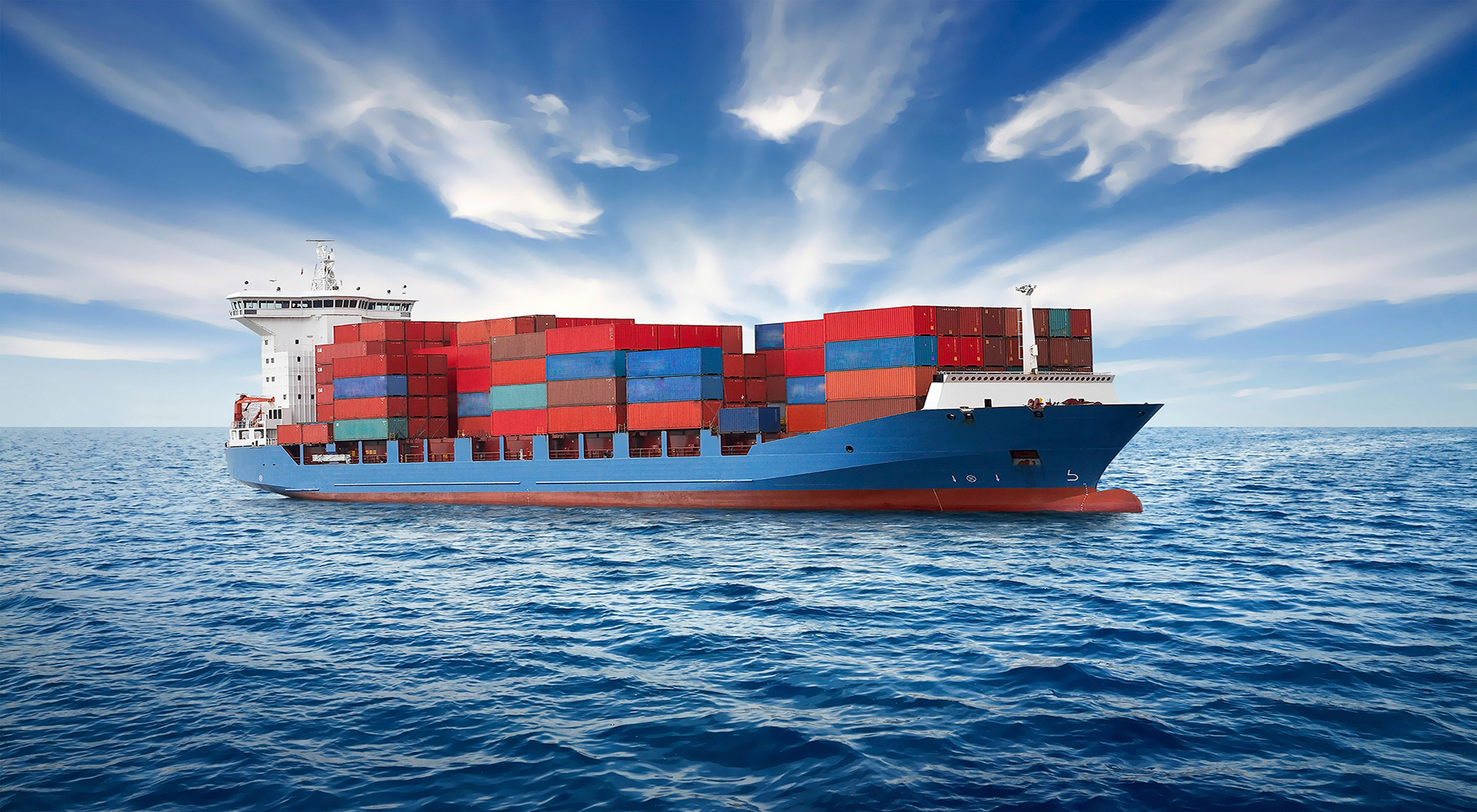
Sea Freight From China To Belgium

Global Supply Freight offers cost-effective and reliable sea freight solutions from major Chinese ports to Belgium’s main gateway, the Port of Antwerp, as well as Zeebrugge. Supporting both FCL and LCL cargo, our sea freight service is ideal for bulk shipments, industrial goods, and long-term procurement programs. We coordinate carrier space, sailing schedules, port handling, and documentation to ensure stable and predictable ocean transport.
img

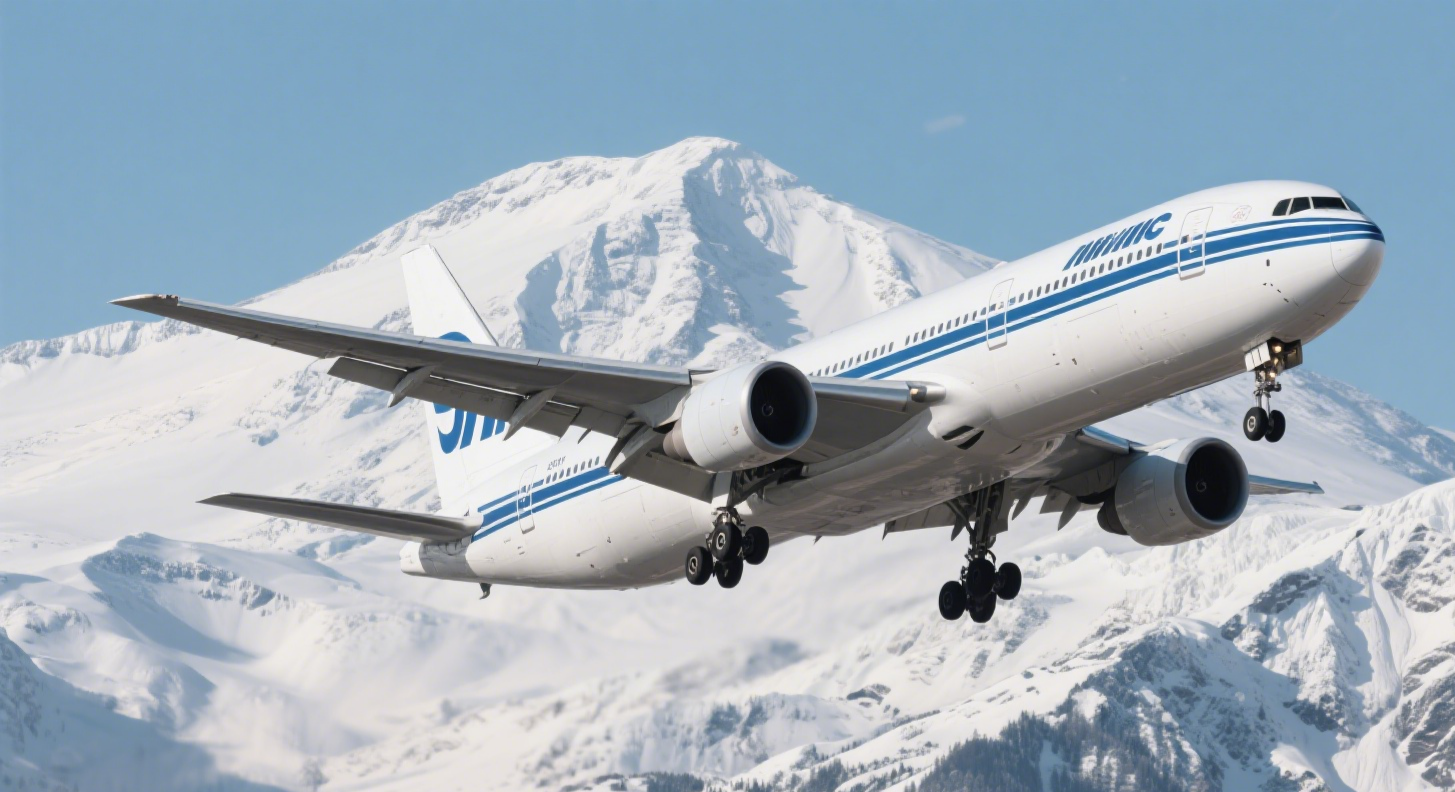
Air Freight From China To Belgium

Our air freight service from China to Belgium is designed for urgent, high-value, and time-sensitive shipments. With direct and connecting services to Brussels Airport, Global Supply Freight ensures fast transit times, secure cargo handling, and efficient customs coordination. This solution is widely used for electronics, pharmaceuticals, spare parts, and fast-moving commercial goods.

img

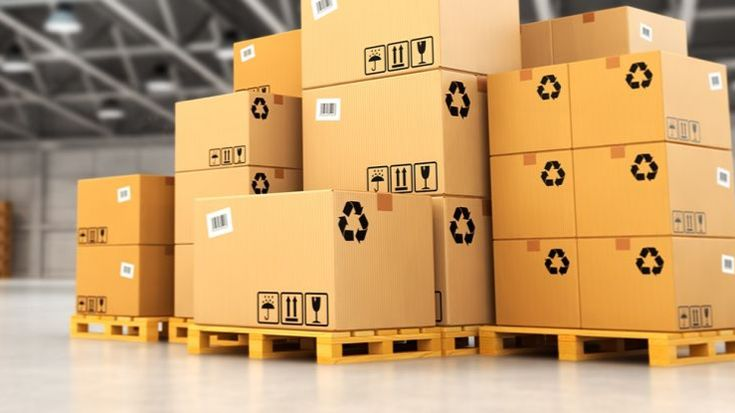
Rail Freight from China To Belgium

Global Supply Freight provides seamless door-to-door shipping from China to Belgium, covering origin pickup, export customs clearance, international transport, EU import customs support, and final inland delivery. Managed under a single logistics plan, this service simplifies compliance and distribution across Belgium and neighboring EU markets. Clients benefit from one point of contact, transparent cost structures, and dependable end-to-end execution.

FCL Shipping from China To Belgium

FCL shipping is the most efficient solution for large-volume, heavy, or high-value cargo moving from China to Belgium. With a dedicated container assigned exclusively to your shipment, Global Supply Freight ensures enhanced cargo security, reduced handling risk, and better control over transit schedules.

Our FCL services support 20GP, 40GP, and 40HQ containers, suitable for machinery, automotive components, industrial equipment, furniture, construction materials, and bulk commercial goods. Cargo is routed through stable Europe-bound ocean services with professional container management, supporting consistent and scalable Belgium-bound supply chains.

LCL Shipping from China To Belgium

LCL shipping is a cost-efficient option for smaller or irregular shipments that do not require a full container.Global Supply Freight consolidates compatible cargo at origin, allowing importers to reduce freight costs while maintaining strict handling and documentation standards.

Our China–Belgium LCL services include cargo consolidation, export customs clearance, warehouse management, transit coordination, and deconsolidation support at destination. This solution is widely used for consumer goods, electronics, spare parts, mixed cargo, and e-commerce shipments, helping businesses maintain flexibility while ensuring reliable delivery across Belgium.

Features

More Services Shipping from China To Belgium

img

Pickup and Delivery

Global Supply Freight will provide most fuel efficient pickup service China
img

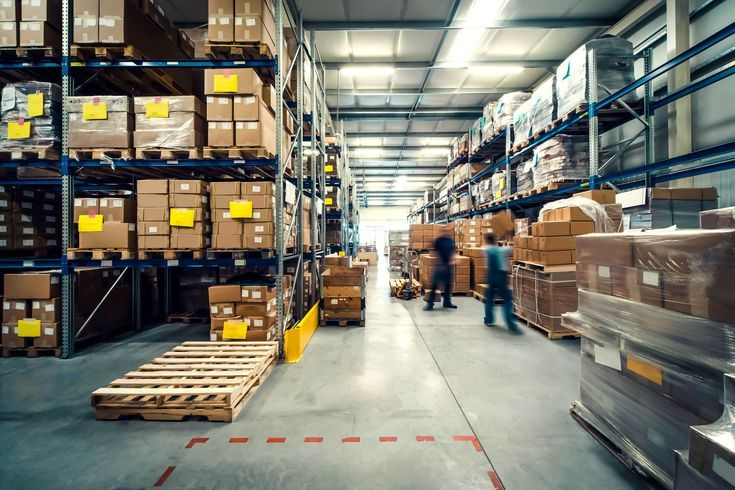
Warehousing

We provide free warehousing services for any of your goods.
img

Cargo Insurance

The cargo insurance protects your goods all the way to any Any FBA Warehouse
img

Custom Clearance

We handle all paperwork and other details for you.

img

Loading Inspection

Ensure safe packaging and loading of goods in your suppliers' factory.

Here We Are

GET ANYTYPE QUOTE FROM HERE.

Your Best Freight Forwarder from China to Belgium

  • Provide the best ocean freight from China to Belgium
  • Provide the competitive air freight from China to Belgium
  • The professional work for customs clearance in China
  • Provide the free warehouse service and loading solution
  • The container loading supervision service
  • Pick up and delivery service in China
  • 24/7 online support
What customers also want to know

Professional Shipping from China to Belgium: The Ultimate FAQ Guide

For seamless shipping from China to Belgium, follow these structured steps:
  1. Choose a Freight Forwarder
    Start by selecting a reputable forwarder with Belgium expertise, such as China Top Forwarder. Look for companies experienced in Antwerp/Zeebrugge port operations and EORI compliance.
  2. Request a Customized Quote
    Next, provide details like cargo type (textiles, machinery), volume, and destination (Brussels, Ghent). Leverage our online tool for instant rates on FCL/LCL services.
  3. Confirm Booking & Documentation
    Once your quote is approved, finalize the booking. Our team handles container allocation and shares Belgium-specific docs: commercial invoices, EUR.1 certificates (for tariff benefits), and packing lists with CE markings.
  4. Optimize Packaging & Insurance
    Meanwhile, use reinforced packaging suitable for Belgian winters. Additionally, secure marine insurance covering Rotterdam-Antwerp transit risks.
  5. Streamline Customs Clearance
    Before departure, submit EORI numbers and VAT details to our Belgian agents. We pre-clear shipments at Antwerp using Simplified Clearance procedures to reduce port delays.
  6. Track & Deliver
    Finally, monitor your cargo via Maersk/COSCO portals from Shanghai to Antwerp (28–35 days). Choose door-to-door delivery to Brussels or self-collection at Zeebrugge.
By partnering with Global Supply Freight, you benefit from Belgium’s fastest port turnaround times (average 48 hours at Antwerp) and compliance with EU regulations. Request a quote today for hassle-free China-to-Belgium logistics!
When arranging shipping from China to Belgium, air freight offers flexibility tailored to your needs:
  1. Direct Air Freight
    For urgent deliveries, book direct flights from Shanghai/Beijing to Brussels Airport (3–5 days). Ideal for high-value goods like electronics or medical supplies. Carriers like Lufthansa provide dedicated freighter services.
  2. Consolidated Air Freight
    Alternatively, save costs by combining small shipments (textiles, consumer goods) via consolidators. Transit time: 5–7 days to Brussels, with customs clearance handled by your forwarder.
  3. Express Courier Services
    For time-sensitive cargo, use DHL/FedEx express (2–3 days door-to-door). Track packages in real-time and benefit from EU VAT pre-clearance at Brussels Airport.
  4. Charter Services
    For oversized cargo (machinery, vehicles), charter a Boeing 747 via Brussels Airport. Global Supply Freight arranges permits and route planning for EU compliance.
  5. Temperature-Controlled Shipping
    Ship pharmaceuticals or perishables using Brussels Airport’s Pharma Hub-certified services. Ensure compliance with EU GDP regulations for cold chain logistics.
Ultimately, choose based on urgency and budget. Global Supply Freight negotiates rates with airlines like Turkish Airlines and provides Brussels-based warehousing for distribution. Request a quote for Belgium-specific air freight solutions!
For seamless shipping from China to Belgium, follow these structured steps:
First, select a reputable freight forwarder with Belgium expertise, such as Top China Logistics. Look for companies experienced in Antwerp/Zeebrugge port operations and EORI compliance. Next, request a customized quote by providing details like cargo type (textiles, machinery), volume, and destination (Brussels, Ghent). Leverage our online tool for instant rates on FCL/LCL services.
Once your quote is approved, finalize the booking. Our team handles container allocation and shares Belgium-specific docs: commercial invoices, EUR.1 certificates (for tariff benefits), and packing lists with CE markings. Meanwhile, optimize packaging suitable for Belgian winters and secure marine insurance covering Rotterdam-Antwerp transit risks.
Before departure, submit EORI numbers and VAT details to our Belgian agents. We pre-clear shipments at Antwerp using Simplified Clearance procedures to reduce port delays. Finally, track your cargo via Maersk/COSCO portals from Shanghai to Antwerp (28–35 days). Choose door-to-door delivery to Brussels or self-collection at Zeebrugge.
By partnering with Global Supply Freight, you benefit from Belgium’s fastest port turnaround times (average 48 hours at Antwerp) and compliance with EU regulations. Request a quote today for hassle-free China-to-Belgium logistics!

Calculating shipping costs from China to Belgium involves several factors that impact the final price. Here's a simplified outline of how shipping costs are typically calculated:

  1. Shipping Method: Choose between sea freight, air freight, or express courier services. Each method has different cost structures based on speed and handling.

  2. Cargo Details: Provide details such as the size (dimensions), weight, volume (cubic meters or cubic feet), and type of goods being shipped. These factors determine the shipping rate.

  3. Origin and Destination: Specify the port or city in China where the goods will be shipped from and the destination in Belgium (e.g., port city or inland city).

  4. Additional Services: Consider additional services such as insurance, customs clearance, packing/unpacking, and warehousing if needed. These services add to the total shipping cost.

  5. Freight Rates: Obtain quotes from freight forwarders, shipping companies, or logistics providers. They will calculate shipping costs based on the factors above and provide a detailed breakdown of charges.

  6. Currency and Fees: Be aware of currency exchange rates and any additional fees such as fuel surcharges, terminal handling charges, or documentation fees that may apply.

To get an accurate shipping cost estimate, it's advisable to contact multiple shipping providers for quotes. Provide detailed information about your shipment and clarify any additional services or special requirements to ensure the quote reflects all relevant costs. This approach helps in comparing options and selecting the most cost-effective shipping solution from China to Belgium.

The typical shipping time from China to Belgium can vary depending on the shipping method chosen:

  1. Sea Freight: Sea freight from China to Belgium usually takes around 4-6 weeks. This duration includes transit time from Chinese ports (e.g., Shanghai, Ningbo, Shenzhen) to ports in Belgium (e.g., Antwerp, Zeebrugge). Factors such as weather conditions, port congestion, and transshipment at intermediate ports can affect the exact delivery time.

  2. Air Freight: Air freight offers a much faster shipping option with transit times averaging 1-2 days for direct flights. However, this method is generally more expensive compared to sea freight and is preferred for urgent shipments or goods requiring quick delivery.

  3. Rail Freight: Increasingly popular, rail freight connects China to Europe, including Belgium, via the Silk Road Economic Belt route. Transit times by rail typically range from 12 to 16 days, offering a middle ground between sea and air freight in terms of cost and speed.

Overall, the choice of shipping method depends on factors such as cost considerations, urgency of delivery, and the nature of the goods being transported. Planning ahead and coordinating with a reliable freight forwarder can help ensure timely delivery and efficient logistics management from China to Belgium.

Choosing the right shipping method from China to Belgium involves several considerations to ensure your goods are transported efficiently and cost-effectively:

  1. Type of Goods: Consider the nature of your goods, such as size, weight, fragility, and any special handling requirements. Fragile or perishable items may require air freight for faster and safer transport.

  2. Urgency: Determine the urgency of delivery. Air freight is faster but more expensive, making it suitable for time-sensitive shipments. Sea freight is slower but more economical for less urgent deliveries.

  3. Cost Considerations: Evaluate your budget and compare the costs of different shipping methods. Sea freight is generally cheaper for large volumes, while air freight is more costly but quicker for smaller shipments.

  4. Volume of Goods: If shipping a large volume of goods, sea freight (FCL or LCL) may be more economical due to lower cost per cubic meter compared to air freight.

  5. Accessibility and Infrastructure: Consider the availability and convenience of transport infrastructure at both ends (China and Belgium). Ensure the chosen shipping method aligns with the logistical capabilities of your suppliers and receivers.

  6. Customs and Regulatory Compliance: Factor in customs clearance procedures and regulations. Some goods may have specific requirements or restrictions that influence the choice of shipping method.

  7. Environmental Impact: Consider the environmental impact of your shipping choice, especially for sustainability-conscious businesses. Sea freight generally has a lower carbon footprint compared to air freight.

  8. Logistics Support: Work with a reputable freight forwarder or shipping company that offers comprehensive logistics support, including tracking, customs clearance, and handling of documentation.

By carefully evaluating these factors and consulting with logistics professionals or freight forwarders, you can choose the optimal shipping method from China to Belgium that meets your specific needs for cost, speed, and reliability.

When shipping goods from China to Belgium, several documents and certificates are typically required for customs clearance and legal compliance:

  1. Commercial Invoice: A detailed invoice that includes information about the buyer and seller, description of goods, quantity, unit price, total value, currency, and terms of sale (Incoterms).

  2. Packing List: A list detailing the contents of each package or container, including the dimensions, weight, and packaging materials used.

  3. Bill of Lading (B/L) or Air Waybill (AWB)**: A contract between the shipper and carrier that serves as a receipt for the goods, evidence of the contract of carriage, and a document of title to the goods.

  4. Certificate of Origin: A document certifying the country of origin of the goods. This may be required for customs clearance and to qualify for preferential tariffs under trade agreements.

  5. Insurance Certificate: If the goods are insured during transit, a certificate of insurance may be required to verify coverage and details of the insurance policy.

  6. Import Licenses or Permits: Certain goods may require import licenses, permits, or certificates issued by relevant authorities in Belgium. Examples include agricultural products, pharmaceuticals, and controlled substances.

  7. Phytosanitary Certificate: Required for shipments of plants, plant products, and certain agricultural goods to certify compliance with health and safety standards.

  8. Certificates for Specific Goods: Depending on the nature of the goods, additional certificates or documents may be required. Examples include certificates for hazardous materials, chemicals, electronics, and food products.

  9. Customs Declaration: A document declaring the value, description, and quantity of the imported goods for customs purposes.

It's essential to consult with your freight forwarder or shipping agent to determine the specific documentation requirements for your shipment from China to Belgium. Proper preparation and accurate documentation help facilitate smooth customs clearance and ensure compliance with Belgian import regulations.

Handling customs clearance from China to Belgium involves several steps to ensure compliance with Belgian import regulations and smooth processing of your shipment:

  1. Prepare Documentation: Gather all necessary documents including the commercial invoice, packing list, bill of lading (B/L) or air waybill (AWB), certificate of origin, insurance certificate, and any required import licenses or permits.

  2. Work with a Customs Broker: Consider hiring a customs broker or working with a freight forwarder experienced in handling customs procedures for shipments to Belgium. They can provide expertise in navigating complex customs regulations and ensure accurate documentation.

  3. Submit Documentation: Provide the required documentation to the customs broker or freight forwarder in advance. They will review and prepare the paperwork for submission to Belgian customs authorities.

  4. Customs Declaration: Complete a customs declaration form accurately, declaring the value, description, quantity, and other relevant details of the imported goods. This declaration is essential for assessing import duties, taxes, and compliance with regulatory requirements.

  5. Pay Import Duties and Taxes: Calculate and pay applicable import duties, VAT (Value Added Tax), and any other taxes or fees assessed by Belgian customs. These charges are based on the classification of goods and their declared value.

  6. Customs Inspection: Your shipment may be subject to inspection by Belgian customs authorities. Cooperate with customs officials and provide any requested information or documentation to facilitate the inspection process.

  7. Clearance and Release: Once customs clearance is granted, your goods will be released for delivery to the designated destination in Belgium. Obtain confirmation from your customs broker or freight forwarder regarding clearance status and delivery arrangements.

  8. Monitor Shipment: Track the progress of your shipment using the provided tracking number to ensure it reaches its destination in Belgium as planned.

By following these steps and working closely with a reputable customs broker or freight forwarder, you can navigate customs clearance procedures effectively and ensure timely delivery of your goods from China to Belgium while complying with all regulatory requirements.

Tracking the shipment status of goods from China to Belgium involves several steps to monitor its progress and ensure timely delivery:

  1. Obtain Tracking Number: Obtain the tracking number from your shipping provider, freight forwarder, or logistics company. This unique identifier allows you to track your shipment throughout its journey.

  2. Online Tracking: Use the shipping provider's website or tracking portal to enter the tracking number. Most major shipping companies offer online tracking services where you can monitor the status of your shipment in real-time.

  3. Tracking Updates: Regularly check for tracking updates including departure from origin, transit points (if applicable), arrival at destination ports, customs clearance status, and estimated delivery date in Belgium.

  4. Communication: Stay in touch with your shipping provider or freight forwarder for any updates or notifications regarding your shipment. They can provide additional information or assistance if needed.

  5. Customs Clearance: Monitor the status of customs clearance in Belgium. Track any delays or issues that may require action or additional documentation from your side.

  6. Delivery Confirmation: Once your shipment reaches Belgium and undergoes customs clearance, track the final delivery confirmation. Ensure someone is available to receive the goods at the designated delivery address.

  7. Documentation and Proof of Delivery: Keep a record of all tracking updates, documentation (such as delivery receipts), and communications related to your shipment for reference and verification.

By actively tracking the shipment status and staying informed throughout the process, you can effectively manage logistics and ensure the successful delivery of goods from China to Belgium.

Ocean container shipping from China to Belgium involves several key steps and considerations:

  1. Booking and Container Selection:

    • Contact a freight forwarder or shipping company to book your shipment. Specify the type of container needed (e.g., 20ft, 40ft, High Cube), based on the volume and nature of your goods.
    • Choose between Full Container Load (FCL), where you use a whole container exclusively for your goods, or Less than Container Load (LCL), where your goods are consolidated with other shipments in a shared container.
  2. Loading and Transport to Port:

    • Prepare your goods for shipping by securely packing them into the chosen container. Ensure proper packaging to protect against damage during transit.
    • Arrange for transport of the container to the port of departure in China (e.g., Shanghai, Ningbo, Shenzhen). Coordinate with your freight forwarder or logistics provider for pickup and delivery.
  3. Port Handling and Documentation:

    • At the port of departure, your container will undergo documentation and inspection procedures. Ensure all necessary export documentation (e.g., bill of lading, commercial invoice, packing list) is prepared and submitted to the shipping line or port authorities.
  4. Ocean Freight Transit:

    • The container is loaded onto a vessel bound for Belgium (e.g., ports like Antwerp or Zeebrugge). Transit times vary but typically range from 4-6 weeks, depending on the shipping line, route, and any transshipment points.
  5. Customs Clearance in Belgium:

    • Upon arrival at the port of destination in Belgium, your container undergoes customs clearance. Your customs broker or freight forwarder handles this process, including submitting import documentation and paying applicable duties and taxes.
  6. Delivery and Unloading:

    • Once customs clearance is completed, the container is unloaded from the vessel. Arrange for transport of the container to its final destination within Belgium, whether it's an inland destination or a distribution center.
  7. Return or Repositioning of Container:

    • After unloading, containers are either returned to the shipping line for repositioning or used for other shipments or purposes.

Ocean container shipping offers a cost-effective and reliable method for transporting goods from China to Belgium, suitable for large volumes and non-urgent shipments. Working with experienced logistics partners ensures smooth execution of each step, from booking to delivery, while complying with international shipping regulations and customs procedures.

Don’t Take Our Words for it

Listen to What Our Clients Say about Our Freight Forwarding Service

Code Quality

Operations refer to how vehicles are used, including the procedures and policies established for their operation. In the transport industry, both operations and infrastructure ownership can be managed by either the public or private sector.

Sakira K. Lilliam
Ceo of Axone

Design Quality

Operations deal with the way vehicles are operated, as well as the procedures and policies established for this purpose. In the transport industry, both operations and infrastructure ownership can be either public or private.

Jon D. William
Founder of Mixbix

Features Availability

Operations deal with how vehicles are operated, including the procedures and policies established for this purpose. In the transport industry, both operations and infrastructure ownership can be either public or private.

Warleman Joliues
Co-Founder Carion ltd