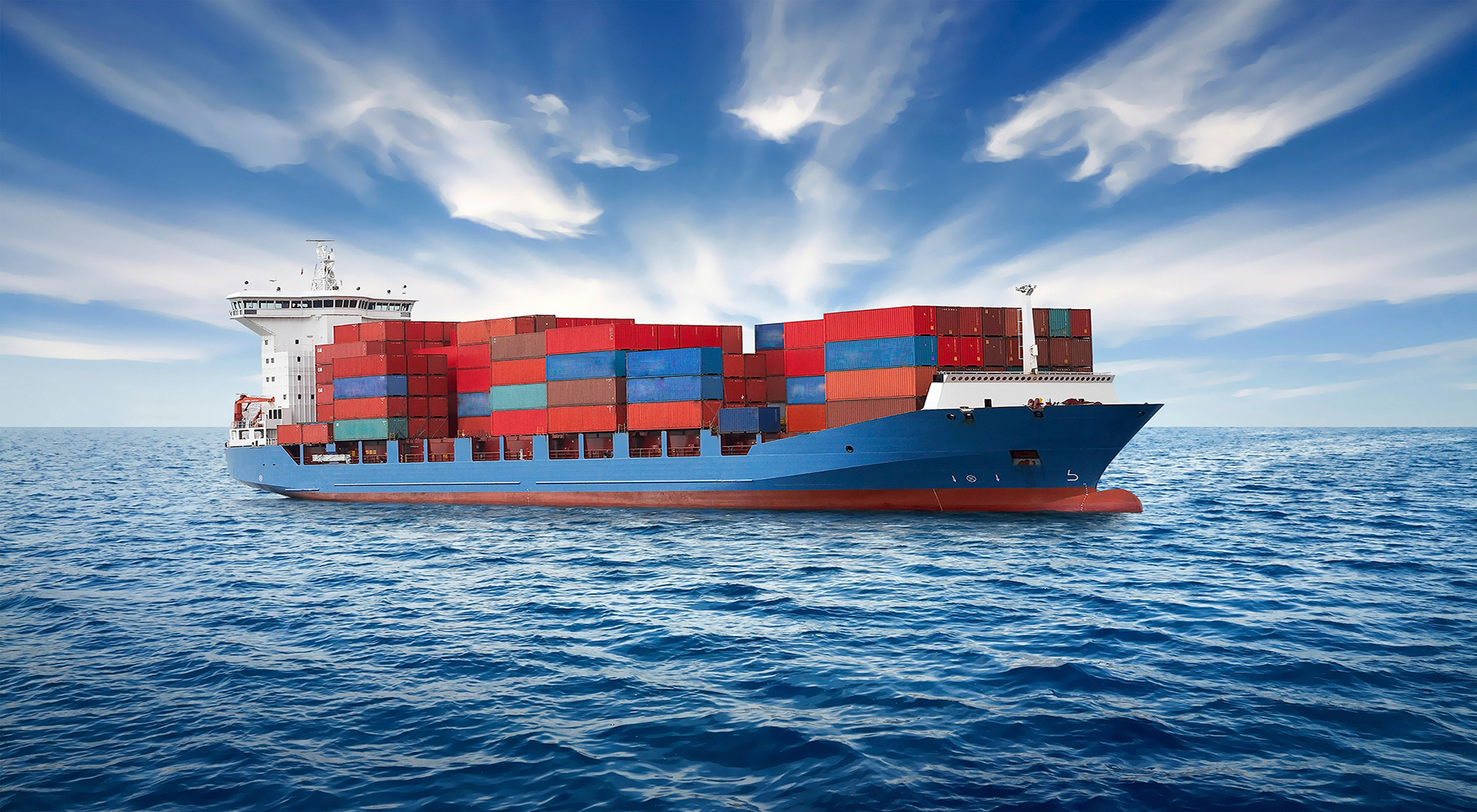
Global Supply Freight provides reliable and fully integrated logistics solutions for shipping from China to Curaçao, covering sea freight, air freight, and professionally managed door-to-door logistics services. With strong experience across China–Caribbean trade lanes and Curaçao’s role as a regional logistics hub, we help importers and distributors manage transit cargo, re-export operations, and cost-efficient routing.
From export documentation and cargo handling in China to international transportation, customs coordination, and inland delivery within Curaçao or onward regional distribution, our experienced logistics team manages every stage with precision. Whether shipping consumer goods, electronics, machinery, spare parts, or distribution cargo for re-export, Global Supply Freight delivers secure, compliant, and scalable logistics solutions tailored to Curaçao-bound supply chains.
Global Supply Freight provides reliable sea freight services from China to Curaçao via major Caribbean transshipment routes. This solution is ideal for bulk cargo, containerized goods, and non-urgent commercial shipments. Sea freight offers cost efficiency for regional distribution and hub-based logistics planning. We manage carrier selection, space booking, documentation, port handling, and coordination through Willemstad Port.

Global Supply Freight offers secure air freight services from China to Curaçao for time-sensitive shipments. This option is suitable for electronics, spare parts, samples, pharmaceuticals, and high-value goods. Air freight supports fast replenishment for regional distribution models. We arrange airline space, routing, customs coordination, and airport handling through Hato International Airport.

Global Supply Freight delivers integrated door-to-door logistics solutions from China to Curaçao under a single transport plan. This service is designed for importers seeking simplified coordination and predictable landed costs. Door-to-door logistics reduces operational complexity across international transport and local delivery. We handle pickup, export clearance, international transport, customs support, and final delivery within Curaçao.

Full Container Load (FCL) shipping is the most efficient solution for large-volume or distribution-focused cargo moving from China to Curaçao. With a dedicated container assigned to a single consignee,Global Supply Freight ensures better cargo security, reduced handling, and improved control over port operations and re-export planning.
FCL services support 20GP, 40GP, and 40HQ containers and are widely used for consumer products, electronics, wholesale inventory, machinery, and regional distribution stock shipped to Curaçao.
Less than Container Load (LCL) shipping is a cost-effective option for smaller shipments that do not require a full container. Global Supply Freight consolidates compatible cargo at origin, making LCL suitable for test shipments, mixed goods, or low-volume commercial imports.
LCL services are commonly used for spare parts, accessories, and trial inventory. Our China–Curaçao LCL solutions focus on minimizing delays at consolidation and ensuring smooth deconsolidation at destination.
Global Supply Freight will provide most fuel efficient pickup service China
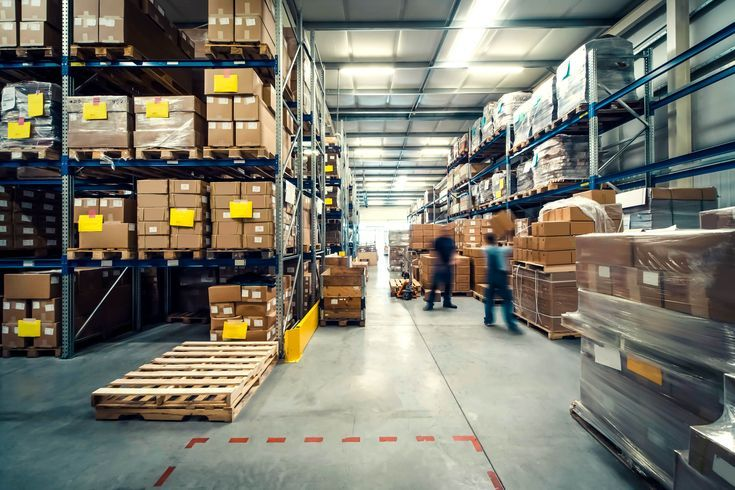
We provide free warehousing services for any of your goods.
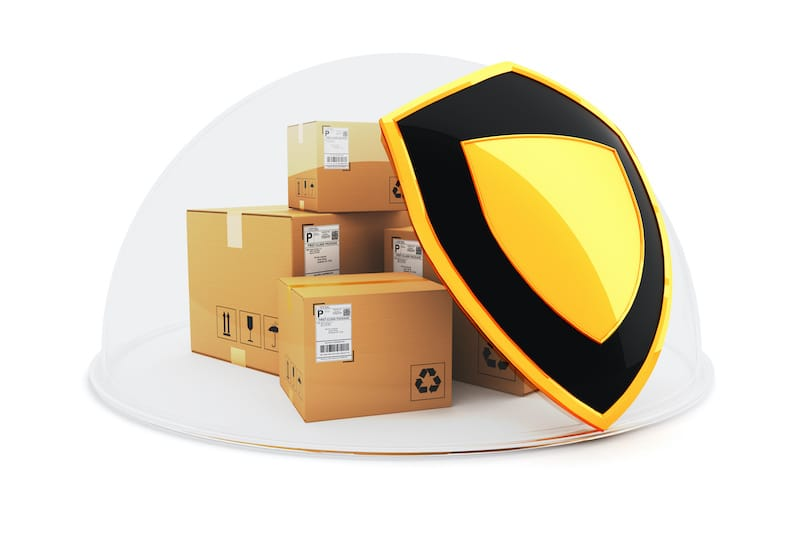
The cargo insurance protects your goods all the way to any Any FBA Warehouse
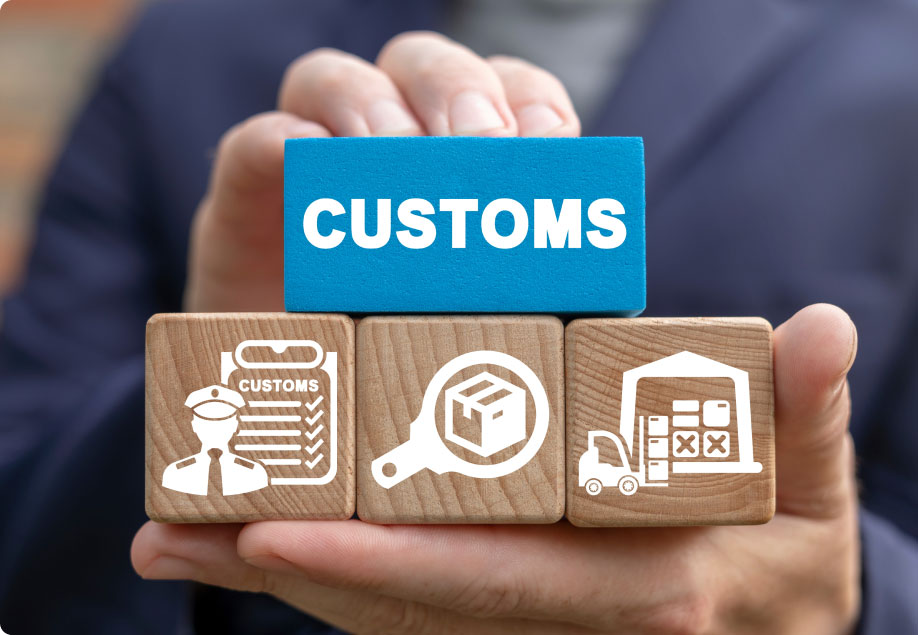
We handle all paperwork and other details for you.

Ensure safe packaging and loading of goods in your suppliers' factory.
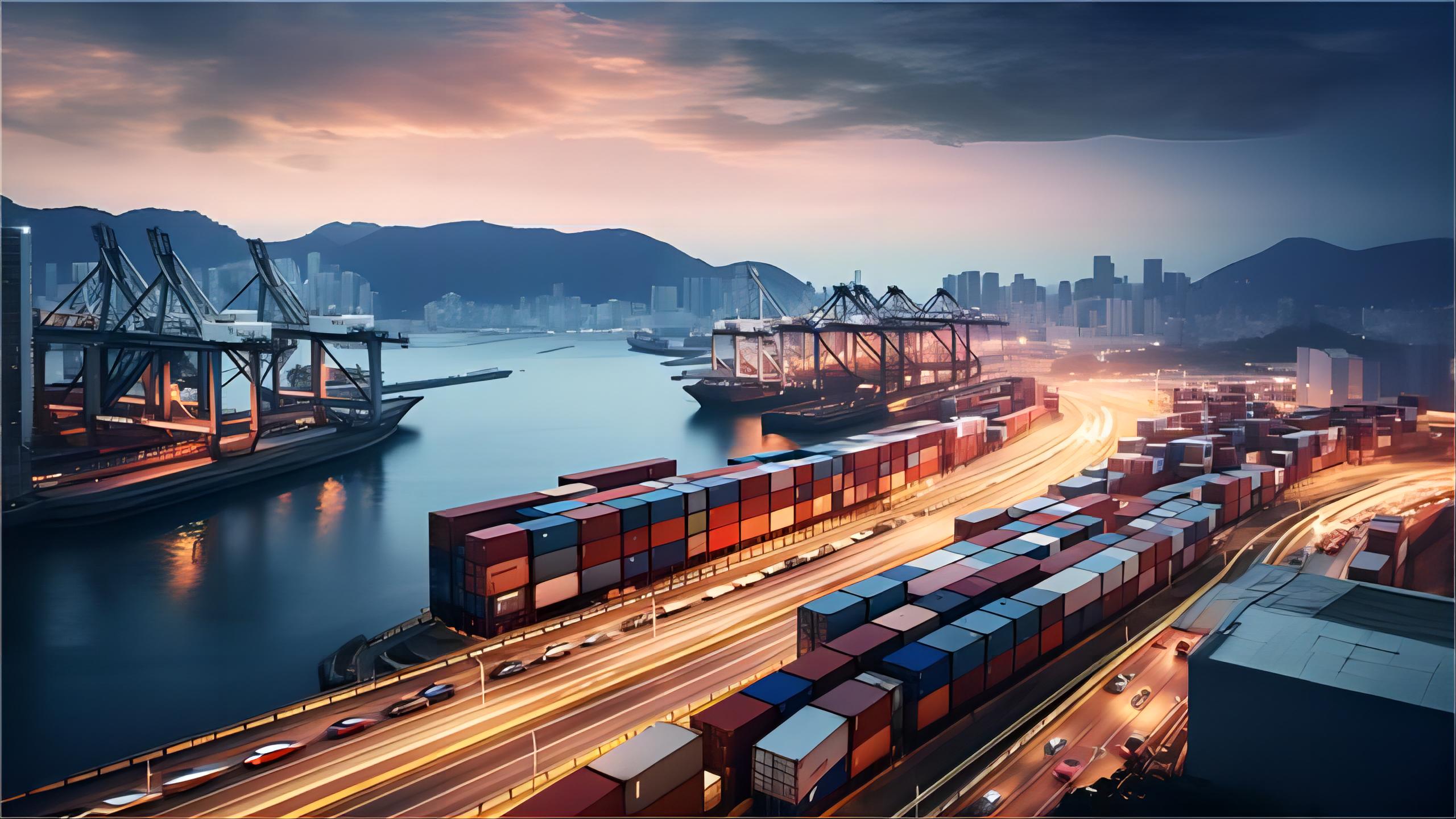
Curaçao is often used as a consolidation and redistribution hub rather than a final consumption market. Global Supply Freight helps companies centralize inventory in Curaçao and distribute onward to Aruba, Bonaire, or other nearby islands with better cost and inventory control.
The Curaçao Free Zone allows cargo to be stored, processed, or re-exported without immediately triggering full import duties. Global Supply Freight structures shipments to align with Free Zone rules, helping importers reduce tax exposure and improve cash flow.
Yes. Curaçao is well suited for cargo splitting and regional redistribution. Global Supply Freight manages partial unloading, re-export documentation, and coordination for multi-destination delivery across the Caribbean and nearby Latin American markets.
Wholesale goods, electronics, spare parts, FMCG inventory, and distribution stock benefit most. Global Supply Freight evaluates whether a hub-based model through Curaçao offers cost or operational advantages compared to direct shipping.
For hub and redistribution models, Full Container Load (FCL) is usually preferred due to better cost efficiency and flexibility. Global Supply Freight uses Less than Container Load (LCL) mainly for test shipments or limited-volume imports.
Cargo destined for local consumption follows standard import procedures, while re-export cargo may remain under bonded or Free Zone status. Global Supply Freight ensures correct classification to avoid unnecessary duties or compliance issues.
Willemstad Port is a deep-water port with strong transshipment capabilities. Global Supply Freight leverages its infrastructure and carrier connections to support stable feeder links and redistribution schedules across the region.
Risks mainly involve documentation accuracy, Free Zone compliance, and coordination timing for re-export. Global Supply Freight mitigates these risks through advance planning, cargo labeling control, and close coordination with local partners.
Yes. Global Supply Freight supports medium- and long-term storage solutions in Curaçao for clients operating regional distribution models, helping manage inventory rotation and demand fluctuations across multiple markets.
Curaçao is most suitable when serving multiple nearby markets, managing uncertain demand, or operating under a hub-and-spoke model. Global Supply Freight helps assess whether Curaçao routing delivers real operational and financial advantages.
Operations deal with how vehicles are operated, including the procedures and policies established for this purpose. In the transport industry, both operations and infrastructure ownership can be either public or private.
Operations refer to how vehicles are used, including the procedures and policies established for their operation. In the transport industry, both operations and infrastructure ownership can be managed by either the public or private sector.
Operations deal with the way vehicles are operated, as well as the procedures and policies established for this purpose. In the transport industry, both operations and infrastructure ownership can be either public or private.