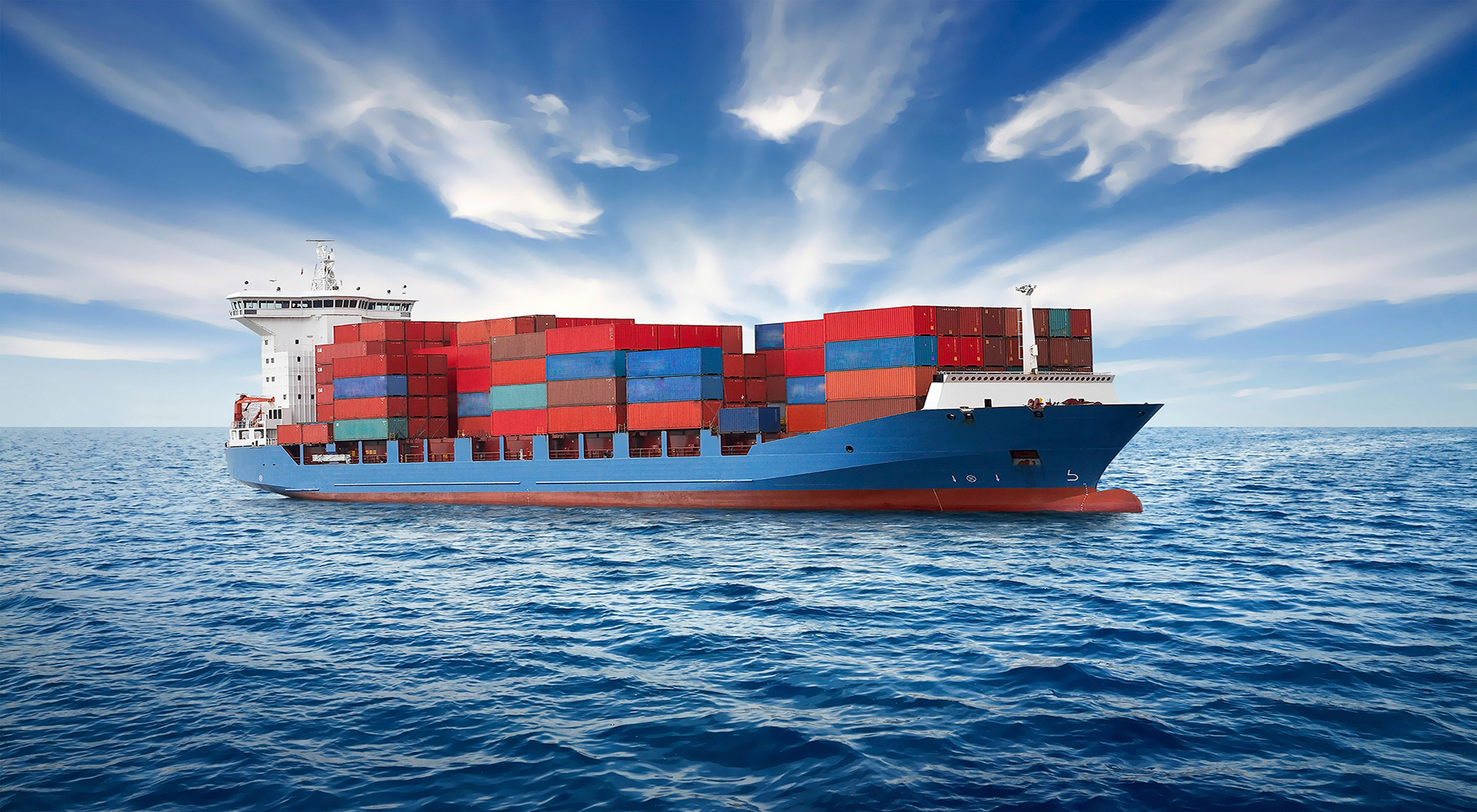
Global Supply Freight provides reliable and fully integrated logistics solutions for shipping from China to Djibouti, covering sea freight, air freight, and professionally managed door-to-door logistics services. With deep experience across China–Africa trade lanes and the Horn of Africa logistics network, we help importers and project operators manage gateway operations, regional transit, and time-sensitive cargo flows.
From export documentation and cargo handling in China to international transportation, port coordination, customs support, and inland delivery within Djibouti or onward corridors, our experienced logistics team manages every stage with precision. Whether shipping construction materials, military-adjacent supplies, energy equipment, consumer goods, or transit cargo for neighboring countries, Global Supply Freight delivers compliant and well-controlled logistics solutions tailored to Djibouti-bound shipments.
Global Supply Freight provides reliable sea freight services from China to Djibouti via major Asia–Red Sea shipping routes. This solution is ideal for containerized cargo, project equipment, and non-urgent commercial shipments. Sea freight offers cost efficiency and stable capacity for East Africa gateway imports. We manage carrier selection, space booking, documentation, port handling, and coordination through Doraleh Container Terminal.

Global Supply Freight offers secure air freight services from China to Djibouti for urgent and high-value shipments. This option is suitable for spare parts, medical supplies, electronics, samples, and time-critical cargo. Air freight supports rapid response for regional operations. We arrange airline space, routing, customs coordination, and airport handling through Djibouti–Ambouli International Airport.

Global Supply Freight provides fully integrated door-to-door logistics solutions from China to Djibouti under a single transport plan. This service is ideal for importers and project operators seeking centralized control and predictable landed costs. Door-to-door logistics simplifies coordination across ocean, air, and inland delivery. We handle pickup, export clearance, international transport, customs support, and final delivery to sites within Djibouti.

Full Container Load (FCL) shipping is strongly recommended for Djibouti due to port handling efficiency and security considerations. With a dedicated container assigned to one consignee, Global Supply Freight ensures reduced handling, clearer documentation control, and smoother port operations.
FCL services support 20GP, 40GP, and 40HQ containers and are widely used for construction materials, generators, infrastructure equipment, bulk commercial goods, and gateway cargo routed through Djibouti.
Less than Container Load (LCL) shipping is suitable for smaller or non-urgent shipments but requires careful planning due to consolidation and port workflow constraints. Global Supply Freight selectively supports LCL for compatible cargo with confirmed delivery timelines.
LCL services are commonly used for spare parts, small commercial goods, and pilot shipments. Our China–Djibouti LCL solutions focus on consolidation accuracy and minimizing dwell time at destination.
Global Supply Freight will provide most fuel efficient pickup service China

We provide free warehousing services for any of your goods.

The cargo insurance protects your goods all the way to any Any FBA Warehouse
We handle all paperwork and other details for you.

Ensure safe packaging and loading of goods in your suppliers' factory.

Djibouti sits at the entrance of the Red Sea and serves as a primary gateway for the Horn of Africa. Global Supply Freight helps importers leverage Djibouti’s strategic position for regional access and controlled cargo flows.
Doraleh Container Terminal is one of the most modern ports in Africa, offering deep-water access and high handling efficiency. Global Supply Freight prioritizes Doraleh for containerized and project cargo due to its operational reliability.
Ethiopia is landlocked and relies heavily on Djibouti for maritime access. Global Supply Freight supports Ethiopia-bound cargo by managing Djibouti entry and onward corridor coordination when required.
Djibouti hosts multiple foreign military bases, which can affect port traffic and security protocols. Global Supply Freight plans shipments with awareness of port scheduling, security zones, and operational constraints.
Yes. Full Container Load (FCL) offers better security, faster handling, and clearer documentation in Djibouti. Global Supply Freight recommends LCL only for low-risk, well-defined shipments.
Customs clearance involves document verification and potential inspections. Global Supply Freight works with experienced local agents to prepare compliant documentation and manage clearance efficiently.
Common cargo includes construction materials, machinery, energy equipment, consumer goods, military-adjacent supplies, and transit cargo for neighboring countries. Global Supply Freight evaluates cargo profiles to select suitable transport modes.
Yes. Djibouti is frequently used as a transit hub for East Africa. Global Supply Freight supports bonded handling and transit planning for onward regional delivery when required.
Port congestion can occur during peak periods. Global Supply Freight mitigates delays through advance booking, document pre-checks, and close coordination with terminal operators.
Global Supply Freight combines strong China-origin operations with deep Horn of Africa logistics expertise, delivering gateway-focused planning, compliance-aware execution, and reliable coordination for Djibouti-bound shipments.
Operations deal with how vehicles are operated, including the procedures and policies established for this purpose. In the transport industry, operations and infrastructure ownership can be either publicly or privately managed.
Operations deal with how vehicles are operated, including the procedures and policies established for this purpose. In the transport industry, both operations and infrastructure ownership can be either public or private.
Operations refer to how vehicles are used, including the procedures and policies established for their operation. In the transport industry, both operations and infrastructure ownership can be managed by either the public or private sector.