Global Supply Freight provides controlled and risk-aware logistics solutions for shipping from China to Eritrea, covering sea freight, air freight, and professionally managed door-to-door logistics services. With hands-on experience in restricted and low-frequency African markets, we help importers navigate limited routing options, strict consignee controls, and high sensitivity to documentation accuracy.
From export documentation and cargo handling in China to international transportation, customs coordination, and inland delivery within Eritrea, our logistics team manages each step with operational discipline. Whether shipping construction materials, machinery, consumer goods, spare parts, or government-linked cargo, Global Supply Freight delivers compliant, tightly managed logistics solutions tailored specifically to Eritrea-bound shipments.
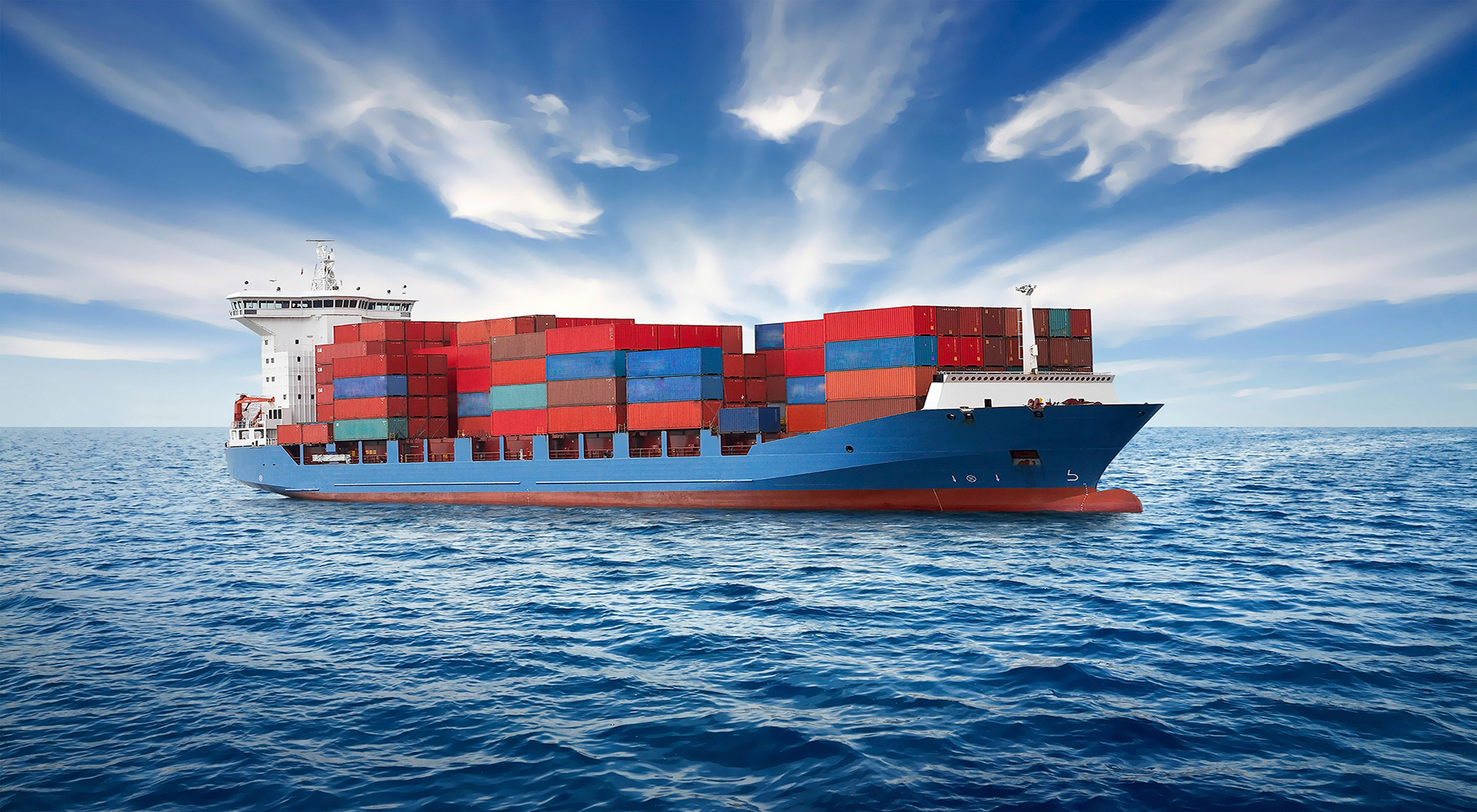
Global Supply Freight provides structured sea freight services from China to Eritrea via Red Sea shipping routes. This option is mainly used for heavy cargo, construction materials, machinery, and non-urgent shipments. Sea freight is the most realistic solution given Eritrea’s limited vessel calls. We manage carrier selection, space control, documentation, and destination handling through Massawa Port.

Global Supply Freight offers controlled air freight services from China to Eritrea for urgent or high-value cargo. This option is typically used for spare parts, technical equipment, samples, and time-critical supplies where delays would halt operations. We coordinate airline routing, approvals, customs support, and handling through Asmara International Airport.

Global Supply Freight delivers fully integrated door-to-door logistics solutions from China to Eritrea under a single transport plan. This service is designed for importers operating in a restricted logistics environment with limited local infrastructure. We handle pickup, export clearance, international transport, customs coordination, and final delivery to approved locations within Eritrea.

For shipments to Eritrea, Full Container Load (FCL) is often selected because it offers clearer cargo responsibility and smoother coordination during port and customs handling.
In practice, FCL works well in Eritrea because:
Cargo ownership is clearly defined under one consignee
Documentation is reviewed and handled as a single shipment
Inspection and clearance procedures are easier to coordinate
FCL is commonly used for machinery, construction materials, equipment, consumer goods in volume, and shipments linked to approved companies or institutions.
For importers who value schedule predictability and straightforward clearance, FCL provides a more stable and manageable shipping structure in the Eritrean market.
Global Supply Freight helps clients plan container size, routing, and documentation preparation in advance to keep FCL shipments moving smoothly from origin to destination.
Less than Container Load (LCL) shipping can be used for Eritrea when shipment size is limited and delivery timelines are flexible, but it requires more careful preparation than in high-frequency markets.
Because LCL cargo shares a container with other shipments:
Clearance timing depends on consolidated documentation
Deconsolidation can take longer at destination
Delivery schedules are less predictable than FCL
LCL is typically suitable for spare parts, samples, or small commercial shipments with low urgency.
Global Supply Freight evaluates LCL requests individually and confirms consignee details and documentation readiness before proceeding, ensuring clients understand both the cost benefit and the operational trade-offs.
Global Supply Freight will provide most fuel efficient pickup service China

We provide free warehousing services for any of your goods.

The cargo insurance protects your goods all the way to any Any FBA Warehouse
We handle all paperwork and other details for you.

Ensure safe packaging and loading of goods in your suppliers' factory.

Yes. Shipping to Eritrea is feasible when shipments are properly planned and documentation is prepared in advance. While the market operates with fewer sailings than major African hubs, Global Supply Freight helps importers align shipping schedules with actual port operations and clearance practices.
Most sea freight imports arrive through Massawa Port.
This port handles containerized and general cargo and serves as the main maritime gateway for the country. Global Supply Freight plans shipments around Massawa’s operational capacity and available vessel schedules rather than relying on theoretical transit times.
Yes. Importers and consignees must be properly registered and approved according to local regulations.
Global Supply Freight confirms consignee details early in the shipping process to avoid documentation issues and ensure smooth coordination with local customs authorities.
Air freight is mainly used for urgent or time-sensitive cargo such as spare parts, tools, samples, or technical equipment.
For bulk or cost-sensitive shipments, sea freight remains the preferred option. Global Supply Freight helps clients decide when air freight provides real operational value.
Clearance time depends on cargo type, document accuracy, and consignee status.
Shipments with complete and consistent documentation generally move more smoothly. Global Supply Freight prepares documents with local clearance practices in mind to reduce avoidable delays.
Yes. Inland delivery can be arranged once cargo is cleared, subject to destination access and local transport conditions.
Global Supply Freight coordinates delivery planning in advance to ensure suitable vehicles and realistic scheduling.
Common imports include construction materials, machinery, household goods, equipment, consumer products, and spare parts.
Global Supply Freight tailors shipping methods and packaging recommendations based on how these goods are typically handled locally.
Most delays are related to documentation inconsistencies, incomplete consignee information, or schedule changes due to limited vessel frequency.
Global Supply Freight reduces these risks through advance checks and proactive coordination before shipment departure.
For first-time shipments, FCL is often preferred because it simplifies handling and clearance.
LCL can be considered for smaller trial shipments, provided timelines are flexible and documentation is fully confirmed in advance.
Global Supply Freight combines strong China-origin operations with practical experience in African and Red Sea trade lanes, providing clear planning, realistic scheduling, and reliable coordination for Eritrea-bound shipments.
Operations refer to how vehicles are used, including the procedures and policies established for their operation. In the transport industry, both operations and infrastructure ownership can be managed by either the public or private sector.
Operations deal with how vehicles are operated, including the procedures and policies established for this purpose. In the transport industry, both operations and infrastructure ownership can be either public or private.
Operations deal with how vehicles are operated, including the procedures and policies established for this purpose. In the transport industry, operations and infrastructure ownership can be either publicly or privately managed.