Global Supply Freight provides reliable, compliant, and cost-effective shipping solutions from China to Estonia, supporting importers, manufacturers, distributors, and trading companies across a wide range of industries. With solid experience in China–Europe trade lanes and strong operational knowledge of Baltic logistics networks, we design transport plans that balance transit time, cost efficiency, and regulatory accuracy.
From supplier pickup in China to final delivery throughout Estonia, Global Supply Freight manages the entire logistics process with professional coordination. Our team oversees transportation planning, export and import customs clearance, and inland distribution, ensuring your cargo moves smoothly at every stage. Whether you are shipping commercial goods, industrial equipment, or consolidated cargo, we deliver stable and hassle-free China-to-Estonia logistics solutions tailored to your shipment profile.
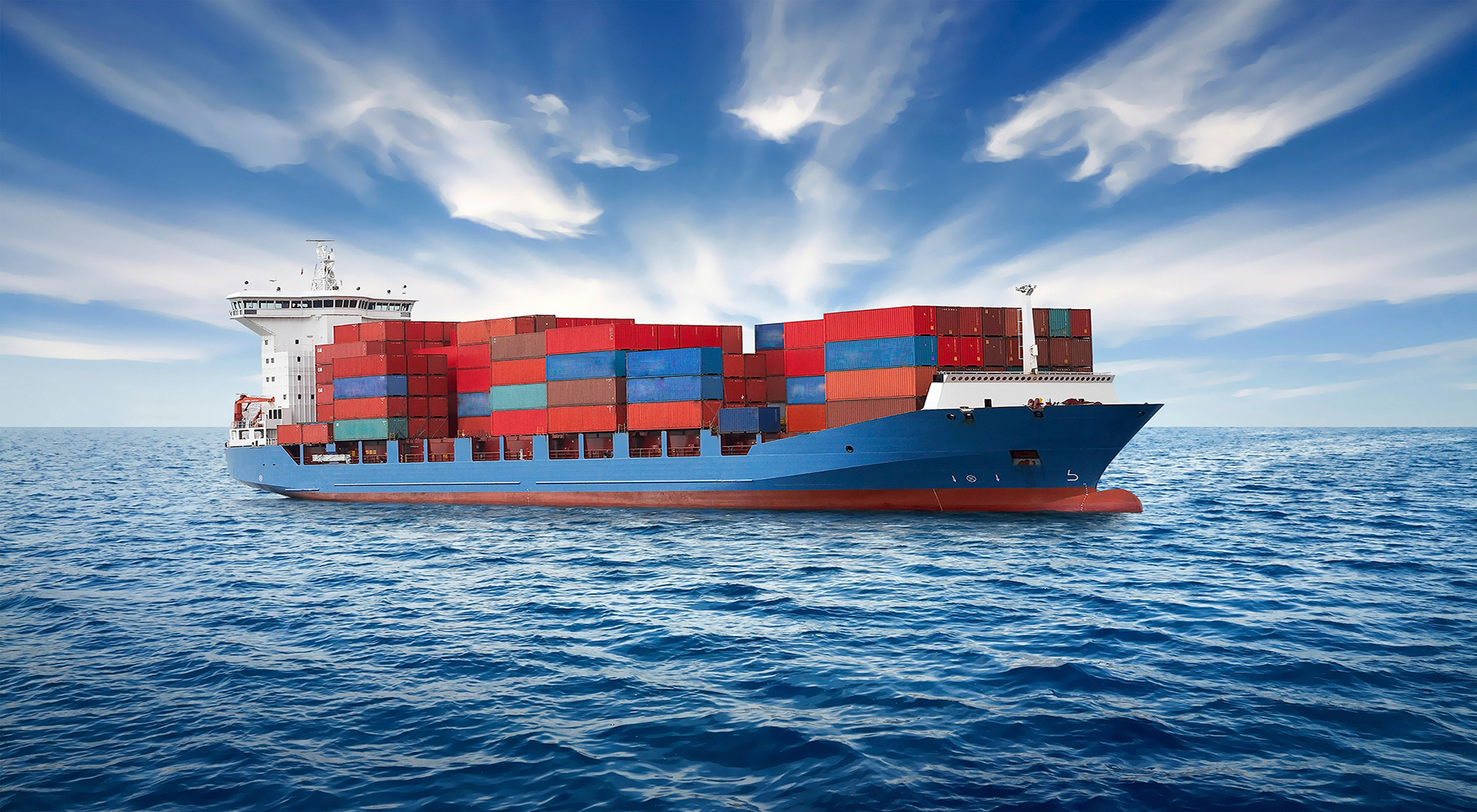
Global Supply Freight provides stable and cost-efficient sea freight services from China to Estonia, designed for both high-volume shipments and long-term supply chain planning. We operate from major Chinese ports and connect through established European transshipment hubs, ensuring reliable sailing schedules and controlled transit flows into the Baltic region. Our sea freight solutions cover containerized cargo, project shipments, and consolidated goods, with close coordination across booking, port handling, and onward inland transport. By carefully selecting carriers and routing options, Global China Forwarder helps importers balance freight cost, transit time, and cargo security for Estonia-bound shipments.
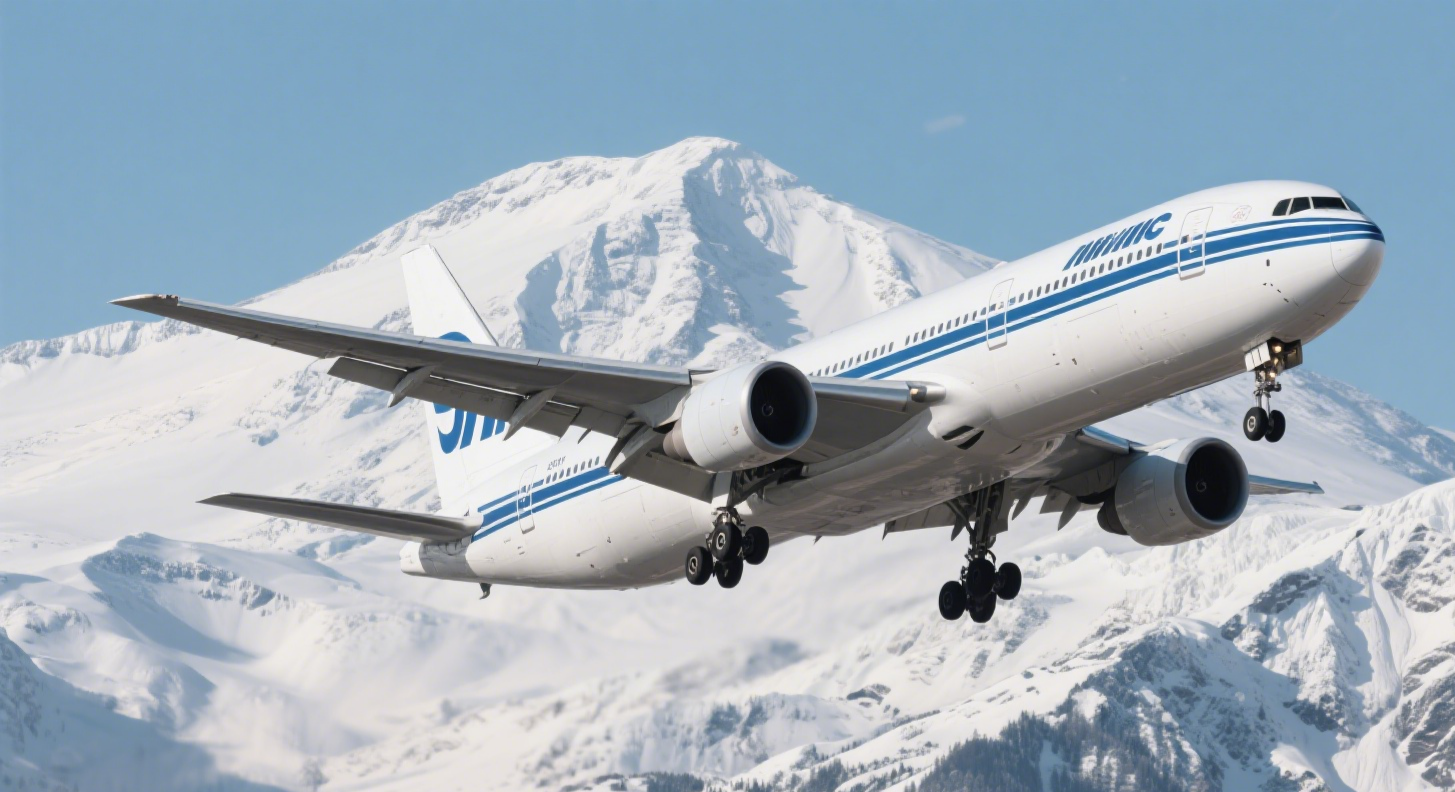
Global Supply Freight offers flexible air freight solutions for shipments requiring speed, predictability, and tighter delivery control. We support exports from major Chinese airports to Estonia via key European air gateways, enabling efficient customs processing and rapid onward distribution.
Our air freight services are suitable for urgent commercial cargo, high-value products, and shipments with strict delivery deadlines. From flight planning and documentation to destination handling and customs coordination, Global China Forwarder ensures your cargo moves quickly while maintaining compliance and cost transparency.
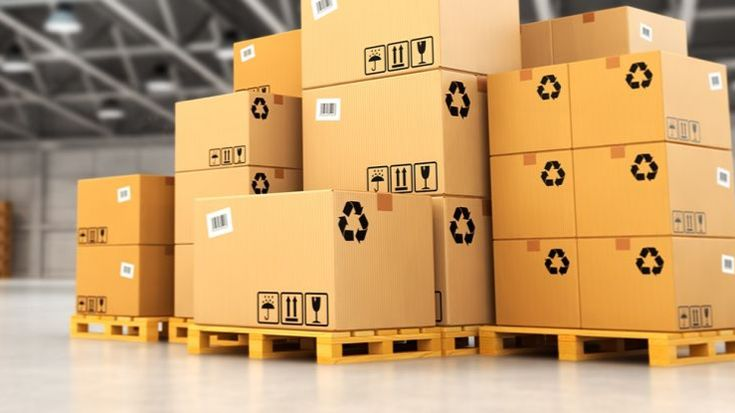
Global Supply Freight’s door-to-door shipping service provides a fully managed logistics solution from supplier pickup in China to final delivery across Estonia. This service integrates international transport, customs clearance, and inland distribution into a single, coordinated process.
By acting as the central logistics coordinator, we reduce communication gaps, minimize operational risk, and simplify cost management for importers. Door-to-door shipping is ideal for businesses seeking a streamlined logistics experience, predictable delivery timelines, and professional oversight at every stage of the China-to-Estonia supply chain.

Full Container Load shipping with Global Supply Freight is designed for shippers moving larger volumes or requiring exclusive container use. We provide professional FCL solutions using standard and special container types, ensuring efficient space utilization, cargo security, and schedule reliability.
Our team handles container booking, export documentation, port operations, and import clearance in Estonia with close attention to detail. Full Container Load shipping is well suited for machinery, furniture, construction materials, and bulk commercial goods where direct handling and reduced consolidation risk are critical.
Less than Container Load shipping is an effective option for shipments that do not fill an entire container. Global Supply Freight consolidates compatible cargo professionally, allowing customers to reduce freight costs while maintaining controlled handling and compliance standards.
We manage consolidation planning, packing supervision, cargo labeling, and documentation accuracy to support smooth customs clearance and reliable delivery in Estonia. Less than Container Load shipping is particularly suitable for small and medium-sized importers, trial orders, and multi-SKU shipments.
Global Supply Freight will provide most fuel efficient pickup service China
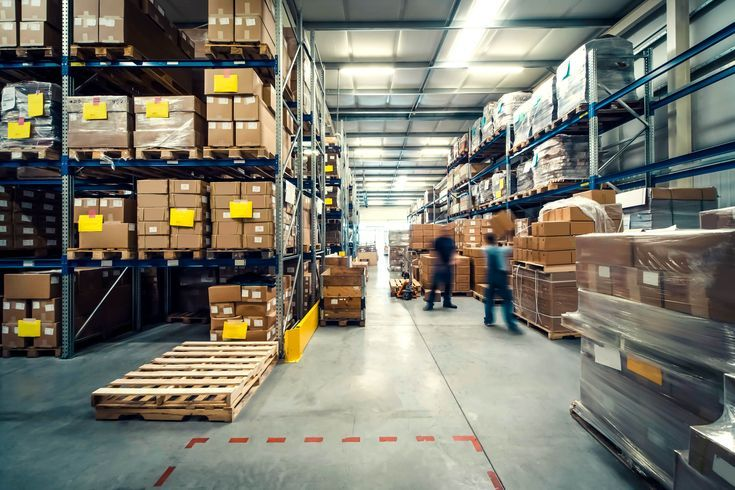
We provide free warehousing services for any of your goods.
The cargo insurance protects your goods all the way to any Any FBA Warehouse
We handle all paperwork and other details for you.

Ensure safe packaging and loading of goods in your suppliers' factory.
Shipping times from China to Estonia depend on factors such as the mode of transportation (air or sea), the specific ports used, and any customs procedures. Air freight is quicker but more expensive, typically taking 7 to 14 days. Sea freight is more cost-effective but slower, often requiring 30 to 45 days. Additionally, the efficiency of handling at each port and any delays in customs can impact delivery times.
Air freight is faster but significantly more costly compared to sea freight. It usually takes 7 to 14 days to ship goods by air, offering rapid delivery. Conversely, sea freight, which takes around 30 to 45 days, is more economical, making it a preferred choice for bulk shipments where time is less critical. The choice between air and sea freight depends on urgency and budget constraints.
Shipping goods from China to Estonia requires several key documents, including a commercial invoice, packing list, bill of lading, and customs declaration. For certain items, additional documents such as certificates of origin or health certificates may be necessary. Ensuring all paperwork is accurate and complete helps avoid delays during customs processing and facilitates smooth transit.
Customs duties and taxes for importing goods from China to Estonia are determined by the Harmonized System (HS) code of the products. Estonia follows EU regulations for import duties, which include VAT and any applicable tariffs. It’s crucial to check the specific HS code and relevant EU tariffs to estimate the total cost of importing goods and ensure compliance with local regulations.
Businesses can track shipments from China to Estonia using tracking services provided by freight forwarders and carriers. Most logistics companies offer online tracking tools that provide real-time updates on the shipment’s status, including its location and estimated delivery time. This helps businesses monitor progress and address any issues promptly during transit.
Common challenges in shipping from China to Estonia include delays in customs clearance, potential damage to goods during transit, and varying shipping times based on the chosen method. Additionally, language barriers and differences in regulatory requirements can pose difficulties. Proper planning, accurate documentation, and selecting reliable shipping partners can help mitigate these issues.
Using a freight forwarder offers several advantages, including expertise in navigating customs regulations, optimized routing for faster delivery, and handling of all logistical details. Freight forwarders can also negotiate better rates and provide tracking services, ensuring efficient and cost-effective shipping solutions tailored to specific business needs.
Seasonal factors can significantly impact shipping times. For example, peak seasons such as holidays or major trade fairs can lead to increased shipping volumes and potential delays. Weather conditions, like winter storms, can also affect transit times. Planning shipments outside peak periods and considering seasonal weather can help mitigate these delays.
Proper packaging is crucial for protecting goods during transit from China to Estonia. It helps prevent damage from handling, environmental conditions, and other transit-related factors. Using the right materials and techniques ensures that goods arrive in good condition, reducing the risk of loss or damage and potentially lowering insurance costs.
When selecting a shipping method, businesses should consider factors such as delivery speed, cost, and the nature of the goods being shipped. Air freight is faster but more expensive, suitable for urgent deliveries. Sea freight is more cost-effective for large or non-urgent shipments. Additionally, the choice of shipping method should align with the overall logistics strategy and budget.
Operations deal with how vehicles are operated, including the procedures and policies established for this purpose. In the transport industry, both operations and infrastructure ownership can be either public or private.
Operations refer to how vehicles are used, including the procedures and policies established for their operation. In the transport industry, both operations and infrastructure ownership can be managed by either the public or private sector.
Operations deal with the way vehicles are operated, as well as the procedures and policies established for this purpose. In the transport industry, both operations and infrastructure ownership can be either public or private.