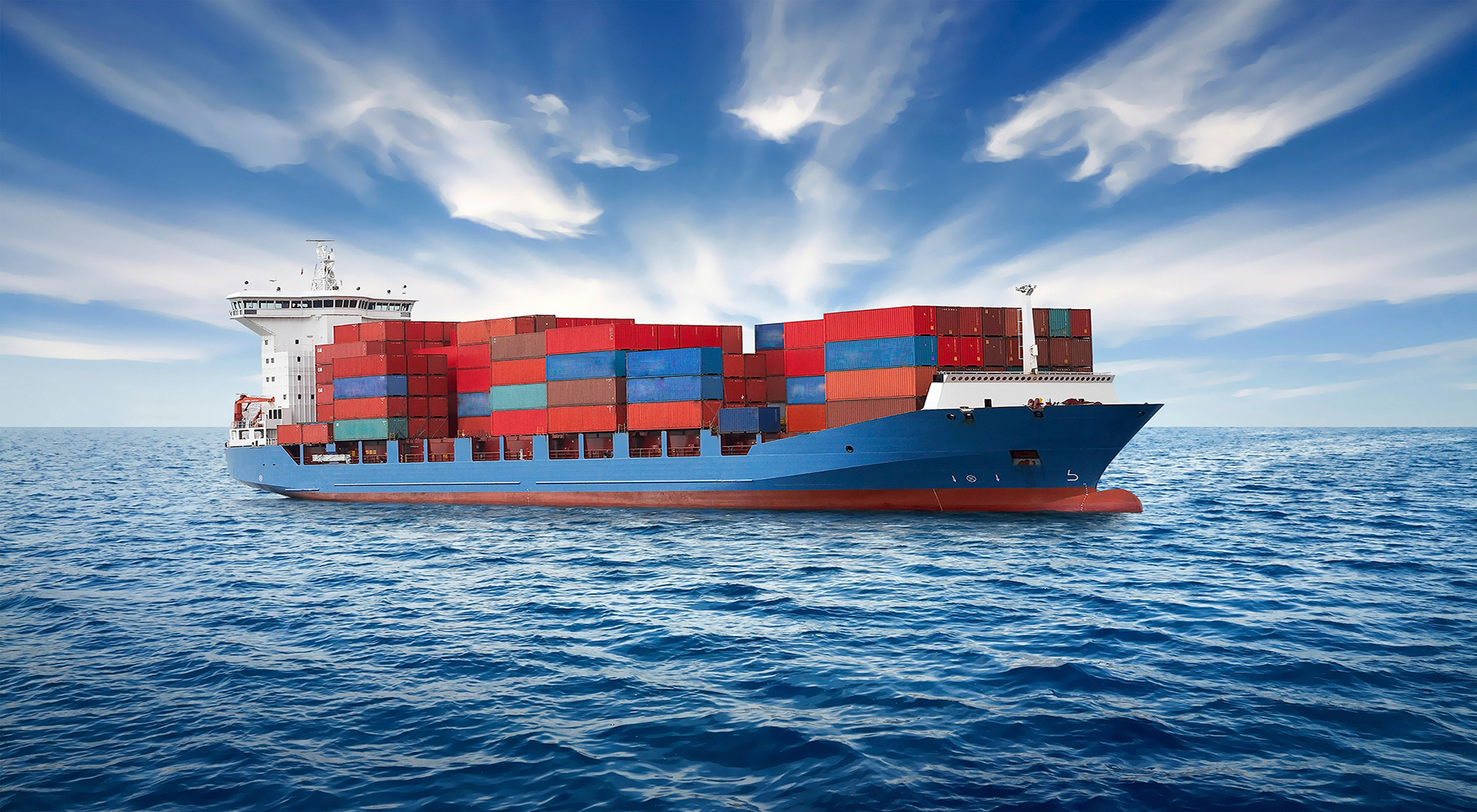
Global Supply Freight provides reliable and fully integrated logistics solutions for shipping from China to India, supporting importers, manufacturers, distributors, traders, and project buyers across South Asia. With strong China-origin operations and extensive experience handling high-volume Asia trade lanes, we help customers achieve stable transit schedules, optimized freight costs, and transparent shipment coordination across every stage of international logistics.
From export documentation and cargo handling in China to international transportation, customs clearance, and final delivery throughout India, our professional logistics team manages each shipment with precision. Whether shipping machinery, industrial equipment, electronics, textiles, automotive parts, chemicals, or general commercial cargo, Global Supply Freight delivers secure, efficient, and well-organized China–India logistics solutions tailored to your supply chain requirements.
Global Supply Freight offers dependable sea freight services from major Chinese ports to India’s key maritime gateways, including Nhava Sheva (JNPT), Mumbai, Chennai, Mundra, and Kolkata. Through stable carrier partnerships and optimized Asia–India sailing schedules, we ensure predictable transit times and cost-efficient ocean freight solutions for India-bound cargo. Our sea freight service supports full container loads, consolidated shipments, and project cargo, with professional handling for heavy, oversized, or special-category goods. From container booking and export clearance in China to arrival coordination and port operations in India, we maintain full shipment visibility and operational control throughout the sea freight journey.
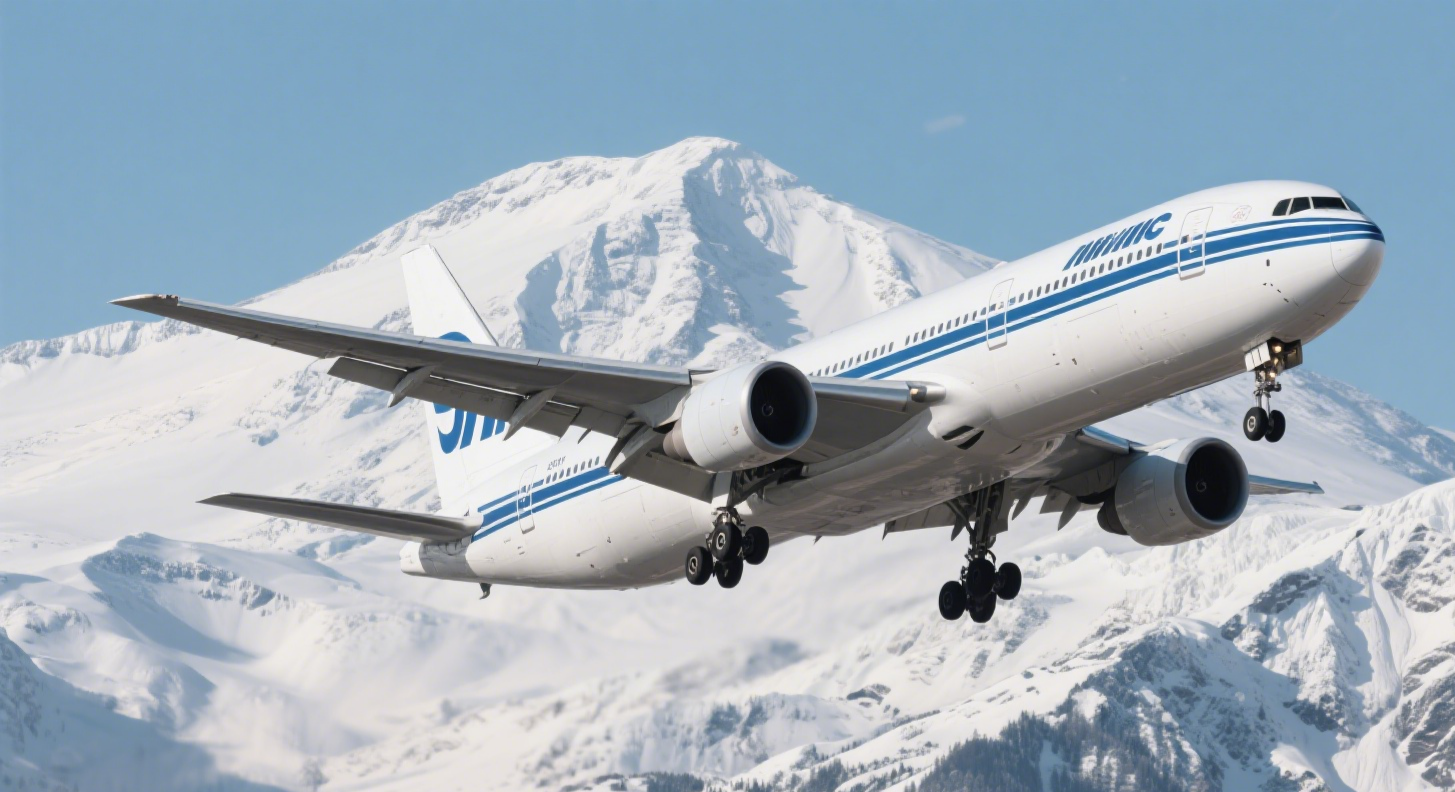
For urgent or high-value shipments, Global Supply Freight provides air freight solutions from major Chinese airports to India, with primary arrivals at Mumbai, Delhi, Bangalore, and Chennai international airports. Our air freight planning prioritizes speed, reliability, and flexible routing to support time-sensitive supply chains.
We manage airline booking, export documentation, cargo security, and destination handling to ensure smooth and timely delivery. Air freight is ideal for electronics, medical supplies, urgent spare parts, samples, pharmaceuticals, and high-value commercial goods requiring fast transit into India.
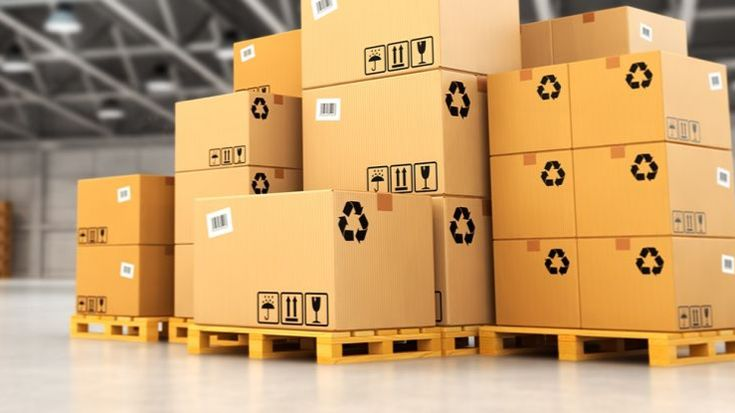
Global Supply Freight delivers professionally managed door-to-door logistics services from China to India, covering origin pickup, international transport, customs clearance, and final inland delivery. This end-to-end solution simplifies cross-border logistics and reduces operational complexity for importers and manufacturers.
Our door-to-door service integrates sea or air freight with documentation management, Indian customs procedures, and local delivery coordination across major industrial and commercial hubs. It is especially suitable for customers seeking a single logistics partner to manage the entire China–India supply chain with clear accountability and predictable execution.

Full Container Load shipping with Global Supply Freight is ideal for large-volume cargo requiring exclusive container use. We provide 20-foot and 40-foot containers loaded directly at origin, reducing cargo handling and minimizing transit risks on busy Asia trade routes.
Our FCL service includes container booking, professional loading supervision, export documentation, and coordinated delivery through Indian ports or inland destinations. This option is well suited for industrial equipment, construction materials, bulk commodities, and project cargo where cargo security, efficiency, and cost control per unit are critical.
Less than Container Load shipping with Global Supply Freight offers a flexible and cost-effective solution for smaller shipments that do not require a full container. We consolidate cargo from multiple shippers in China, ensuring efficient space utilization and controlled handling throughout the logistics chain.
Our LCL service covers cargo consolidation, labeling, export clearance, international transport, deconsolidation, and destination coordination across India. It is ideal for small and medium-sized importers shipping electronics, textiles, retail goods, spare parts, or mixed commercial cargo while maintaining budget efficiency and reliable delivery performance.
Global Supply Freight will provide most fuel efficient pickup service China
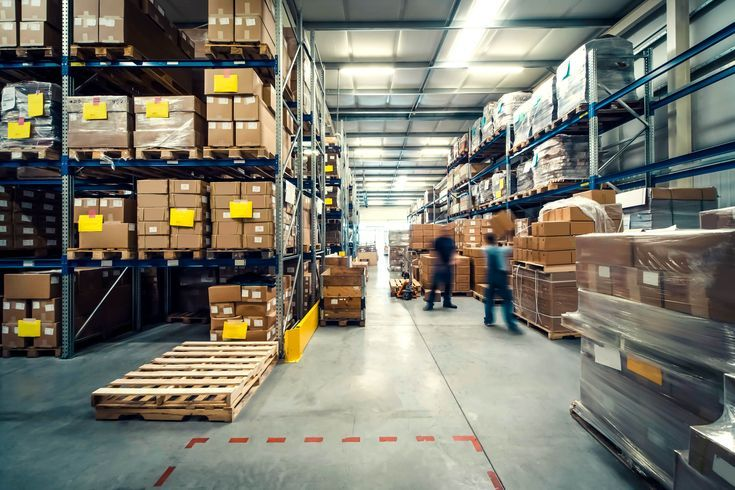
We provide free warehousing services for any of your goods.
The cargo insurance protects your goods all the way to any Any FBA Warehouse
We handle all paperwork and other details for you.

Ensure safe packaging and loading of goods in your suppliers' factory.

Shipping time is influenced by the mode of transport (air or sea), route, weather conditions, port congestion, and customs clearance. Air freight is faster but more expensive, typically taking 5 to 7 days. Sea freight is slower, ranging from 15 to 30 days, and can be affected by delays at ports and during transit.
Most freight forwarders provide tracking services through online portals or apps. You can track your shipment using a tracking number provided by your forwarder or carrier. Real-time tracking helps monitor progress and address any issues promptly, ensuring timely delivery.
Air freight is generally more expensive than sea freight. Air shipping costs more due to its faster transit time, typically ranging from 5 to 7 days, compared to sea freight, which can take 15 to 30 days. Costs also vary based on the weight and volume of the shipment.
Shipments from China to India must comply with Indian customs regulations, including proper documentation such as commercial invoices, packing lists, and certificates of origin. Import duties, taxes, and restrictions on certain goods may apply, so it’s essential to understand these requirements to avoid delays.
Port congestion can delay the unloading and processing of shipments, impacting the overall delivery time. Delays at major ports in both China and India can add days to the shipping schedule. Working with an experienced freight forwarder can help manage these risks and provide more accurate delivery estimates.
Freight forwarders streamline the shipping process by managing logistics, customs documentation, and transportation. They offer expertise in route planning, cost-saving options, and handling any issues that arise during transit, ensuring a smoother and more efficient shipping experience.
Essential shipping documents include a commercial invoice, packing list, bill of lading, and any required certificates such as a certificate of origin or conformity. Accurate and complete documentation helps facilitate customs clearance and prevents delays or additional charges.
Adverse weather conditions, such as storms or heavy rains, can delay both air and sea freight. Weather-related disruptions can lead to longer transit times and potential delays at ports or airports. Freight forwarders often monitor weather forecasts to anticipate and manage these impacts.
Proper packaging is crucial for protecting goods during transit. Use strong, durable materials, and ensure fragile items are well-padded. Clearly label packages with handling instructions and use secure containers to prevent damage or loss during shipping.
To expedite shipping, consider using express air freight services, which offer faster transit times than standard air or sea freight. Additionally, ensure all documentation is complete and accurate to avoid customs delays. Communicate with your freight forwarder to select the fastest available options.
Operations deal with how vehicles are operated, including the procedures and policies established for this purpose. In the transport industry, operations and infrastructure ownership can be either publicly or privately managed.
Operations refer to how vehicles are used, including the procedures and policies established for their operation. In the transport industry, both operations and infrastructure ownership can be managed by either the public or private sector.
Operations deal with how vehicles are operated, including the procedures and policies established for this purpose. In the transport industry, both operations and infrastructure ownership can be either public or private.