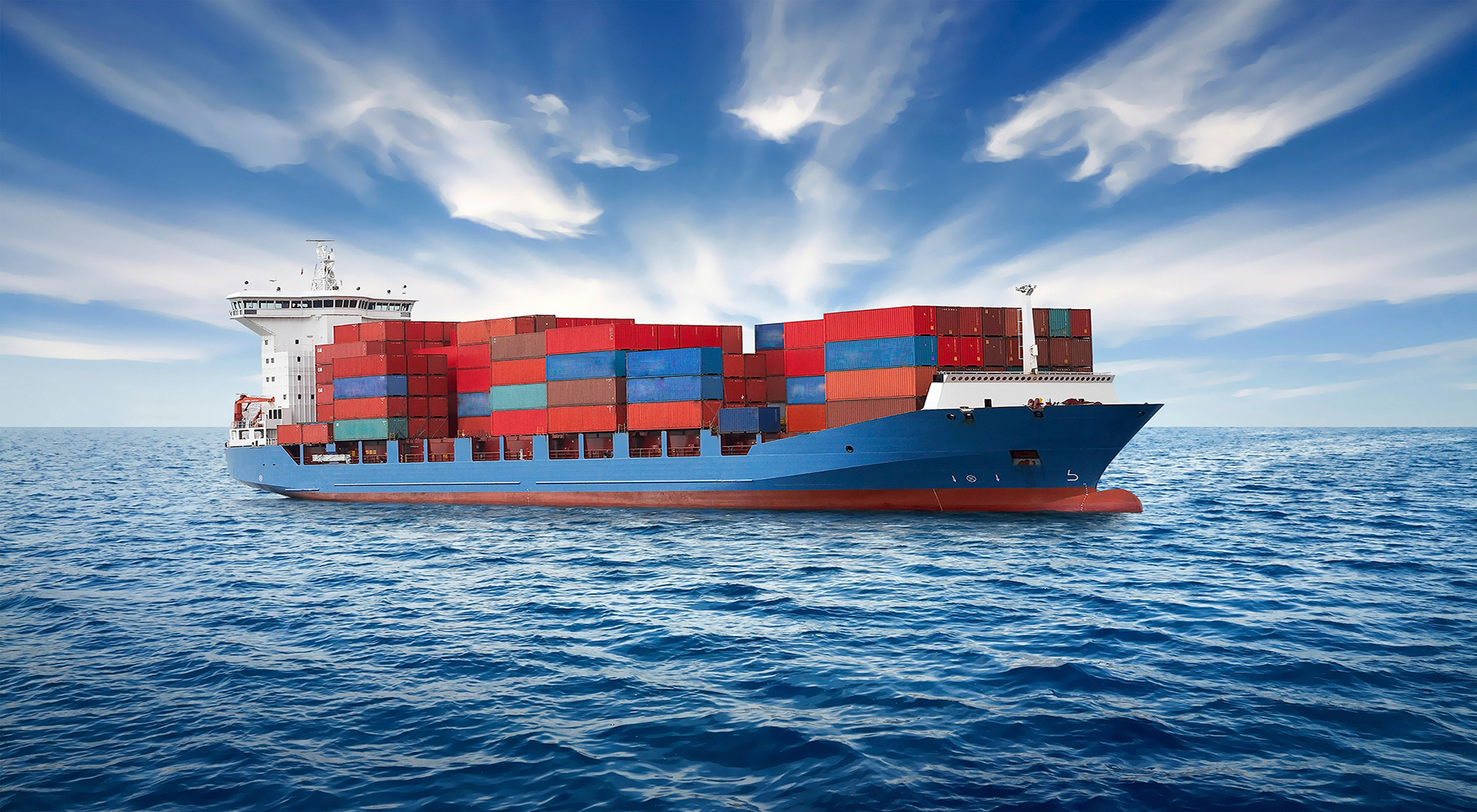
Global Supply Freight provides reliable and fully integrated logistics solutions for shipping from China to Macedonia (North Macedonia), covering sea freight, air freight, and professionally managed door-to-door services. With solid experience on China–Europe trade lanes and Balkan-region destination coordination, we help importers maintain predictable transit schedules, optimize freight costs, and achieve full shipment visibility across every logistics stage.
From export documentation and cargo handling in China to customs coordination and inland distribution across North Macedonia, our experienced operations team manages each step with precision. Whether shipping machinery, construction materials, electronics, automotive parts, consumer goods, or project cargo, Global Supply Freight delivers secure, compliant, and carefully coordinated logistics solutions tailored specifically to Macedonia-bound shipments.
Our sea freight service from China to Macedonia is a cost-efficient solution for large-volume and time-flexible cargo. Global Supply Freight manages ocean shipments to major European gateways such as Piraeus, Thessaloniki, or Koper, followed by coordinated inland trucking into North Macedonia. We handle vessel selection, container loading, export documentation, customs coordination, and cross-border delivery, making sea freight ideal for machinery, construction materials, and bulk commercial goods.

For urgent or high-value shipments, our China–Macedonia air freight service delivers fast transit with strict operational control. We coordinate airline capacity, cargo security screening, export paperwork, and destination clearance support, followed by inland delivery. This option is well suited for electronics, medical supplies, spare parts, samples, and other time-critical commercial cargo.

Our door-to-door service provides a fully managed logistics solution from supplier pickup in China to final delivery anywhere in North Macedonia. Global Supply Freight integrates international sea or air transport, customs coordination, cross-border trucking, and local inland delivery under one unified plan. This approach reduces handovers, simplifies communication, and ensures predictable delivery timelines with a single point of responsibility.

Full Container Load shipping from China to Macedonia is the optimal solution for large-volume or dedicated cargo. Global Supply Freight arranges exclusive container usage, professional loading supervision, secure sealing, and continuous shipment tracking throughout the sea–land or air–land multimodal journey. FCL shipping minimizes cargo handling risks, improves schedule reliability, and enables better cost control for manufacturers, distributors, and project owners shipping machinery, industrial equipment, or full production orders.
Less than Container Load shipping provides a flexible and cost-effective option for smaller consignments moving from China to Macedonia. Global Supply Freight manages origin consolidation, accurate cargo segregation, compliant export documentation, and destination deconsolidation at European hub ports before inland delivery. This service allows importers to reduce freight costs while maintaining professional handling standards, shipment visibility, and coordinated final delivery.
Global Supply Freight will provide most fuel efficient pickup service China
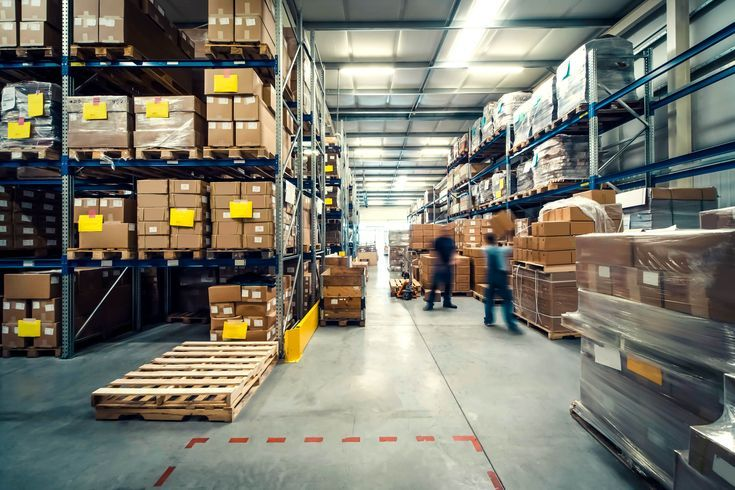
We provide free warehousing services for any of your goods.

The cargo insurance protects your goods all the way to any Any FBA Warehouse

We handle all paperwork and other details for you.

Ensure safe packaging and loading of goods in your suppliers' factory.

Choosing a freight forwarder requires evaluating their safety records, reliability, and customer reviews. Ensure they comply with international and local regulations and offer comprehensive tracking services. Investigate their insurance options and risk management practices. Additionally, consider their communication and transparency, ensuring they provide clear instructions and updates throughout the shipping process.
Proper packaging protects goods from damage during transit. Using durable containers for heavy items and sufficient padding for fragile goods prevents breakage. Secure packaging minimizes movement within the container, reducing the risk of damage. Additionally, appropriate labeling ensures handlers are aware of any special requirements, such as fragile or hazardous materials.
Insurance protects against potential losses, theft, or damage during transit. It provides financial security, covering the value of the goods in case of unexpected incidents. Reviewing policy details ensures adequate coverage, and additional insurance may be necessary for high-value or sensitive items. This precautionary measure mitigates risks and ensures compensation in the event of mishaps.
International shipments must comply with customs, safety, and environmental standards. Accurate and complete documentation is crucial to avoid delays or fines. Regulations may include import/export licenses, product-specific standards, and restrictions on certain goods. Ensuring compliance with both Chinese and Danish regulations helps streamline the shipping process and prevents legal issues.
Tracking technology provides real-time updates on shipment status, location, and estimated delivery times. It allows for proactive management of any issues that arise during transit, such as delays or route changes. Real-time tracking also offers transparency, enabling communication with customers and ensuring they are informed about the progress of their shipments.
Essential security measures include using sealed containers, secure storage facilities, and monitoring during loading and unloading. Implementing tamper-evident seals and locks prevents unauthorized access. Employing surveillance and security personnel at storage and transit points enhances protection. These measures safeguard shipments from theft and unauthorized handling.
Risk assessments identify potential hazards during transit, such as adverse weather or logistical delays. By evaluating these risks, companies can develop contingency plans to mitigate their impact. This proactive approach ensures preparedness for unexpected events, reducing the likelihood of damage or delays and enhancing overall shipment safety.
Personnel should be trained in safety procedures, regulatory compliance, and emergency protocols. This includes handling hazardous materials, using proper packaging techniques, and responding to emergencies. Regular training updates ensure staff are aware of the latest regulations and best practices, enhancing the safety and efficiency of shipment handling.
Effective communication ensures all parties are informed about shipment details, instructions, and updates. Clear communication with freight partners, suppliers, and recipients helps address concerns promptly, preventing misunderstandings and delays. Transparency and timely updates build trust and ensure smooth coordination throughout the shipping process.
Continuous improvement involves regularly reviewing and enhancing safety practices based on feedback, incidents, and industry developments. This approach helps identify areas for improvement, implement new technologies or procedures, and adapt to changing regulations. Regularly updating safety practices minimizes risks, improves efficiency, and ensures the secure delivery of goods.
Operations deal with the way vehicles are operated, as well as the procedures and policies established for this purpose. In the transport industry, both operations and infrastructure ownership can be either public or private.
Operations refer to how vehicles are used, including the procedures and policies established for their operation. In the transport industry, both operations and infrastructure ownership can be managed by either the public or private sector.
Operations deal with how vehicles are operated, including the procedures and policies established for this purpose. In the transport industry, operations and infrastructure ownership can be either publicly or privately managed.