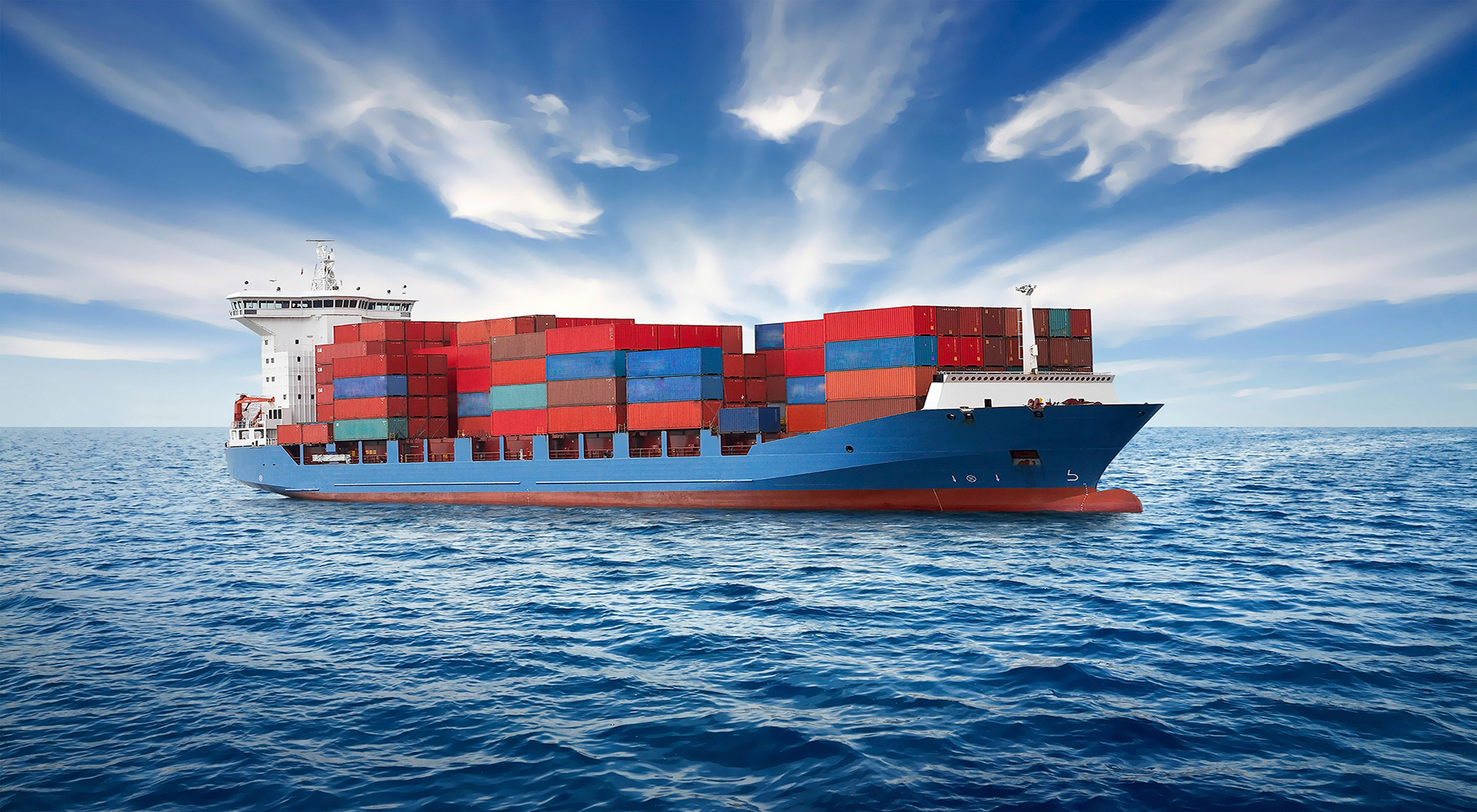
Global Supply Freight provides reliable and fully integrated logistics solutions for shipping from China to Malta, covering sea freight, air freight, and professionally managed door-to-door services. With solid experience on China–Europe trade lanes and Mediterranean island logistics, we help importers maintain predictable transit schedules, optimize freight costs, and achieve full shipment visibility across every logistics stage.
From export documentation and cargo handling in China to port operations, EU customs coordination, and inland distribution across Malta, our experienced operations team manages each step with precision. Whether shipping machinery, construction materials, electronics, consumer goods, retail products, or project cargo, Global Supply Freight delivers secure, compliant, and carefully coordinated logistics solutions tailored specifically to Malta-bound shipments.
Our sea freight service from China to Malta is designed for cost efficiency and schedule stability. Global Supply Freight manages port-to-port and port-to-door shipments via major Mediterranean gateways, coordinating vessel selection, container loading, export documentation, and onward feeder connections to Maltese ports. This service is ideal for heavy cargo, large volumes, and time-flexible commercial shipments requiring reliable ocean transportation.

For urgent or high-value shipments, our China–Malta air freight service delivers fast transit with strict operational control. We coordinate airline capacity, cargo security screening, export paperwork, EU import clearance, and destination handling support to ensure smooth and timely delivery. This option is well suited for electronics, medical supplies, spare parts, samples, and other time-critical commercial goods.
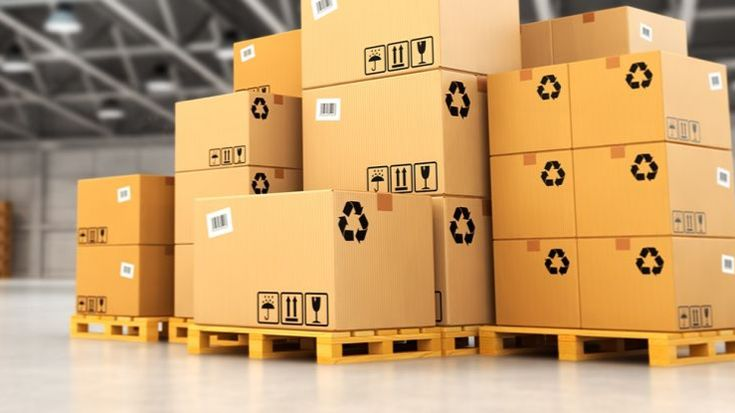
Our door-to-door service provides a fully managed logistics solution from supplier pickup in China to final delivery anywhere in Malta. Global Supply Freight integrates international sea or air transport, customs coordination, and local inland delivery under one unified plan, reducing handovers, simplifying communication, and ensuring predictable delivery timelines with a single point of responsibility.

Full Container Load shipping from China to Malta is the preferred solution for large-volume or dedicated cargo. Global Supply Freight arranges exclusive container usage, professional loading supervision, secure sealing, and continuous shipment tracking throughout the ocean journey. FCL shipping minimizes cargo handling risks, improves schedule stability, and enables better cost control for manufacturers, distributors, and project owners shipping machinery, industrial equipment, or full production orders.
Less than Container Load shipping offers a flexible and cost-effective option for smaller consignments moving from China to Malta. Global Supply Freight manages origin consolidation, precise cargo segregation, compliant export documentation, and destination deconsolidation through trusted Mediterranean partners. This service allows importers to reduce freight costs while maintaining professional handling standards, shipment visibility, and coordinated final delivery.
Global Supply Freight will provide most fuel efficient pickup service China
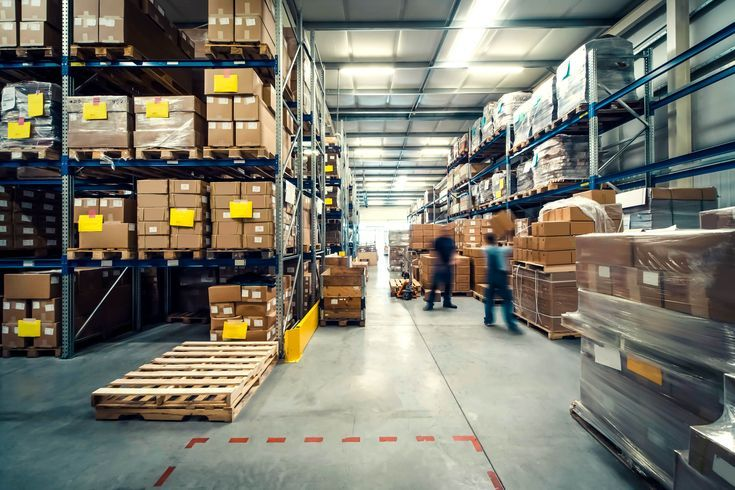
We provide free warehousing services for any of your goods.
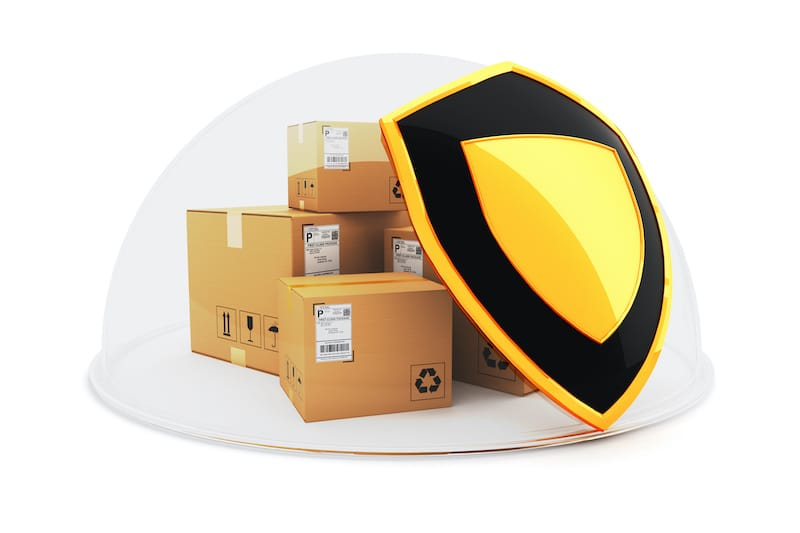
The cargo insurance protects your goods all the way to any Any FBA Warehouse
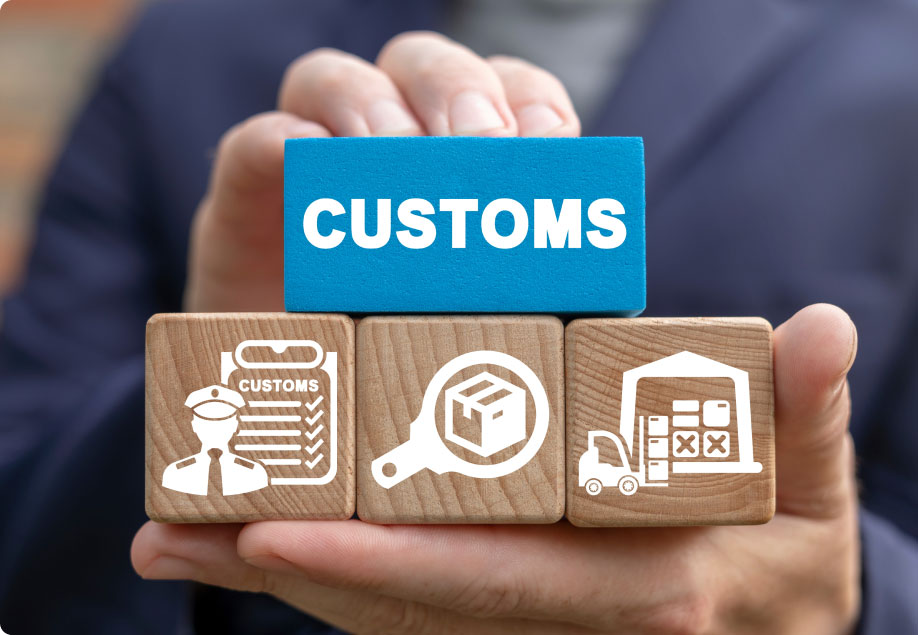
We handle all paperwork and other details for you.

Ensure safe packaging and loading of goods in your suppliers' factory.
Businesses should use durable materials, secure padding, and appropriate containers for different types of goods. Labeling fragile items clearly and ensuring compliance with international packaging standards are also crucial for optimizing packaging.
Common challenges include customs clearance delays, varying international regulations, potential damage or loss of goods, and logistical complexities. Effective planning, reliable partners, and robust tracking systems can help mitigate these issues.
Adverse weather conditions can cause significant delays in both sea and air freight. Storms, heavy rain, and extreme temperatures can disrupt schedules, requiring contingency plans to manage these delays effectively.
Technologies like GPS, RFID, and IoT sensors are commonly used for real-time shipment tracking. These technologies provide accurate location data, enhance visibility, and help manage the logistics process more efficiently.
Trade regulations impact documentation requirements, customs duties, and compliance standards. Staying updated on regulatory changes and ensuring accurate documentation helps prevent delays and additional costs in international shipping.
High-value shipments can be secured using tamper-proof seals, secure packaging, real-time tracking, and selecting trusted carriers. Additional insurance and security protocols during transit also help protect valuable goods.
Customs brokerage is crucial for navigating complex customs regulations and ensuring smooth clearance. Experienced brokers help manage documentation, tariffs, and compliance, reducing the risk of delays and penalties.
Air freight offers faster delivery times, higher security, and better tracking capabilities compared to sea freight. It is ideal for time-sensitive and high-value shipments, although it is typically more expensive than sea freight.
Improving supply chain efficiency involves optimizing logistics, selecting reliable partners, leveraging technology for tracking, and regularly reviewing processes for improvement. Effective communication and risk management are also key to enhancing overall efficiency.
Operations refer to how vehicles are used, including the procedures and policies established for their operation. In the transport industry, both operations and infrastructure ownership can be managed by either the public or private sector.
Operations deal with how vehicles are operated, including the procedures and policies established for this purpose. In the transport industry, both operations and infrastructure ownership can be either public or private.
Operations deal with the way vehicles are operated, as well as the procedures and policies established for this purpose. In the transport industry, both operations and infrastructure ownership can be either public or private.