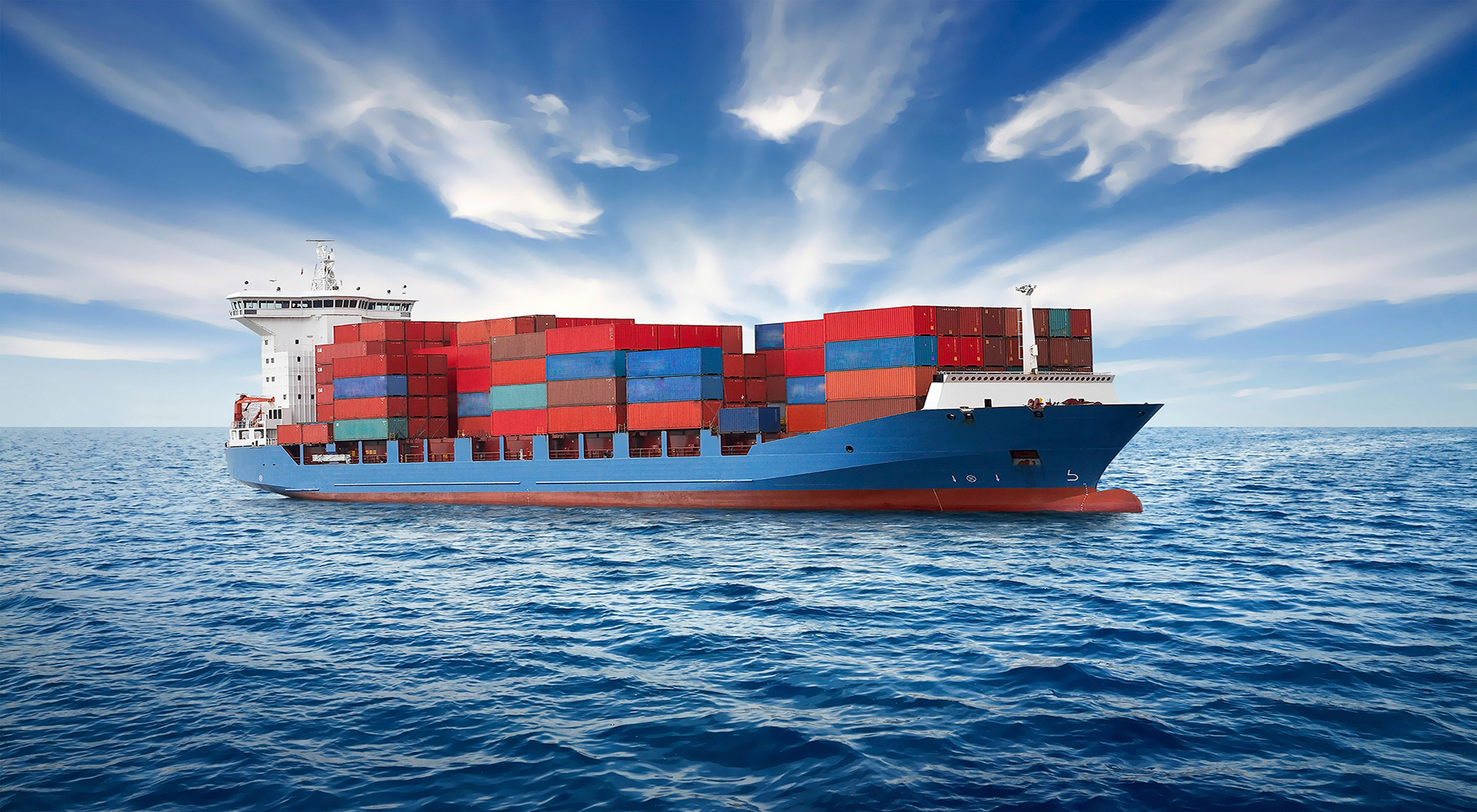
Global Supply Freight provides reliable and fully integrated logistics solutions for shipping from China to the Netherlands, covering sea freight, air freight, and professionally managed rail services. With extensive experience on China–Europe trade lanes and deep familiarity with Dutch port and customs operations, we help importers maintain predictable transit schedules, optimize freight costs, and achieve full shipment visibility across every logistics stage.
From export documentation and cargo handling in China to EU customs clearance and inland distribution across Netherlands, our experienced operations team manages each step with precision. Whether shipping machinery, electronics, furniture, automotive parts, consumer goods, industrial equipment, or project cargo, Global Supply Freight delivers secure, compliant, and carefully coordinated logistics solutions tailored specifically to Netherlands-bound shipments.
Our sea freight service from China to the Netherlands is designed for cost efficiency and schedule stability. Global Supply Freight manages port-to-port and port-to-door shipments to major Dutch gateways such as Rotterdam and Amsterdam, coordinating vessel selection, container loading, export documentation, and onward inland transport across Europe. This service is ideal for heavy cargo, large volumes, and time-flexible commercial shipments requiring reliable ocean transportation.
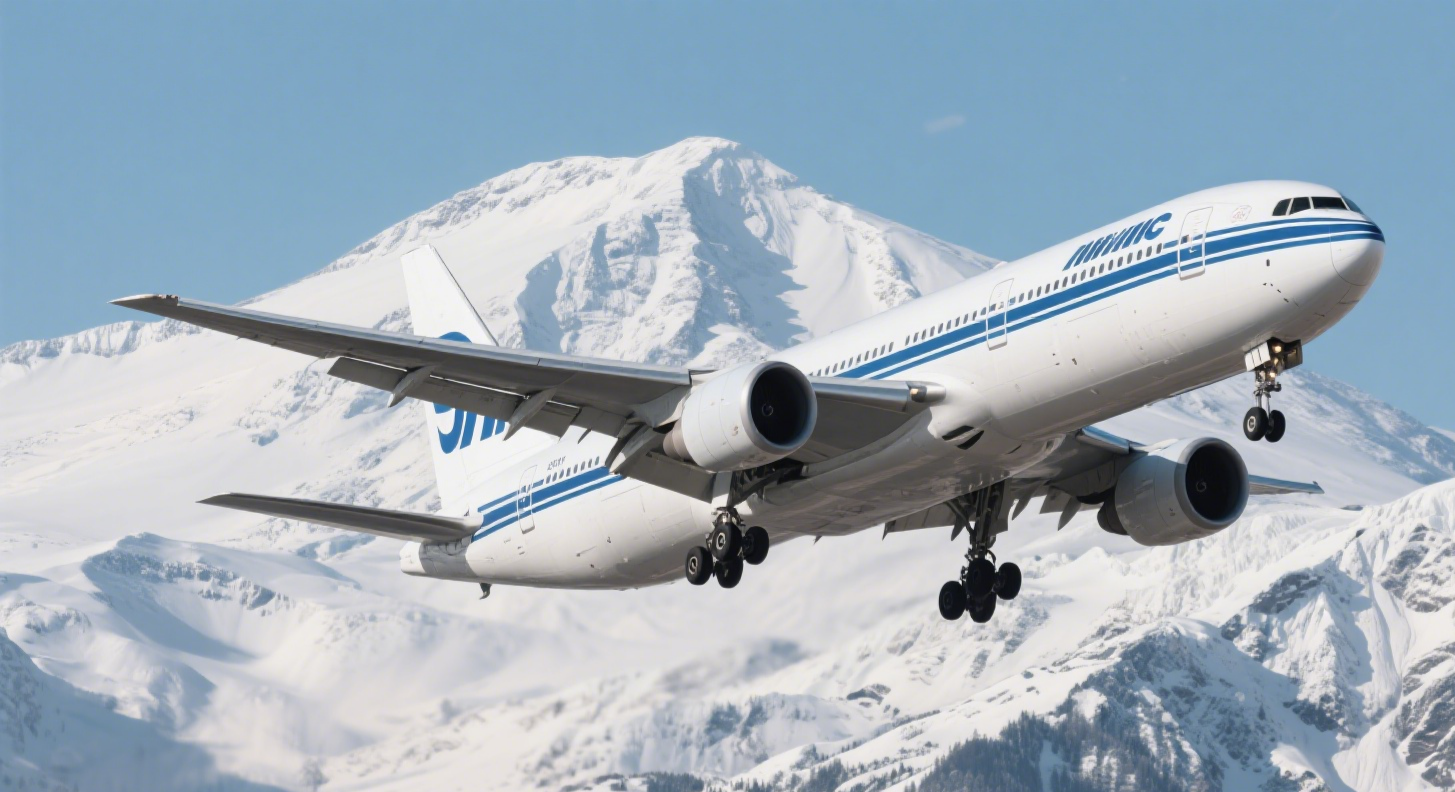
For urgent or high-value shipments, our China–Netherlands air freight service delivers fast transit with strict operational control. We coordinate airline capacity, cargo security screening, export paperwork, and EU customs clearance support to ensure smooth and timely delivery. This option is well suited for electronics, medical supplies, spare parts, samples, and other time-critical commercial goods.
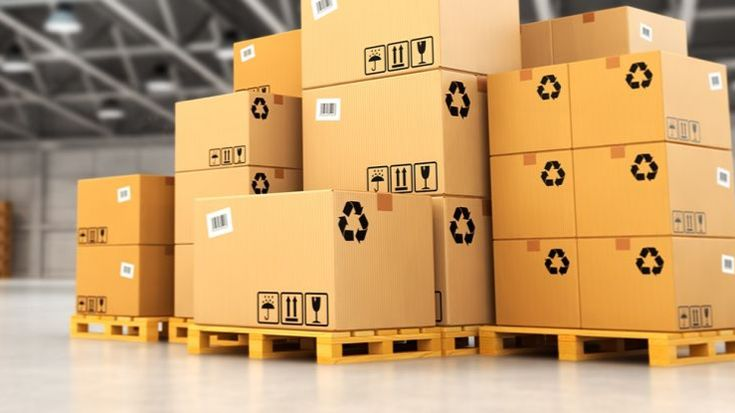
Our door-to-door service provides a fully managed logistics solution from supplier pickup in China to final delivery anywhere in the Netherlands. Global Supply Freight integrates international sea or air transport, customs clearance, VAT coordination, and local inland delivery under one unified plan. This approach reduces handovers, simplifies communication, and ensures predictable delivery timelines with a single point of responsibility.

Full Container Load shipping from China to the Netherlands is the optimal solution for large-volume or dedicated cargo. Global Supply Freight arranges exclusive container usage, professional loading supervision, secure sealing, and continuous shipment tracking throughout sea transportation. FCL shipping minimizes cargo handling risks, improves schedule reliability, and enables better cost control for manufacturers, distributors, and project owners shipping machinery or full production orders.
Less than Container Load shipping offers a flexible and cost-effective option for smaller consignments moving from China to the Netherlands. Global Supply Freight manages origin consolidation, accurate cargo segregation, compliant export documentation, and destination deconsolidation through trusted EU partners. This service allows importers to reduce freight costs while maintaining professional handling standards, shipment visibility, and coordinated final delivery.
Global Supply Freightwill provide most fuel efficient pickup service China
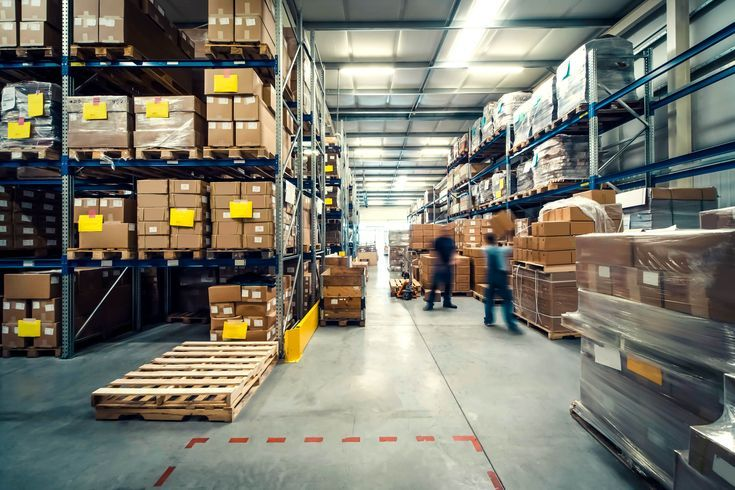
We provide free warehousing services for any of your goods.
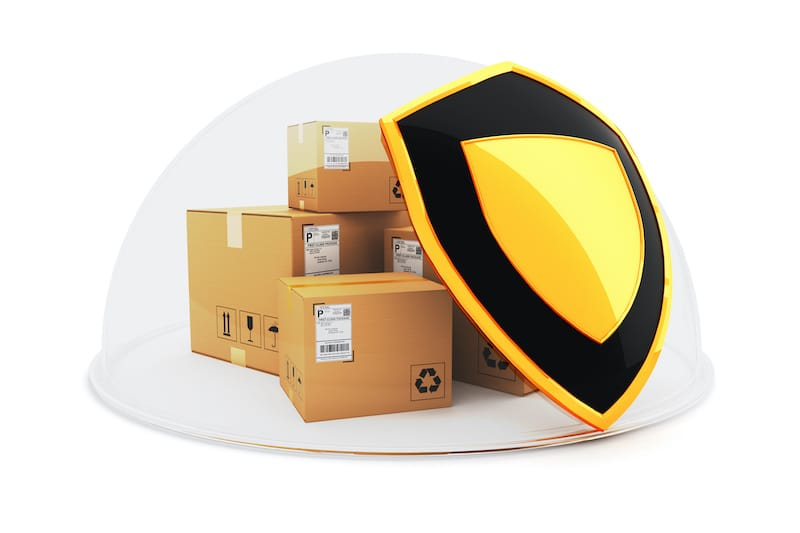
The cargo insurance protects your goods all the way to any Any FBA Warehouse
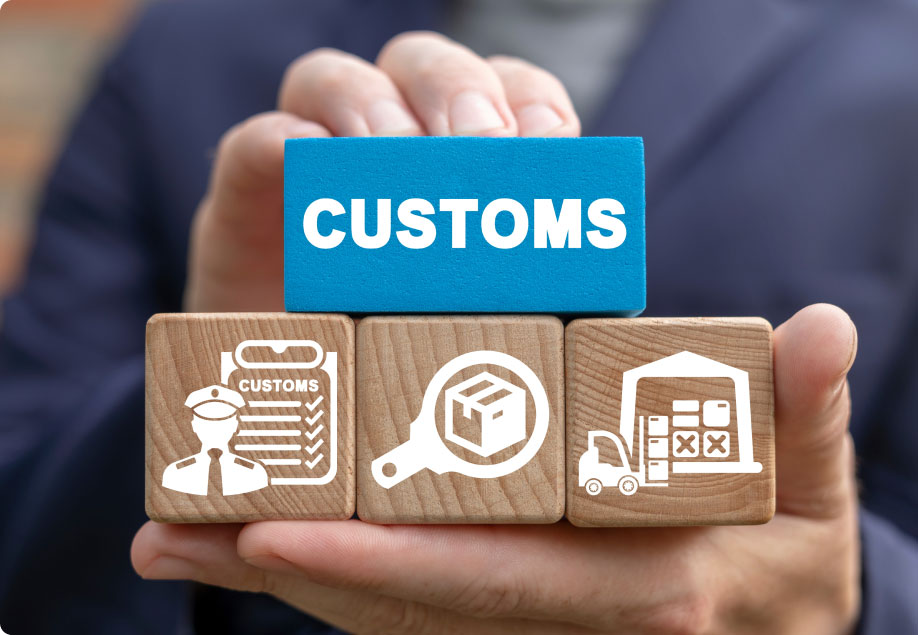
We handle all paperwork and other details for you.

Ensure safe packaging and loading of goods in your suppliers' factory.
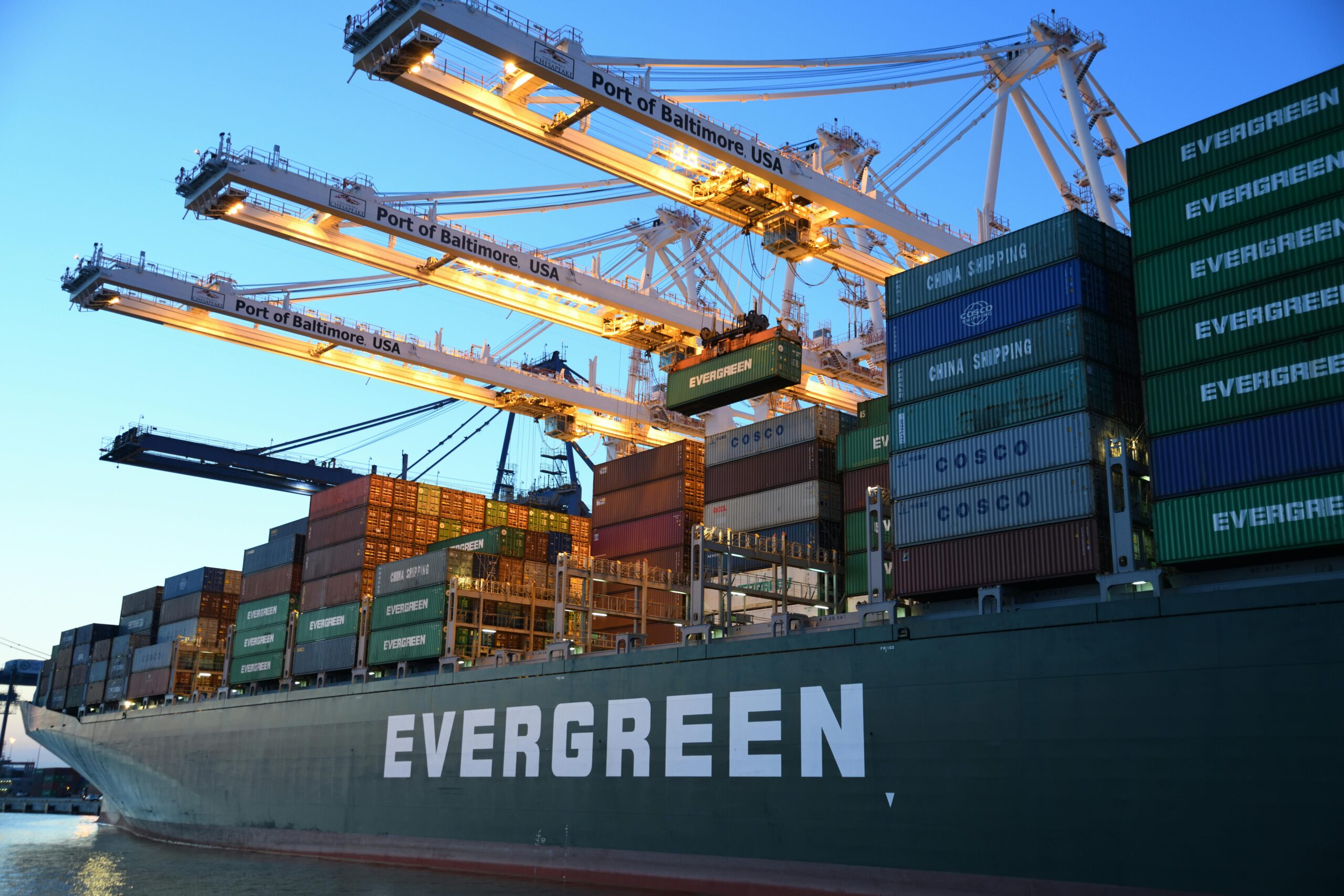
To minimize delays, ensure accurate and timely documentation, use reliable airlines, and monitor real-time tracking systems. Effective coordination with freight forwarders and adhering to airline cutoff times also helps reduce delays.
To manage customs issues, prepare all required documents in advance, ensure compliance with regulations, and work with experienced customs brokers. Regularly review and update your knowledge of customs requirements to avoid complications.
Real-time tracking provides visibility into the shipment’s status, allowing for timely intervention if delays occur. It helps in adjusting plans and managing expectations, ensuring better control over the shipping process.
The choice of airline is crucial as reputable airlines with strong on-time performance records are more likely to adhere to schedules. Researching and selecting airlines with a proven track record for punctuality can greatly impact the reliability of air freight services.
Weather conditions can significantly affect flight schedules, causing delays. Monitoring weather forecasts and having contingency plans can help manage the impact of adverse weather on air freight punctuality.
Effective coordination with freight forwarders ensures that all logistical aspects are managed efficiently, from documentation to transportation. This reduces the likelihood of delays and ensures that shipments adhere to schedules.
Timely documentation involves preparing and submitting all necessary paperwork as early as possible. Ensure accuracy and completeness to avoid delays caused by paperwork issues during customs clearance.
Adhering to airline cutoff times is crucial to ensure that shipments are accepted for the scheduled flight. Missing cutoff times can result in delays, affecting the overall punctuality of the air freight.
To address missed connections, have contingency plans in place, such as alternative routing options. Work with your freight forwarder to quickly reschedule or reroute shipments to minimize delays.
Best practices include ensuring prompt loading and unloading, minimizing dwell times, and coordinating with airport personnel for efficient handling. Proper handling at airports prevents unnecessary delays and ensures timely delivery.
Operations refer to how vehicles are used, including the procedures and policies established for their operation. In the transport industry, both operations and infrastructure ownership can be managed by either the public or private sector.
Operations deal with how vehicles are operated, including the procedures and policies established for this purpose. In the transport industry, operations and infrastructure ownership can be either publicly or privately managed.
Operations deal with the way vehicles are operated, as well as the procedures and policies established for this purpose. In the transport industry, both operations and infrastructure ownership can be either public or private.