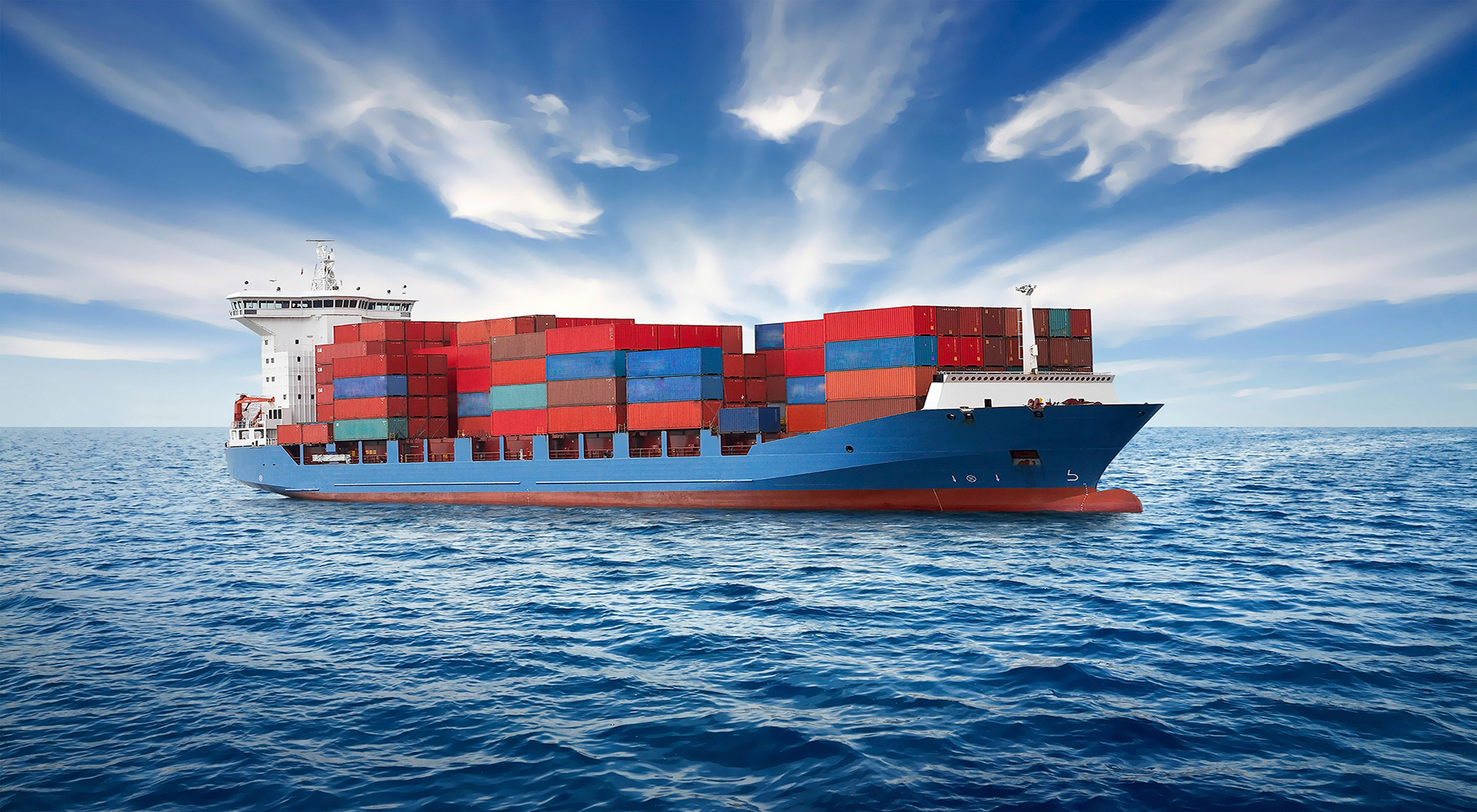
Global Supply Freight provides reliable and fully integrated logistics solutions for shipping from China to Niger, covering sea freight, air freight, and professionally managed door-to-door services. With solid experience serving landlocked West African destinations and complex inland routing, we help importers maintain predictable transit schedules, control freight costs, and achieve full shipment visibility across every logistics stage.
From export documentation and cargo handling in China to port operations, cross-border customs coordination, and inland distribution across Niger via approved regional gateways, our experienced operations team manages each step with precision. Whether shipping construction materials, machinery, mining equipment, electronics, consumer goods, or project cargo, Global Supply Freight delivers secure, compliant, and carefully coordinated logistics solutions tailored specifically to Niger-bound shipments.
Our sea freight service from China to Niger is a cost-effective option for large-volume and non-urgent cargo. Global Supply Freight manages ocean shipments to major West African ports such as Cotonou, Lomé, or Lagos, followed by coordinated inland trucking into Niger. We handle vessel selection, container loading, export documentation, transit customs procedures, and cross-border delivery—making sea freight ideal for machinery, construction materials, and bulk commercial goods.

For urgent or high-value shipments, our China–Niger air freight service delivers the fastest available transit with strict operational control. We coordinate airline capacity, cargo security screening, export paperwork, destination clearance support, and onward inland delivery. This option is well suited for spare parts, electronics, medical supplies, samples, and other time-critical commercial cargo.
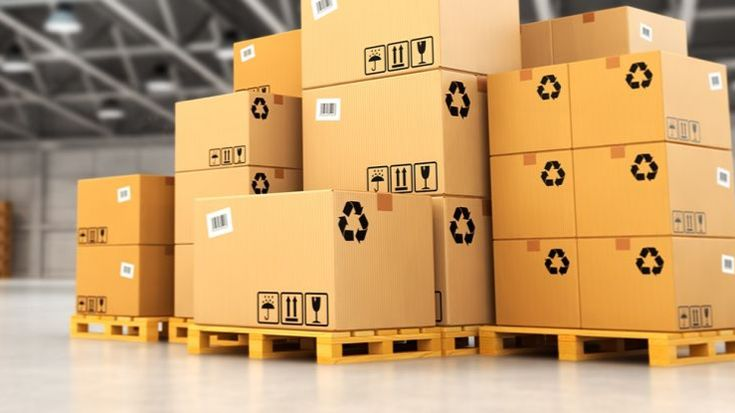
Our door-to-door service provides a fully managed logistics solution from supplier pickup in China to final delivery anywhere in Niger. Global Supply Freight integrates international sea or air transport, customs coordination, cross-border trucking, and local inland delivery under one unified plan—reducing handovers, simplifying communication, and ensuring predictable delivery timelines with a single point of responsibility.

Full Container Load shipping from China to Niger is the preferred solution for large-volume or dedicated cargo. Global Supply Freight arranges exclusive container usage, professional loading supervision, secure sealing, and continuous shipment tracking throughout the sea–land multimodal journey. FCL shipping minimizes cargo handling risks, improves schedule reliability, and enables better cost control for contractors, distributors, and project owners shipping machinery or full production orders.
Less than Container Load shipping offers a flexible and cost-effective option for smaller consignments moving from China to Niger. Global Supply Freight manages origin consolidation, accurate cargo segregation, compliant export documentation, and destination deconsolidation at regional hubs before inland delivery. This service allows importers to reduce freight costs while maintaining professional handling standards, shipment visibility, and coordinated final delivery.
Global Supply Freight will provide most fuel efficient pickup service China
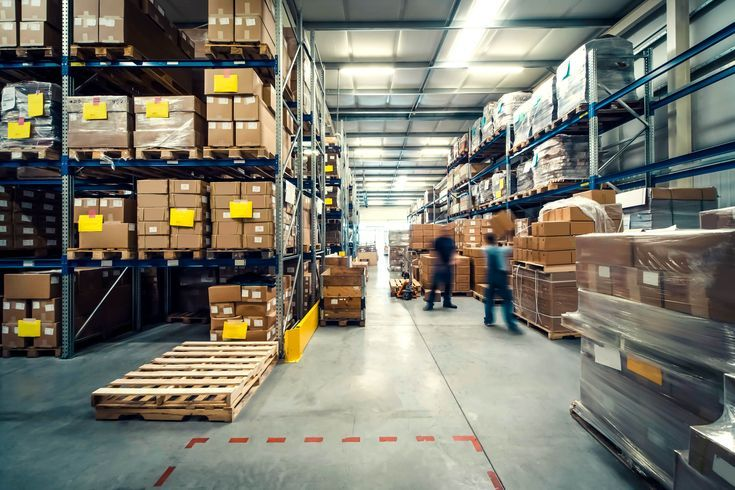
We provide free warehousing services for any of your goods.
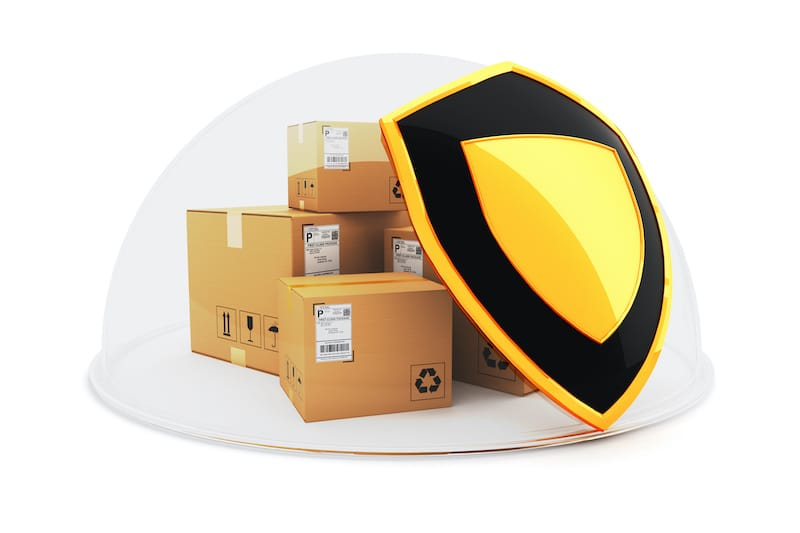
The cargo insurance protects your goods all the way to any Any FBA Warehouse
We handle all paperwork and other details for you.

Ensure safe packaging and loading of goods in your suppliers' factory.

Shipping time depends on the method: air freight takes 7-10 days, while sea freight can take 40-50 days due to transit through neighboring ports like Cotonou (Benin) or Lomé (Togo). Express shipping is available for faster delivery.
Shipping costs vary based on the method (air or sea), cargo type, and destination. For example, air freight is generally more expensive than sea freight. Contact us for a personalized quote tailored to your shipment!
You’ll need a commercial invoice, packing list, bill of lading, and customs declaration. Niger may also require additional permits for specific goods, such as electronics or chemicals.
Door-to-door shipping means we handle everything—pickup, transportation, customs clearance, and delivery to your address in Niger. This service is ideal for hassle-free logistics, especially for landlocked countries like Niger.
Yes, you can ship electronics, but ensure they meet local regulations and standards. Proper packaging and documentation are essential for smooth customs clearance in Niger.
Hazardous materials require special handling and documentation, such as a Material Safety Data Sheet (MSDS). Due to Niger’s regulations, it’s crucial to work with a certified freight forwarder for safe and compliant shipping.
We offer direct shipping to Niamey via air or sea. For sea freight, goods are transported to a nearby port (e.g., Cotonou or Lomé) and then delivered to Niamey by truck.
International shipping to Niger involves pickup in China, transportation (air or sea), customs clearance at the port of entry, and final delivery to your location. As Niger is landlocked, sea freight requires additional land transportation.
We provide a tracking number for your shipment. You can check real-time updates on our website or through the carrier’s platform. For sea freight, tracking includes both maritime and land transport stages.
Operations deal with how vehicles are operated, including the procedures and policies established for this purpose. In the transport industry, operations and infrastructure ownership can be either publicly or privately managed.
Operations deal with how vehicles are operated, including the procedures and policies established for this purpose. In the transport industry, both operations and infrastructure ownership can be either public or private.
Operations refer to how vehicles are used, including the procedures and policies established for their operation. In the transport industry, both operations and infrastructure ownership can be managed by either the public or private sector.