Global Supply Freight provides reliable and well-organized logistics solutions for shipping from China to Palau, supporting commercial shipments, project cargo, and island supply movements with stable transportation planning and clear shipment coordination.
With experience handling remote Pacific island destinations, we focus on schedule reliability, proper documentation, and controlled destination handling, helping Palau-bound cargo move smoothly from China to final delivery.
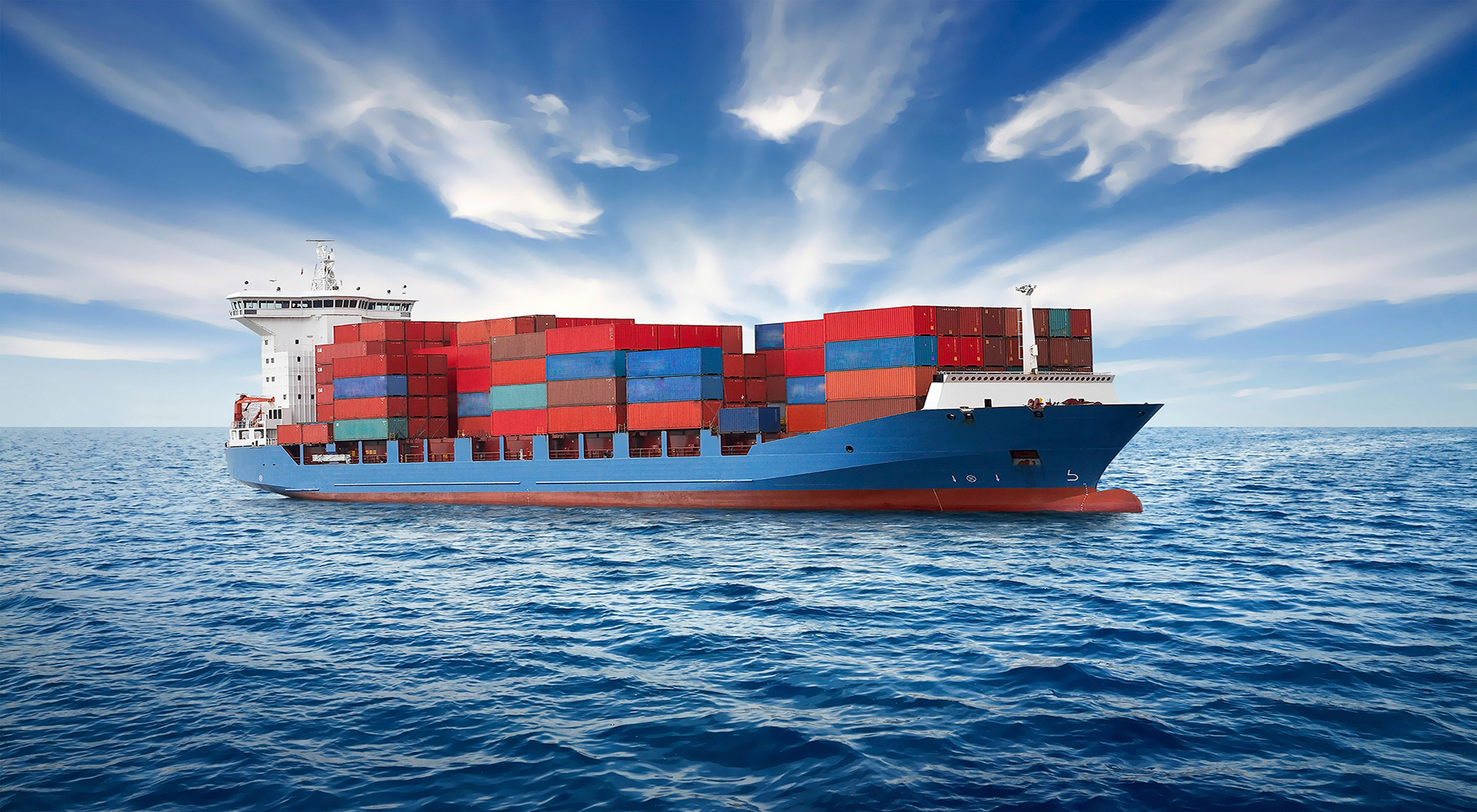
Sea freight is the most cost-effective option for shipping cargo from China to Palau. Global Supply Freight manages containerized sea freight via regional transshipment hubs with stable sailing schedules and coordinated port handling. This service includes export documentation, shipment tracking during transit, and destination-side coordination to support customs clearance and final delivery.
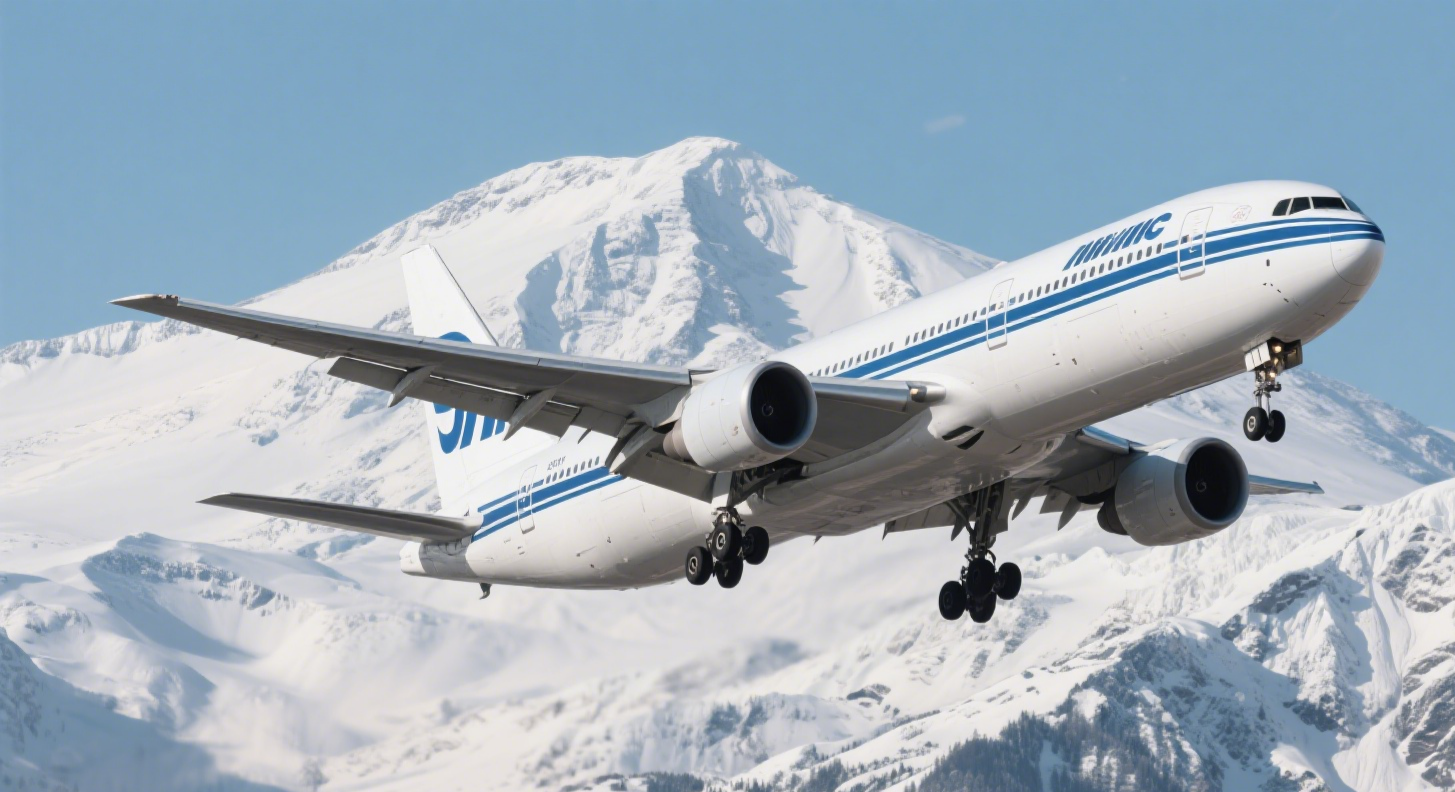
Air freight is suitable for urgent or high-value cargo moving from China to Palau. Global Supply Freight provides controlled air freight services with coordinated airline booking and professional cargo handling support. This service includes export documentation, customs coordination, and delivery planning, making it suitable for electronics, medical supplies, samples, and time-sensitive shipments.
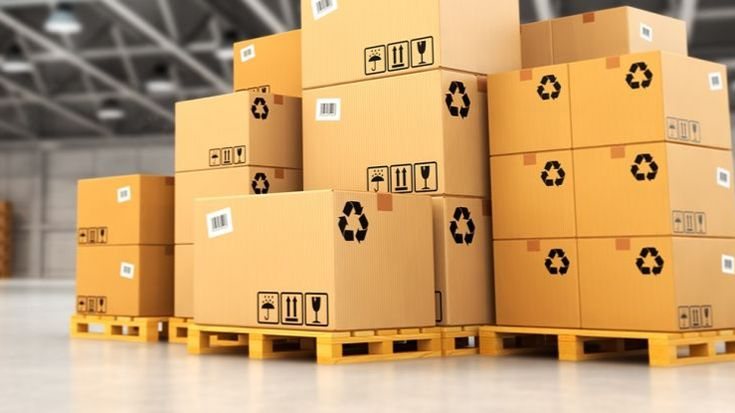
Door-to-door shipping provides a simplified logistics solution for shipments from China to Palau. Global Supply Freight integrates international transportation, customs coordination, and local delivery under one logistics plan. Each shipment is arranged with clear responsibility for documentation, clearance, and final delivery, helping customers manage cargo through one point of coordination.

Full Container Load shipping is suitable for customers moving larger volumes or dedicated shipments from China to Palau. FCL offers improved cargo security, reduced handling risk, and more predictable shipment planning. Global Supply Freight manages container loading, sealing, tracking, and arrival coordination to support stable delivery performance.
Less than Container Load shipping is an option for smaller shipments moving from China to Palau. We handle cargo consolidation at origin, export documentation, and destination deconsolidation through regional partners. LCL allows customers to ship smaller volumes without booking a full container while maintaining professional handling and shipment visibility.
Global Supply Freight will provide most fuel efficient pickup service China
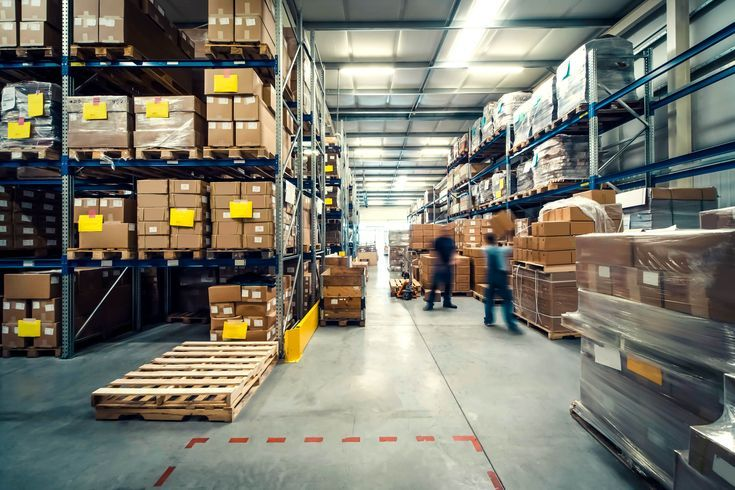
We provide free warehousing services for any of your goods.
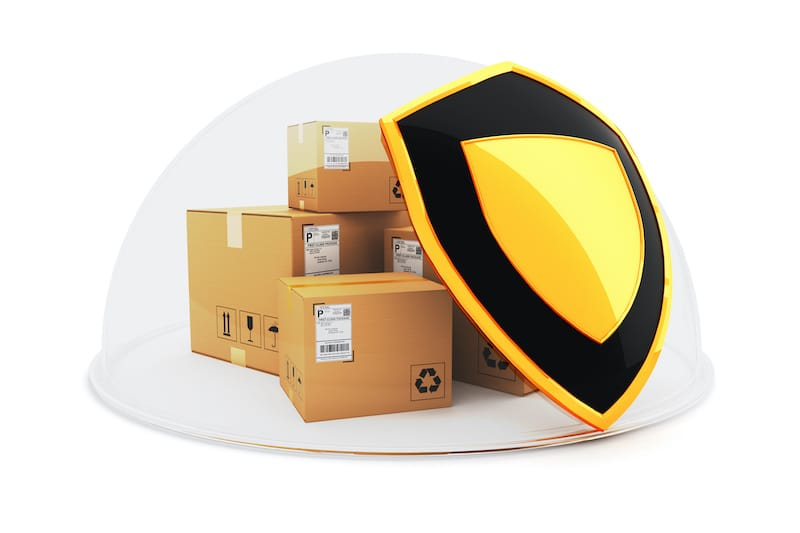
The cargo insurance protects your goods all the way to any Any FBA Warehouse
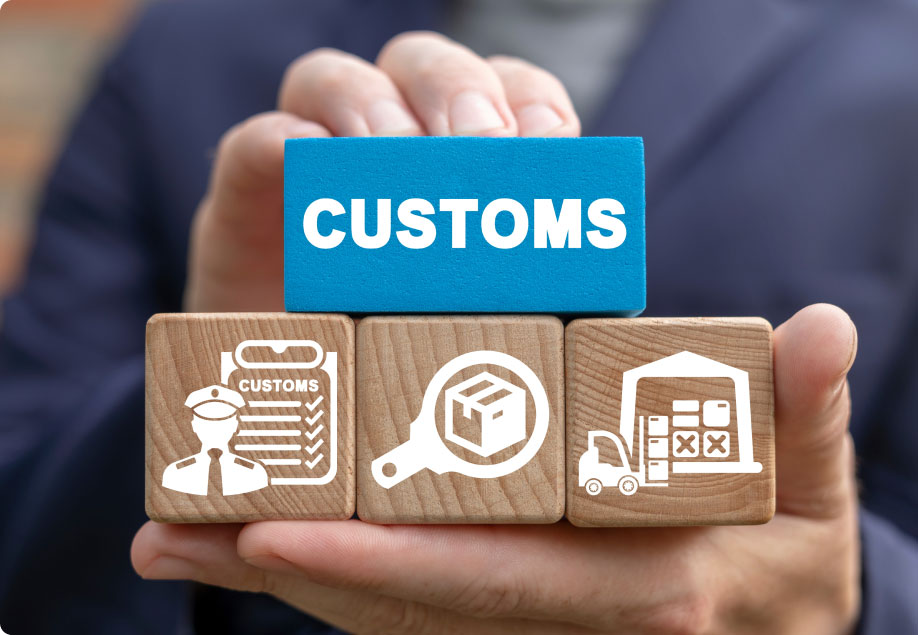
We handle all paperwork and other details for you.

Ensure safe packaging and loading of goods in your suppliers' factory.
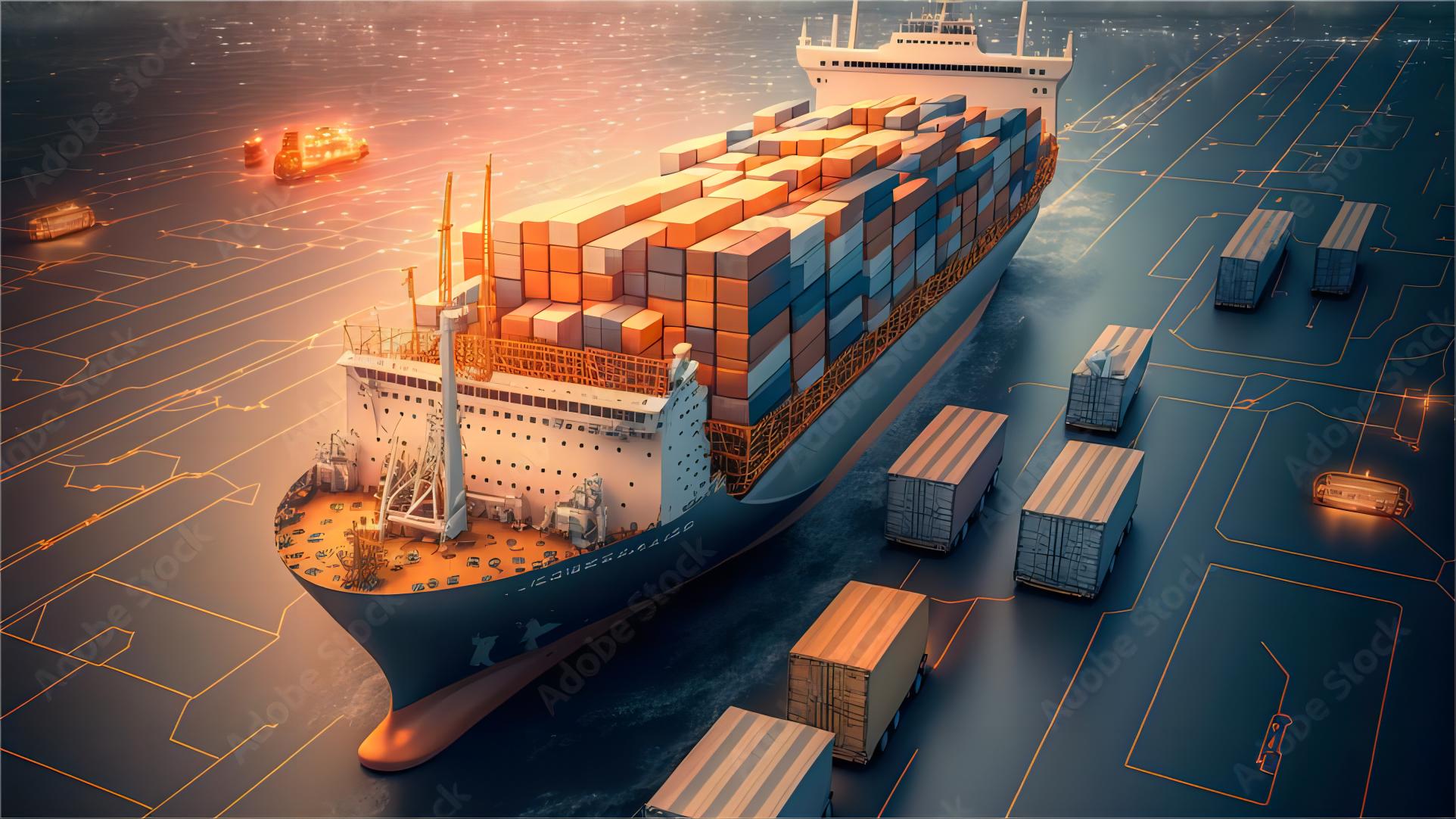
Shipping time from China to Palau is influenced by the shipping method (air or sea), transit routes, and potential delays at customs. Air freight is faster but more expensive, typically taking 7 to 10 days. Sea freight is slower but cost-effective, usually taking 20 to 30 days. Additionally, factors like weather conditions and port congestion can impact delivery times.
The primary shipping routes from China to Palau involve major Chinese ports like Shanghai, Shenzhen, and Guangzhou. These routes connect to Palau via regional hubs in Southeast Asia or directly to Palau’s main port, Malakal Harbor. The choice of route can affect transit time and cost.
To track shipments from China to Palau, use tracking services provided by your freight forwarder or carrier. They typically offer online tracking tools where you can input your shipment’s tracking number. This allows you to monitor your shipment’s status and receive updates on its location and estimated delivery time.
When shipping to Palau, ensure compliance with local customs regulations, including declaring all items accurately and providing necessary documentation such as invoices and packing lists. Palau customs may have specific requirements for importing goods, and failure to comply can result in delays or additional charges.
Palau generally imposes import duties on various goods. The specific duty rates depend on the type of product and its classification under Palau’s tariff system. It’s advisable to check with Palau’s customs authorities or consult with a freight forwarder to understand the applicable duties and taxes for your shipment.
Proper packaging is crucial for shipping goods to Palau. Use durable materials that can withstand handling and transit. Ensure that fragile items are well-padded and that heavy goods are securely packed to avoid damage. Label packages clearly with handling instructions and ensure compliance with any specific packaging requirements for your shipment.
If your shipment is delayed, first check the tracking information for any updates. Contact your freight forwarder or carrier to inquire about the cause of the delay and the revised delivery estimate. In some cases, delays may be due to customs clearance or logistical issues, and your carrier should be able to provide further details and assistance.
Yes, expedited shipping options are available for faster delivery from China to Palau. Air freight services offer expedited shipping, which can reduce transit time to 7 to 10 days. Consult with your freight forwarder to explore options for expedited services and their associated costs.
Seasonal factors, such as peak holiday seasons or extreme weather conditions, can impact shipping times from China to Palau. During busy periods, like holidays, increased shipping volumes can lead to delays. Weather events, such as typhoons or heavy rains, can also disrupt shipping schedules. It’s important to plan ahead and account for potential seasonal delays.
When selecting a freight forwarder for shipping to Palau, consider their experience with Palau-bound shipments, their reputation for reliability, and the range of services they offer. Evaluate their knowledge of Palau’s customs requirements, their ability to provide timely updates, and their cost structures. A well-experienced forwarder can help ensure smooth and efficient shipping.
Operations deal with the way vehicles are operated, as well as the procedures and policies established for this purpose. In the transport industry, both operations and infrastructure ownership can be either public or private.
Operations deal with how vehicles are operated, including the procedures and policies established for this purpose. In the transport industry, both operations and infrastructure ownership can be either public or private.
Operations refer to how vehicles are used, including the procedures and policies established for their operation. In the transport industry, both operations and infrastructure ownership can be managed by either the public or private sector.