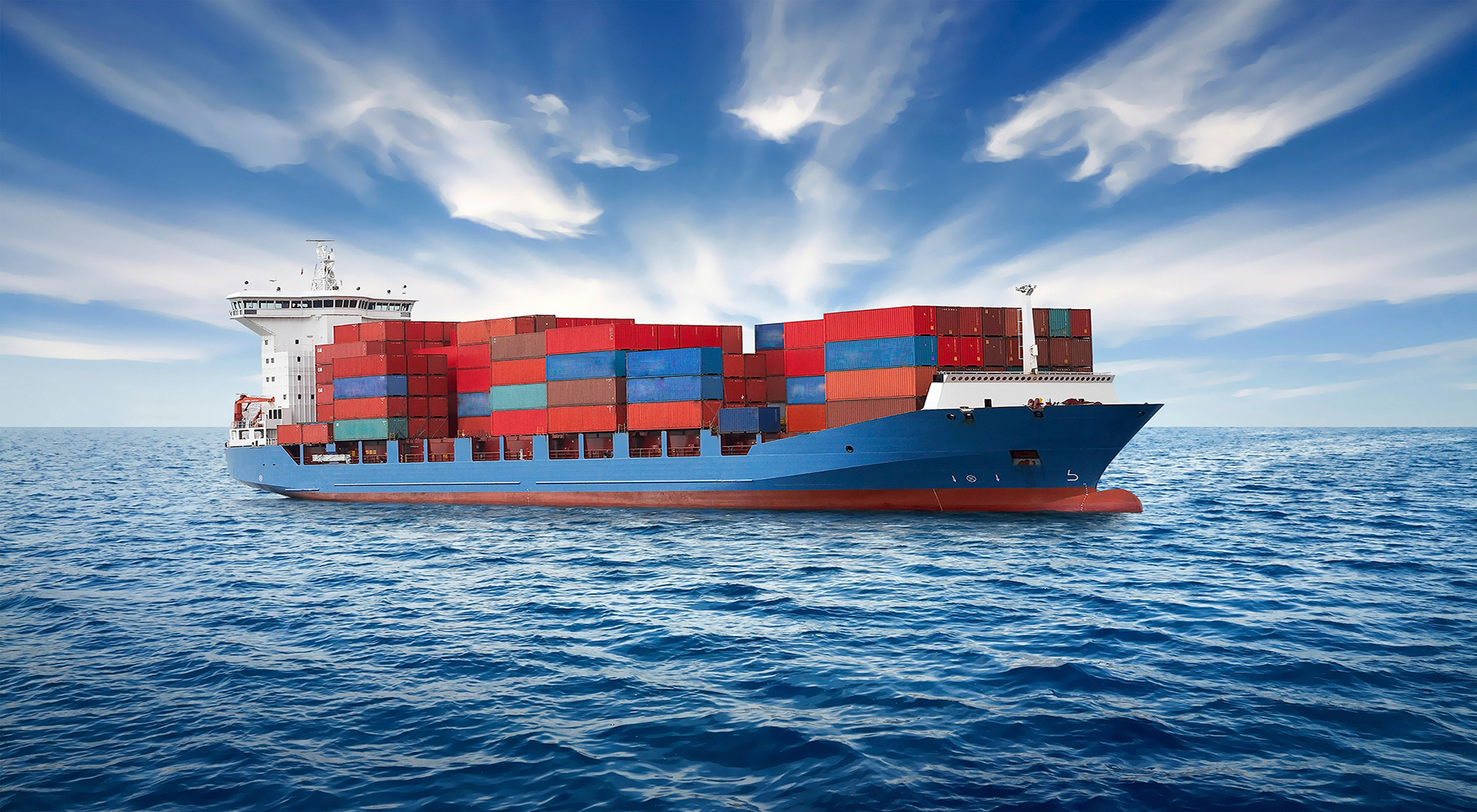
Global Supply Freight provides professional logistics solutions for shipping from China to the Philippines, supporting cargo flows into an archipelagic market where island geography and inter-island distribution shape every routing decision.
As a country composed of thousands of islands, the Philippines relies on multiple coastal gateways and frequent domestic transfers to reach final destinations. Our focus is on port selection, sailing frequency, and inter-island coordination, ensuring China-origin cargo moves efficiently from ocean arrival to last-mile delivery across the archipelago.
Sea freight is the primary transport mode for shipments from China to the Philippines due to short sailing distances and high service frequency. Global Supply Freight manages containerized sea freight to major Philippine gateways, with routing planned around port capacity and onward inter-island connectivity. Our sea freight service includes export documentation in China, vessel schedule coordination, and destination-side handling aligned with Manila and other key ports, followed by organized domestic transfers where required. This solution is widely used for consumer goods, retail cargo, building materials, and commercial shipments supplying multiple islands.
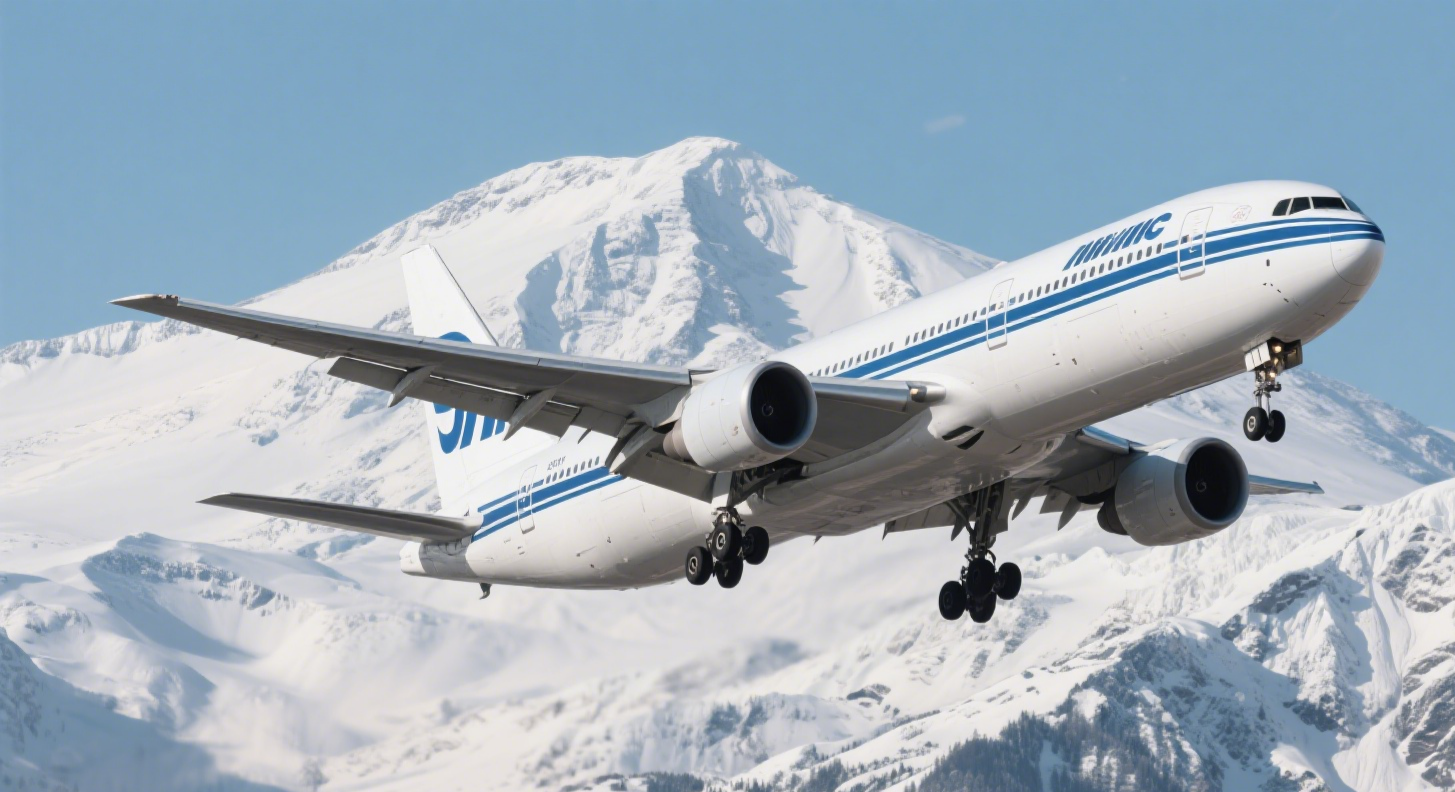
Air freight for shipments from China to the Philippines is used to bridge island separation and accelerate delivery into secondary markets. Global Supply Freight structures air freight services with attention to airport coverage, customs processing speed, and domestic flight connections.
This option is typically applied to electronics, medical supplies, spare parts, samples, and time-sensitive cargo that must reach island destinations without waiting for inter-island sea connections.
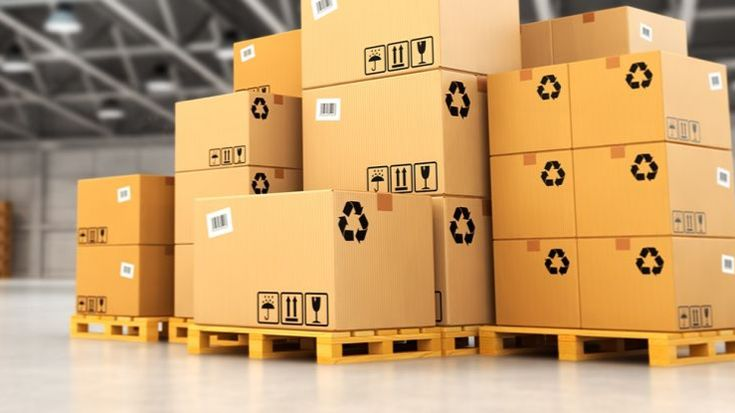
Door-to-door shipping to the Philippines requires coordination between international transport and domestic island distribution. Global Supply Freight integrates sea or air transportation, customs coordination, and inter-island delivery into a single logistics structure.
This service is commonly selected by importers and distributors who need consistent delivery across multiple islands, with clear responsibility for customs clearance and domestic movement from port or airport to final consignee.

Full Container Load shipping is suitable for customers moving regular volumes from China to the Philippines, especially for cargo destined for primary ports or centralized distribution hubs. FCL offers improved cargo security and smoother handling at destination ports.
Global Supply Freight manages container loading, sealing, tracking, and arrival coordination to support stable delivery performance within the Philippine port system.
Less than Container Load shipping is appropriate for smaller shipments entering the Philippines where full-container volumes are not required. Due to inter-island redistribution, LCL shipments are planned with consolidation timing and domestic transfer sequencing in mind.
This option is commonly used for replenishment cargo, mixed commercial goods, and trial shipments serving Philippine buyers with flexible delivery schedules.
Global Supply Freight will provide most fuel efficient pickup service China
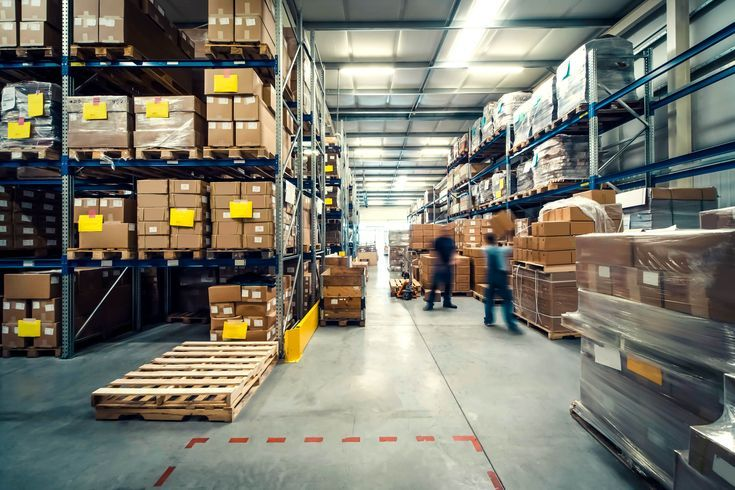
We provide free warehousing services for any of your goods.
The cargo insurance protects your goods all the way to any Any FBA Warehouse
We handle all paperwork and other details for you.

Ensure safe packaging and loading of goods in your suppliers' factory.

The most cost - effective option is sea freight, which is ideal for large or non - urgent items. Full Container Load (FCL) and Less than Container Load (LCL) costs vary according to the volume of goods and the port of destination. For instance, a 20 - foot container from Shenzhen to Manila starts at approximately $105, and the shipping time ranges from 3 to 6 days. If speed is a priority, air freight takes about 3 - 5 days but is more expensive. For example, the cost to ship to Manila is around $2.28 per kilogram.
Sea freight to major ports such as Manila and Cebu typically takes 10 - 15 days. The exact time depends on the shipping company and whether transshipment is involved. For example, a direct shipment from Shanghai to Manila takes 6 days, while a transshipped one may take up to 15 days. Air freight offers a consistent delivery time of 3 - 5 days, making it suitable for high - value or urgent goods.
You need a commercial invoice, packing list, Bill of Lading (B/L), and a Certificate of Origin (like Form E). Special items such as electronics and machinery may need additional certifications, including FDA and CE. To avoid delays, it's advisable to have a freight forwarder assist with the documentation process.
Duties are levied based on the Harmonized System (HS) code of the goods and their value, ranging from 0% to 30%. In addition, a 12% Value - Added Tax (VAT) is applied. The total taxes are calculated on the Cost, Insurance, and Freight (CIF) value of the goods. For example, the duty on electronics usually ranges from 0% to 15%, and on textiles from 5% to 20%.
Make sure to declare your goods truthfully and use the correct HS codes. Partner with an experienced freight forwarder who can handle pre - customs clearance and prepare all the necessary compliance documents. Since the Philippines customs conducts strict inspections, especially during peak seasons like November and December, it's a good idea to allow extra time for your shipments.
Door - to - door shipping covers picking up the goods from the supplier in China, international transportation, customs clearance in the Philippines, and local delivery to homes or offices in Metro Manila and other provinces. Some freight forwarders also offer double - clearance and tax - inclusive services, which are great for individuals or small and medium - sized enterprises.
Yes, you can. Freight forwarders provide LCL or consolidation services. By combining multiple batches of goods, you can reduce costs. For example, the cost of LCL sea freight can start as low as $890 per cubic meter.
It's recommended to purchase cargo insurance, which usually costs 0.3% - 1% of the goods' value. Freight forwarders can help you arrange this. Choosing a logistics company that has insurance partnerships will ensure that you get compensation in case of any damage to your goods.
The major ports in the Philippines are Manila, Cebu, and Davao. Among them, Manila North Port and South Port have the highest throughput and are suitable for transshipment to other islands.
Look for a freight forwarder that offers 24/7 customer service, provides transparent quotes, and has extensive experience in customs clearance. Check customer reviews and compare the shipping times and costs of different companies. Make sure the freight forwarder can support the specific transportation methods you need, such as cold chain or dangerous goods transportation.
Operations deal with the way vehicles are operated, as well as the procedures and policies established for this purpose. In the transport industry, both operations and infrastructure ownership can be either public or private.
Operations refer to how vehicles are used, including the procedures and policies established for their operation. In the transport industry, both operations and infrastructure ownership can be managed by either the public or private sector.
Operations deal with how vehicles are operated, including the procedures and policies established for this purpose. In the transport industry, both operations and infrastructure ownership can be either public or private.
Operations deal with how vehicles are operated, including the procedures and policies established for this purpose. In the transport industry, operations and infrastructure ownership can be either publicly or privately managed.