Global Supply Freight provides professional, stable, and fully managed logistics solutions for shipping from China to Sierra Leone, supporting importers, distributors, NGOs, government projects, contractors, and commercial buyers across West Africa. With strong China-origin control and extensive experience serving African coastal and inland markets, we help clients move cargo efficiently to Freetown and other destinations throughout Sierra Leone.
From supplier pickup and export customs clearance in China to international transportation, port handling, customs clearance, and final inland delivery in Sierra Leone, Global Supply Freight manages every stage of the logistics process. Our team ensures clear timelines, transparent costs, and proactive coordination, delivering compliant and predictable shipping solutions for construction materials, machinery, industrial equipment, consumer goods, medical supplies, and consolidated cargo.
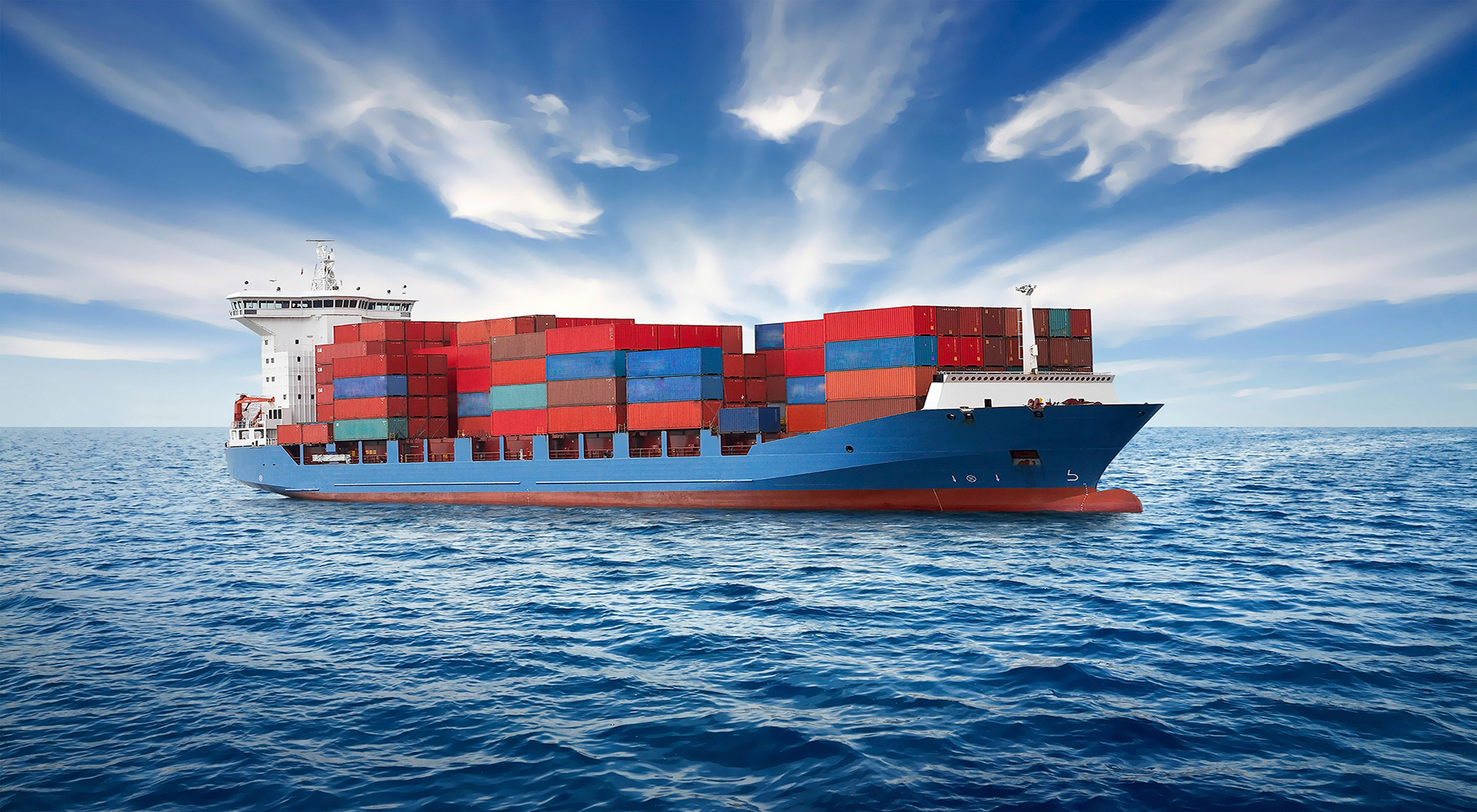
Global Supply Freight offers reliable and cost-effective sea freight services from major Chinese ports to the Port of Freetown. We manage ocean bookings, container loading, port operations, and inland transport coordination, ensuring stable transit schedules and secure cargo handling for ocean shipments.
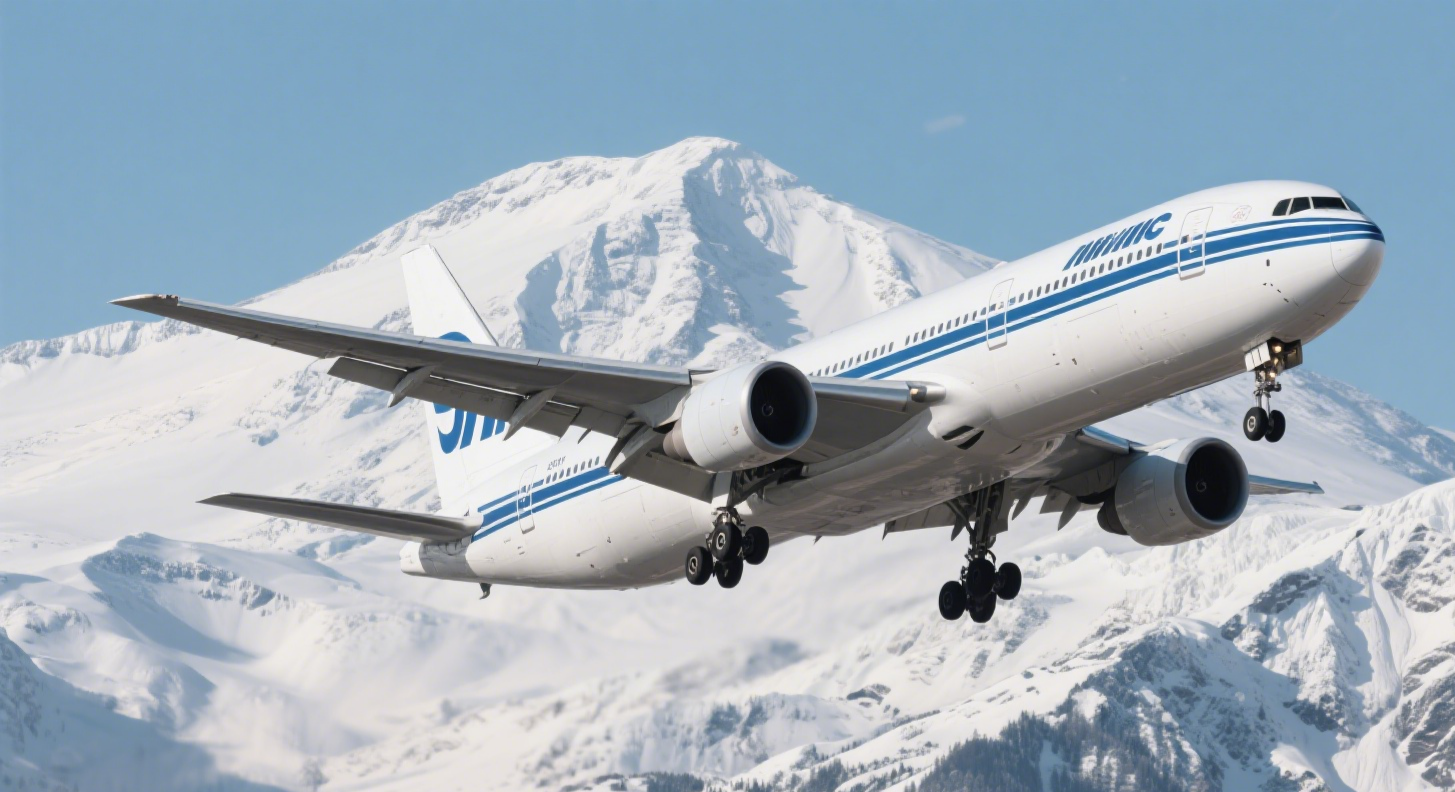
For urgent and high-value shipments, Global Supply Freight provides efficient air freight solutions from China to Lungi International Airport. Our air freight services include export documentation, airline coordination, cargo handling, and customs support, helping clients meet tight delivery timelines across Sierra Leone.
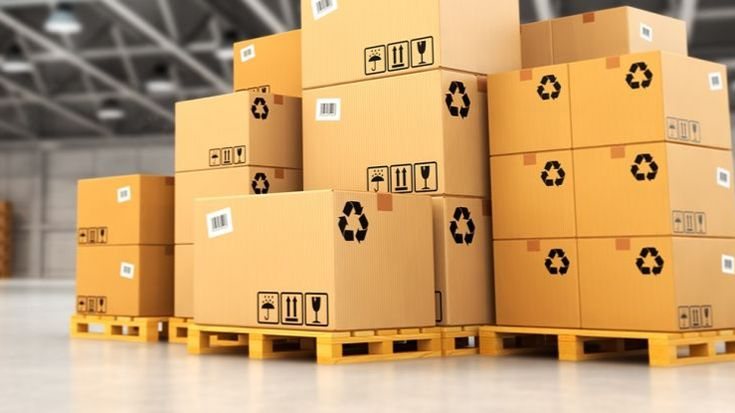
Global Supply Freight delivers fully managed door-to-door shipping services from China to Sierra Leone. We handle supplier pickup, export clearance, international freight, import customs coordination, and final delivery to the consignee’s location, offering a seamless and predictable logistics solution.

Global Supply Freight provides professional Full Container Load (FCL) shipping services for customers transporting large volumes of cargo from China to Sierra Leone. FCL shipping is ideal for machinery, construction materials, project cargo, and bulk commercial goods requiring exclusive container use.
We manage container allocation, factory loading supervision, secure sealing, ocean freight booking, port handling in Freetown, and inland trucking across Sierra Leone. With strong control at both origin and destination, Global Supply Freight helps reduce handling risks, protect cargo integrity, and ensure smooth transit for FCL shipments.
For smaller shipments that do not require a full container, Global Supply Freight offers efficient Less than Container Load (LCL) shipping services from China to Sierra Leone. We consolidate cargo from multiple suppliers, manage warehouse receiving, labeling, export documentation, and compliance checks.
Our LCL solutions are designed to optimize shipping costs while maintaining reliable transit through established consolidation hubs. Global Supply Freight oversees deconsolidation, customs clearance, and final delivery in Sierra Leone, ensuring accurate cargo control and safe handling throughout the shipping process.
Global Supply Freight will provide most fuel efficient pickup service China
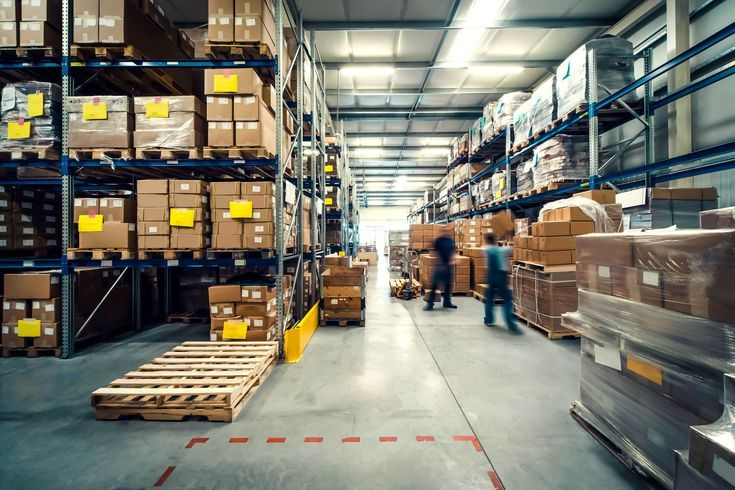
We provide free warehousing services for any of your goods.
The cargo insurance protects your goods all the way to any Any FBA Warehouse
We handle all paperwork and other details for you.

Ensure safe packaging and loading of goods in your suppliers' factory.

Shipping times from China to Sierra Leone are influenced by various factors including the mode of transport (air or sea), weather conditions, customs clearance processes, and the specific ports of departure and arrival. Sea freight generally takes longer, usually between 30 to 45 days, depending on the shipping line and route taken. Air freight is faster, typically requiring 7 to 10 days, but it's more expensive. Delays can also occur due to port congestion and regulatory inspections.
The shipping method greatly impacts delivery time. Sea freight from China to Sierra Leone typically takes 30 to 45 days, as it involves longer transit routes and possible port delays. In contrast, air freight is much quicker, usually taking 7 to 10 days, but it comes with higher costs. The choice of shipping method depends on the urgency of the shipment and budget considerations.
Yes, there are specific ports commonly used for shipping from China to Sierra Leone. Major ports in China like Shanghai, Ningbo, and Shenzhen are frequently used for sea freight, while Freetown Port is the primary port in Sierra Leone for receiving international shipments. The choice of port can affect shipping times due to differences in port efficiency and customs processing speed.
Customs procedures for shipping goods from China to Sierra Leone involve several steps, including documentation review, inspection, and duty assessment. Shippers must provide necessary paperwork like the bill of lading, commercial invoice, and packing list. Customs authorities may inspect the goods to ensure compliance with local regulations. This process can add to the overall shipping time, especially if there are discrepancies or additional inspections required.
Seasonal changes can significantly affect shipping times. During peak seasons, such as the Chinese New Year or holiday seasons, there is a higher volume of shipments, leading to longer processing times and potential delays. Adverse weather conditions, such as typhoons in the Pacific Ocean, can also impact sea freight schedules. Planning shipments during off-peak periods can help avoid these delays and ensure a smoother shipping process.
Shipping costs from China to Sierra Leone depend on several factors, including the shipping method (air or sea), the weight and volume of the shipment, and any additional services like insurance or expedited processing. Sea freight is generally more cost-effective for large, heavy shipments, while air freight is suitable for smaller, time-sensitive consignments. Additional costs may include customs duties, port fees, and handling charges.
Insurance is highly recommended for shipping goods from China to Sierra Leone. It provides financial protection against potential risks such as damage, loss, or theft during transit. International shipments, especially over long distances, are exposed to various hazards. Purchasing insurance ensures that in case of any unforeseen events, the shipper can recover the value of their goods, minimizing financial losses.
Shipping companies employ several measures to ensure the safety of goods during transit from China to Sierra Leone. These include using durable packaging materials, securing cargo in containers, implementing tracking systems, and adhering to international shipping standards. Additionally, companies may offer insurance coverage and use experienced personnel for handling and transporting goods. Regular inspections and maintenance of shipping vessels also contribute to the safe delivery of shipments.
Documentation required for shipping from China to Sierra Leone includes a bill of lading, commercial invoice, packing list, certificate of origin, and any applicable export or import licenses. These documents are essential for customs clearance and verification of the shipment's contents, value, and compliance with trade regulations. Proper documentation helps prevent delays and ensures a smooth shipping process.
Yes, tracking services are available for shipments from China to Sierra Leone. Most shipping companies provide tracking numbers that allow customers to monitor the progress of their shipment in real-time. This service enhances transparency and provides peace of mind, enabling shippers to stay informed about their goods' location and estimated delivery time. Tracking can be accessed through the shipping company's website or customer service.
Operations refer to how vehicles are used, including the procedures and policies established for their operation. In the transport industry, both operations and infrastructure ownership can be managed by either the public or private sector.
Operations deal with how vehicles are operated, including the procedures and policies established for this purpose. In the transport industry, operations and infrastructure ownership can be either publicly or privately managed.
Operations deal with the way vehicles are operated, as well as the procedures and policies established for this purpose. In the transport industry, both operations and infrastructure ownership can be either public or private.