Global Supply Freight provides professional, stable, and fully managed logistics solutions for shipping from China to the Solomon Islands, supporting importers, distributors, contractors, NGOs, government projects, and commercial buyers across the South Pacific. With strong China-origin control and extensive experience in island and feeder-port logistics, we help clients move cargo efficiently to Honiara and other destinations throughout the Solomon Islands.
From supplier pickup and export customs clearance in China to international transportation, transshipment coordination, port handling, customs clearance, and final delivery in the Solomon Islands, Global Supply Freight manages every stage of the logistics process. Our team ensures clear timelines, transparent costs, and proactive coordination, delivering compliant and predictable shipping solutions for construction materials, machinery, equipment, consumer goods, medical supplies, and consolidated cargo.
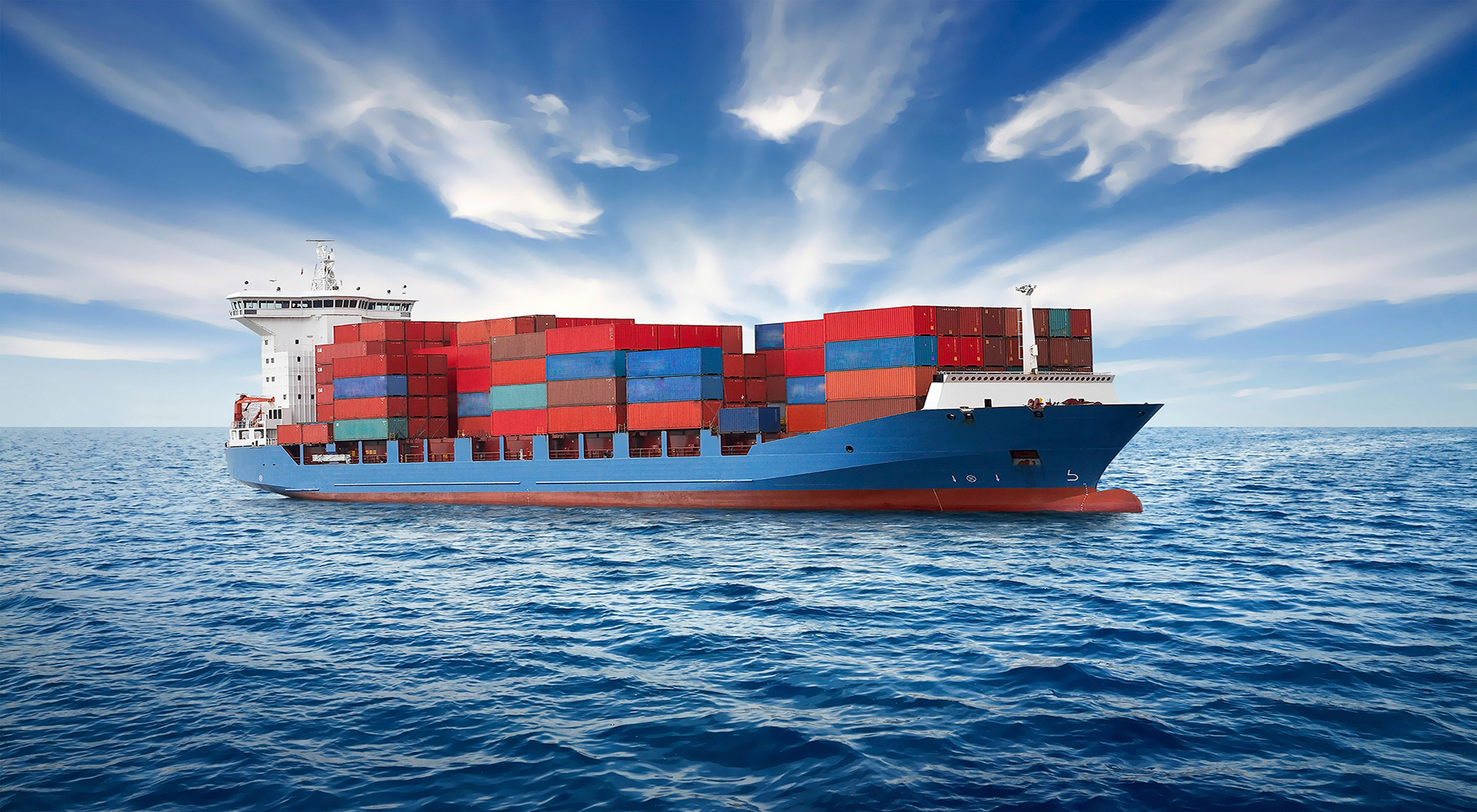
Global Supply Freight offers reliable and cost-effective sea freight services from major Chinese ports to the Solomon Islands via key transshipment hubs in Australia, New Zealand, and Southeast Asia. We manage ocean bookings, container loading, feeder vessel coordination, and port operations, ensuring stable transit schedules and secure handling for island-bound cargo.
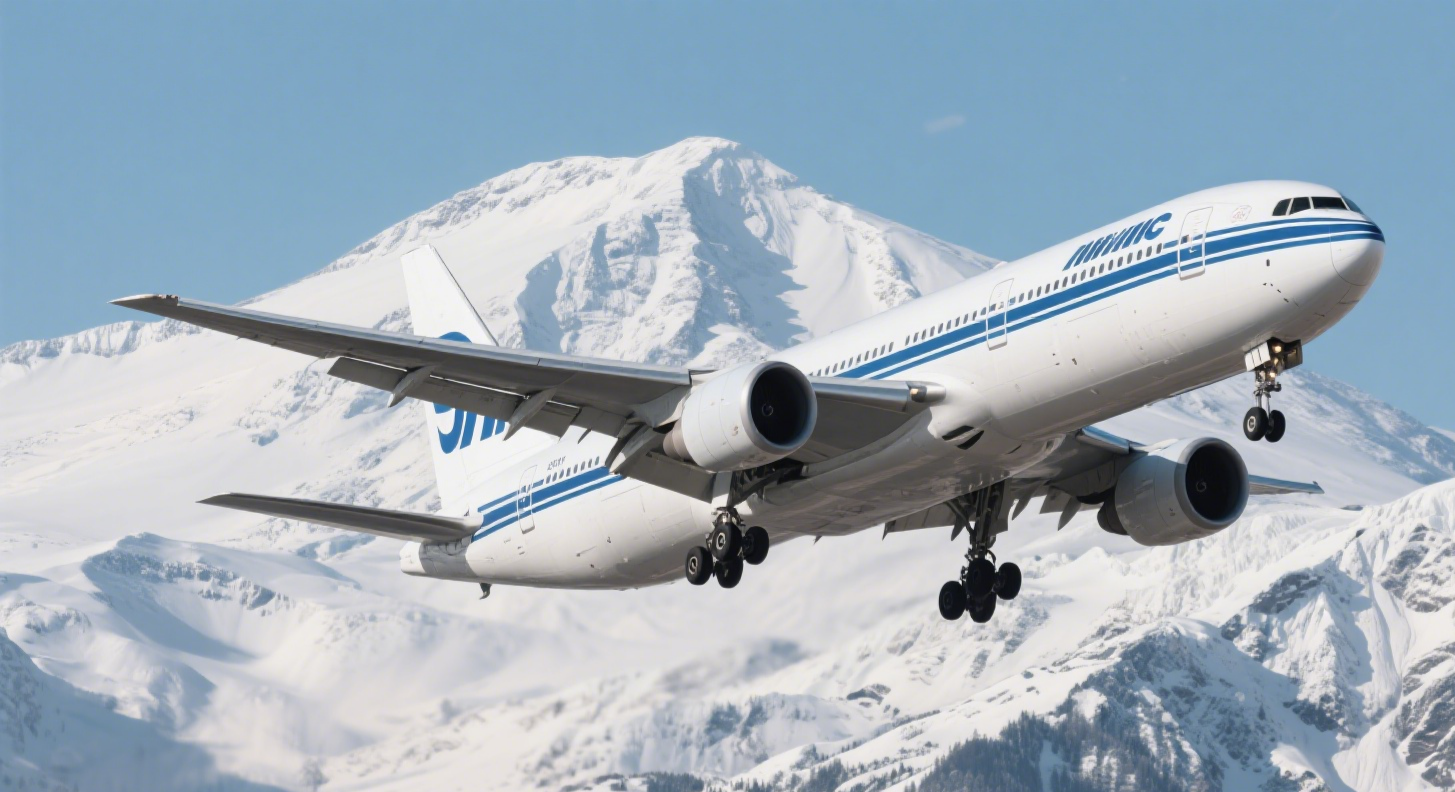
For urgent and high-value shipments, Global Supply Freight provides efficient air freight solutions from China to the Solomon Islands via international gateway airports. Our air freight services include export documentation, airline coordination, cargo handling, and customs support, helping clients meet critical delivery timelines with reliable transit control.
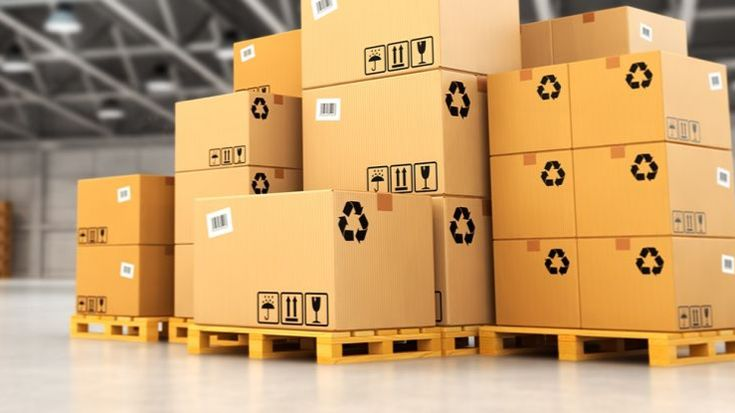
Global Supply Freight delivers fully managed door-to-door shipping services from China to the Solomon Islands. We handle supplier pickup, export clearance, international freight, import customs coordination, and final delivery to the consignee’s location, offering a simple and predictable logistics solution.

Global Supply Freight provides professional Full Container Load (FCL) shipping services for customers transporting large volumes of cargo from China to the Solomon Islands. FCL shipping is ideal for construction materials, machinery, project cargo, equipment, and bulk commercial goods requiring exclusive container use.
We manage container allocation, factory loading supervision, secure sealing, ocean freight booking, transshipment handling, and destination delivery coordination. With strong control at both origin and destination, Global Supply Freight helps reduce handling risks, protect cargo integrity, and ensure smooth transit to the Solomon Islands.
For smaller shipments that do not require a full container, Global Supply Freight offers efficient Less than Container Load (LCL) shipping services from China to the Solomon Islands. We consolidate cargo from multiple suppliers, manage warehouse receiving, labeling, export documentation, and compliance checks.
Our LCL solutions are designed to optimize shipping costs while maintaining reliable transit through established consolidation and feeder networks. Global Supply Freight oversees deconsolidation, customs clearance, and final delivery in the Solomon Islands, ensuring accurate cargo control and safe handling throughout the shipping process.
Global Supply Freight will provide most fuel efficient pickup service China
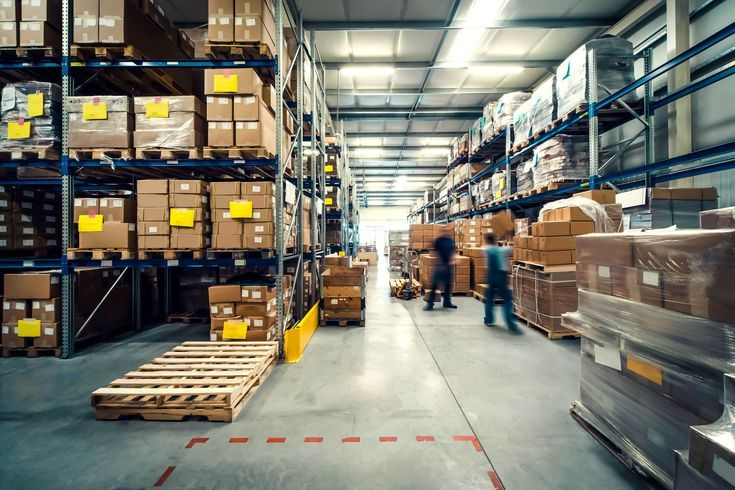
We provide free warehousing services for any of your goods.
The cargo insurance protects your goods all the way to any Any FBA Warehouse
We handle all paperwork and other details for you.

Ensure safe packaging and loading of goods in your suppliers' factory.
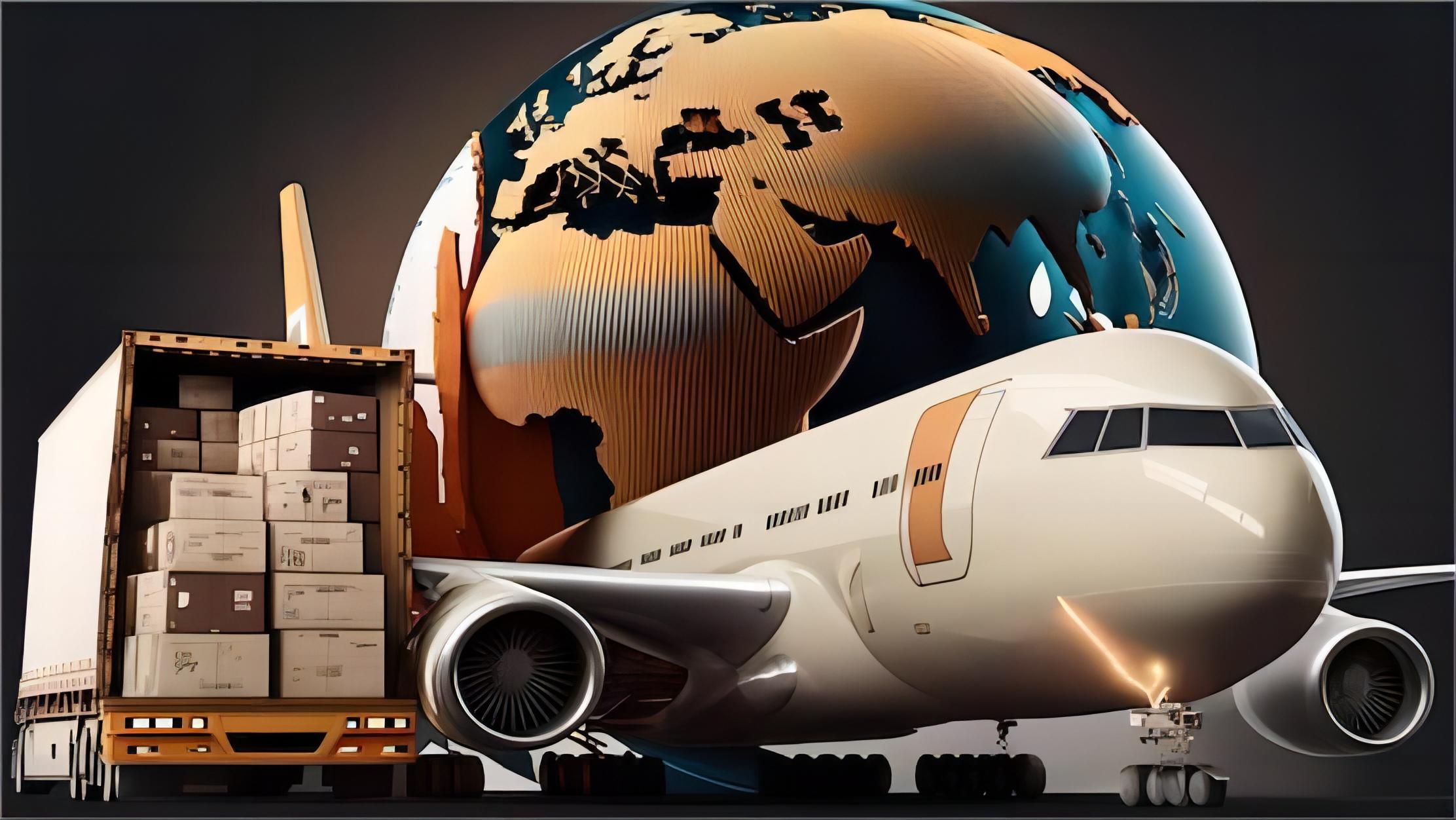
Several factors affect shipping time, including the chosen shipping method (air or sea), departure and arrival ports, weather conditions, and customs processing. Air freight is faster but more expensive, taking about 7 to 10 days. Sea freight is more economical but slower, typically ranging from 25 to 35 days. Delays may also arise from port congestion or customs inspections.
To expedite shipments, consider using air freight instead of sea freight. Additionally, choose express services offered by freight forwarders. Ensure all documentation is accurate and complete to avoid customs delays. Working with a reliable logistics provider can also help streamline the process and reduce transit times.
Yes, the Solomon Islands has specific customs regulations, including import duties and restrictions on certain goods. Ensure compliance with local customs requirements and tariffs. It’s advisable to consult with a customs broker or freight forwarder familiar with Solomon Islands regulations to avoid complications.
You can track your shipment using the tracking number provided by your freight forwarder or carrier. Most companies offer online tracking systems where you can monitor the progress of your shipment in real-time. Ensure you receive updates on the shipment status to manage expectations and address any issues promptly.
Shipping costs vary based on the method (air or sea), weight, volume, and type of goods. Air freight is more expensive but faster, while sea freight is generally cheaper but slower. Additional costs may include insurance, customs duties, and port handling fees. Request quotes from multiple providers for the best rates.
Shipping hazardous materials requires adherence to strict regulations. You must comply with international standards for the transport of dangerous goods and obtain necessary permits and documentation. Ensure that your freight forwarder is experienced in handling hazardous materials to meet safety and legal requirements.
Packaging should be robust and suitable for the type of cargo. Use durable materials to protect goods from damage during transit. Label packages clearly with handling instructions, and ensure that fragile items are well-padded. Compliance with international packaging standards helps prevent damage and delays.
To ensure safety, choose reliable carriers and freight forwarders with a strong track record. Use appropriate packaging, secure your shipments, and consider purchasing insurance coverage. Regularly monitor your shipment and implement security measures to protect against theft or damage.
Common delays include customs clearance issues, port congestion, weather conditions, and logistical challenges. Accurate documentation, timely communication with your freight forwarder, and choosing a reliable shipping method can help minimize these delays. Monitoring your shipment and being proactive can also address potential issues promptly.
Operations refer to how vehicles are used, including the procedures and policies established for their operation. In the transport industry, both operations and infrastructure ownership can be managed by either the public or private sector.
Operations deal with the way vehicles are operated, as well as the procedures and policies established for this purpose. In the transport industry, both operations and infrastructure ownership can be either public or private.
Operations deal with how vehicles are operated, including the procedures and policies established for this purpose. In the transport industry, operations and infrastructure ownership can be either publicly or privately managed.