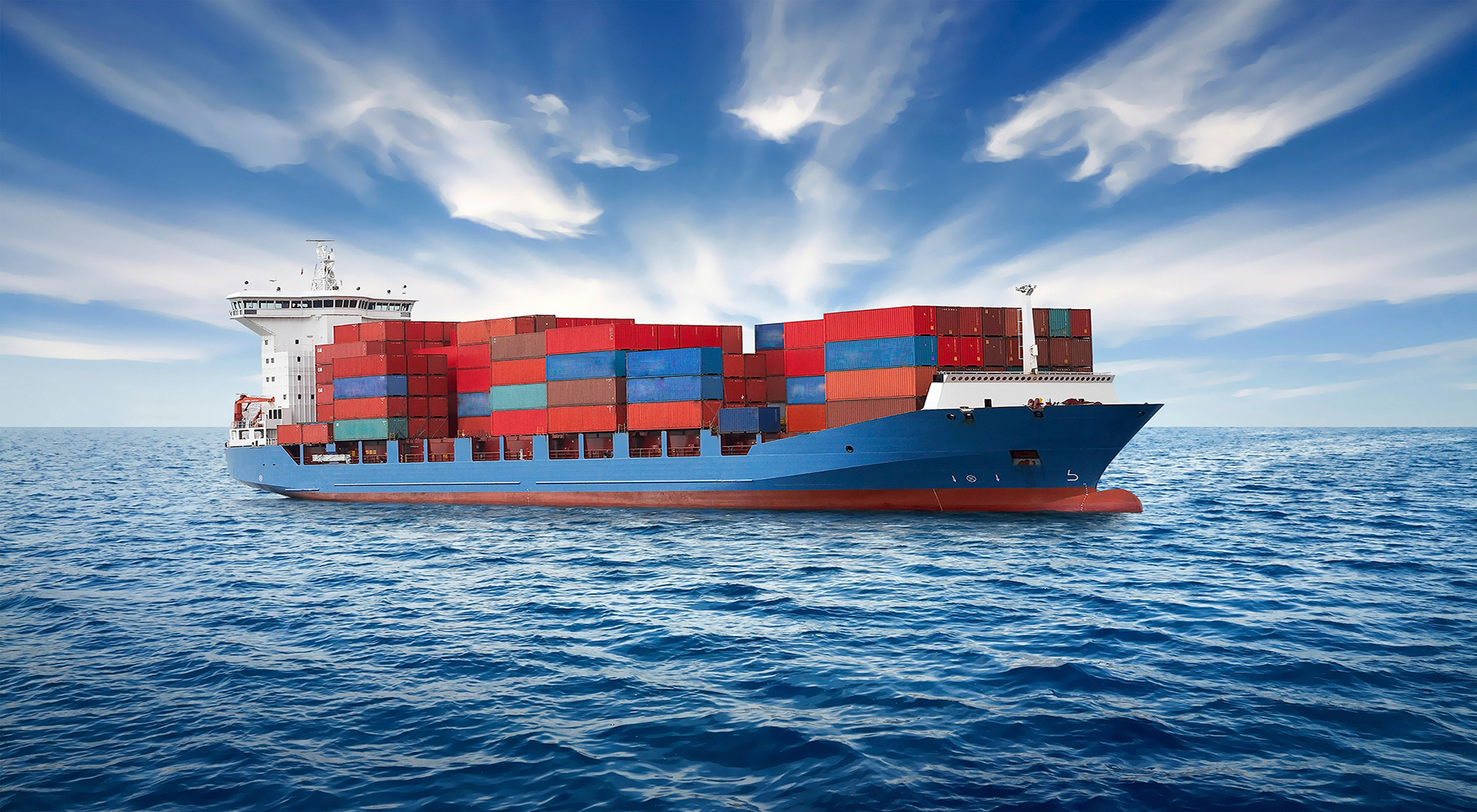
Global Supply Freight provides end-to-end logistics solutions for shipping from China to Tanzania, covering sea freight, air freight, and door-to-door transport services. Supported by strong carrier partnerships and established East Africa routing experience, we help shippers achieve stable transit times, optimized freight costs, and consistent cargo visibility across all transport modes.
From export handling and documentation in China to customs coordination and inland delivery across Tanzania, our experienced team manages every shipment with precision. Whether you are shipping industrial equipment, construction materials, consumer goods, or project cargo, Global Supply Freight delivers secure, compliant, and scalable logistics solutions tailored to your business needs.
Our sea freight service from China to Tanzania operates via major ports such as Dar es Salaam and Tanga. With flexible sailing schedules and stable carrier arrangements, we ensure controlled transit times, secure cargo handling, and consistent shipment visibility throughout the ocean journey.
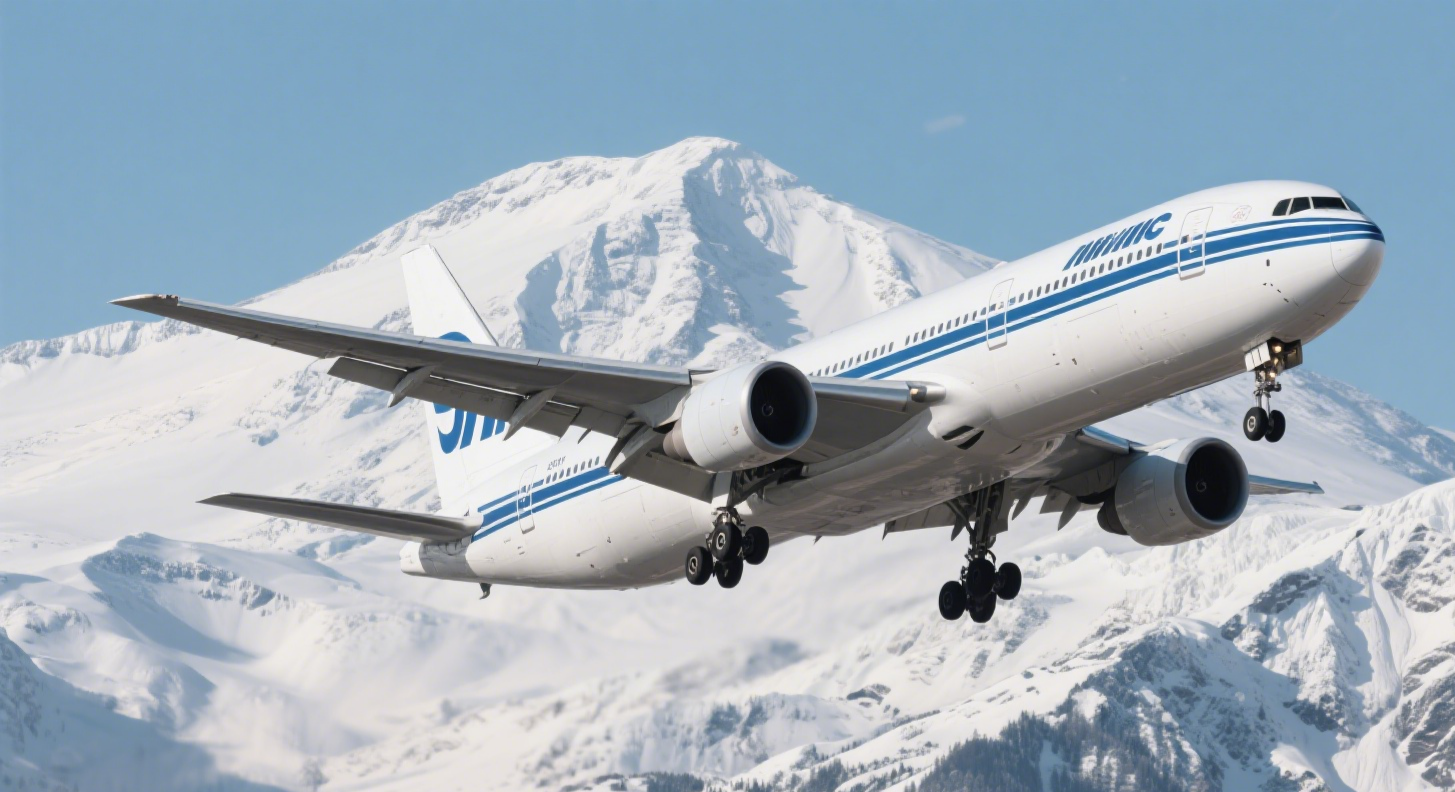
Global Supply Freight’s air freight service provides fast and secure shipping from major Chinese airports to Tanzania. Designed for time-sensitive and high-value cargo, this solution ensures shortened transit times, priority handling, and end-to-end cargo tracking supported by experienced air freight professionals.

Our door-to-door service from China to Tanzania covers cargo pickup, export customs clearance, international transportation, import coordination, and final inland delivery. This integrated solution reduces logistics complexity, improves delivery reliability, and provides importers with a streamlined shipping experience.

Global Supply Freight’s FCL (Full Container Load) shipping service from China to Tanzania is ideal for shippers moving large volumes that require exclusive container use. This option enhances cargo security, minimizes handling risks, and ensures more predictable vessel schedules. We manage container booking, export documentation, port operations, and customs coordination to maintain stable transit performance and clear cost control.
Our LCL (Less than Container Load) shipping service from China to Tanzania is designed for smaller shipments that do not fill a full container. By consolidating cargo efficiently, Global Supply Freight helps reduce overall freight costs while maintaining reliable transit times. We handle consolidation, warehouse operations, export clearance, deconsolidation at destination ports, and inland delivery, ensuring secure handling and consistent service quality throughout the shipping process.
Global Supply Freight will provide most fuel efficient pickup service China

We provide free warehousing services for any of your goods.
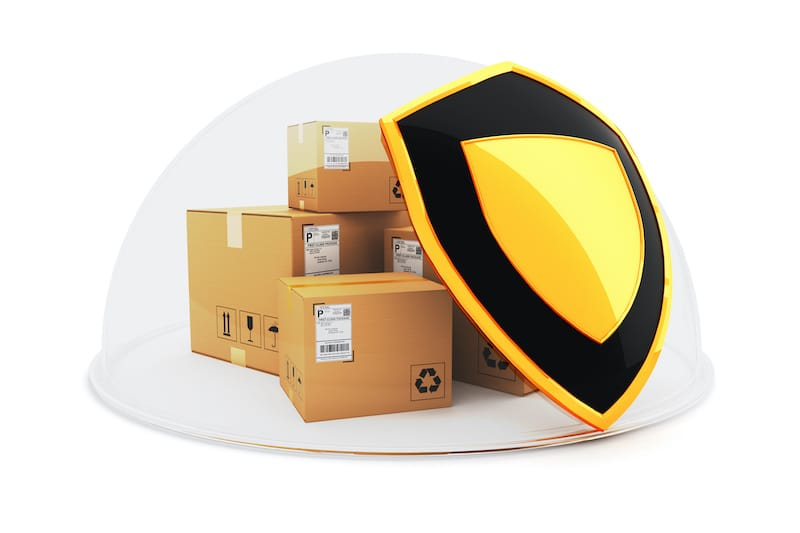
The cargo insurance protects your goods all the way to any Any FBA Warehouse

We handle all paperwork and other details for you.

Ensure safe packaging and loading of goods in your suppliers' factory.

Shipping time from China to Tanzania is affected by factors such as shipping method (air or sea), port congestion, customs processing, and the distance between specific cities. Air freight is quicker but more expensive, while sea freight is slower but cost-effective. Customs clearance and the efficiency of the logistics provider also play a significant role.
To expedite shipping, consider using air freight rather than sea freight. Additionally, choose express services offered by major logistics companies. Ensuring all customs paperwork is completed accurately and in advance can also speed up the process. Opting for reliable shipping companies with a track record of efficiency will help ensure faster delivery.
Air freight is significantly more expensive than sea freight. While air freight costs are calculated based on weight and volume and offer quicker delivery, sea freight is generally cheaper and calculated by cubic meter or container size but takes longer. Costs can vary depending on the shipping company and service level.
Customs regulations in Tanzania require proper documentation, including a commercial invoice, packing list, and bill of lading. Delays can occur if documentation is incomplete or inaccurate. Additionally, tariffs and duties may apply based on the type of goods being imported, affecting overall shipping time and cost.
Common shipping methods include sea freight, which is cost-effective for larger shipments but slower, and air freight, which is faster but more expensive. Other methods like express courier services are available for urgent deliveries. Each method has different transit times and cost structures.
Shipping distance plays a significant role in delivery time. Longer distances increase transit times, especially with sea freight, which can take several weeks. Air freight, though faster, still depends on the exact distance between departure and destination points, but typically reduces overall shipping time.
Express shipping services usually deliver within 1 to 3 weeks, depending on the provider and specific locations in Tanzania. Major express carriers like DHL, FedEx, and UPS offer expedited options that can speed up delivery compared to standard air or sea freight.
To track your shipment, use the tracking number provided by the shipping company. Most shipping companies offer online tracking tools on their websites. Additionally, freight forwarders and logistics providers can provide tracking updates and estimated delivery times.
Shipping costs vary based on the method (air vs. sea), weight, volume, and urgency. Sea freight is more economical for larger shipments but incurs longer transit times. Air freight is more expensive but faster. Additional costs may include customs duties, handling fees, and insurance.
Yes, there are restrictions on certain items due to Tanzanian import regulations. Prohibited or restricted items might include hazardous materials, counterfeit goods, and certain electronics. It's important to check Tanzanian import regulations and ensure your goods comply with local laws to avoid delays or penalties.
Operations refer to how vehicles are used, including the procedures and policies established for their operation. In the transport industry, both operations and infrastructure ownership can be managed by either the public or private sector.
Operations deal with the way vehicles are operated, as well as the procedures and policies established for this purpose. In the transport industry, both operations and infrastructure ownership can be either public or private.
Operations deal with how vehicles are operated, including the procedures and policies established for this purpose. In the transport industry, operations and infrastructure ownership can be either publicly or privately managed.