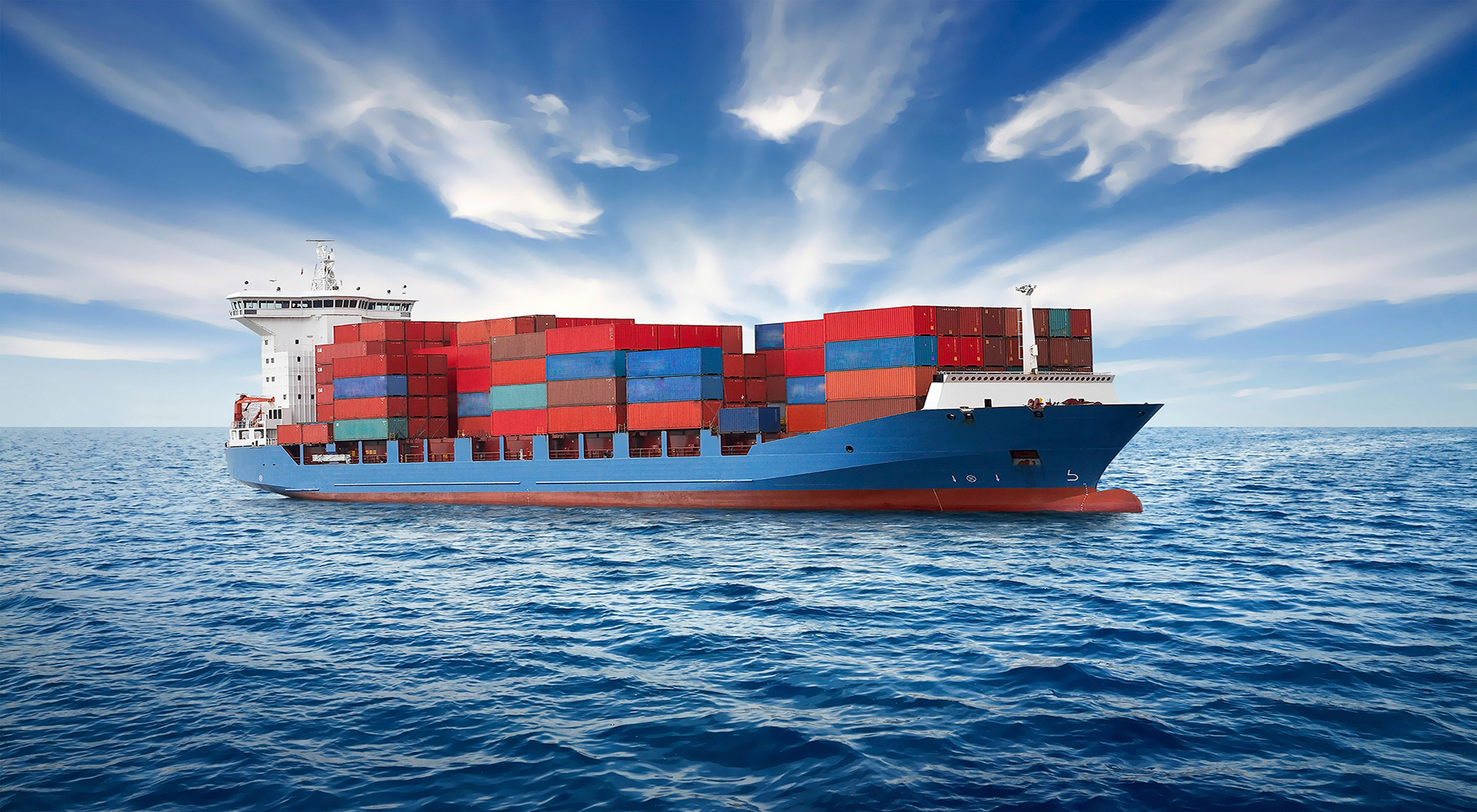
Global Supply Freight provides end-to-end logistics solutions for shipping from China to Thailand, covering sea freight, air freight, and door-to-door transport services. Supported by strong carrier partnerships and mature Southeast Asia routing experience, we help shippers achieve stable transit times, optimized freight costs, and consistent cargo visibility across all transport modes.
From export handling and documentation in China to customs coordination and inland delivery across Thailand, our experienced team manages every shipment with precision. Whether you are shipping industrial equipment, electronics, consumer goods, or cross-border e-commerce cargo, Global Supply Freight delivers secure, compliant, and scalable logistics solutions tailored to your business needs.
Our sea freight service from China to Thailand operates via major ports such as Laem Chabang and Bangkok, supported by frequent sailings and reliable carrier allocations. We ensure controlled transit times, secure cargo handling, and consistent shipment visibility throughout the ocean transport process.
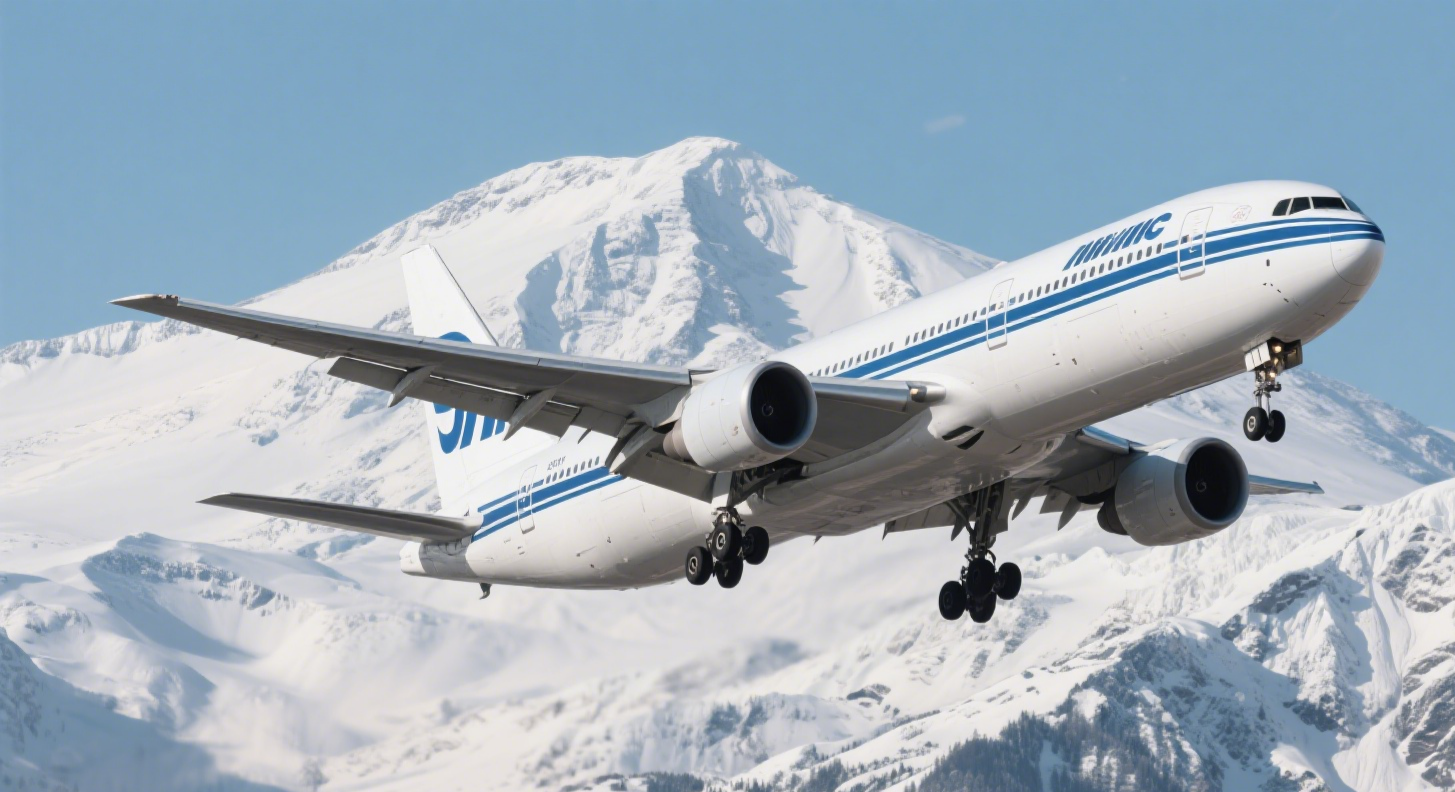
Global Supply Freight’s air freight service provides fast and secure shipping from major Chinese airports to Thailand. Designed for time-sensitive and high-value cargo, this solution ensures shortened transit times, priority handling, and end-to-end cargo tracking supported by experienced air freight professionals.
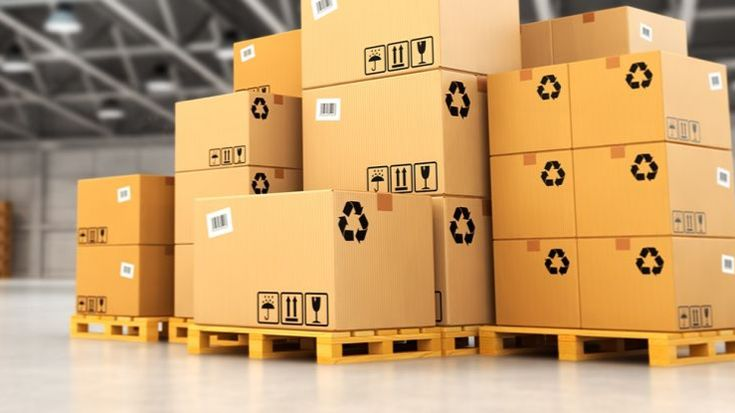
Our door-to-door service from China to Thailand covers cargo pickup, export customs clearance, international transportation, import coordination, and final inland delivery. This integrated solution reduces logistics complexity, improves delivery reliability, and provides importers with a streamlined and efficient shipping experience.

Global Supply Freight’s FCL (Full Container Load) shipping service from China to Thailand is ideal for shippers moving large volumes that require exclusive container use. This option enhances cargo security, minimizes handling risks, and ensures more predictable vessel schedules. We manage container booking, export documentation, port operations, and customs coordination to maintain stable transit performance and clear cost control.
Our LCL (Less than Container Load) shipping service from China to Thailand is designed for smaller shipments that do not fill a full container. By consolidating cargo efficiently, Global Supply Freight helps reduce overall freight costs while maintaining reliable transit times. We handle consolidation, warehouse operations, export clearance, deconsolidation at destination ports, and inland delivery, ensuring secure handling and consistent service quality throughout the shipping process.
Global Supply Freight will provide most fuel efficient pickup service China
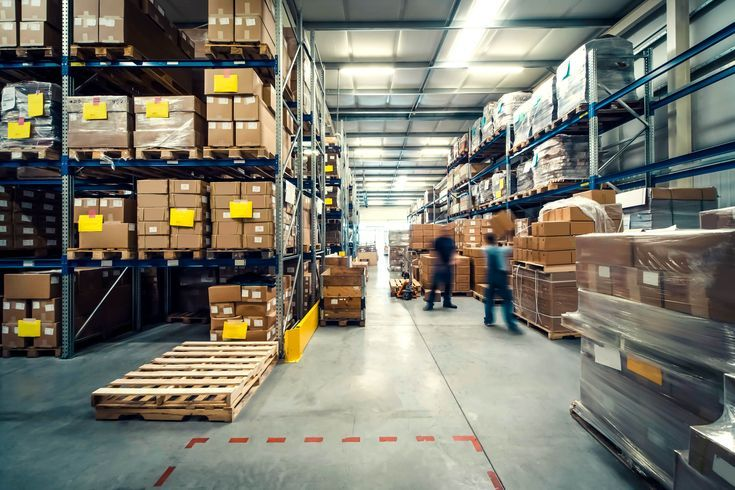
We provide free warehousing services for any of your goods.
The cargo insurance protects your goods all the way to any Any FBA Warehouse
We handle all paperwork and other details for you.

Ensure safe packaging and loading of goods in your suppliers' factory.

Shipping time from China to Thailand is influenced by the mode of transport (air or sea), route taken, customs clearance, and potential delays at ports. Air freight is faster but more expensive, while sea freight is slower but cost-effective. Customs procedures and unforeseen delays can also impact delivery times.
To track a shipment from China to Thailand, use the tracking number provided by your freight forwarder or carrier. Most carriers offer online tracking services on their websites or apps, allowing you to monitor the shipment's status and location in real-time.
Customs requirements include providing accurate documentation such as the commercial invoice, packing list, and bill of lading. Ensure compliance with Thai import regulations and pay any applicable duties and taxes. Accurate and complete documentation helps avoid delays and penalties.
Yes, certain goods may face restrictions or require special permits. Prohibited items include hazardous materials and counterfeit goods. Check with Thai customs regulations to ensure that your shipment complies with import restrictions and requires no special permits.
Air freight is generally more expensive than sea freight due to its faster delivery times. The cost varies based on weight, volume, and urgency. Sea freight, while more cost-effective, involves longer transit times. Comparing quotes from different carriers can help you choose the best option.
To select a reliable freight forwarder, review their reputation, customer reviews, and safety records. Ensure they have experience with routes between China and Thailand and can provide comprehensive services including customs clearance and tracking.
Express shipping services offer faster delivery times, often within 1 to 3 days, and enhanced tracking options. They are ideal for urgent shipments but come at a higher cost compared to standard air or sea freight.
Use quality packaging materials suited for your cargo type. For added protection, consider insurance coverage and choose carriers with good safety records. Secure fragile items and ensure proper labeling to prevent damage during transit.
Contact your freight forwarder or carrier for an update on the delay. They can provide information on the shipment's status and reasons for the delay. Review your tracking details and maintain communication to resolve any issues promptly.
Yes, perishable goods can be shipped from China to Thailand using air freight, which is faster and more suitable for such items. Ensure proper packaging and temperature control to maintain freshness and comply with Thai import regulations for perishable items.
Operations deal with the way vehicles are operated, as well as the procedures and policies established for this purpose. In the transport industry, both operations and infrastructure ownership can be either public or private.
Operations refer to how vehicles are used, including the procedures and policies established for their operation. In the transport industry, both operations and infrastructure ownership can be managed by either the public or private sector.
Operations deal with how vehicles are operated, including the procedures and policies established for this purpose. In the transport industry, both operations and infrastructure ownership can be either public or private.