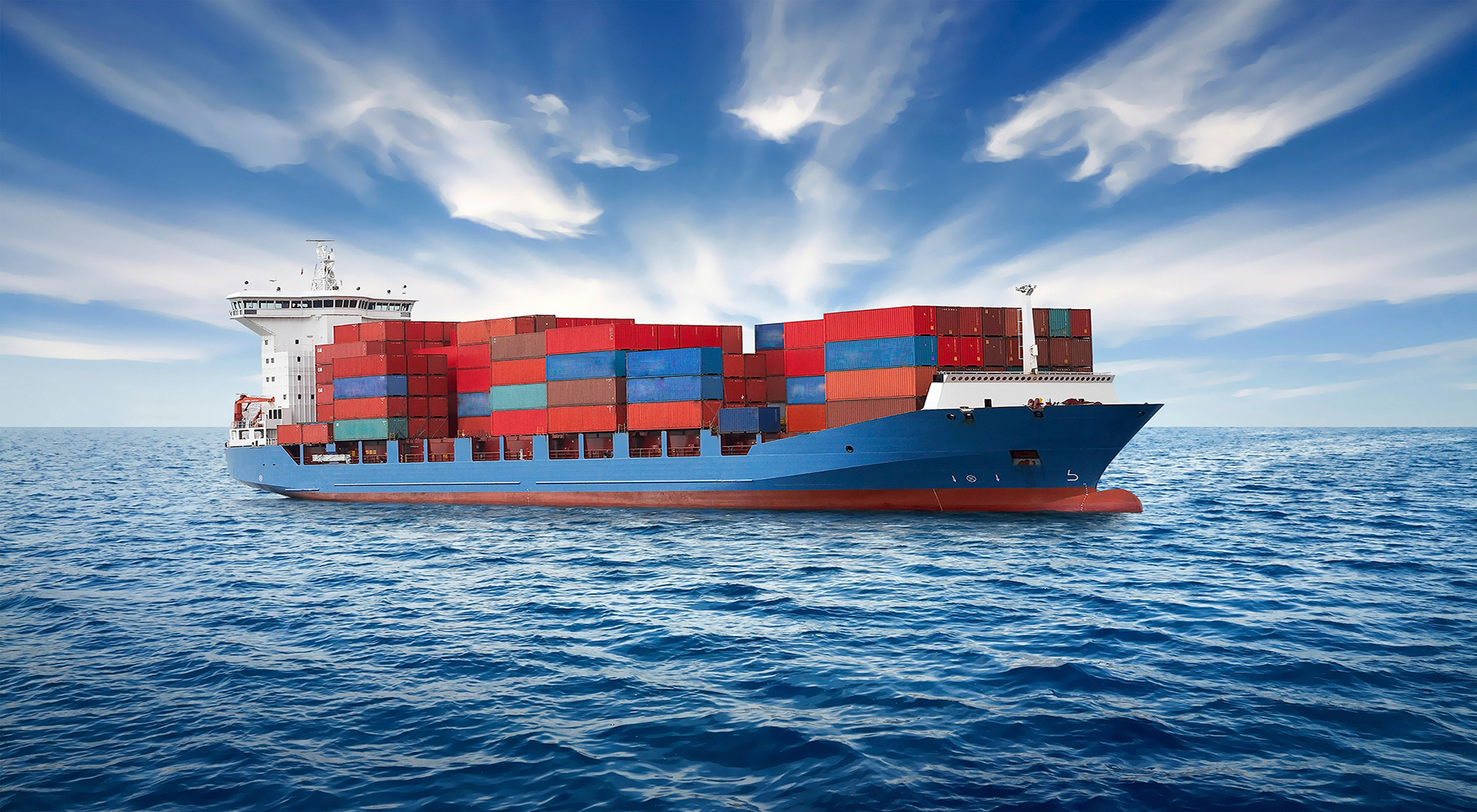
Global Supply Freight provides end-to-end logistics solutions for shipping from China to Venezuela, covering sea freight, air freight, and door-to-door transport services. Supported by reliable carrier partnerships and established Latin America routing experience, we help shippers achieve stable transit times, optimized freight costs, and consistent cargo visibility across all transport modes.
From export handling and documentation in China to customs coordination and inland distribution throughout Venezuela, our experienced team manages every shipment with precision. Whether you are transporting industrial equipment, consumer goods, automotive parts, or project cargo, Global Supply Freight delivers secure, compliant, and scalable logistics solutions tailored to your operational requirements.
Our sea freight service from China to Venezuela operates via major Chinese ports with arrivals at key gateways such as La Guaira and Puerto Cabello. With controlled routing and reliable carrier schedules, we ensure secure cargo handling, predictable transit times, and full shipment visibility throughout the ocean freight process.
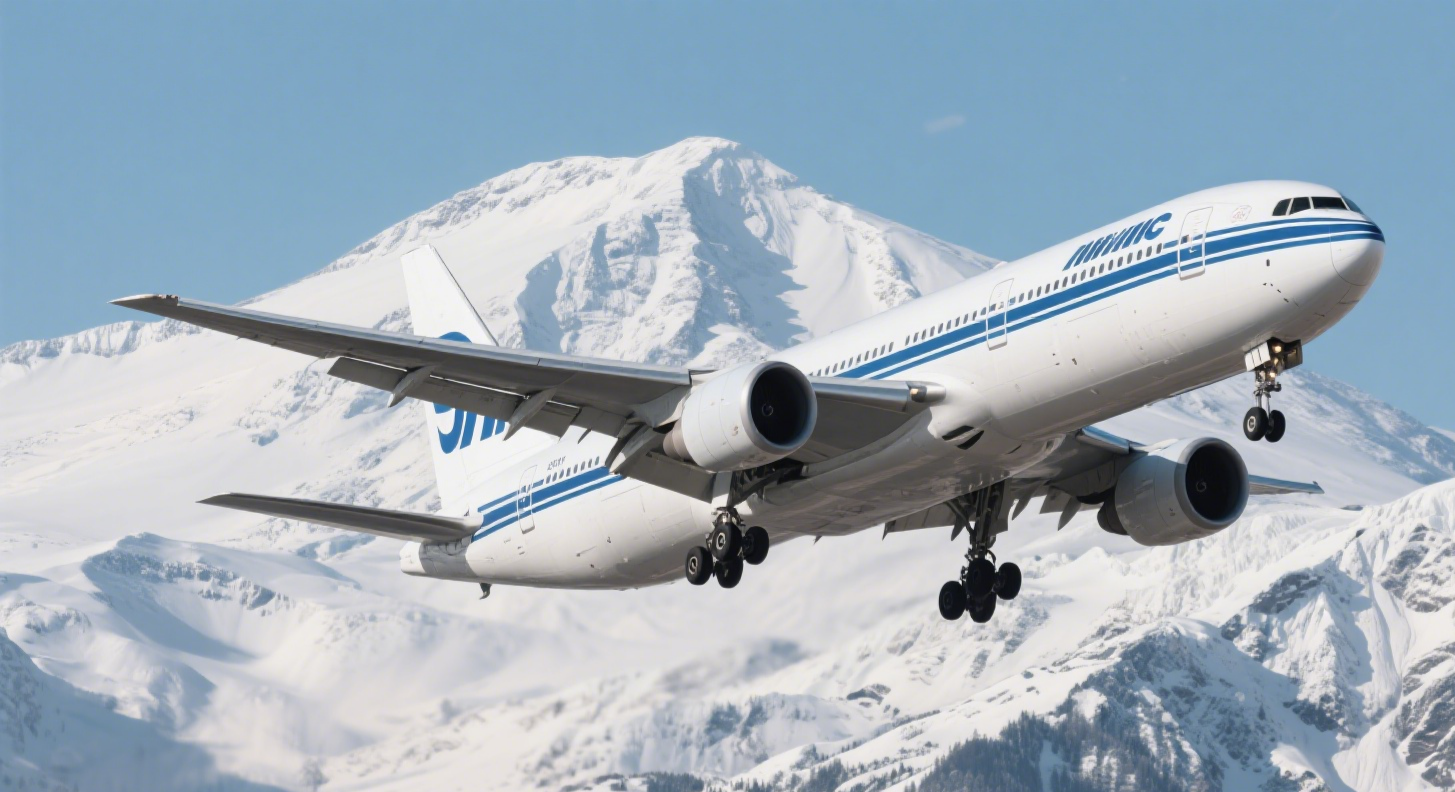
Global Supply Freight's air freight service provides fast and dependable shipping from major Chinese airports to Venezuela. This solution is ideal for urgent, high-value, or time-sensitive cargo, offering reduced transit times, priority handling, and end-to-end tracking supported by experienced air logistics specialists.
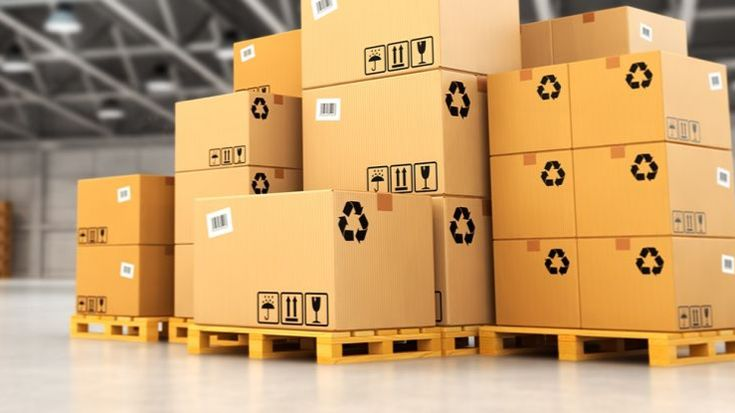
Our door-to-door service from China to Venezuela covers cargo pickup, export customs clearance, international transportation, import customs coordination, and final inland delivery. This integrated solution simplifies logistics management, improves delivery reliability, and ensures a smooth and predictable shipping experience for importers and distributors.

Global Supply Freight’s FCL (Full Container Load) shipping service from China to Venezuela is designed for shippers with large-volume cargo requiring exclusive container usage. This option enhances cargo security, reduces handling risks, and improves schedule stability. We manage container booking, export documentation, port operations, customs clearance, and inland transport to ensure stable transit performance and transparent cost control.
Our LCL (Less than Container Load) shipping service from China to Venezuela is ideal for smaller shipments that do not require a full container. Through efficient cargo consolidation and optimized South America routing, Global Supply Freight helps reduce freight costs while maintaining reliable transit times. We handle consolidation, warehouse operations, export clearance, destination deconsolidation, customs processing, and inland delivery to ensure consistent service quality and cargo safety throughout the shipping process.
Global Supply Freight will provide most fuel efficient pickup service China
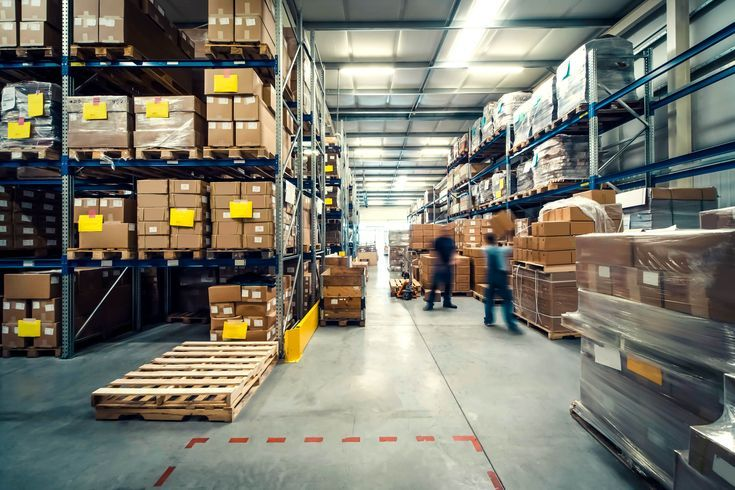
We provide free warehousing services for any of your goods.
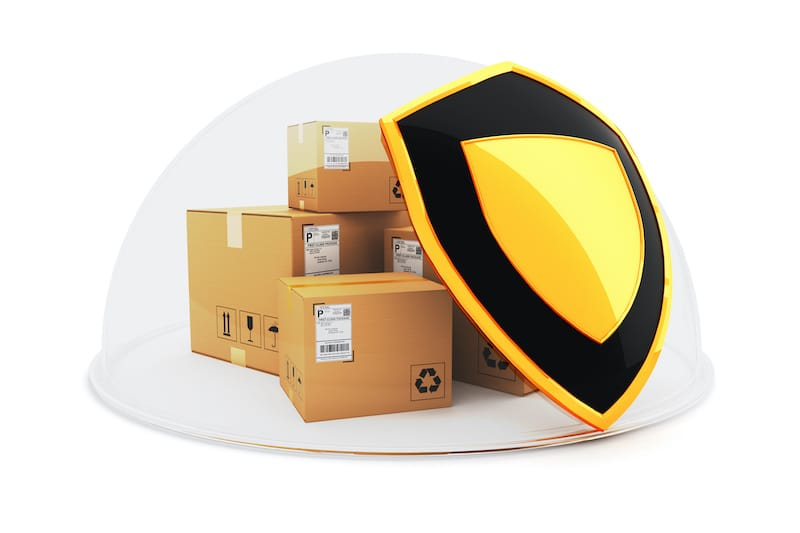
The cargo insurance protects your goods all the way to any Any FBA Warehouse
We handle all paperwork and other details for you.

Ensure safe packaging and loading of goods in your suppliers' factory.
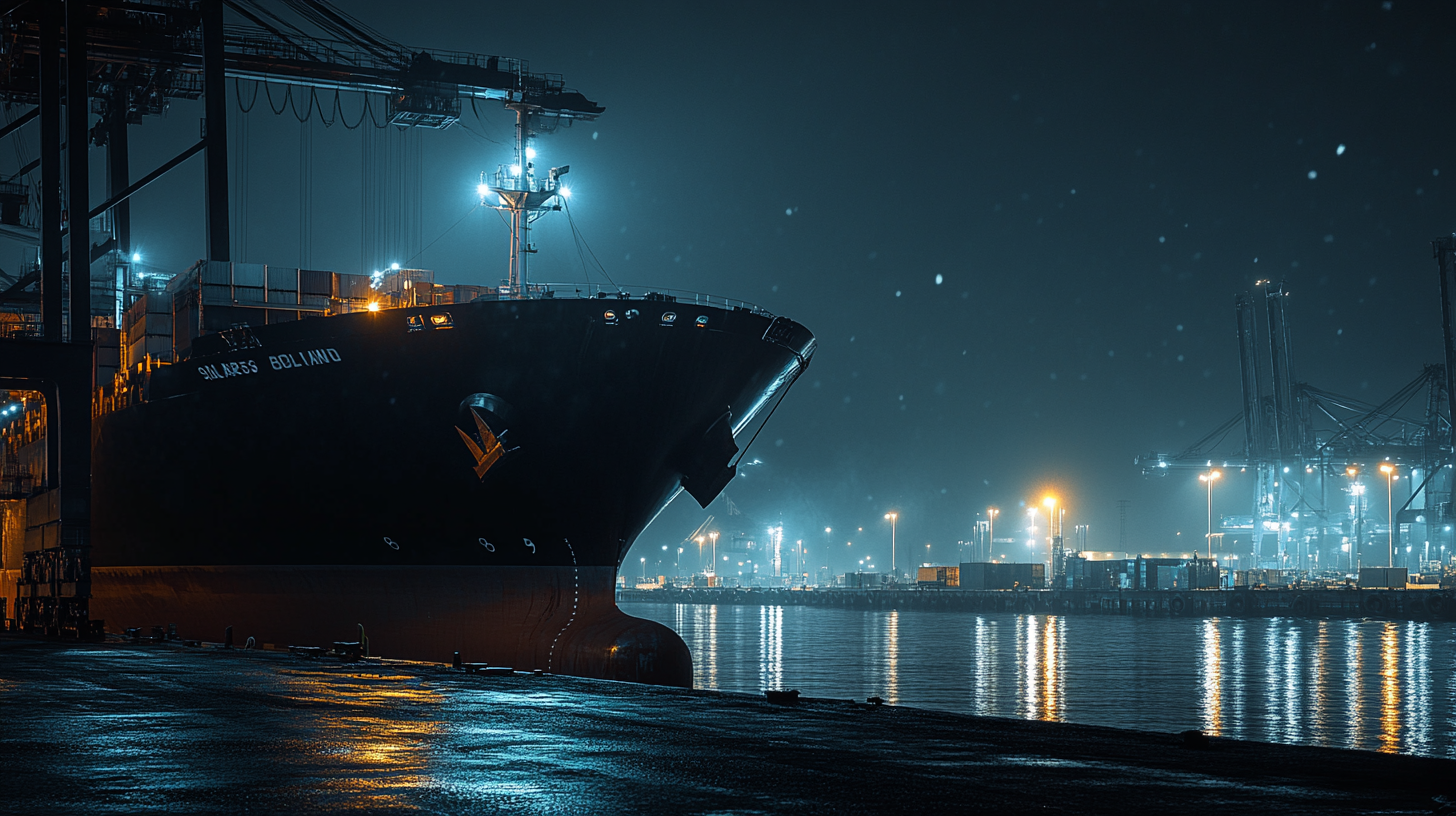
Shipping time from China to Venezuela can be influenced by several factors, including the mode of transport (sea or air), weather conditions, customs clearance processes, shipping routes, and the efficiency of the logistics companies involved. Sea freight typically takes longer, ranging from 25 to 45 days, while air freight is faster, usually taking 7 to 14 days. Delays can also occur due to port congestion, holidays, or unforeseen events.
Sea freight is generally more cost-effective but slower compared to air freight. Sea freight from China to Venezuela can take around 25 to 45 days and is suitable for large, heavy shipments. In contrast, air freight is much faster, typically taking 7 to 14 days, but it is significantly more expensive. Businesses often choose sea freight for bulk goods to save costs and air freight for urgent or high-value items.
Essential documents for shipping goods from China to Venezuela include the commercial invoice, packing list, bill of lading (for sea freight) or airway bill (for air freight), certificate of origin, and any required import licenses or permits. Proper documentation ensures smooth customs clearance and avoids delays. Both exporters and importers must ensure that all paperwork complies with the regulations of both countries.
Major ports in China include Shanghai, Ningbo, and Shenzhen. In Venezuela, the main ports are Puerto Cabello and La Guaira. These ports handle a significant volume of cargo, facilitating international trade. The choice of port can affect shipping time and costs, with larger ports often providing more frequent and reliable shipping services.
Businesses can track their shipments using tracking numbers provided by the logistics companies. Most shipping companies offer online tracking systems where clients can enter their tracking numbers to see the real-time status of their shipments. This tracking includes details such as departure and arrival times, current location, and any delays or issues encountered during transit.
Common challenges include customs clearance delays, port congestion, and varying regulatory requirements. Political and economic instability in Venezuela can also impact shipping times and costs. Logistics companies must navigate these challenges by staying updated with regulatory changes, ensuring proper documentation, and maintaining good communication with both Chinese and Venezuelan authorities.
To reduce shipping time, businesses should plan shipments well in advance, choose reliable logistics partners, and ensure all documentation is accurate and complete. Opting for direct shipping routes, avoiding peak shipping seasons, and using expedited shipping services when necessary can also help minimize delays. Effective communication with suppliers and logistics providers is crucial for timely deliveries.
The choice of shipping company can significantly impact the efficiency, cost, and reliability of the shipping process. Reputable shipping companies offer better tracking systems, faster customs clearance, and more reliable schedules. They also provide customer support to address any issues that arise during transit. Selecting a well-established company with a strong network can ensure smoother and more predictable shipping operations.
Shipping goods internationally contributes to carbon emissions and other environmental impacts. Sea freight generally has a lower carbon footprint per ton-kilometer compared to air freight, but it still contributes to marine pollution and greenhouse gas emissions. Companies can mitigate these impacts by optimizing shipping routes, consolidating shipments to reduce frequency, and choosing logistics providers committed to sustainable practices.
Operations refer to how vehicles are used, including the procedures and policies established for their operation. In the transport industry, both operations and infrastructure ownership can be managed by either the public or private sector.
Operations deal with how vehicles are operated, including the procedures and policies established for this purpose. In the transport industry, both operations and infrastructure ownership can be either public or private.
Operations deal with the way vehicles are operated, as well as the procedures and policies established for this purpose. In the transport industry, both operations and infrastructure ownership can be either public or private.