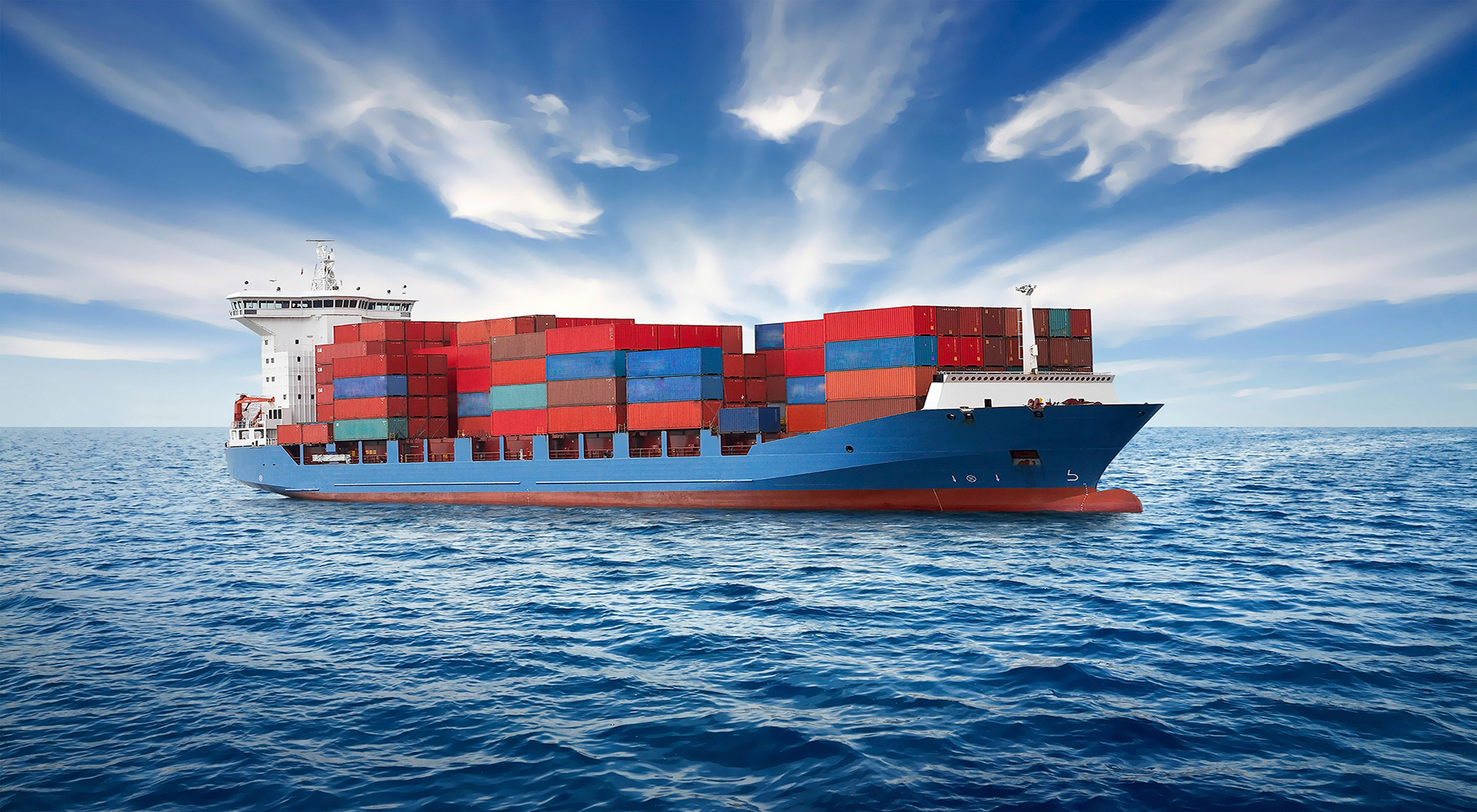
Global Supply Freight provides end-to-end logistics solutions for shipping from China to Wallis and Futuna, covering sea freight, air freight, and door-to-door transport services. Supported by reliable carrier partnerships and established Pacific Islands routing experience, we help shippers achieve stable transit times, optimized freight costs, and consistent cargo visibility across all transport modes.
From export handling and documentation in China to customs coordination and final delivery across Wallis and Futuna, our experienced team manages every shipment with precision. Whether you are transporting construction materials, consumer goods, food supplies, or project cargo, Global Supply Freight delivers secure, compliant, and scalable logistics solutions tailored to remote island supply chain requirements.
Our sea freight service from China to Wallis and Futuna is arranged via major Chinese ports with transshipment through regional Pacific hubs before arrival at Mata-Utu. With controlled routing and dependable sailing schedules, we ensure secure cargo handling, predictable transit times, and full shipment visibility throughout the ocean freight process.
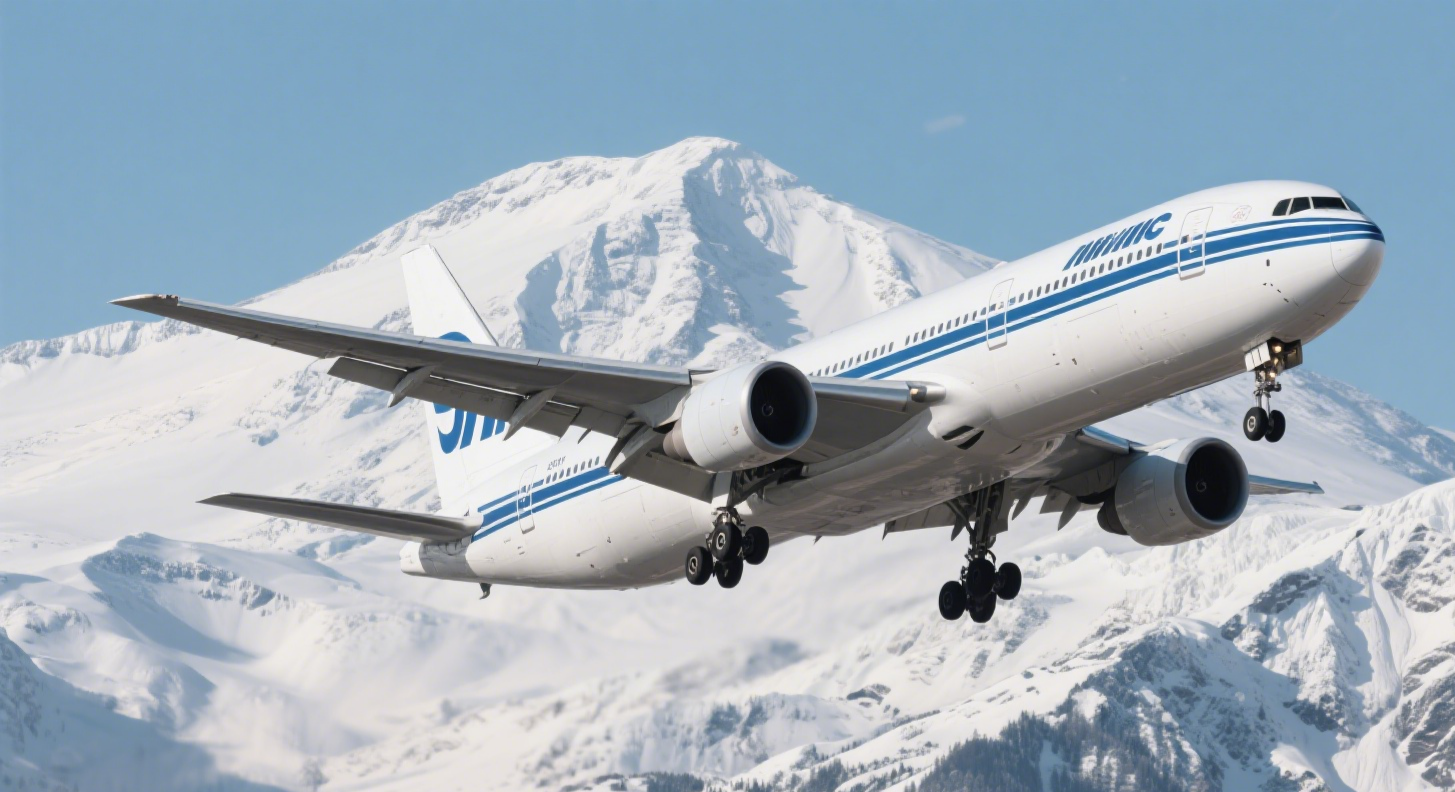
Global Supply Freight’s air freight service provides fast and reliable shipping from major Chinese airports to Wallis and Futuna, primarily via Nouméa and onward connections. This solution is ideal for urgent, high-value, or time-sensitive cargo, offering reduced transit times, priority handling, and end-to-end tracking supported by professional air logistics coordination.
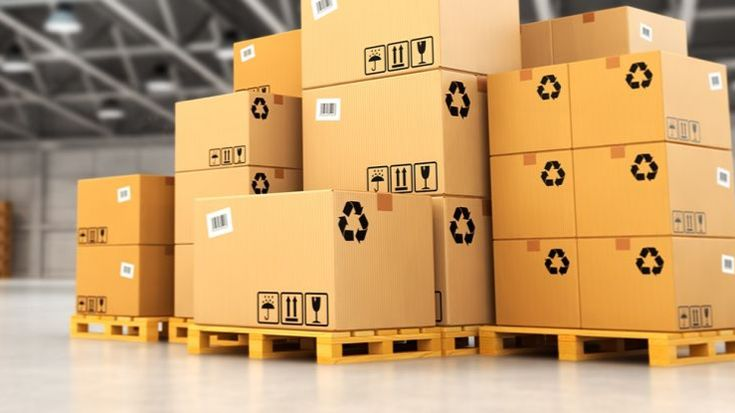
Our door-to-door service from China to Wallis and Futuna covers cargo pickup, export customs clearance, international transportation, import customs coordination, and final local delivery. This integrated solution simplifies logistics management, improves delivery reliability, and ensures a smooth shipping experience for importers, government projects, and aid organizations.

Global Supply Freight’s FCL (Full Container Load) shipping service from China to Wallis and Futuna is suitable for shippers moving large volumes that require exclusive container usage. This option enhances cargo security, reduces handling risks, and improves shipment predictability. We manage container booking, export documentation, port operations, destination coordination, and customs procedures to ensure stable transit performance and transparent cost control.
Our LCL (Less than Container Load) shipping service from China to Wallis and Futuna is designed for smaller shipments that do not require a full container. Through efficient cargo consolidation and optimized Pacific routing, Global Supply Freight helps reduce freight costs while maintaining reliable transit times. We handle consolidation, warehouse operations, export clearance, destination deconsolidation, customs processing, and inland delivery to ensure consistent service quality and cargo safety throughout the shipping process.
Global Supply Freight will provide most fuel efficient pickup service China
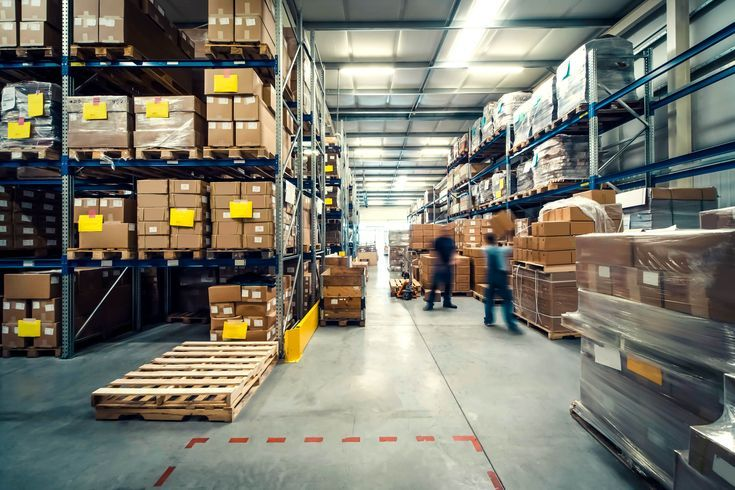
We provide free warehousing services for any of your goods.
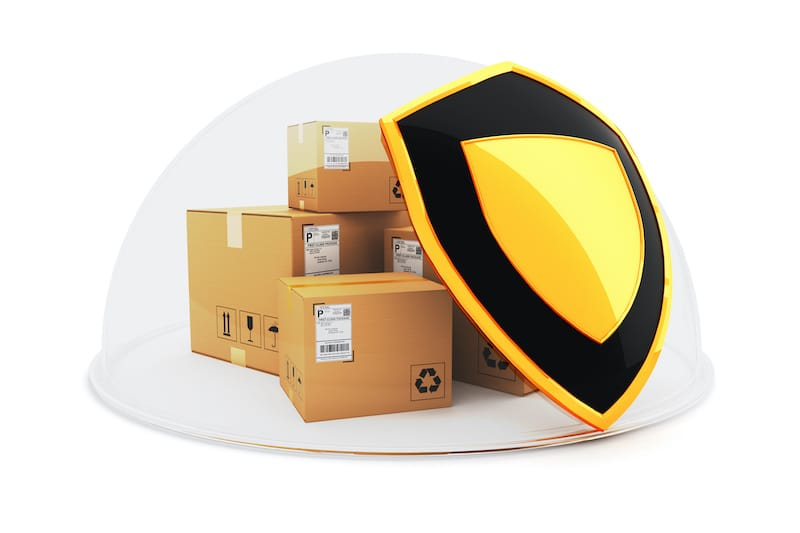
The cargo insurance protects your goods all the way to any Any FBA Warehouse
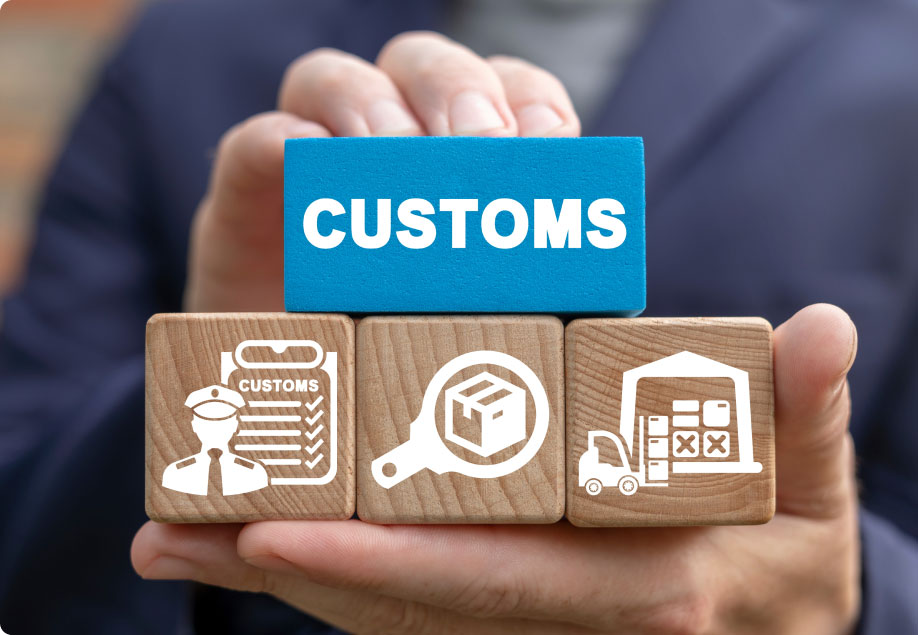
We handle all paperwork and other details for you.

Ensure safe packaging and loading of goods in your suppliers' factory.
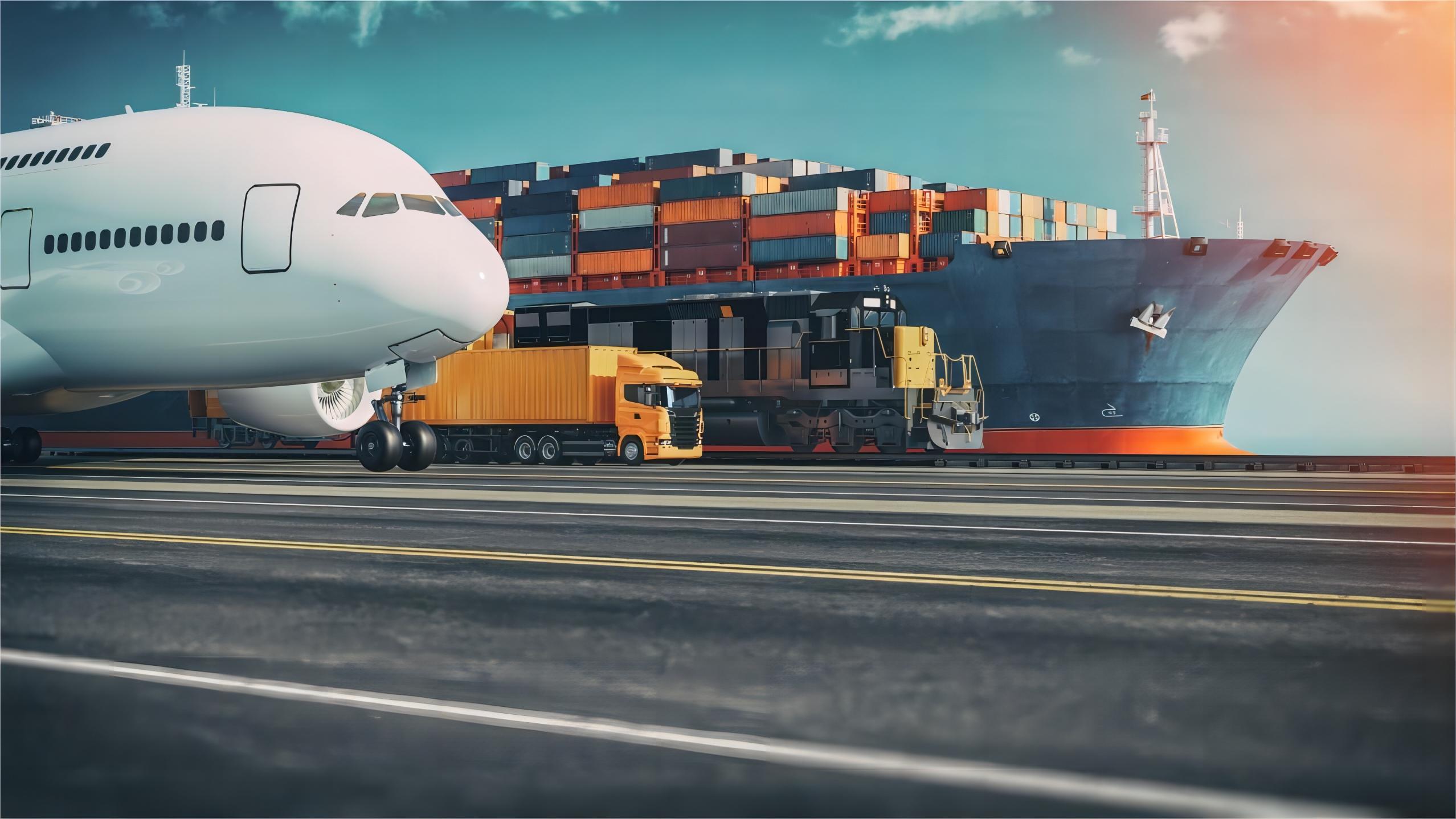
To start shipping goods from China to Wallis and Futuna, you should select a reputable freight forwarder, ensure proper packaging, obtain insurance, and comply with relevant regulations. Utilizing tracking systems and implementing security measures are also crucial for safe transit.
Research freight forwarders with experience in shipping to Wallis and Futuna. Check their safety records, compliance with international regulations, and customer reviews. This helps ensure they have a proven track record in handling similar shipments.
Use high-quality, padded packaging materials for fragile items to protect them from damage. Ensure the packaging is durable and appropriately sized for the goods to minimize movement and potential impact during transit.
For high-value goods, opt for comprehensive insurance coverage that includes protection against loss, theft, and damage. Review policy details to ensure adequate coverage and consider additional insurance if needed for particularly valuable items.
Ensure all required documentation is accurate and complete, including customs declarations and shipping invoices. Familiarize yourself with both international and Wallis and Futuna-specific regulations to avoid delays or fines.
Freight forwarders often provide tracking systems that offer real-time updates on your shipment's location and status. Utilize these technologies to monitor progress and address any issues that may arise during transit.
Employ measures such as using sealed containers, securing storage facilities, and monitoring the loading and unloading process to safeguard your shipments from theft or unauthorized access.
Identify potential risks such as adverse weather conditions or transportation delays. Develop contingency plans to address these risks and ensure that you can manage any issues that might arise during transit.
Personnel involved in handling and shipping should receive training on safety procedures, compliance requirements, and protocols for dealing with hazardous materials and emergencies.
Regularly evaluate your shipping processes based on feedback, incident reports, and industry updates. Implement changes and improvements to enhance efficiency, reduce risks, and ensure the safe delivery of goods.
Operations deal with how vehicles are operated, including the procedures and policies established for this purpose. In the transport industry, both operations and infrastructure ownership can be either public or private.
Operations refer to how vehicles are used, including the procedures and policies established for their operation. In the transport industry, both operations and infrastructure ownership can be managed by either the public or private sector.
Operations deal with the way vehicles are operated, as well as the procedures and policies established for this purpose. In the transport industry, both operations and infrastructure ownership can be either public or private.