Global Supply Freight provides dependable and cost-efficient logistics solutions for shipping from China to Zimbabwe, covering sea freight, air freight, and integrated door-to-door transport services. With proven experience in Southern Africa trade lanes and landlocked country logistics, we help shippers achieve stable transit times, optimized freight costs, and compliant cargo movement.
From export documentation and cargo handling in China to international transportation, regional border customs coordination, and inland delivery across Zimbabwe, our professional team manages every stage with precision. Whether shipping mining equipment, agricultural machinery, consumer goods, or commercial cargo, Global Supply Freight delivers secure and scalable solutions tailored to Zimbabwe-bound shipments.
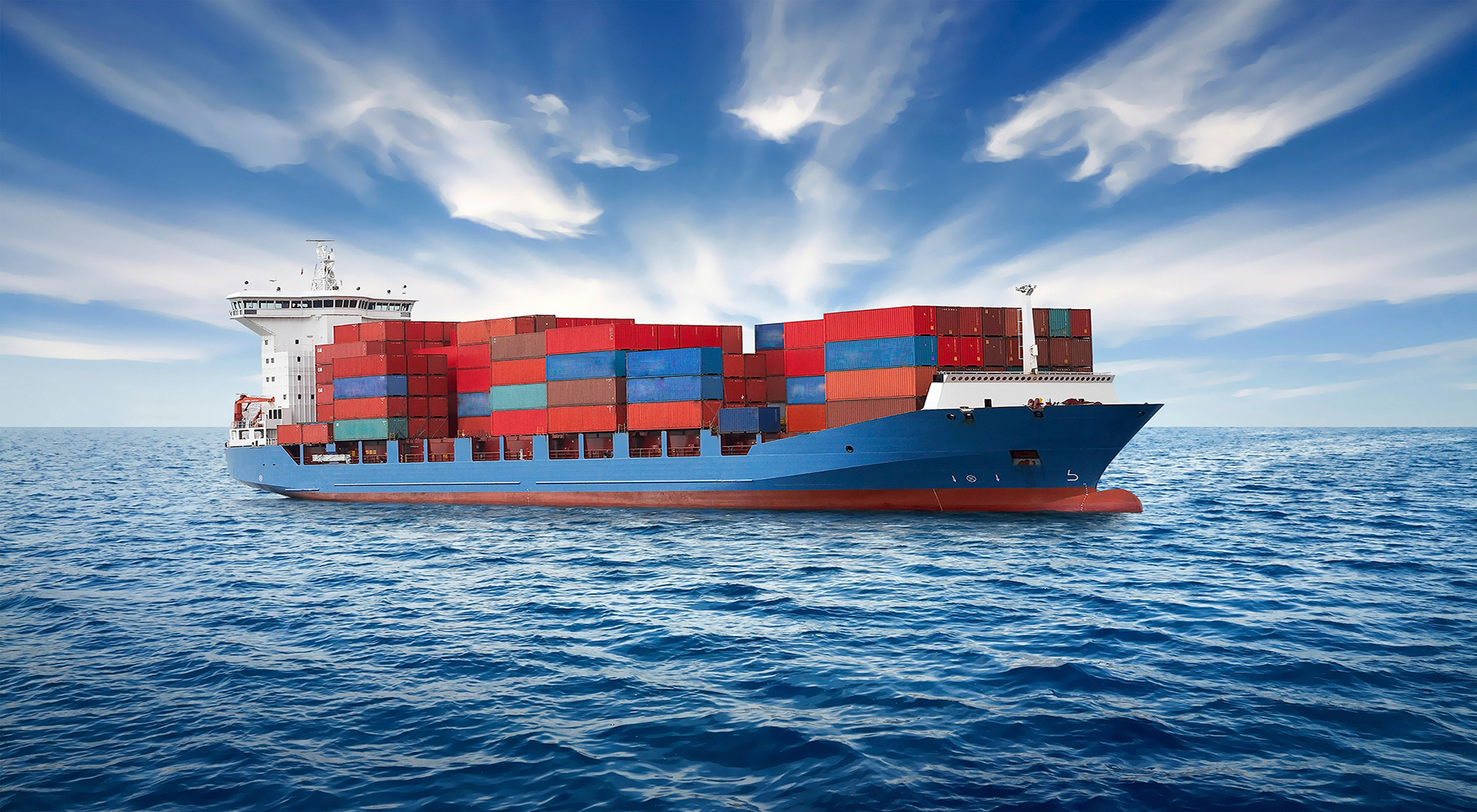
Our sea freight service from China to Zimbabwe operates via major Chinese ports with discharge at key Southern African seaports, followed by inland transport to Zimbabwe. This option is ideal for heavy cargo, project shipments, and cost-sensitive freight, offering reliable sailing schedules, secure container handling, and full shipment visibility.
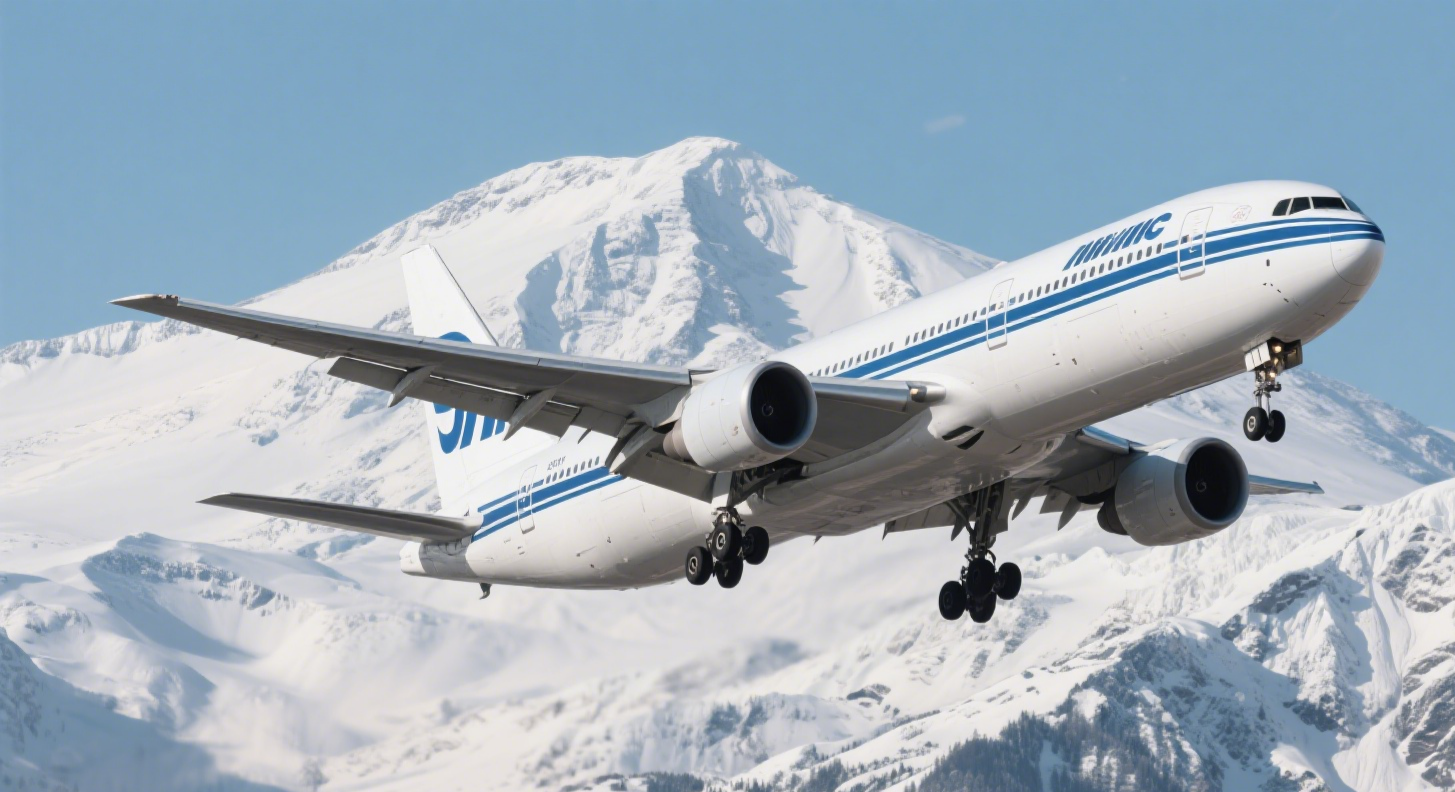
Global Supply Freight's air freight service from China to Zimbabwe is designed for urgent, high-value, or time-critical cargo. Shipments move through approved international aviation hubs, ensuring fast transit, priority handling, and strict cargo security. We manage air booking, export clearance, cargo screening, and delivery coordination efficiently.

Our door-to-door service from China to Zimbabwe provides a fully integrated logistics solution, including pickup, export customs clearance, international transportation, border procedures, and final inland delivery. This service reduces operational complexity, improves shipment control, and ensures predictable delivery timelines for importers.

Global Supply Freight’s FCL (Full Container Load) shipping service from China to Zimbabwe is ideal for large-volume shipments requiring exclusive container use. FCL shipping enhances cargo security, minimizes handling risks, and improves schedule reliability. We manage container booking, carrier coordination, export documentation, port operations, customs processing, and inland transport to the final destination.
Our LCL (Less than Container Load) shipping service from China to Zimbabwe is suitable for smaller shipments that do not require a full container. Through efficient cargo consolidation and optimized Southern Africa routing, Global Supply Freight helps control freight costs while maintaining stable transit performance. We handle consolidation, export clearance, destination deconsolidation, customs coordination, and final delivery with consistency.
Global Supply Freight will provide most fuel efficient pickup service China

We provide free warehousing services for any of your goods.
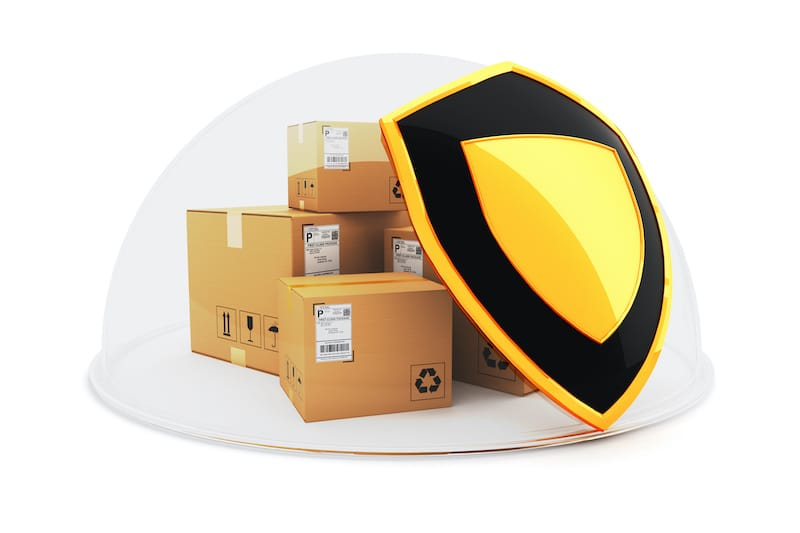
The cargo insurance protects your goods all the way to any Any FBA Warehouse

We handle all paperwork and other details for you.

Ensure safe packaging and loading of goods in your suppliers' factory.

Shipping time from China to Zimbabwe can range from 7 to 30 days, depending on the shipping method. Standard sea freight might take longer, around 4-6 weeks, while air freight generally takes 7-14 days. Factors like customs processing and local delivery can also influence the total transit time.
Several factors affect shipping duration, including the shipping method (air vs. sea), customs processing times, weather conditions, and the efficiency of the logistics companies involved. Additionally, any disruptions in international trade or political issues can impact delivery times.
Yes, expedited shipping options are available, such as express air freight services provided by companies like DHL, FedEx, or UPS. These services can significantly reduce shipping time, often delivering within 3-7 business days, though they are more expensive compared to standard shipping methods.
Sea freight is generally more cost-effective for larger and heavier shipments but takes longer, usually 4-6 weeks. Air freight, while faster (7-14 days), is more expensive and is often chosen for smaller, urgent shipments. Costs vary based on weight, volume, and specific service providers.
Customs clearance can impact shipping times significantly. Delays may occur if there are issues with documentation, duties, or inspections. Properly preparing and submitting accurate customs paperwork can help avoid unnecessary delays. Customs procedures in Zimbabwe can vary, affecting overall delivery times.
Common shipping methods include sea freight (both FCL and LCL), air freight, and express courier services. Sea freight is suitable for bulk shipments, while air freight and express services are used for smaller or urgent deliveries. Each method has different timeframes and cost implications.
Tracking information is typically provided by the shipping carrier or logistics company. You can track your shipment using tracking numbers through the carrier’s website or app. For international shipments, tracking might also be available through third-party tracking services that aggregate information from multiple carriers.
Required documents generally include a commercial invoice, packing list, bill of lading (for sea freight) or air waybill (for air freight), and customs declaration forms. Depending on the goods being shipped, additional permits or certificates may be required, especially for regulated items.
Customs duties and taxes vary depending on the type of goods and their value. Zimbabwean customs authorities apply duties based on the Harmonized System (HS) codes of the products. Importers should check with the Zimbabwe Revenue Authority (ZIMRA) for specific rates and requirements to ensure compliance.
To reduce shipping costs, consider consolidating shipments to maximize volume, choosing sea freight over air freight for non-urgent deliveries, and negotiating rates with logistics providers. Additionally, proper packaging to minimize weight and volume can help lower shipping fees. Regularly reviewing and comparing service providers can also yield cost savings.
Operations deal with the way vehicles are operated, as well as the procedures and policies established for this purpose. In the transport industry, both operations and infrastructure ownership can be either public or private.
Operations deal with how vehicles are operated, including the procedures and policies established for this purpose. In the transport industry, operations and infrastructure ownership can be either publicly or privately managed.
Operations deal with how vehicles are operated, including the procedures and policies established for this purpose. In the transport industry, both operations and infrastructure ownership can be either public or private.