Shipping from China to Cayman Islands

Services

What we do

Services

img

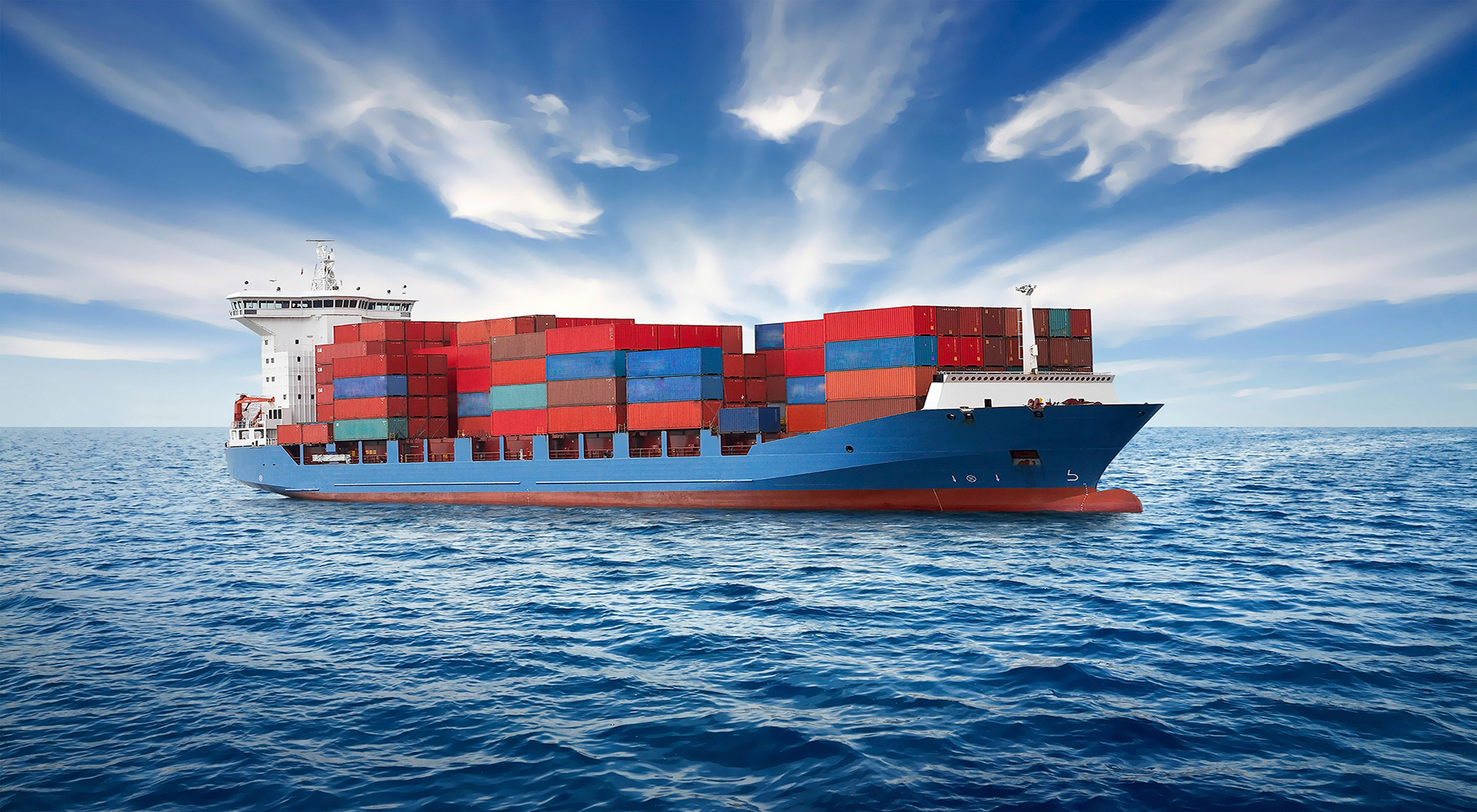
Sea Freight From China To Cayman Islands

Global Supply Freight provides reliable sea freight services from China to the Cayman Islands via established Caribbean transshipment hubs. This solution is ideal for bulk cargo, machinery, construction materials, and non-urgent commercial shipments. Sea freight offers cost efficiency and stable capacity for island supply planning. We manage carrier selection, space booking, documentation, feeder coordination, and destination port handling to ensure smooth delivery.

img

Air Freight From China To Cayman Islands

Global Supply Freight offers fast and secure air freight services from China to the Cayman Islands for time-sensitive shipments. This option is suitable for electronics, spare parts, samples, and high-value commercial goods. Air freight helps shorten supply cycles and reduce inventory pressure. We arrange airline space, routing, customs coordination, and airport handling to ensure controlled delivery.


img

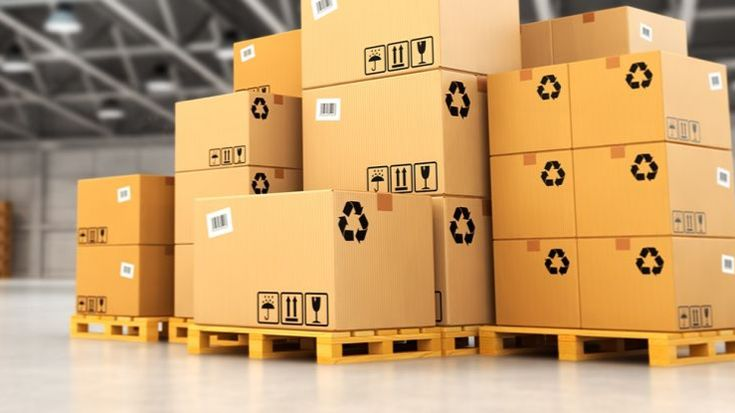
Door to Door Shipping from China to Cayman Islands

Global Supply Freight delivers integrated door-to-door logistics solutions from China to the Cayman Islands under one unified transport plan. This service is designed for importers seeking simplified operations and predictable landed costs. Door-to-door logistics reduces coordination complexity across multiple transport stages. We handle pickup, export clearance, international transport, import customs support, and final inland delivery across the islands.

FCL Shipping from China To Cayman Islands

Full Container Load (FCL) shipping is the most efficient solution for large-volume, heavy, or high-value cargo moving from China to the Cayman Islands. With a dedicated container exclusively assigned to your shipment, Global Supply Freight ensures enhanced cargo security and improved schedule control.

FCL services support 20GP, 40GP, and 40HQ containers and are widely used for construction materials, industrial machinery, generators, furniture, vehicles, and bulk commercial goods shipped to the Cayman Islands.

LCL Shipping from China To Cayman Islands

Less than Container Load (LCL) shipping is a cost-effective option for smaller or irregular shipments that do not require a full container. Global Supply Freight consolidates compatible cargo at origin to reduce freight costs while maintaining professional handling standards.

LCL services are commonly used for consumer goods, electronics, spare parts, mixed cargo, and small commercial shipments. Our China–Cayman Islands LCL solutions ensure flexible and reliable delivery.

Features

More Services Shipping from China To Cayman Islands

img

Pickup and Delivery

Global Supply Freight will provide most fuel efficient pickup service China
img

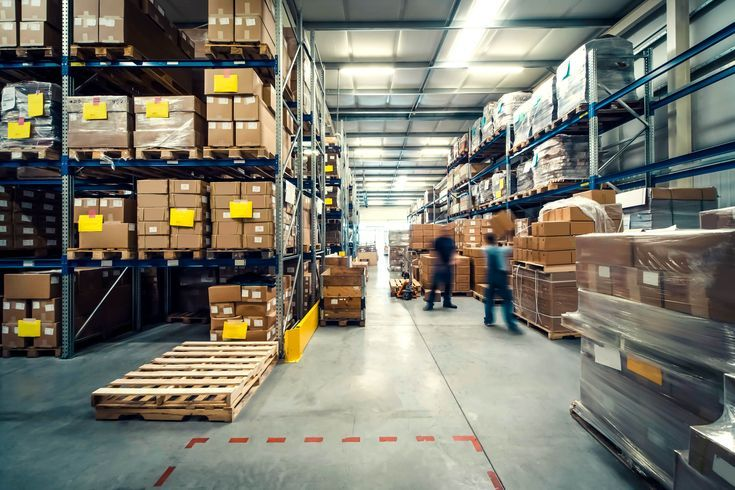
Warehousing

We provide free warehousing services for any of your goods.
img

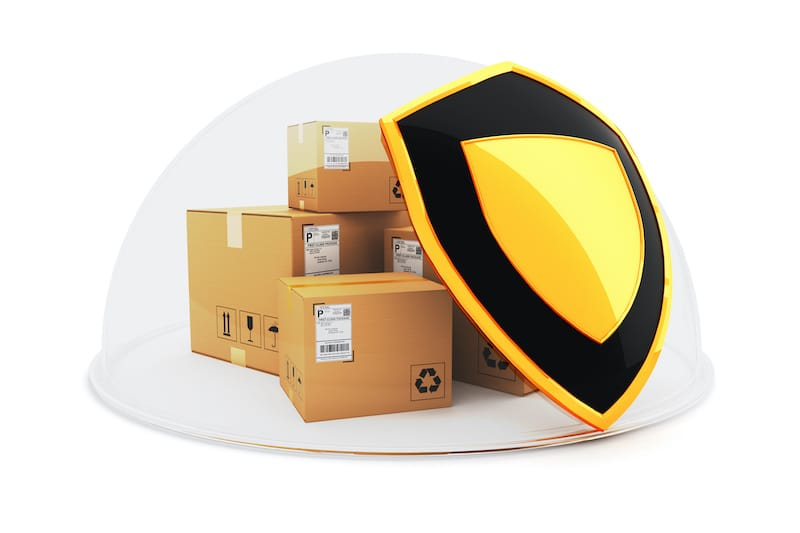
Cargo Insurance

The cargo insurance protects your goods all the way to any Any FBA Warehouse
img

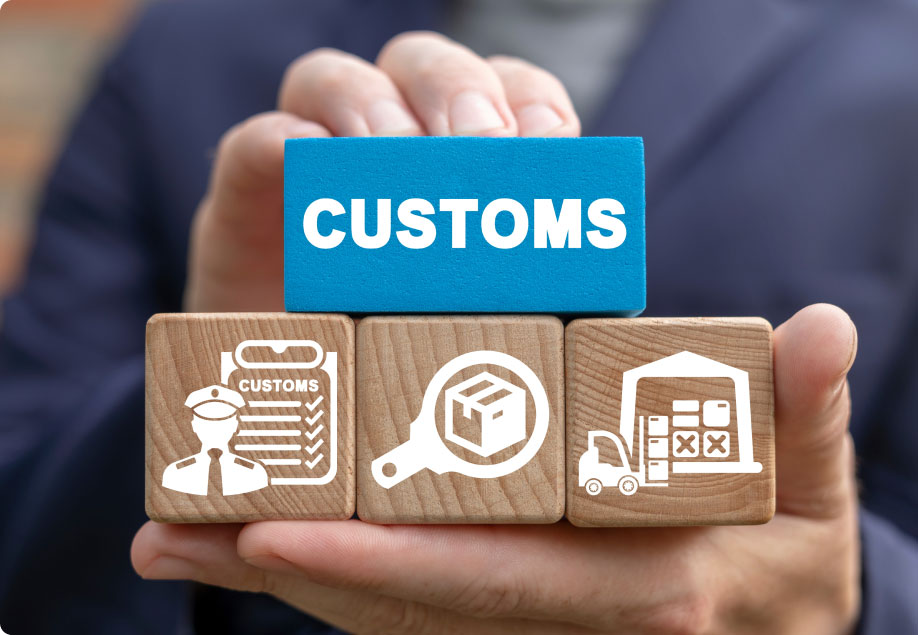
Custom Clearance

We handle all paperwork and other details for you.

img

Loading Inspection

Ensure safe packaging and loading of goods in your suppliers' factory.

Here We Are

GET ANYTYPE QUOTE FROM HERE.

Your Best Freight Forwarder from China to Cayman Islands

Optimize your cargo’s journey with Global Supply Freight‘s top-tier ocean freight solutions, tailored for shipments from China to the Cayman Islands. Benefit from Global Supply Freight‘s competitive air freight services, customized for efficient and reliable shipping from China to the Cayman Islands.

Global Supply Freight ensures expert handling of customs clearance in China, facilitating smooth and timely processing for your shipments. Utilize Global Supply Freight‘s complimentary warehouse facilities and tailored loading solutions to optimize efficiency for your cargo needs.

Ensure the integrity of your shipment with Global Supply Freight‘s meticulous container loading supervision service, which provides detailed oversight and quality control throughout the process. Experience Global Supply Freight‘s efficient and reliable pick-up and delivery services throughout China, ensuring timely and secure transit for your cargo.

Access Global Supply Freight‘s 24/7 online support for immediate assistance, personalized guidance, and real-time tracking of your shipments, ensuring peace of mind throughout the logistics process.

What customers also want to know

Professional Shipping from China to Cayman Islands: The Ultimate FAQ Guide

Most sea freight shipments are routed via Caribbean transshipment hubs, with final delivery to George Town Port through feeder services.

Sea freight typically takes several weeks due to transshipment, while air freight is faster for urgent cargo. Transit time depends on route and schedule.

Yes. Global Supply Freight provides professional customs coordination and full documentation support to ensure compliant and smooth import clearance in the Cayman Islands.

FCL suits large or heavy shipments, while LCL is ideal for smaller volumes. We recommend the best option based on cargo size and budget.

Typical documents include a commercial invoice, packing list, bill of lading or airway bill, and Cayman Islands import permits if required.

Yes. We provide complete door-to-door logistics, covering pickup in China, customs clearance, international transport, and final delivery across the islands.

When importing goods from China to the Cayman Islands, you may face various taxes and duties imposed by customs. The amount payable depends on several factors:

  1. Customs Valuation: Customs duties are calculated based on the customs value of your goods. This includes the cost of the goods, freight, insurance, and other charges incurred before arrival in the Cayman Islands.

  2. Tariff Rates: Different goods have different tariff rates. These are based on the Harmonized System (HS) classification. Each product has an HS code, which determines the applicable tariff rate and duty.

  3. Trade Agreements: The Cayman Islands may have trade agreements that affect duty rates. Goods from countries with such agreements may benefit from preferential rates or exemptions.

  4. Taxation Policies: Besides customs duties, imported goods might be subject to additional taxes like value-added tax (VAT) or excise duty. The rates depend on the type of goods and local tax policies.

  5. Customs Clearance Fees: Importers must pay customs clearance fees for processing and inspecting goods. These are separate from duties and taxes and are charged by customs brokers or freight forwarders.

To find the exact taxes and duties for your shipment from China to the Cayman Islands, consult with a customs broker or freight forwarder. They can offer detailed guidance on applicable tariffs, taxes, and other charges, ensuring compliance with customs regulations.

Deciding between Less than Container Load (LCL) and Full Container Load (FCL) shipping involves assessing several factors based on your shipment’s requirements.

Goods Volume: If your shipment can fill a whole container, FCL is often more cost-effective. It offers exclusive use of the container, which cuts down on handling and lowers the risk of damage or loss.

Cost Factors: FCL generally provides lower rates per unit compared to LCL, especially for large shipments. However, for smaller shipments, LCL might be more economical as you only pay for the space your goods use in a shared container.

Urgency: FCL often ensures faster transit times. It avoids delays related to consolidation and deconsolidation, making it ideal for quick deliveries.

Security: FCL enhances security by placing your goods in a sealed container. This reduces the risk of damage or tampering, making it suitable for high-value or delicate items.

Flexibility: LCL is advantageous for smaller or irregular shipments. It allows the consolidation of multiple smaller shipments into one container, optimizing space and reducing costs.

Destination Port: Evaluate the facilities at the destination port. If it can handle FCL shipments efficiently, FCL might be the better choice. Conversely, if the port is more suited to LCL or if your goods need distribution to various locations, LCL could be more practical.

Ultimately, choosing between LCL and FCL for shipping from China to the Cayman Islands depends on your specific needs, budget, and logistics. Compare the benefits of each option and consult with your freight forwarder to find the best solution.

Tracking your shipment from China to the Cayman Islands can be simple with the right approach. Here’s how to keep tabs on your delivery:

Receive Your Tracking Number: After booking with Global Supply Freight, you'll get a unique tracking number. This number is essential for tracking your shipment.

Access the Carrier’s Website: Navigate to the carrier's website and utilize their tracking feature. Enter your tracking number to view the status of your shipment.

Leverage Mobile Applications: Many carriers offer mobile apps for convenient tracking. Download the app, log in using your tracking number, and keep track of your shipment wherever you are.

Enable Notifications: Opt for email or SMS notifications if the service is available. This will keep you informed about the progress of your shipment in real-time.

Reach Out to Customer Support: If you encounter any issues or have questions, contact customer service. They can provide updates and address any concerns you may have.

Utilize Third-Party Tracking Tools: Consider using third-party tracking websites to monitor shipments from various carriers simultaneously.

By following these steps, you can effectively track your shipment from China to the Cayman Islands and ensure it arrives on time.

When shipping goods from China to the Cayman Islands, having the right documentation is crucial for smooth customs clearance and on-time delivery. Here’s a streamlined list of essential documents:

Commercial Invoice: This document provides details about the shipment, including item descriptions, quantities, values, and the involved parties (seller and buyer). It serves as a customs declaration and helps in valuation and classification.

Packing List: This outlines the contents of each package or container, including descriptions, quantities, weights, and dimensions. It aids customs in verifying the shipment and ensuring compliance with import regulations.

Bill of Lading (B/L) or Air Waybill: For sea freight, use a bill of lading; for air freight, an air waybill is required. These documents act as a contract of carriage and proof of receipt, detailing the shipment, shipper, consignee, and transport terms.

Certificate of Origin: This certifies the origin of the goods and may be necessary for qualifying for preferential tariffs or meeting import regulations in the Cayman Islands.

Customs Declaration Forms: Depending on the goods and Cayman Islands customs regulations, additional customs declaration forms might be needed. These forms provide comprehensive details about the goods, their value, and their intended use.

Export License (if applicable): Some goods might require an export license from the Chinese authorities. Confirm with the relevant authorities or your freight forwarder whether an export license is needed.

Insurance Certificate (if applicable): If cargo insurance is obtained, include an insurance certificate to prove coverage against loss or damage.

Other Documentation: Depending on the type of goods and Cayman Islands customs requirements, you may need additional documents such as compliance certificates, sanitary certificates, or import permits.

Having all documents prepared and accurate is vital for smooth customs processing and timely delivery. Partnering with experienced freight forwarders or shipping agents can ensure that these requirements are managed efficiently.

Don’t Take Our Words for it

Listen to What Our Clients Say about Our Freight Forwarding Service

Customer Support

Operations deal with how vehicles are operated, including the procedures and policies established for this purpose. In the transport industry, operations and infrastructure ownership can be either publicly or privately managed.

Sofia Harvey
Chairman News grove

Design Quality

Operations deal with the way vehicles are operated, as well as the procedures and policies established for this purpose. In the transport industry, both operations and infrastructure ownership can be either public or private.

Jon D. William
Founder of Mixbix

Code Quality

Operations refer to how vehicles are used, including the procedures and policies established for their operation. In the transport industry, both operations and infrastructure ownership can be managed by either the public or private sector.

Sakira K. Lilliam
Ceo of Axone