
FCL Shipping China Netherlands: 2025 Logistics and Cost Guide
Choosing FCL shipping China Netherlands is a strategic decision for businesses moving high volumes of goods across the globe. For companies looking to optimize their supply chain, Global Supply Freight provides expert logistics management to ensure your cargo arrives safely and on time. This comprehensive guide covers everything from current freight rates to essential customs procedures for the Dutch market.

Why Choose FCL Shipping China Netherlands for Your Cargo?
Full Container Load (FCL) shipping offers a dedicated space for your goods, which significantly reduces the risk of damage or loss during transit. Consequently, businesses with enough volume to fill at least half of a 20ft container often find this method more cost-effective than other alternatives.
Moreover, FCL shipments generally move faster than Less than Container Load (LCL) options because they do not require consolidation or deconsolidation at the ports. This efficiency makes sea freight the preferred choice for large-scale importers.
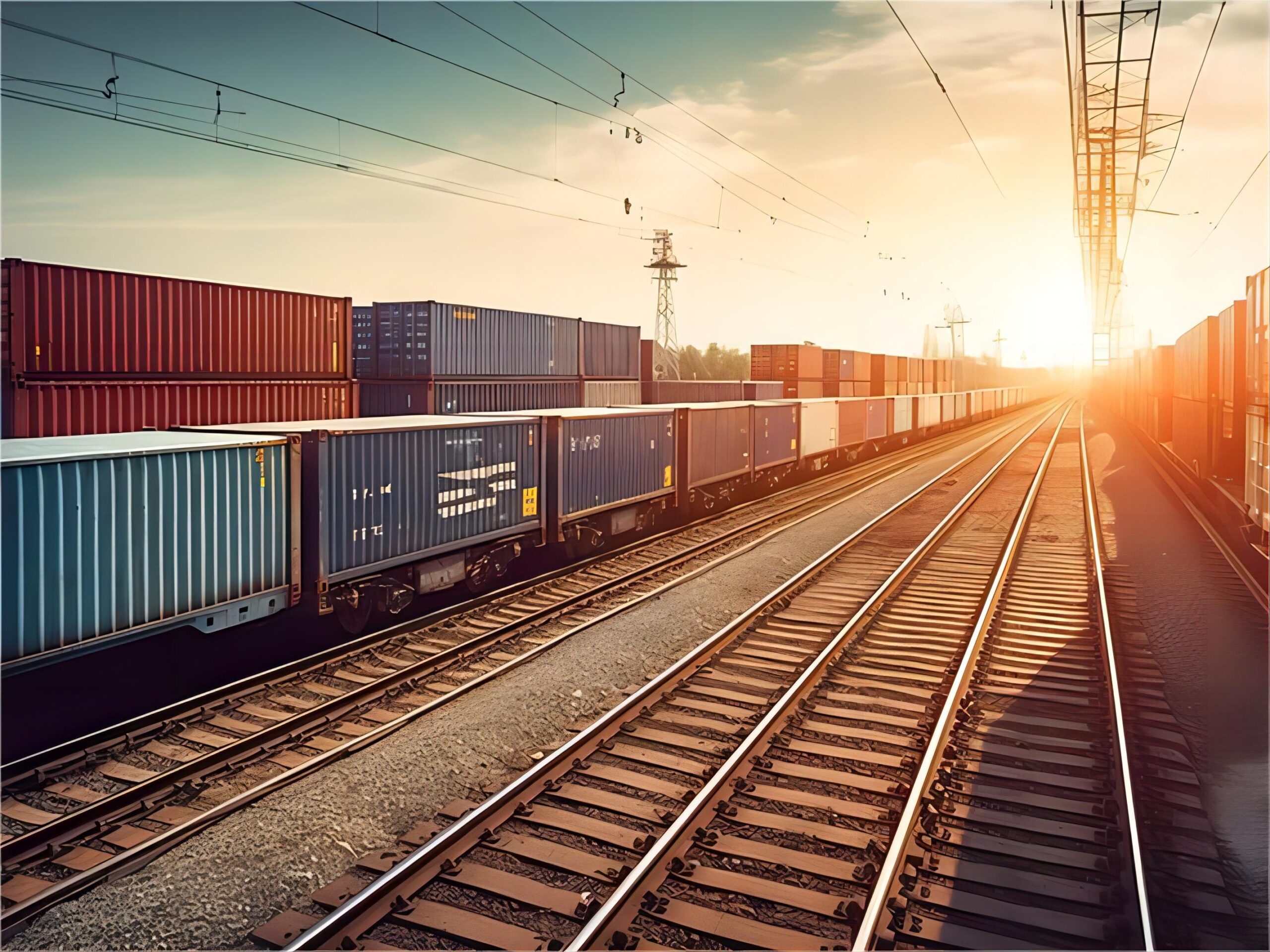
Security is another major advantage when you opt for a dedicated container. Once the container is sealed at the factory in China, it remains closed until it reaches its destination in the Netherlands, unless customs officials require an inspection.
Therefore, if you are moving sensitive electronics, heavy machinery, or large batches of consumer goods, FCL provides the necessary protection and reliability. Many European businesses rely on this method to maintain consistent inventory levels.
What Are the Current Costs for FCL Shipping China Netherlands?
Shipping costs fluctuate based on several factors, including fuel prices, seasonal demand, and global economic conditions. As of early 2025, freight rates have stabilized, though they remain higher than pre-2020 levels due to ongoing logistics adjustments.
Additionally, you must account for origin charges, port fees, and destination handling costs when calculating your total landed cost. For instance, peak season surcharges often apply from August through October as retailers prepare for the holiday rush.
Market data suggests that while ocean freight is the most economical for large volumes, the price per unit decreases significantly as you move from a 20GP to a 40HQ container. This economy of scale is vital for maintaining competitive pricing in the Dutch market.
| Container Type | Capacity (CBM) | Average Cost (USD) | Best For |
|---|---|---|---|
| 20GP (20ft) | 33 CBM | 1,800 – 2,500 | Heavy/Dense Cargo |
| 40GP (40ft) | 67 CBM | 2,800 – 3,800 | General Cargo |
| 40HQ (40ft High) | 76 CBM | 3,000 – 4,200 | Voluminous Goods |
What Are the Main Transit Times for FCL Shipping China Netherlands?
Transit times for ocean freight from China to the Netherlands typically range between 30 and 45 days. However, the specific duration depends heavily on the port of loading and whether the vessel takes a direct route or involves transshipment.
Furthermore, weather conditions and port congestion in major hubs like Shanghai or Rotterdam can occasionally cause delays. Importers should always include a buffer of 5 to 7 days in their supply chain planning to account for these variables.
Direct services from South China ports like Shenzhen often arrive slightly faster than those departing from Northern ports. Nevertheless, the efficiency of the Port of Rotterdam ensures that once the ship docks, cargo handling proceeds rapidly.
| Origin Port | Destination Port | Average Transit | Route Type |
|---|---|---|---|
| Shanghai | Rotterdam | 32 – 35 Days | Direct |
| Shenzhen | Rotterdam | 28 – 32 Days | Direct |
| Ningbo | Rotterdam | 33 – 38 Days | Transshipment |
| Qingdao | Rotterdam | 38 – 45 Days | Transshipment |
How Does FCL Shipping Compare to Other Shipping Options?
When planning your logistics, it is essential to compare FCL with other modes like air or rail freight to find the best balance between cost and speed. While FCL is the most cost-effective for large volumes, rail freight offers a middle ground for those needing faster delivery than sea but lower costs than air.
In contrast, air freight is significantly more expensive but can deliver goods within 5 to 7 days. This is ideal for high-value electronics or urgent restocks, though it is rarely sustainable for bulk commodities.
Additionally, sea-air hybrid solutions have emerged as a viable alternative for shipments that require a compromise. These routes often involve shipping by sea to a hub like Dubai and then flying the cargo the rest of the way to Amsterdam.
| Method | Cost Range | Transit Time | Best For |
|---|---|---|---|
| Sea (FCL) | Low | 30-45 Days | Bulk Shipments |
| Rail Freight | Medium | 15-22 Days | Time-Sensitive Bulk |
| Air Freight | High | 5-8 Days | Urgent/High Value |
| LCL (Sea) | Medium | 35-50 Days | Small Shipments |
Which Option Should You Choose? Decision Framework
Budget priority dictates that you should almost always choose FCL for shipments exceeding 15 cubic meters. If your total volume is less than this, LCL might be cheaper, though it comes with higher handling risks and longer transit times.
Speed priority suggests that if you need goods in under three weeks, rail freight is your best bet. For absolute emergencies where the cost is not a primary concern, air freight remains the only viable solution.
Cargo type considerations also play a role; for example, heavy machinery is often restricted to sea freight due to weight limits on aircraft and trains. For a seamless experience, many businesses utilize door to door services to manage the entire movement from factory to warehouse.
Essential Documentation for Customs Brokerage in the Netherlands
Navigating Dutch customs requires precise documentation to avoid costly delays and penalties at the border. The Netherlands is known for its efficient customs processes, but they strictly enforce EU import regulations.
Consequently, you must ensure that your Commercial Invoice, Packing List, and Bill of Lading are perfectly aligned. Any discrepancies in weight or value can lead to your container being flagged for a physical inspection.
Moreover, working with a professional customs brokerage service can help you identify the correct HS codes for your products. This ensures you pay the correct import duties and Value Added Tax (VAT) upon arrival.
Indeed, the Dutch ‘VAT deferment’ system (Article 23) is a major benefit for importers, allowing them to defer VAT payment to their periodic tax return. This significantly improves cash flow for businesses operating in the European Union.
Case Studies: Real-World FCL Shipping Examples
Case Study 1: High-Volume Electronics. Route: Shenzhen to Rotterdam. Cargo: Consumer electronics, 72 CBM, 12,000 kg. Container: 40HQ. Shipping Details: Direct via major carrier. Ocean Freight: 3,250 USD. Total Landed Cost: 4,100 USD. Timeline: 31 days door-to-door. Key Insight: Choosing a direct route saved 6 days compared to transshipment via Singapore.
Case Study 2: Home Furniture. Route: Ningbo to Rotterdam. Cargo: Wooden furniture, 28 CBM, 8,500 kg. Container: 20GP. Shipping Details: Transshipment via Colombo. Ocean Freight: 2,100 USD. Total Landed Cost: 2,850 USD. Timeline: 42 days total. Key Insight: Planning 2 months in advance allowed the importer to lock in lower rates before the Q4 peak season.
Market Intelligence and Seasonal Trends for 2025
As of early 2025, the shipping industry has adapted to the disruptions seen in previous years, specifically regarding the Red Sea routes. While some vessels still divert around the Cape of Good Hope, schedules have become more predictable for shipments to Europe.
Furthermore, sustainability is becoming a key factor in logistics trends, with many carriers introducing eco-friendly fuel surcharges. Importers should be aware that these small additional costs are becoming standard in the pursuit of greener supply chains.
Industry averages suggest that rates typically increase by 15-25% during the Golden Week in October and the weeks leading up to Chinese New Year. Therefore, booking your FCL space at least 3-4 weeks in advance during these periods is highly recommended.
Note: Freight rates are subject to change based on fuel costs, carrier capacity, and seasonal demand. Contact us for a current quote tailored to your specific shipment.
Final Thoughts on FCL Shipping China Netherlands
To summarize, FCL shipping China Netherlands remains the most efficient and cost-effective way to move large volumes of goods into the European market. By understanding the nuances of container pricing, transit times, and customs requirements, you can build a more resilient supply chain.
Additionally, leveraging the expertise of a professional freight forwarder can help you navigate market fluctuations and documentation hurdles. Whether you are shipping electronics, textiles, or industrial machinery, the right strategy will save you both time and money.
Ultimately, successful FCL shipping requires proactive planning and clear communication with all stakeholders. Start optimizing your logistics today to ensure your business stays ahead of the competition in 2025.
Ready to streamline your logistics?
Ready to streamline your FCL shipping China Netherlands? Our expert team is standing by to provide you with a competitive quote and personalized logistics strategy. Visit our inquiry page to start your shipment today: Send Inquiry