
Air Freight China Door to Door: The Complete 2025 Shipping Guide
Air freight china door to door shipping represents the most efficient solution for businesses requiring rapid inventory replenishment and secure transport for high-value goods. Many professional importers rely on Global Supply Freight to manage the intricate details of international logistics and ensure seamless delivery from Chinese factories to final destinations. Consequently, understanding the nuances of this comprehensive service allows companies to maintain a competitive edge in an increasingly fast-paced global marketplace.
What is Air Freight China Door to Door Shipping?
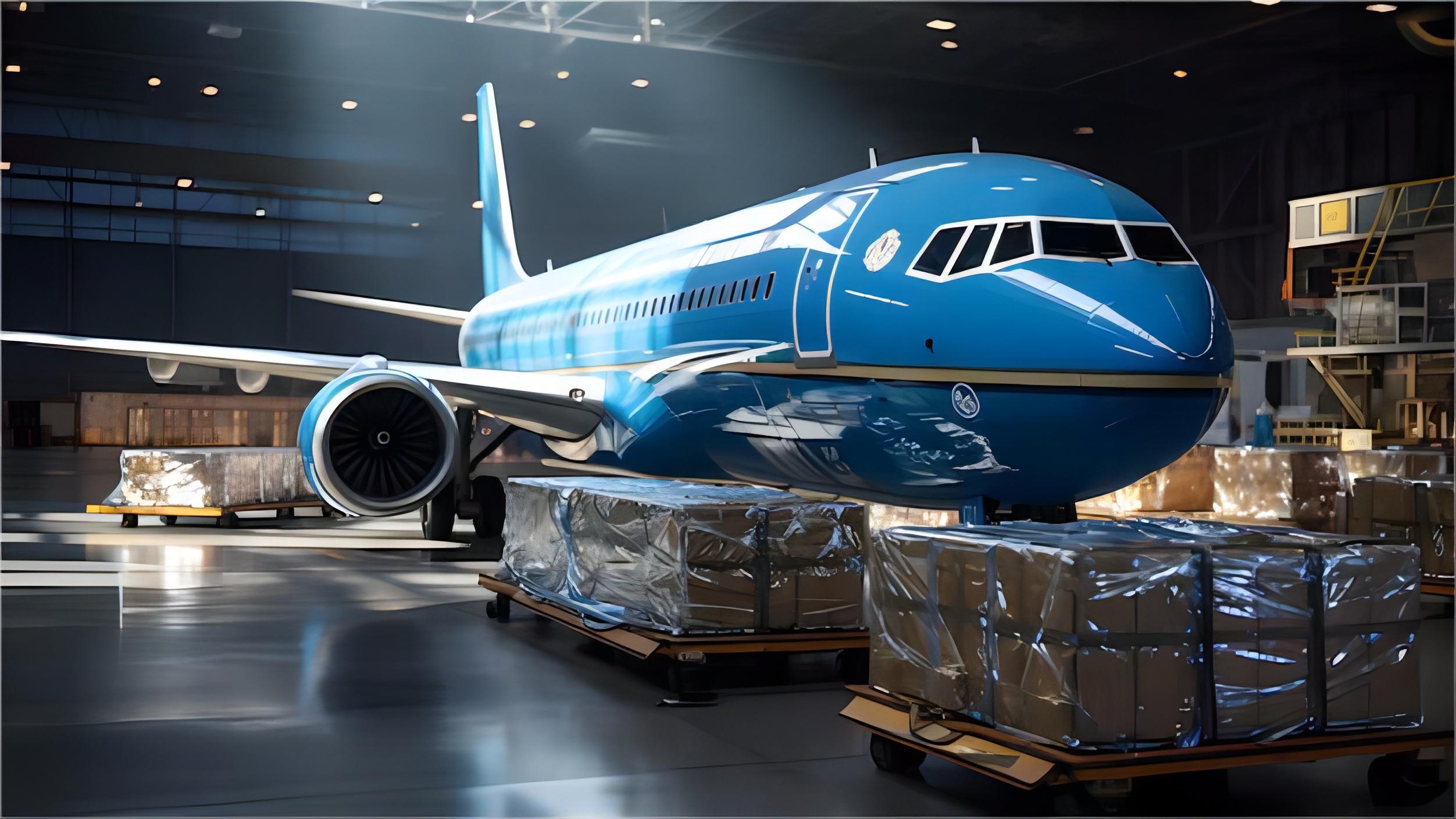
This streamlined logistics model manages the entire transportation process from the point of origin in China to the recipient’s specific address. Specifically, the service encompasses local pickup, export handling, international air transit, customs clearance, and the final mile delivery.
Furthermore, utilizing a single provider for the entire journey minimizes the risk of communication gaps and administrative errors that often occur when multiple carriers are involved. Therefore, businesses can enjoy a hands-off experience while professional logistics experts navigate complex international regulations.
Consequently, the primary advantage of this method is the significant reduction in lead times compared to traditional port-to-port shipping. Indeed, the integration of all logistics steps into one package provides unparalleled transparency and predictability for modern supply chains.
How Does Air Freight Compare to Other Shipping Options?
Evaluating different transport modes is essential for optimizing your logistics budget and meeting customer demand for speed. While sea freight remains the most economical choice for massive volumes, it cannot match the velocity of air transport.
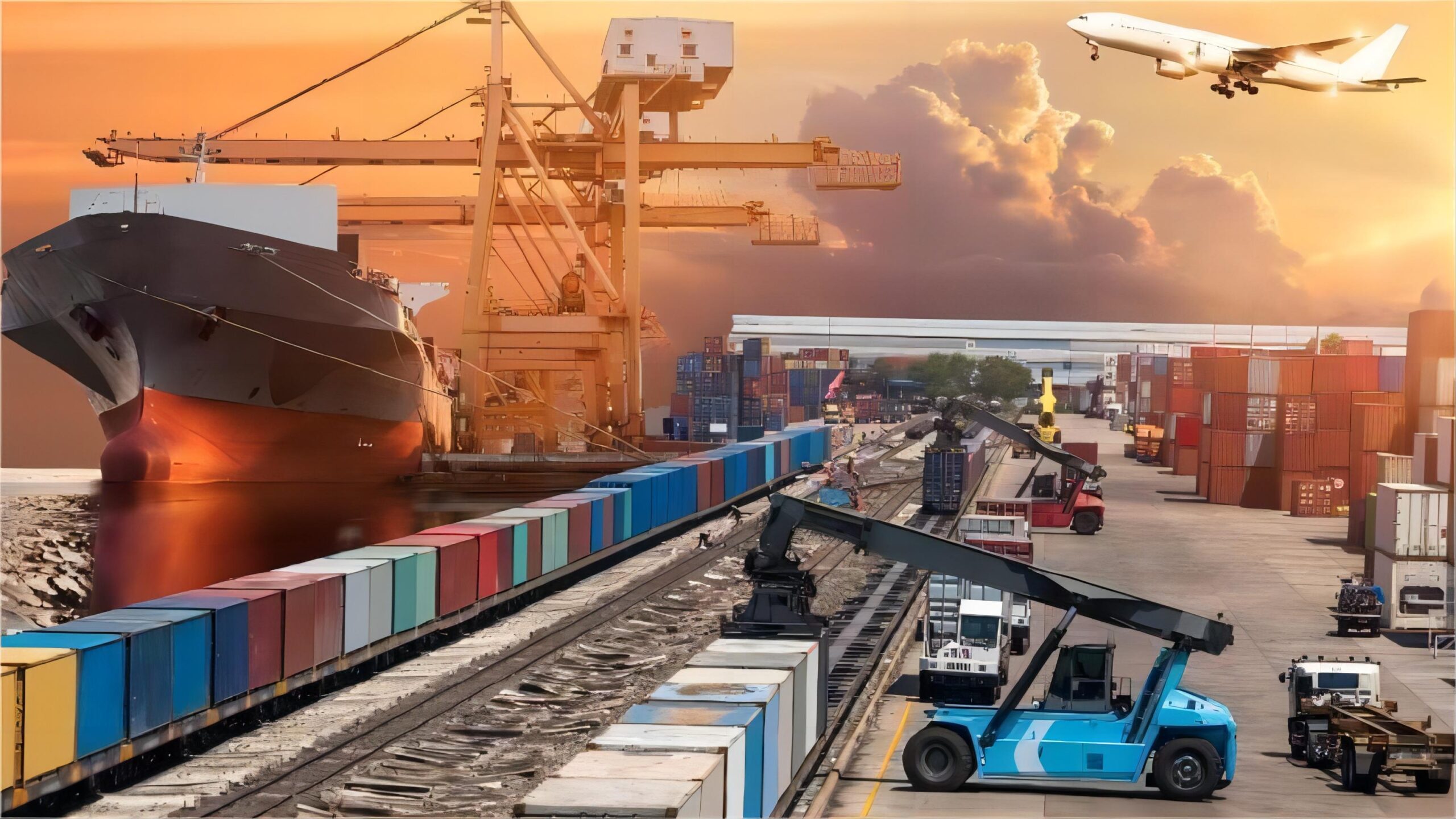
Additionally, rail freight serves as a viable middle ground for shipments destined for Europe, offering faster transit than the ocean but at a lower cost than the sky. However, for high-value items such as electronics or medical devices, the security and speed of air freight often justify the higher investment.
Moreover, the reduced time spent in transit lowers the insurance premiums and inventory carrying costs for many businesses. Consequently, air freight often becomes the most cost-effective solution when considering the total landed cost of time-sensitive merchandise.
| Shipping Method | Cost Range | Transit Time | Best For | Limitations |
|---|---|---|---|---|
| Air Freight | $4.50 – $9.00/kg | 5 – 9 Days | High-value, urgent goods | Weight/size limits |
| Sea Freight | $0.50 – $1.50/kg | 30 – 45 Days | Bulk, heavy items | Slow transit times |
| Rail Freight | $1.50 – $3.00/kg | 18 – 25 Days | Mid-size shipments | Limited to Eurasia |
| Express Service | $8.00 – $15.00/kg | 3 – 5 Days | Samples, small parcels | Very high cost |
Key Factors Influencing Air Freight Shipping Costs
Understanding the components of air freight pricing is crucial for accurate budgeting and financial planning. Typically, carriers calculate costs based on either actual weight or volumetric weight, whichever is greater, which is why efficient packaging is vital.
Furthermore, fuel surcharges and security fees fluctuate based on global oil prices and airport regulations, directly impacting the final quote. Consequently, importers should be aware of seasonal peaks, such as the period before the Lunar New Year, when rates can double due to high demand.
Additionally, the complexity of customs brokerage and local delivery distances in the destination country will influence the total door to door price. Therefore, requesting a comprehensive quote that includes all destination charges is the best way to avoid unexpected expenses.
Understanding the Door to Door Process from China
Managing a successful shipment begins with the coordination of the pickup from the supplier’s warehouse in cities like Shenzhen, Ningbo, or Shanghai. Subsequently, the freight forwarder handles all export documentation and ensures the cargo meets airline safety standards before departure.
Meanwhile, the international flight carries the goods to a major hub in North America or other regions. Upon arrival, the local team initiates the clearance process, paying necessary duties and taxes on behalf of the importer to prevent delays.
Finally, the last-mile delivery service transports the goods from the airport warehouse directly to the customer’s specified location. Consequently, this seamless flow ensures that the importer never has to visit a port or deal with local transport companies independently.
Essential Documentation for Air Freight Shipments
Navigating the paperwork requirements is often the most challenging aspect of international trade for new businesses. Specifically, a Commercial Invoice and a detailed Packing List are mandatory for every shipment leaving China to satisfy both export and import authorities.
Notably, the Air Waybill serves as the contract of carriage and the receipt for the goods, containing essential tracking information. Furthermore, certain products may require a Certificate of Origin or specialized permits, especially when shipping to Australia or other strictly regulated markets.
Indeed, ensuring all documents are accurate and complete before the cargo reaches the airport is the most effective way to prevent costly customs holds. Consequently, working with an experienced logistics partner ensures that all regulatory requirements are met without error.
| Document Name | Purpose | Required By | Typical Fee |
|---|---|---|---|
| Commercial Invoice | Value declaration | Customs | Included |
| Packing List | Cargo details | Warehouse/Customs | Included |
| Air Waybill (AWB) | Contract of carriage | Airline | $25 – $50 |
| CO (Cert. of Origin) | Trade agreements | Customs | $30 – $60 |
Real-World Case Studies: Air Freight Success Stories
Case Study 1: Electronics Distribution to New York Route: Shenzhen, China to New York, USA Cargo: Consumer electronics, 4.5 CBM, 520 kg Service: Major air carrier Port of Loading: Shenzhen (SZX) Port of Discharge: New York (JFK) Route Type: Direct Cost Breakdown: – Air Freight: $3,120 – Origin Charges: $150 – Destination Charges: $280 – Customs and Duties: $450 – Total Landed Cost: $4,000 Timeline: – Booking to Loading: 2 days – Air Transit: 1 day – Customs Clearance: 2 days – Total Door-to-Door: 6 days Key Insight: Direct routing minimized handling risks for fragile electronic components.
Case Study 2: Fast Fashion Launch in London Route: Shanghai, China to London, UK Cargo: Apparel, 2.8 CBM, 310 kg Service: Major air carrier Port of Loading: Shanghai (PVG) Port of Discharge: London (LHR) Route Type: Transshipment via Dubai Cost Breakdown: – Air Freight: $1,850 – Origin Charges: $120 – Destination Charges: $210 – Customs and Duties: $380 – Total Landed Cost: $2,560 Timeline: – Booking to Loading: 1 day – Air Transit: 3 days – Customs Clearance: 1 day – Total Door-to-Door: 7 days Key Insight: Transshipment provided a 15% cost saving compared to direct flights during the peak season.
Note: Freight rates are subject to change based on fuel costs, carrier capacity, and seasonal demand. Contact us for a current quote tailored to your specific shipment.
Which Shipping Option Should You Choose?
Selecting the right method depends entirely on your specific business priorities, cargo characteristics, and budget constraints. If your primary goal is speed to market for a new product launch, then express service or standard air freight is the clear winner.
However, if you are managing a large-scale replenishment of non-perishable goods with a flexible timeline, sea freight offers significant savings. For those utilizing the Amazon FBA model, air freight is often the preferred choice to avoid stockouts during high-demand periods.
Specifically, businesses should switch from air to sea when the shipment volume exceeds 2 cubic meters and the transit time of 30 days does not negatively impact sales. Ultimately, a hybrid strategy involving both modes can provide the best balance of cost and inventory availability.
Tips for Reducing Your Air Freight Expenses
Minimizing costs in air logistics requires a strategic approach to packaging and scheduling. Because air freight is billed based on volume, reducing the size of your boxes through vacuum sealing or better palletization can save hundreds of dollars.
Additionally, booking your shipments at least 7 to 10 days in advance allows you to secure better rates before carrier capacity tightens. Furthermore, consolidating multiple small orders into a single larger shipment can help you qualify for lower per-kilogram rates from your forwarder.
In contrast, avoid shipping during major holidays like Golden Week or Christmas, as demand spikes cause rates to soar and cause delays at major hubs. Consequently, planning your production cycles around these peak periods is a highly effective way to manage your logistics budget.
Final Thoughts on Air Freight China Door to Door
Successfully navigating the world of air freight china door to door shipping requires a combination of strategic planning and expert execution. By understanding the cost factors, documentation requirements, and regional transit times, businesses can build a more resilient and responsive supply chain.
Furthermore, the convenience of a single-provider service reduces the administrative burden on your team and ensures that goods arrive safely and on time. Whether you are shipping to North America, Europe, or Australia, choosing the right logistics partner is the most important decision you will make.
Ultimately, investing in high-quality air freight services allows you to focus on growing your business while leaving the complexities of international transport to the professionals.
Ready to streamline your logistics?
Streamline your supply chain today with professional air freight china door to door solutions. Contact Global Supply Freight now to receive a customized quote and experience hassle-free international shipping from China to your doorstep. Visit our website to learn more about our comprehensive logistics services.
Request Quote