

China to Canada Shipping for Amazon Sellers Italy: 2025 Logistics Guide
Managing China to Canada shipping for Amazon sellers Italy requires a sophisticated understanding of global logistics networks and cross-border regulations. Entrepreneurs based in Italy who source products from Chinese manufacturers to sell on the Canadian Amazon marketplace must balance speed, cost, and reliability. Global Supply Freight provides expert logistics solutions that streamline this complex process, ensuring your inventory reaches North American fulfillment centers without unnecessary delays. This comprehensive guide explores every facet of the shipping journey, from selecting the right freight method to navigating Canadian customs and Amazon FBA requirements.

Why China to Canada Shipping for Amazon Sellers Italy is Trending
Sellers in Italy are increasingly looking toward the Canadian market due to its robust purchasing power and growing e-commerce demand. Consequently, establishing a reliable supply chain from Chinese factories directly to Canadian warehouses has become a priority for many European entrepreneurs. This specific business model allows sellers to leverage lower manufacturing costs in Asia while tapping into the high-margin Canadian retail sector.
Moreover, the geographical distance between Italy and the China-Canada route means that digital management of logistics is essential. Italian sellers must rely on professional partners to handle the physical movement of goods across the Pacific. Therefore, understanding the nuances of international shipping rates and transit times is vital for maintaining healthy profit margins and ensuring customer satisfaction.
Additionally, the rise of specialized third-party logistics providers has made it easier than ever to manage these operations remotely. Indeed, a seller in Rome can now oversee a shipment from Shenzhen to Toronto with the same precision as a local Canadian business. This globalization of commerce offers unprecedented opportunities for those who can master the logistics of China to Canada shipping for Amazon sellers Italy.
Choosing the Best Shipping Method for Your Amazon Business
Selecting the appropriate transportation mode depends heavily on your cargo volume, budget, and delivery schedule. For instance, sea freight remains the most cost-effective solution for large-scale inventory replenishment. Most sellers choose this method when shipping several pallets or full container loads, as it significantly reduces the per-unit shipping cost.
On the other hand, air freight offers the speed necessary for product launches or urgent restocks. While the costs are higher, the transit time is drastically reduced, allowing sellers to react quickly to market trends. Consequently, Italian sellers often use a hybrid approach, sending a small portion of inventory via air and the bulk via sea.
Furthermore, for very small parcels or high-value items, express service provides the fastest door-to-door delivery. This method simplifies the customs process and ensures that products reach Amazon warehouses in the shortest possible time. Nevertheless, the high cost per kilogram makes it less suitable for heavy or bulky items.
How Does Sea Freight Compare to Other Shipping Options?
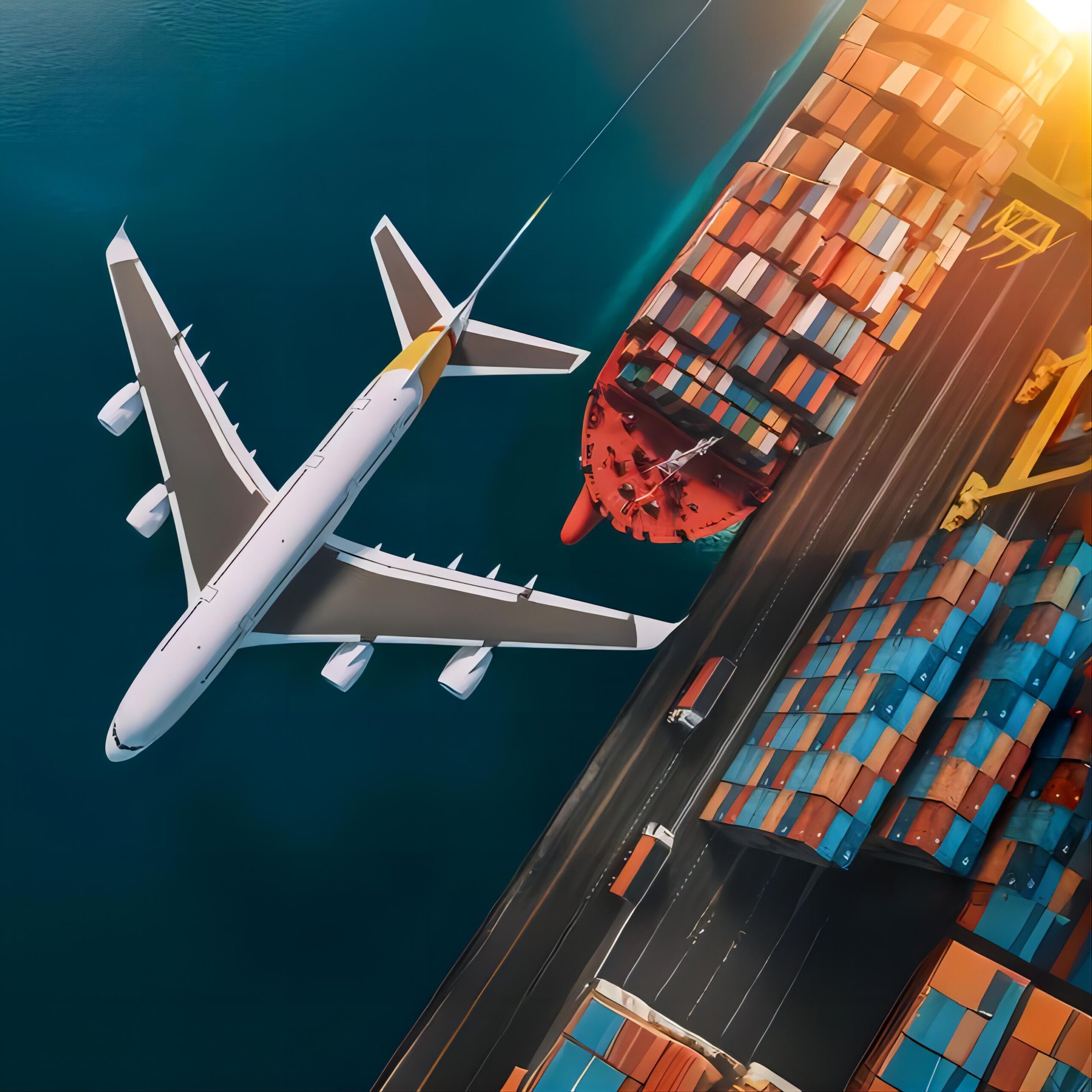
Evaluating the different shipping methods requires a clear understanding of the trade-offs between cost and speed. Sea freight typically involves longer transit times but offers the lowest rates for high-volume cargo. In contrast, air freight prioritizes speed, making it ideal for time-sensitive goods despite the higher price tag.
Market data suggests that as of Q1 2025, sea freight rates have stabilized, though they remain sensitive to fuel surcharges and seasonal demand. Sellers must also consider the impact of port congestion on their delivery schedule. Therefore, planning ahead by at least 6 to 8 weeks is recommended for ocean shipments.
| Shipping Method | Cost Range | Transit Time | Best For | Limitations |
|---|---|---|---|---|
| Sea Freight (FCL) | $2,800 – $4,500 | 30 – 45 Days | High Volume | Slow Speed |
| Sea Freight (LCL) | $150 – $300/CBM | 35 – 50 Days | Medium Volume | Handling Risk |
| Air Freight | $4.50 – $8.50/kg | 5 – 10 Days | Urgent Stock | High Cost |
| Express | $8.00 – $15.00/kg | 3 – 5 Days | Samples/Small | Very Expensive |
Navigating Canadian Customs and Import Duties
Importing goods into Canada requires strict adherence to the Canada Border Services Agency (CBSA) regulations. Italian sellers must ensure that all documentation is accurate to avoid costly delays at the port of entry. Utilizing a professional customs brokerage service is often the best way to ensure compliance and smooth clearance.
Additionally, understanding the Goods and Services Tax (GST) and potential anti-dumping duties is crucial for calculating your total landed cost. Most commercial imports into Canada are subject to a 5 percent GST. Furthermore, certain product categories may attract specific customs duties based on their country of origin and HS code classification.
To summarize, meticulous record-keeping and proactive communication with your freight forwarder can prevent most customs issues. Sellers should always provide a detailed commercial invoice and packing list. Indeed, clear documentation is the foundation of a successful international shipping strategy.
Amazon FBA Preparation and Requirements in Canada
Sending inventory to an Amazon FBA center in Canada involves meeting specific labeling and packaging standards. Amazon requires every individual unit to have a scannable barcode, and pallets must meet strict size and weight specifications. Failure to comply with these rules can result in the rejection of your shipment at the warehouse dock.
Moreover, Italian sellers must decide between using Amazon’s Partnered Carrier program or an independent freight forwarder for the final leg of delivery. A door to door service often provides the most seamless experience, as the forwarder manages everything from the factory floor to the Amazon warehouse. This approach minimizes the risk of errors and simplifies the logistics chain.
Consequently, many successful sellers invest in third-party inspection services in China before the goods are shipped. This ensures that the products meet both quality standards and Amazon’s specific requirements. As a result, sellers can avoid the high costs of returning or relabeling inventory once it arrives in Canada.
Real-World Case Studies for Amazon Sellers
Examining actual shipping scenarios can provide valuable insights into the costs and timelines involved in China to Canada shipping for Amazon sellers Italy. These examples reflect current market conditions in early 2025 and highlight the importance of choosing the right logistics strategy.
The following case studies illustrate different approaches based on cargo size and urgency. By analyzing these outcomes, sellers can better plan their own shipments and anticipate potential challenges.
Case Study 1: Electronics Restock via LCL
Case Study 1: Small Electronics Shipment from Shenzhen to Toronto Route: Shenzhen, China to Toronto, Canada Cargo: Bluetooth Headphones, 4 CBM, 850 kg Container: LCL (Less than Container Load) Shipping Details: – Carrier: Major ocean carrier via Vancouver – Port of Loading: Shenzhen – Port of Discharge: Vancouver (Rail to Toronto) – Route Type: Transshipment Cost Breakdown: – Ocean Freight: $950 – Origin Charges: $250 – Destination Charges: $400 – Customs & Duties: $1,200 – Total Landed Cost: $2,800 Timeline: – Booking to Loading: 5 days – Sea Transit: 22 days – Customs Clearance: 3 days – Total Door-to-Door: 38 days Key Insight: Using LCL allowed the seller to maintain stock levels without the expense of a full container, though transit time was slightly longer due to consolidation.
Case Study 2: Seasonal Home Decor via 40HQ
Case Study 2: Large Volume Home Decor for Q4 Peak Season Route: Ningbo, China to Vancouver, Canada Cargo: Decorative Pillows and Rugs, 65 CBM Container: 40HQ (High Cube Container) Shipping Details: – Carrier: COSCO Direct Service – Port of Loading: Ningbo – Port of Discharge: Vancouver – Route Type: Direct Cost Breakdown: – Ocean Freight: $3,800 – Origin Charges: $450 – Destination Charges: $600 – Customs & Duties: $2,500 – Total Landed Cost: $7,350 Timeline: – Booking to Loading: 7 days – Sea Transit: 16 days – Customs Clearance: 2 days – Total Door-to-Door: 28 days Key Insight: Direct shipping to Vancouver saved 10 days compared to East Coast routes, enabling the seller to hit the peak season deadline. Rates were approximately 20 percent higher than Q2 due to seasonal demand.
Which Option Should You Choose? Decision Framework
Determining the best shipping strategy requires evaluating your specific business needs against market realities. If your primary goal is budget optimization, sea freight is the logical choice for shipments exceeding 2 CBM. However, if you are launching a new product and need to test the market quickly, air freight provides the agility you require.
Consider the volume thresholds that trigger a change in shipping methods. For instance, once your shipment exceeds 15 CBM, a 20GP full container often becomes more economical than LCL. Additionally, the type of cargo matters; fragile or high-value items benefit from the reduced handling associated with air or express services.
To summarize, your decision should be based on a balance of three factors: lead time requirements, total landed cost, and inventory turnover rate. For Italian sellers, managing these factors from a distance makes the choice of a reliable freight forwarder even more critical. Market data suggests that a hybrid strategy often yields the best results for growing Amazon brands.
Cost-Saving Strategies and Logistics Trends for 2025
Reducing shipping expenses is essential for maintaining competitiveness on Amazon Canada. One effective strategy is to consolidate multiple small orders from different Chinese suppliers into a single LCL or FCL shipment. This reduces documentation fees and minimizes the per-unit cost of international transport.
Furthermore, staying informed about logistics trends can help you anticipate price fluctuations. As of early 2025, the industry is seeing an increased focus on sustainable shipping and digital tracking. Sellers who adopt these technologies can gain better visibility into their supply chain, reducing the risk of unexpected delays.
Indeed, optimizing your packaging can also lead to significant savings. By reducing the volumetric weight of your products, you can lower your air freight costs and Amazon FBA storage fees. Consequently, a small investment in smarter packaging design can pay dividends throughout your entire distribution network.
Mastering Your Global Supply Chain
Successfully executing China to Canada shipping for Amazon sellers Italy is a hallmark of a sophisticated e-commerce business. By understanding the various freight methods, navigating customs with professional help, and adhering to Amazon FBA standards, you can build a resilient and profitable supply chain. Whether you choose the cost-efficiency of sea freight or the speed of air transport, the key lies in planning and choosing the right partners.
As the market continues to evolve in 2025, staying adaptable and informed will be your greatest competitive advantage. Remember that freight rates are subject to change based on fuel costs and seasonal demand, so always seek current quotes tailored to your specific needs. With the right strategy, your Italian-based business can thrive in the vibrant Canadian marketplace.

Ready to streamline your logistics?
Ready to optimize your China to Canada shipping for Amazon sellers Italy? Contact Global Supply Freight today for a customized quote and expert guidance on your next shipment. Visit our inquiry page to get started: Send Inquiry
Request Quote