
Cheap Shipping from China Bulk Cargo: The Ultimate Guide to Low Rates
Finding reliable and cheap shipping from china bulk cargo is a primary challenge for modern importers seeking to maintain healthy profit margins. Many businesses struggle with fluctuating freight rates and complex logistics requirements when moving large volumes of goods across the globe. Fortunately, Global Supply Freight provides comprehensive solutions that simplify the process while ensuring your cargo arrives safely and on schedule.
How Does Bulk Cargo Shipping Compare to Other Shipping Options?
Choosing the right transportation method requires a careful balance between speed and budget. For most businesses, sea freight represents the most economical choice for large-scale shipments. However, alternative methods like rail or air may be necessary depending on your specific timeline and cargo type.
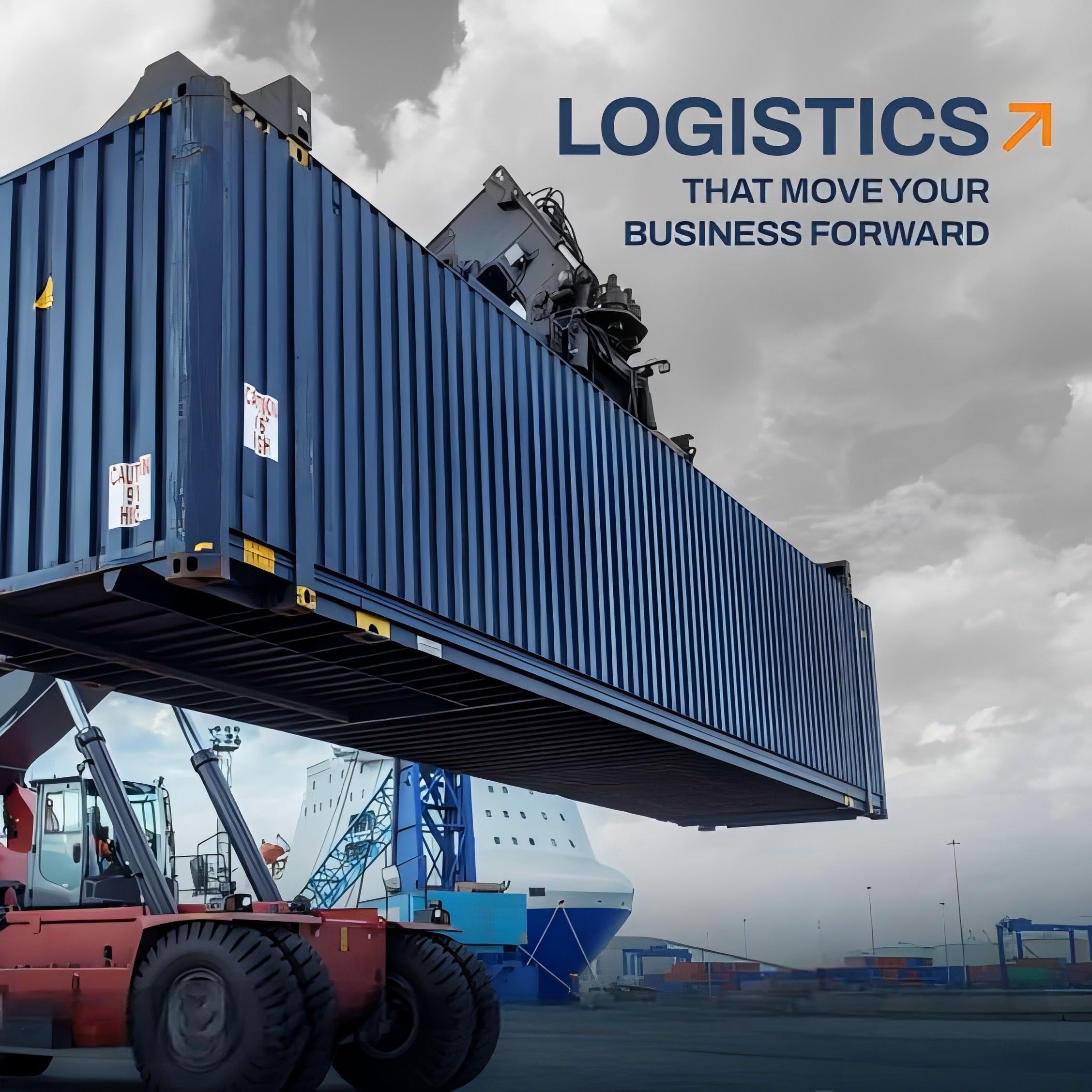
Moreover, the volume of your goods significantly influences the final price per unit. While sea freight offers the lowest cost for massive quantities, rail freight provides a middle ground for those shipping to landlocked regions or requiring faster delivery than ocean transit. Consequently, understanding the trade-offs between these methods is essential for optimizing your logistics strategy.
Additionally, businesses must consider the total landed cost rather than just the initial freight quote. This includes port charges, customs duties, and local delivery fees that can vary between methods. Therefore, an objective analysis of all viable alternatives ensures you select the most efficient route for your supply chain.
| Shipping Method | Cost Range | Transit Time | Best For |
|---|---|---|---|
| Sea Freight (FCL) | 1,500 to 4,500 USD | 20 to 45 Days | Maximum Volume |
| Rail Freight | 2,500 to 6,000 USD | 15 to 22 Days | Mid-range Speed |
| Air Freight | 10,000+ USD | 3 to 7 Days | Urgent Shipments |
| Sea-Air Hybrid | 5,000 to 8,000 USD | 12 to 18 Days | Balanced Priority |
What Are the Main Methods for Cheap Shipping from China Bulk Cargo?
Ocean transportation remains the backbone of global trade, especially for those seeking sea freight solutions for heavy machinery, raw materials, or consumer goods. Most bulk cargo is transported via Full Container Load (FCL) or Less than Container Load (LCL) depending on the total volume. Specifically, FCL is almost always the cheaper option when you have enough goods to fill at least 70 percent of a 20-foot or 40-foot container.
Furthermore, specialized bulk carriers are used for non-containerized goods like minerals, grains, or oversized equipment. These vessels offer economies of scale that standard container ships cannot match for specific industrial applications. Nevertheless, the complexity of loading and unloading bulk carriers requires expert coordination at both the origin and destination ports.
In addition, many companies are now exploring multi-modal solutions to bypass port congestion. By combining different transport modes, you can often find a more resilient path for your goods. Accordingly, working with an experienced freight forwarder helps you navigate these options effectively.
Which Option Should You Choose for Your Bulk Shipments?
Determining the best shipping strategy depends on your primary business objectives. If your priority is absolute cost reduction, sea freight is the clear winner for large volumes. On the other hand, if you are facing tight deadlines or seasonal demand, rail or hybrid solutions might be more appropriate.
Cargo type also plays a critical role in your decision-making process. Perishable goods or high-value electronics often justify the higher costs of faster transit. Conversely, durable goods like furniture or textiles are perfectly suited for the longer transit times associated with ocean shipping. Indeed, matching the method to the product value is a hallmark of smart logistics.
Volume thresholds are another vital consideration for bulk importers. Once your shipment exceeds 15 cubic meters, switching from LCL to FCL usually results in significant savings. Meanwhile, very small bulk shipments might be better served by consolidated air services if the time savings translate to faster market entry.
Strategies to Reduce Your Bulk Cargo Shipping Costs
Optimizing your packaging is one of the simplest ways to lower expenses. By reducing wasted space within containers, you can fit more units into a single shipment and lower your per-unit cost. Furthermore, consolidating shipments from multiple suppliers into a single FCL container can prevent the higher fees associated with multiple LCL shipments.
Negotiating with carriers during the off-peak season can also lead to substantial savings. Typically, freight rates increase during the peak season from August to October as retailers prepare for the holidays. Therefore, planning your shipments for the first half of the year can help you secure more favorable pricing.
Utilizing rail freight can be a cost-effective alternative for shipments destined for Europe or Central Asia. While more expensive than sea freight, it is significantly cheaper than air freight and offers much faster transit times. This makes it an excellent strategy for maintaining a lean inventory without paying premium air rates.
Understanding Customs Brokerage for Bulk Imports
Navigating the legal requirements of international trade is essential for avoiding costly delays. Professional customs brokerage services ensure that all documentation is accurate and compliant with local regulations. Without proper paperwork, your bulk cargo could be held at the port, leading to significant demurrage and storage fees.
Moreover, different types of bulk cargo may be subject to specific duties or import restrictions. For example, industrial chemicals or agricultural products often require additional permits and inspections. Consequently, having an expert manage these details allows you to focus on your core business operations while your goods move through customs smoothly.
Indeed, the cost of a customs broker is often offset by the savings they provide in avoiding penalties and optimizing duty classifications. They can identify opportunities for duty drawbacks or tax exemptions that you might otherwise miss. Accordingly, integrating customs expertise into your supply chain is a wise investment.
Shipping Bulk Cargo to North America: Key Considerations
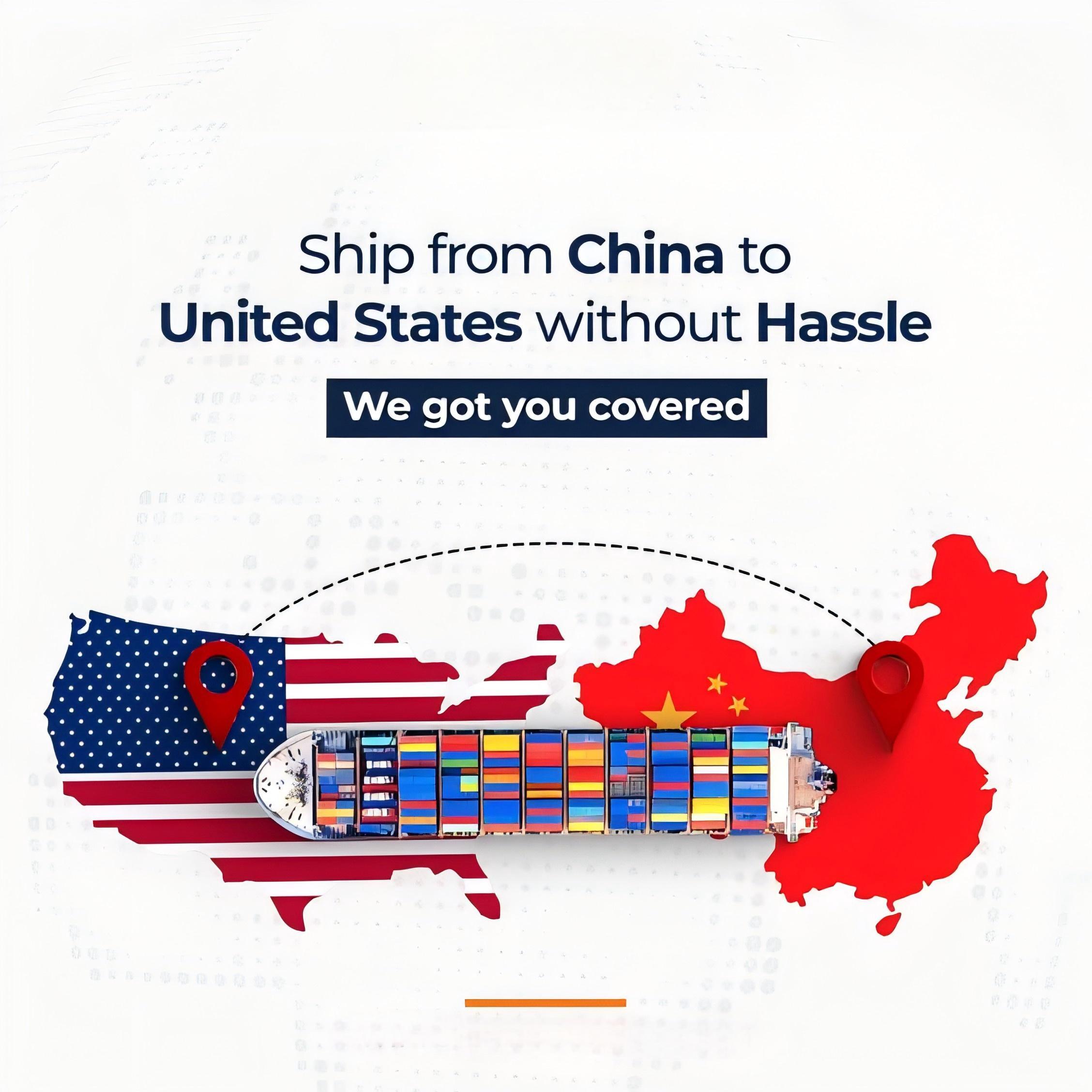
Transporting goods to the United States or Canada involves specific logistical challenges, including port selection and inland transport. When shipping from china to north america, the choice between West Coast and East Coast ports can impact both your transit time and your total cost. Specifically, shipping to Los Angeles or Long Beach is faster but may involve higher drayage costs if your final destination is in the Midwest.
Furthermore, the infrastructure at major North American ports can sometimes experience congestion during peak periods. To mitigate this, some importers choose to route their bulk cargo through smaller ports or use Canadian gateways like Vancouver or Prince Rupert. Nevertheless, these decisions must be weighed against the availability of rail and trucking connections to your warehouse.
In addition, understanding the ‘De Minimis’ thresholds and Section 301 tariffs is crucial for shipments to the USA. These regulations can significantly affect the total landed cost of your bulk goods. Therefore, staying informed about trade policy changes is essential for any business importing large volumes from China.

Real-World Bulk Cargo Case Studies
Case Study 1: Shanghai to Los Angeles. A furniture retailer needed to move 120 cubic meters of flat-pack desks. By utilizing three 40HQ containers via a direct sea route, they achieved a total landed cost of 12,500 USD. The transit time was 18 days from port to port, and the use of a professional broker ensured customs clearance in just 2 days. Key Insight: FCL shipping provided a 40 percent savings compared to LCL for this volume.
Case Study 2: Shenzhen to Hamburg. An electronics manufacturer required a faster alternative to sea freight without the high cost of air. They chose rail freight for 15 CBM of components. The total cost was 4,200 USD with a door-to-door transit time of 22 days. This strategy allowed them to meet a production deadline that would have been missed by ocean transit. Key Insight: Rail freight offered the perfect balance of speed and cost for mid-sized bulk cargo.
Case Study 3: Ningbo to Savannah. A construction company imported 50 tons of steel structures using a bulk carrier. By booking during the Q1 slack season, they secured a rate 15 percent below market average. Total door-to-door time was 40 days, including complex unloading procedures. Key Insight: Seasonal booking and specialized vessel selection are vital for heavy industrial bulk.
Managing the Logistics of Amazon FBA Bulk Shipments
Selling on Amazon requires a high level of logistical precision to ensure products are received and processed correctly. Many sellers utilize Amazon FBA services to handle their fulfillment, but getting bulk cargo from China to an FBA warehouse requires specific expertise. Specifically, your goods must be palletized and labeled according to strict Amazon standards before they arrive at the fulfillment center.
Furthermore, managing the timing of your shipments is critical for maintaining your Inventory Performance Index (IPI) score. If your bulk cargo arrives too late, you risk running out of stock; if it arrives too early, you may face high storage fees. Consequently, a reliable freight forwarder who understands the FBA system is an invaluable partner for your e-commerce business.
Additionally, some forwarders offer prep services in China or at the destination country to ensure compliance. This can be more cost-effective than having Amazon handle the prep work. Accordingly, optimizing the first mile of your FBA supply chain can lead to better margins and higher customer satisfaction.
Mastering Bulk Cargo Logistics from China
Securing cheap shipping from china bulk cargo requires a combination of strategic planning, method selection, and expert partnership. By understanding the differences between sea, rail, and air freight, you can choose the option that best aligns with your budget and delivery requirements. Furthermore, implementing cost-saving strategies like shipment consolidation and off-peak booking will further enhance your bottom line.
Ultimately, the goal is to create a resilient and cost-effective supply chain that supports your business growth. Whether you are shipping to North America, Europe, or beyond, the right logistics strategy makes all the difference. Note: Freight rates are subject to change based on fuel costs, carrier capacity, and seasonal demand. Contact us for a current quote tailored to your specific shipment.

Ready to streamline your logistics?
Ready to optimize your supply chain and secure the most competitive rates for your next shipment? Contact Global Supply Freight today for a customized quote on cheap shipping from china bulk cargo. Our team of logistics experts is standing by to help you navigate the complexities of international trade. Visit our website to Send Inquiry and start saving on your freight costs now.
Request Quote