
Online Freight Quote China to Canada Imports: A 2026 Guide
Securing an accurate online freight quote China to Canada imports is the first step toward a successful international supply chain strategy. At Global Supply Freight, we specialize in simplifying complex logistics to ensure your cargo arrives safely and on time. Visit our homepage at https://globalsupplyfreight.com/ to explore our full range of professional logistics solutions.
✦
Understanding Online Freight Quote China to Canada Imports
Obtaining a reliable quote requires understanding your specific cargo requirements and transit needs. Digital platforms have revolutionized how businesses manage their logistics by providing instant visibility into current market rates.
Moreover, importers must consider factors like origin charges, fuel surcharges, and peak season demand. Using a professional freight forwarder allows you to navigate these variables effectively while avoiding hidden costs.
Choosing the Right Shipping Method
Selecting the optimal transport mode depends on your budget and delivery deadlines. For heavy bulk cargo, sea freight remains the most cost-effective solution for trans-Pacific routes.
Conversely, if you are shipping high-value or time-sensitive electronics, air freight provides the speed necessary to maintain your inventory levels. For businesses looking for a balance, rail freight offers a robust middle ground for specific intermodal corridors.
Additionally, Amazon sellers should utilize Amazon FBA services to streamline their fulfillment process directly from the factory. If you need urgent documents or samples, our express service ensures rapid transit times.
| Method | Cost Range | Transit Time | Best For |
|---|---|---|---|
| Sea Freight | Low | 25-40 days | Large bulk cargo |
| Air Freight | High | 5-10 days | Urgent/High value |
| Rail Freight | Medium | 18-25 days | Intermodal stability |
How Does Sea Freight Compare to Other Shipping Options?
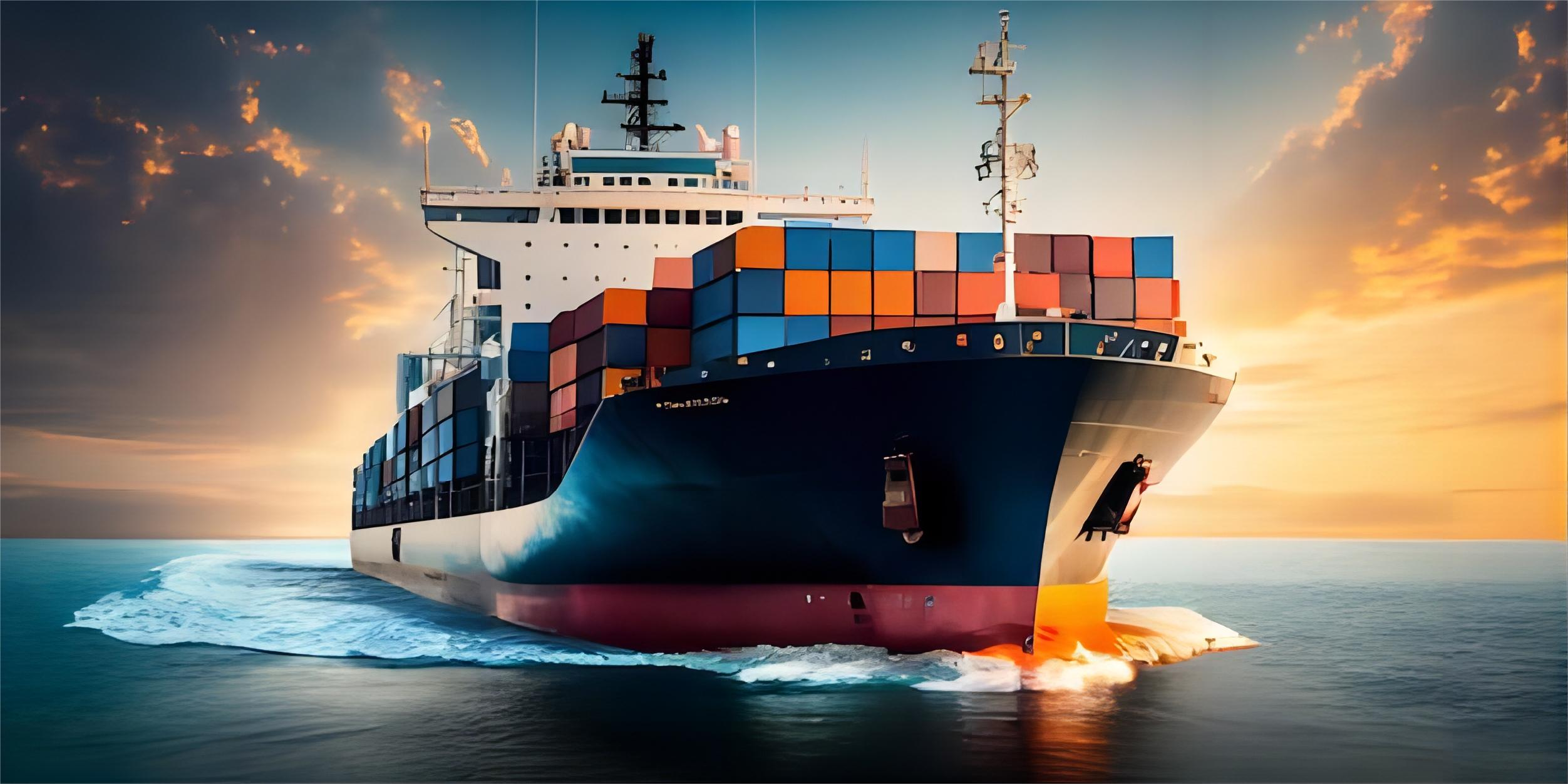
Sea freight is the industry standard for large-volume imports from China to Canada. While air freight is faster, the cost difference often makes sea transport the preferred choice for profit-margin protection.
Furthermore, direct routes to major Canadian ports like Vancouver or Prince Rupert save significant time compared to transshipment hubs. Importers should also consider door to door shipping to eliminate the complexity of managing local trucking and final-mile delivery.
Navigating Customs and Compliance
Importing goods requires strict adherence to CBSA regulations. Proper customs brokerage is essential to prevent costly delays at the border.
Documentation accuracy, including commercial invoices and packing lists, serves as the foundation for smooth clearance. Always verify your HS codes to ensure you are paying the correct duty rates for your specific products.
Summary of Success
Successfully managing an online freight quote China to Canada imports strategy involves balancing speed, cost, and compliance. By partnering with experts, you can navigate market fluctuations and ensure your goods arrive efficiently.
Stay informed about current 2026 logistics trends to maintain a competitive edge in your market. Reach out to us today to secure your next shipment.