
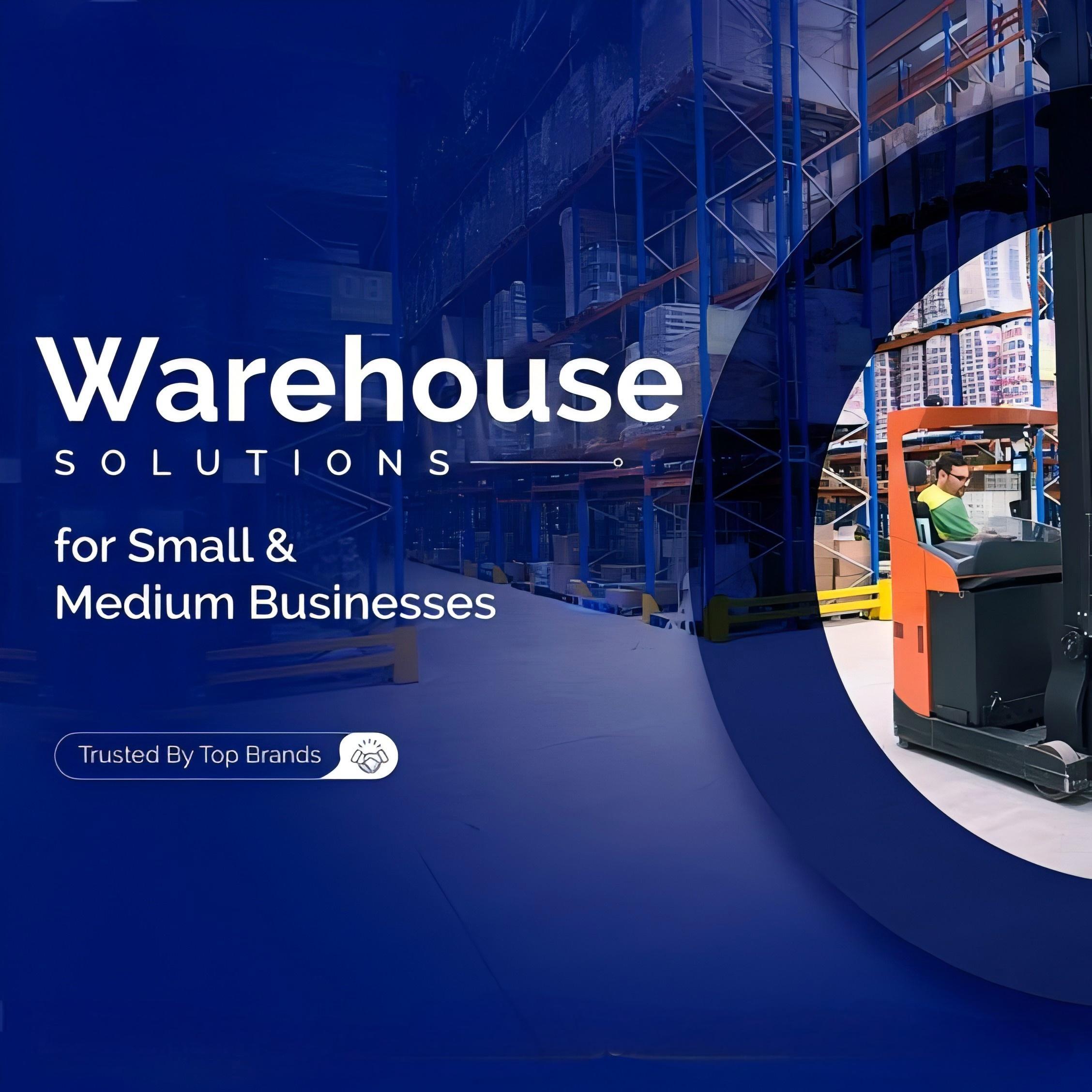
DDP Shipping from China to USA Warehouse: The Complete 2026 Guide
Navigating the complexities of international trade requires a reliable logistics partner. At Global Supply Freight, we specialize in seamless supply chain solutions, which you can explore at https://globalsupplyfreight.com/. If you are looking for DDP shipping from China to USA warehouse services, understanding the duty-paid process is essential for scaling your business efficiently.
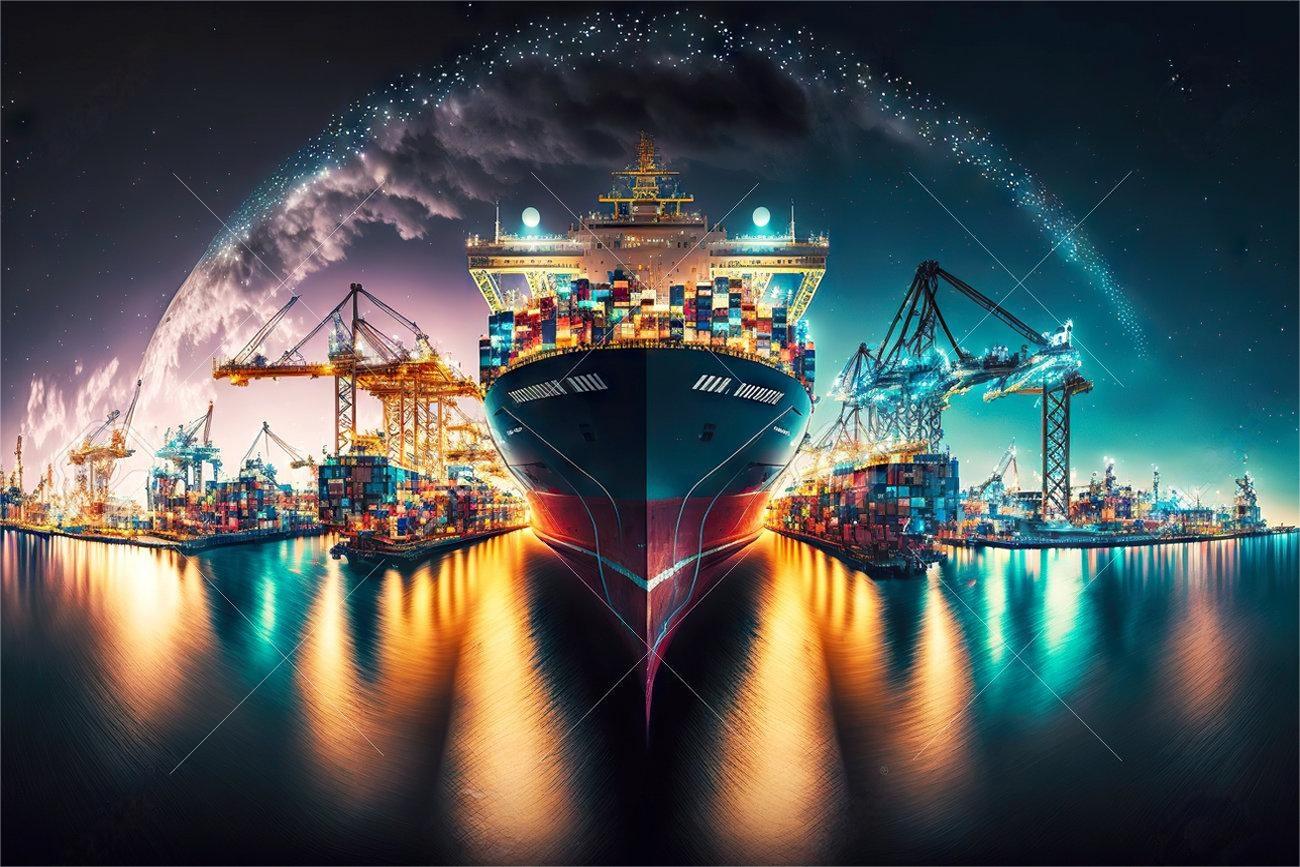
What is DDP Shipping from China to USA Warehouse?
Delivered Duty Paid (DDP) is a shipping agreement where the seller assumes all responsibility for costs and risks until the goods reach the buyer’s destination. Consequently, the shipper handles everything from export clearance to import duties in the destination country.

For businesses utilizing door to door logistics, DDP offers a predictable cost structure. Furthermore, it simplifies the receiving process at your warehouse, as you do not need to manage complex customs brokerage tasks independently.
How Does DDP Shipping Compare to Other Options?
Choosing between shipping methods depends on your specific volume and urgency. While sea freight is cost-effective, air or rail options may be necessary for time-sensitive inventory replenishment.
Consider using sea freight for bulk shipments to lower your landed cost significantly. Conversely, if your cargo is high-value or low-weight, air freight provides the rapid transit times required to maintain stock levels.
| Method | Cost | Transit Time | Best For |
|---|---|---|---|
| Sea Freight | Low | 30-40 Days | Bulk Stock |
| Air Freight | High | 5-10 Days | High Value |
| Rail Freight | Medium | 18-25 Days | Balanced Speed |
Optimizing Your Logistics Strategy
Efficiency in your supply chain starts with proper cargo preparation. By leveraging customs brokerage services, you ensure that all documentation is accurate, thereby avoiding costly delays at US ports.
Additionally, many sellers use Amazon FBA services to automate their fulfillment. Integrating your DDP shipments directly into these programs can significantly reduce manual handling and accelerate your delivery schedule.
Final Thoughts on DDP Logistics
Successfully executing DDP shipping from China to USA warehouse requires a balance of speed, cost, and compliance. By partnering with experienced professionals, you can mitigate risks and focus on growing your core business.
As of 2026, market conditions remain fluid, making it more important than ever to stay informed about freight rates and transit times. Start your partnership with us today to ensure your supply chain remains resilient and competitive in the global market.
Need a tailored shipping solution?
Ready to streamline your imports? Contact our team at Global Supply Freight today to get a customized quote for your DDP shipping from China to USA warehouse needs. Our experts are standing by to optimize your logistics flow.
Frequently Asked Questions
What does DDP mean for my import duties?
DDP stands for Delivered Duty Paid, meaning the seller pays all import duties, taxes, and customs fees before the goods arrive at your warehouse.
Is DDP shipping faster than other methods?
DDP relates to the responsibility of costs and customs, not the transit mode. The speed depends entirely on whether you select air, sea, or rail freight options.
Can I use DDP for Amazon FBA shipments?
Yes, many sellers choose DDP shipping to ensure their inventory arrives at Amazon fulfillment centers with all duties pre-paid, avoiding delivery blocks.
What documents are required for DDP?
You typically need a commercial invoice, packing list, bill of lading, and, depending on the product, specific certificates of origin or compliance documents.
Are there hidden costs with DDP?
When working with a reputable freight forwarder, all costs should be transparent. Ensure your quote includes port charges, duty, and final delivery fees.
How do I choose the right shipping method?
Evaluate your budget, product value, and stock requirements. High-value goods often benefit from air, while heavy, low-margin items are best for sea.