
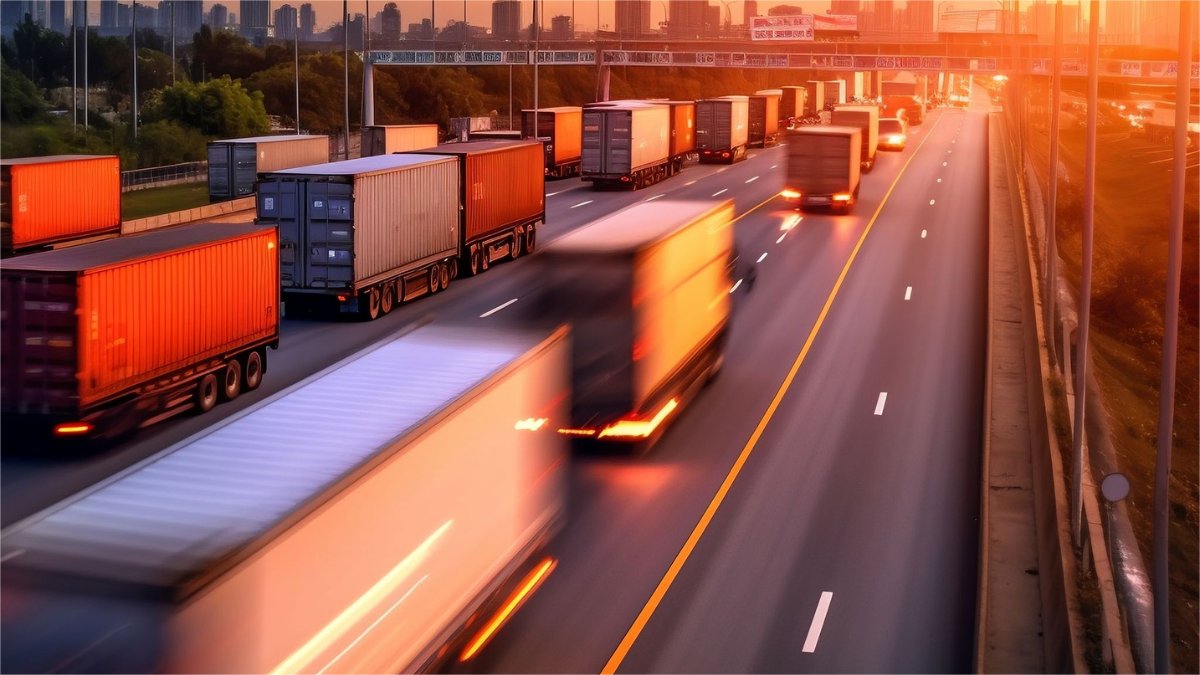
Road Freight Delivery From Port To Warehouse: A 2026 Logistics Guide
“Efficient road freight delivery from port to warehouse is the critical final leg of your international supply chain. At Global Supply Freight, we specialize in seamless logistics solutions to ensure your cargo moves from the terminal to your facility without delays. Visit https://globalsupplyfreight.com/ to learn how our comprehensive network supports your business growth.”

❖
Understanding Road Freight Delivery From Port To Warehouse
❖
Road freight delivery from port to warehouse, commonly known as drayage, acts as the vital bridge in global trade. This process involves moving containerized cargo from maritime terminals to inland distribution centers or warehouses.
Smooth execution requires precise coordination between port authorities, trucking companies, and warehouse managers. Consequently, any breakdown in communication can lead to significant detention and demurrage fees.
If you are importing goods, consider optimizing your sea freight strategy to ensure that your inland transport is booked well in advance. Proper planning minimizes downtime and keeps your inventory moving efficiently.
❖
Key Factors Influencing Your Drayage Costs
❖
Several variables dictate the final price of your port-to-warehouse transport. Distance from the port remains the most significant driver of total trucking costs.
Furthermore, fuel surcharges, chassis usage fees, and port congestion surcharges frequently impact your bottom line. As of early 2026, market data suggests that labor shortages in the trucking sector are also driving up rates.
To manage these costs, businesses should leverage customs brokerage services to prevent clearance delays at the terminal. Streamlining documentation ensures that your trucks are not waiting idly at the gate.
| Cost Factor | Impact Level | Management Tip |
|---|---|---|
| Distance | High | Use regional hubs |
| Fuel | Medium | Negotiate surcharges |
| Wait Time | High | Pre-clear customs |
| Seasonality | Medium | Book in advance |
❖
How Does Road Freight Delivery Compare to Other Shipping Options?
❖
While trucking is essential for the final mile, your broader strategy may require alternatives. For instance, rail freight serves as a cost-effective alternative for long-haul inland distances exceeding 500 miles.
Meanwhile, if your goods are time-sensitive, you might prioritize express service options to bypass standard port-to-warehouse bottlenecks. Choosing the right mode depends entirely on your specific delivery schedule and budget constraints.
For e-commerce sellers, integrating Amazon FBA logistics can simplify the transition from port to fulfillment center. This hybrid approach often reduces complexity for high-volume importers.
| Method | Best For | Transit Time | Limitations |
|---|---|---|---|
| Road | Short-haul | 1-3 days | Traffic delays |
| Rail | Long-haul | 3-7 days | Fixed schedule |
| Express | Urgent | 24-48 hours | High cost |

Final Thoughts on Port Logistics
Mastering road freight delivery from port to warehouse requires a balance of speed, cost, and reliability. By planning your drayage strategy early and maintaining clear communication with your freight forwarder, you can avoid common pitfalls.
In summary, proactive management of your inland transport leads to a more resilient supply chain. Reach out to our experts at Global Supply Freight to optimize your logistics operations for the remainder of 2026.
Ready to streamline your logistics?
Are you struggling with complex inland logistics? Let our team streamline your road freight delivery from port to warehouse today. Contact us for a custom quote and experience reliable shipping.
Frequently Asked Questions
What is drayage in shipping?
How can I reduce port-to-warehouse costs?
Why do delays happen during inland transport?
What is the difference between FCL and LCL drayage?
How far in advance should I book drayage?
What are detention and demurrage fees?