
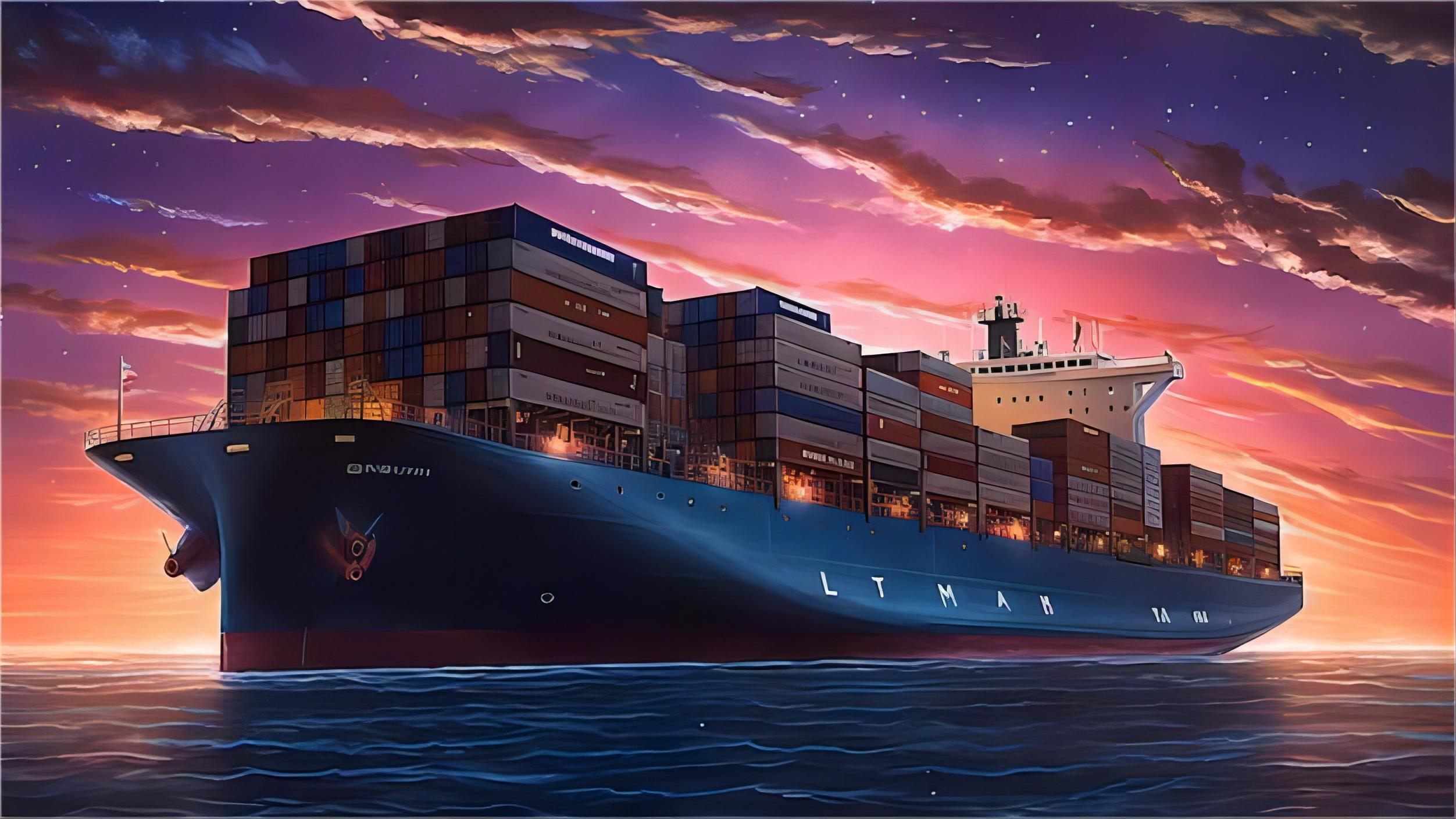
Shipping from China to Canada: Industrial Equipment Guide 2026
Navigating the complexities of shipping from China to Canada industrial equipment requires precision, reliability, and strategic planning. Businesses must prioritize efficient logistics to maintain supply chain integrity. For professional support, visit Global Supply Freight at https://globalsupplyfreight.com/ for tailored solutions.

Essential Logistics for Shipping from China to Canada Industrial Equipment
Transporting heavy machinery involves significant regulatory oversight and careful cargo handling. First, you must determine whether your equipment requires special flat-rack containers or break-bulk shipping. Furthermore, partnering with a sea freight expert ensures your oversized goods are secured correctly for the long Pacific crossing.

Additionally, understanding the transit time from major Chinese ports like Shanghai or Ningbo to Canadian hubs like Vancouver or Montreal is crucial. As a result, you can better manage your production schedules and inventory turnover. Planning ahead effectively mitigates the risks of port congestion and unexpected delays.
How Does Sea Freight Compare to Other Shipping Options?
Choosing the right transit mode depends on your specific budget and urgency. While sea freight remains the most cost-effective solution for massive industrial units, air freight offers unmatched speed for critical spare parts. For instance, air freight provides a rapid solution when downtime is not an option.
Meanwhile, rail freight has emerged as a reliable middle ground for specific regions. Utilizing rail freight can often reduce costs compared to air while providing faster delivery than traditional ocean routes. Consequently, many companies now adopt hybrid models to optimize their logistics spend.
| Method | Cost | Transit Time | Best For |
|---|---|---|---|
| Sea Freight | Low | 30-45 days | Heavy Machinery |
| Air Freight | High | 3-7 days | Urgent Parts |
| Rail Freight | Medium | 18-25 days | Mid-sized Cargo |
Navigating Customs and Compliance
Importing industrial equipment requires strict adherence to CBSA regulations. Therefore, hiring a professional customs brokerage service is highly recommended to avoid costly penalties. Proper documentation ensures your goods clear Canadian borders without unnecessary inspection delays.
Moreover, utilizing door to door service simplifies the entire process by consolidating pickup, international transit, and final delivery. This approach minimizes the hand-offs between carriers, which reduces the overall risk of damage to sensitive equipment.
Case Study: Industrial Manufacturing Equipment
Case Study 1: Heavy CNC Machine. Route: Shanghai to Vancouver. Cargo: 15,000kg industrial unit. Method: Flat-rack sea freight. This shipment utilized specialized loading to ensure stability during the ocean transit. Total landed cost was optimized through careful port handling and efficient customs clearance.
Case Study 2: Precision Components. Route: Shenzhen to Toronto. Cargo: 2,000kg electronic controllers. Method: Express air freight. Given the high value and urgency, this shipment arrived in 5 days, preventing a major production line shutdown.
Final Thoughts on Shipping from China to Canada Industrial Equipment
In summary, successful international logistics relies on selecting the right partners and methods for your specific cargo. Shipping from China to Canada industrial equipment is a complex undertaking, but it becomes manageable with the right expertise and preparation.
By balancing cost, speed, and safety, your business can maintain a competitive edge. Always consult with experts to stay updated on 2026 market trends and regulatory changes.
Need a tailored shipping solution?
Ready to streamline your logistics? Contact our team today to get a competitive quote for shipping from China to Canada industrial equipment. Visit https://globalsupplyfreight.com/ to start your shipment now.