
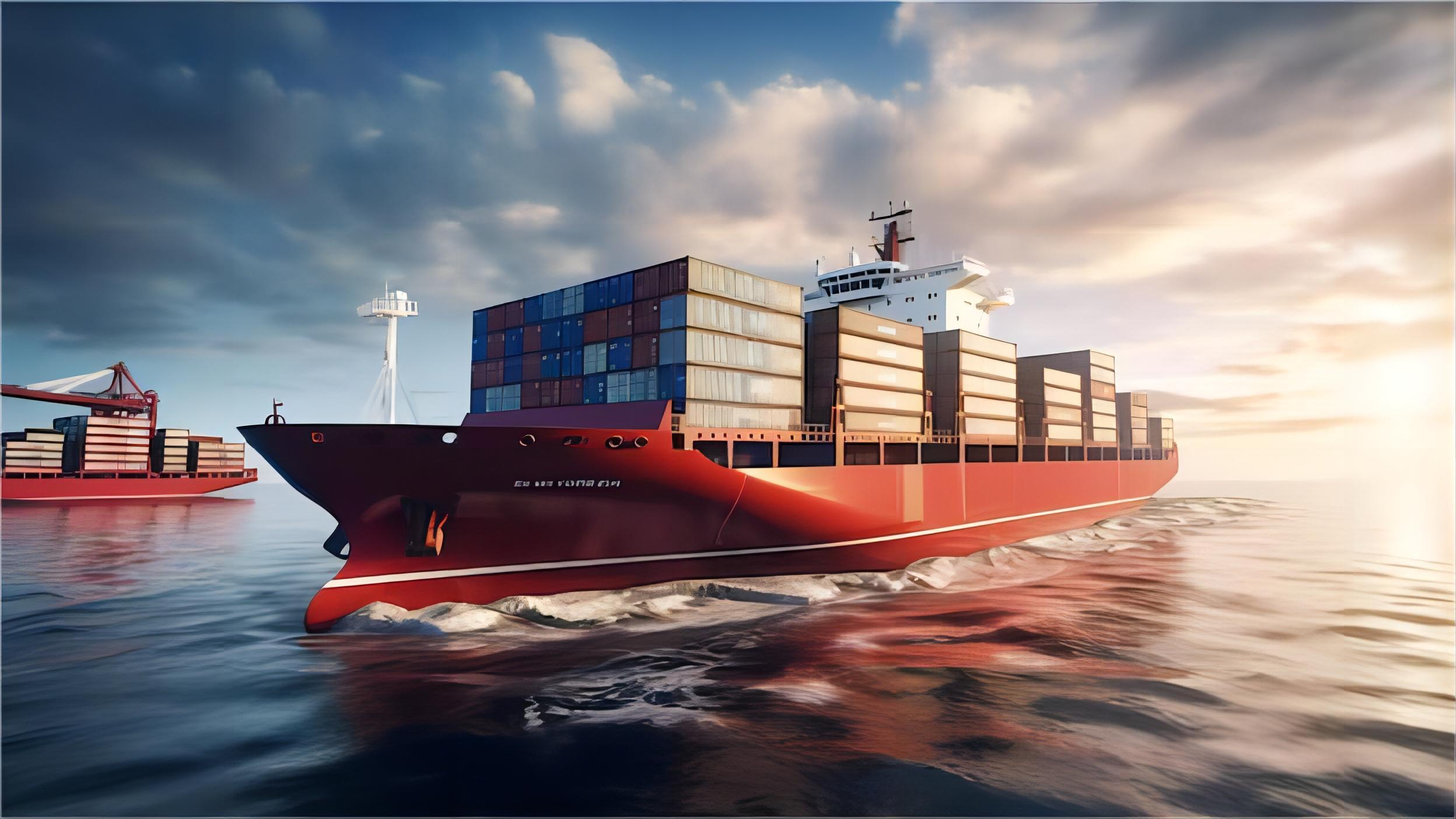
Container Shortage Affecting North America Imports: Strategies for 2026
“The current container shortage affecting North America imports has created significant bottlenecks for businesses relying on international trade. As global supply chains face renewed pressures in 2026, finding reliable logistics partners like Global Supply Freight is essential to maintaining your delivery schedule. We provide comprehensive shipping solutions to ensure your cargo moves efficiently despite market volatility.”

Why Is There a Container Shortage Affecting North America Imports?
❖Global trade imbalances often trigger equipment scarcity, where containers accumulate in regions with low export demand. Consequently, North American ports frequently struggle to reposition empty units back to major manufacturing hubs in Asia.
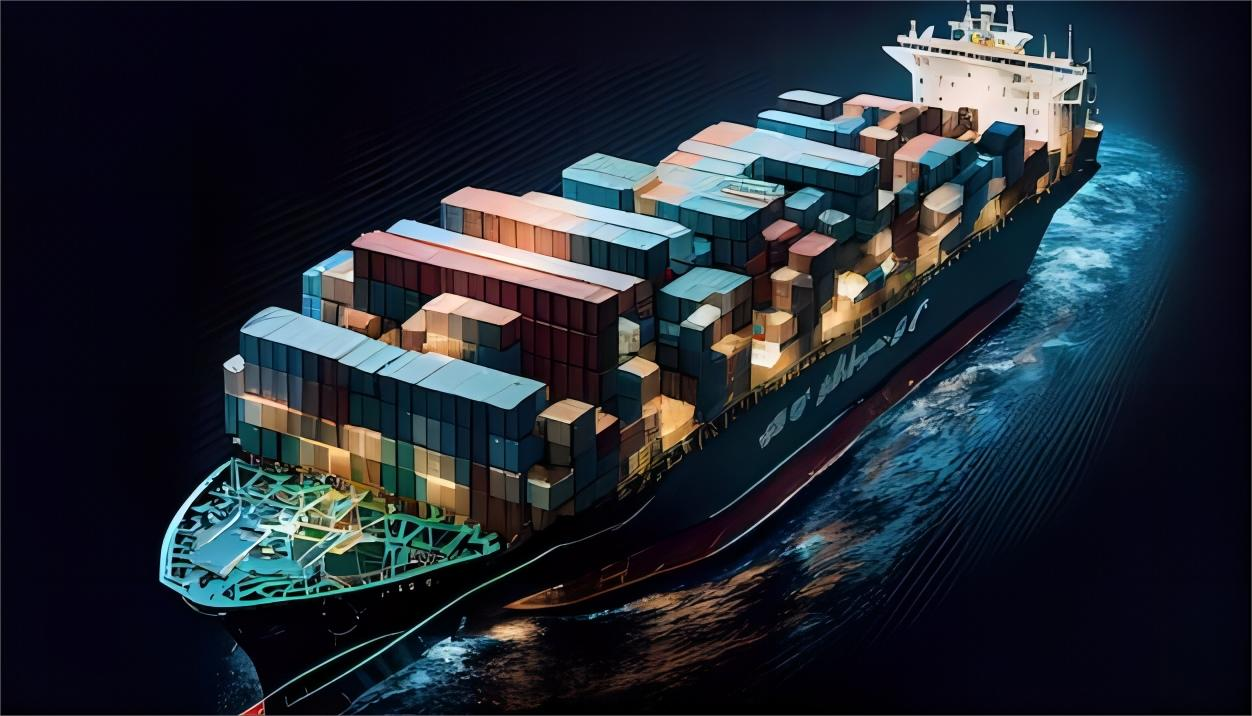
Additionally, port congestion and labor availability issues exacerbate the issue, slowing down the turnaround time for essential shipping equipment. These logistics trends indicate that shippers must plan for extended lead times throughout the 2026 calendar year.
How to Manage Risks During Equipment Scarcity
❖Effective supply chain management requires proactive communication with your freight forwarder to secure space well in advance. For urgent requirements, consider utilizing our air freight solutions to bypass sea-based bottlenecks.
Furthermore, diversifying your transport modes can provide necessary flexibility. Our rail freight services offer a reliable alternative for inland distribution once your cargo reaches the coast.
Finally, ensure your documentation is precise to avoid customs delays. Utilizing professional customs brokerage services will streamline the clearance process, allowing your goods to move through the port faster.
| Method | Cost | Speed | Reliability |
|---|---|---|---|
| Sea Freight | Low | Slow | High |
| Air Freight | High | Fast | Very High |
| Rail Freight | Medium | Medium | High |
How Does Sea Freight Compare to Other Options?
❖While sea freight remains the backbone of global commerce, the current container shortage affecting North America imports makes it less predictable. For smaller volumes, choosing sea freight LCL (Less than Container Load) can be cost-effective, though it carries a higher risk of handling delays.
Conversely, if you handle consistent high-volume goods, our Amazon FBA logistics support helps you navigate complex fulfillment requirements during peak demand periods. For time-sensitive cargo, our express service provides the agility needed to meet tight delivery windows.
Navigating Future Logistics Challenges
To summarize, the container shortage affecting North America imports is a complex challenge that requires strategic foresight and expert partnerships. By leveraging diverse transport methods, you can mitigate risks and ensure consistent inventory levels.
Indeed, planning ahead remains the best defense against market volatility. Reach out to our team to discuss how we can optimize your shipping strategy for the remainder of 2026.
Ready to streamline your logistics?
Are you struggling with the container shortage affecting North America imports? Contact Global Supply Freight today to receive a customized logistics plan and secure your shipping capacity. Visit our website to request a quote and keep your supply chain moving forward.
Request Quote