

Logistics Contingency Planning for Delayed Shipments in 2026
Effective logistics contingency planning for delayed shipments is essential for maintaining business continuity in today volatile global market. When unexpected interruptions occur, having a robust strategy ensures your goods reach their destination despite transit hurdles. We invite you to explore professional solutions at Global Supply Freight to secure your international trade flows.
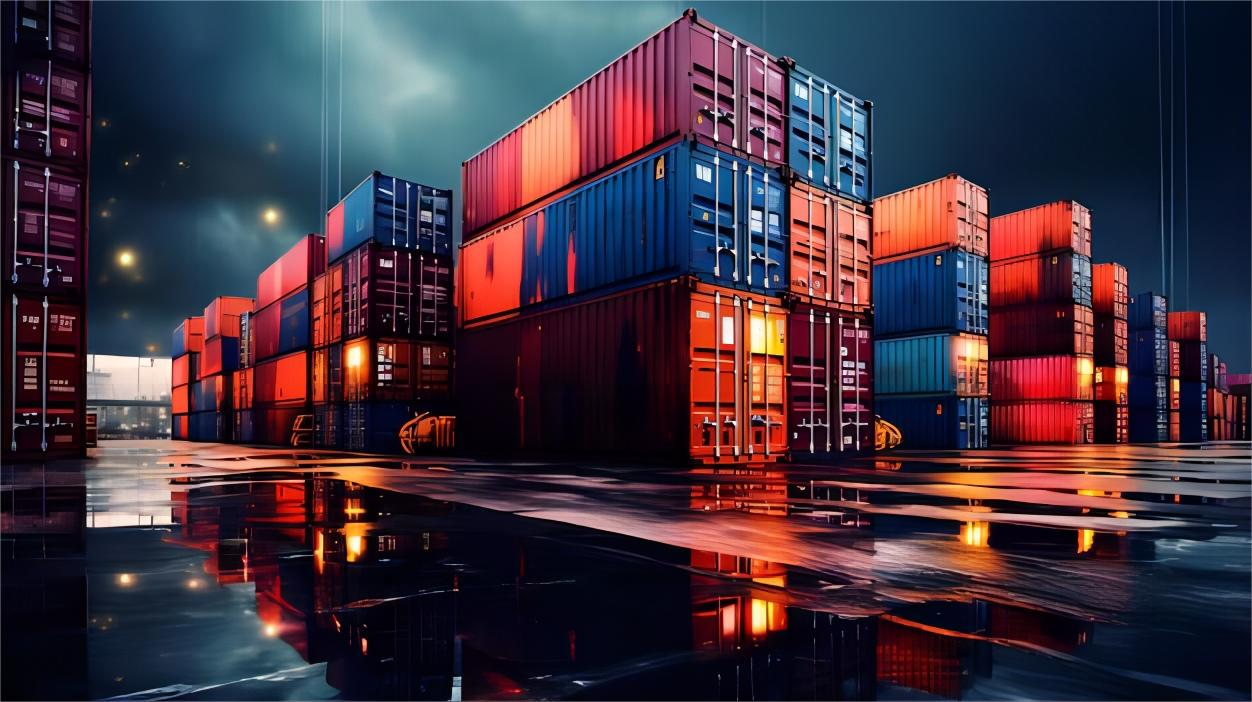
Why Logistics Contingency Planning for Delayed Shipments Matters
Supply chain volatility has become the new normal as of early 2026. Without a proactive plan, businesses often face mounting storage fees, stockouts, and lost revenue.
Developing a strategy requires analyzing your current shipping methods. Consider utilizing sea freight for bulk goods while maintaining flexibility for smaller, urgent items.
Furthermore, companies that anticipate risks like port congestion or weather events gain a significant competitive advantage. Preparation turns a potential crisis into a manageable operational adjustment.
Strategies for Mitigating Transit Delays
Diversification of transport modes remains the most effective way to handle delays. For instance, you might switch from standard ocean transit to air freight if deadlines become critical.
Additionally, leveraging rail freight provides a balanced middle-ground for shipments to Europe, offering faster transit than sea at a lower cost than air.
Finally, ensure your customs brokerage processes are optimized to prevent administrative bottlenecks at the border.
How Does Sea Freight Compare to Other Shipping Options?
Choosing the right mode of transport depends on your specific budget and timeline requirements. The following table illustrates the trade-offs between common shipping methods.
| Method | Cost | Transit Time | Best For |
|---|---|---|---|
| Sea | Lowest | Slow | Large Volume |
| Air | Highest | Fast | Urgent Items |
| Rail | Medium | Moderate | Eurasia Trade |

Real-World Contingency Success Stories
Case Study 1: A client shipping electronics from China to North America faced a 14-day port delay. By switching to our express service, they recovered 10 days of transit time.
Case Study 2: A European retailer utilized door to door solutions to bypass regional warehouse strikes, ensuring inventory levels remained stable throughout the peak season.
Final Thoughts on Logistics Contingency Planning
Reliable logistics contingency planning for delayed shipments is not a one-time task but a continuous process of evaluation and improvement. By partnering with experienced professionals, you can navigate complex global trade environments with confidence.
Start building your resilient supply chain today to protect your bottom line and ensure customer satisfaction.
Ready to streamline your logistics?
Are you ready to fortify your supply chain? Contact our team at Global Supply Freight today to develop a custom logistics contingency plan for delayed shipments. Send Inquiry
Request Quote