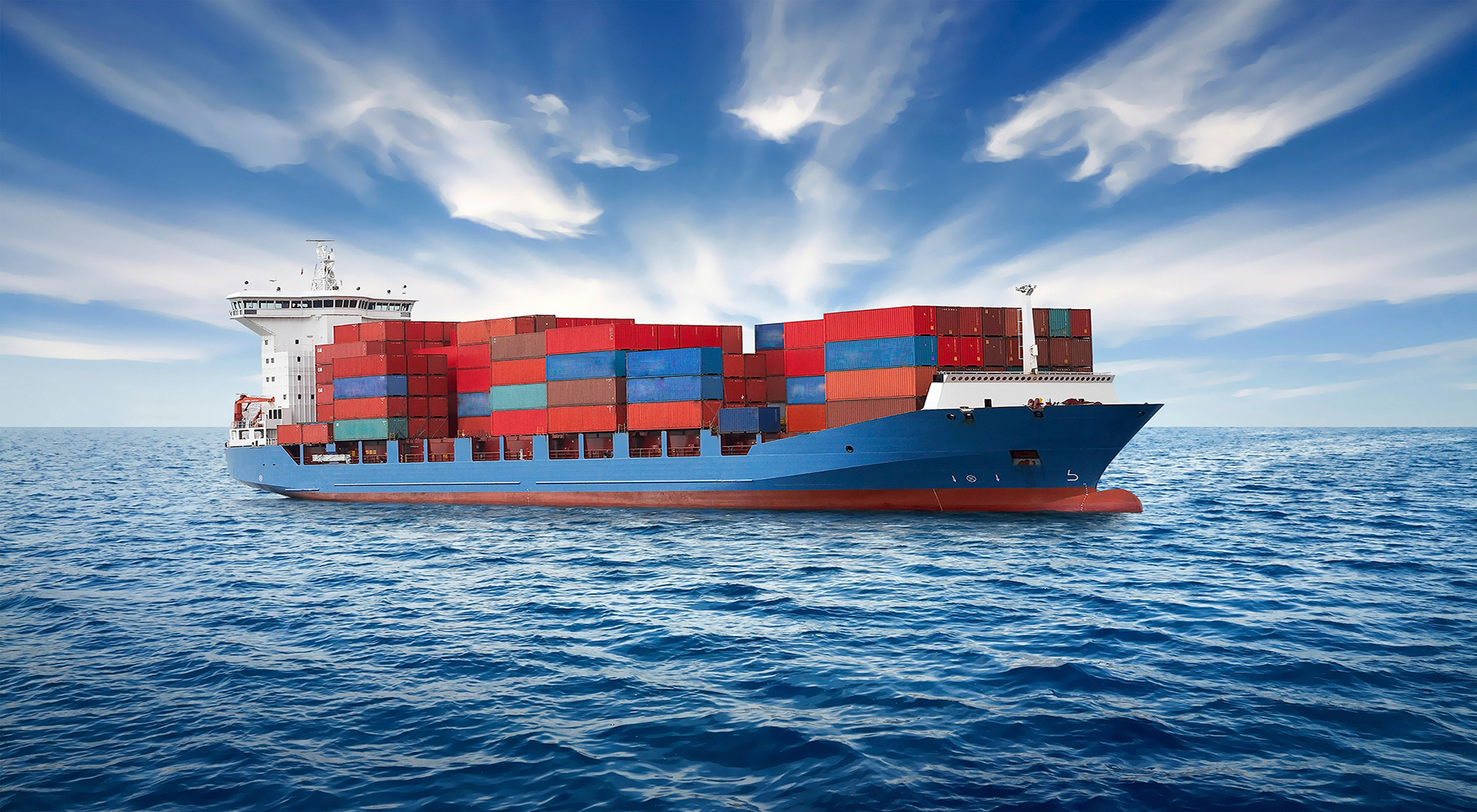
Global Supply Freight provides professional logistics solutions for shipping from China to Portugal, supporting cargo flows into a Southwestern European market with Atlantic coastal access and EU inland connectivity.
Portugal’s imports are primarily handled through Lisbon, Leixões, and Sines ports, with onward road and rail distribution into domestic and Iberian Peninsula markets. Our focus is on port selection, transit scheduling, and EU customs compliance, ensuring China-origin cargo reaches Portuguese destinations efficiently and reliably.
Sea freight for shipments from China to Portugal is routed via Atlantic-facing container ports, primarily Lisbon, Sines, and Leixões, followed by inland road or rail delivery. Global Supply Freight manages ocean freight with detailed planning around port capacity, vessel schedules, and inland EU connections. Our sea freight service includes export documentation in China, vessel schedule coordination, and destination-side handling aligned with road and rail delivery into Portugal’s domestic markets. This solution is ideal for consumer goods, electronics, furniture, and industrial shipments.

Air freight for shipments from China to Portugal is applied when speed and time-sensitive delivery are critical. Global Supply Freight coordinates air freight with attention to airport selection, customs processing efficiency, and onward road or rail delivery.
This service is typically used for electronics, medical supplies, spare parts, and urgent commercial cargo destined for Lisbon, Porto, or other regional Portuguese markets.

Rail freight can be utilized as part of an intermodal route, connecting China-Europe rail corridors with Western European networks for Portugal-bound cargo. Global Supply Freight arranges rail services with careful planning for transshipment hubs, border crossings, and inland routing to Lisbon or Porto.
This solution is used for high-value industrial components, automotive parts, and e-commerce shipments requiring faster transit than sea freight combined with controlled cost, particularly for destinations in Portugal’s interior regions.

Full Container Load shipping is ideal for large shipments moving from China to Portugal, especially those entering EU distribution hubs. FCL ensures cargo security, reduces handling, and supports streamlined customs processing and inland transport.
Global Supply Freight manages container loading, sealing, tracking, and arrival coordination to guarantee consistent delivery into Portugal’s ports and onward distribution network.
Less than Container Load shipping is suitable for smaller shipments where full containers are unnecessary. LCL shipments are planned considering consolidation at EU hubs, customs clearance sequencing, and final delivery schedules within Portugal.
This service is commonly used for replenishment cargo, mixed commercial goods, and trial shipments for Portugal-based buyers and regional distribution networks.
Global Supply Freight will provide most fuel efficient pickup service China

We provide free warehousing services for any of your goods.
The cargo insurance protects your goods all the way to any Any FBA Warehouse
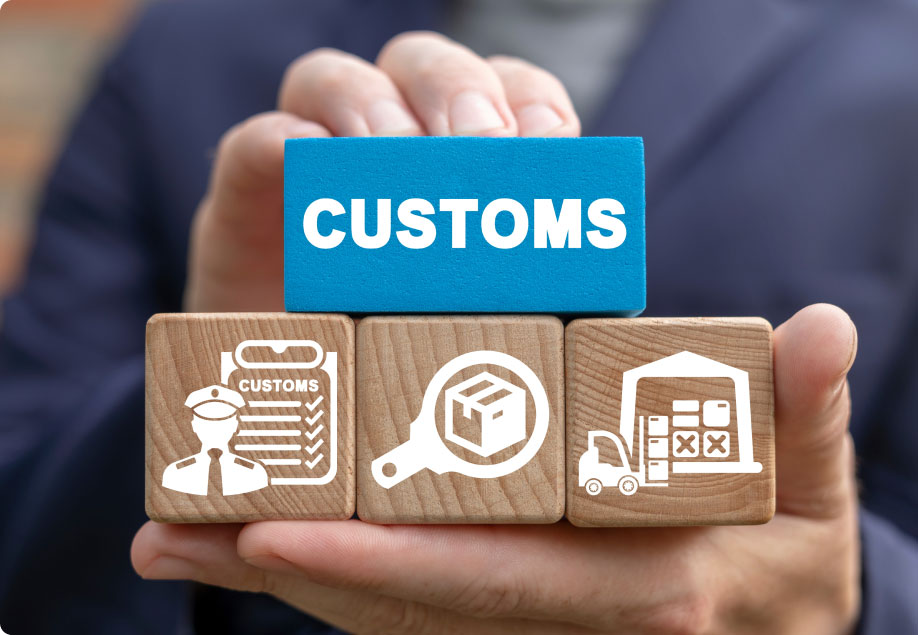
We handle all paperwork and other details for you.

Ensure safe packaging and loading of goods in your suppliers' factory.
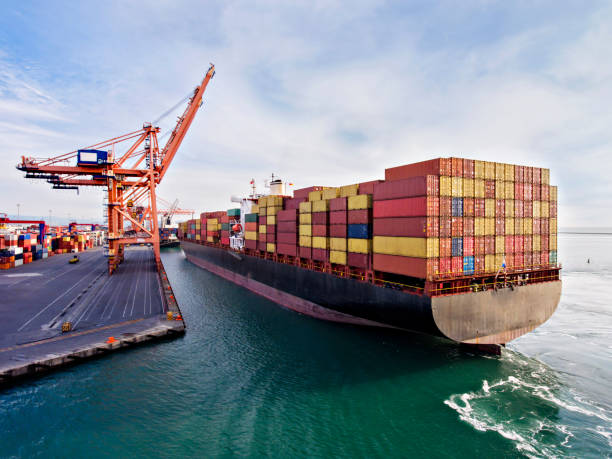
Shipping times from China to Portugal depend on several factors, including the mode of transport (air or sea), the specific departure and destination ports, customs processing times, and the efficiency of the freight forwarder. Air freight is faster but more expensive, while sea freight is more cost-effective but slower.
To track your shipment, use the tracking number provided by your freight forwarder or carrier. Most companies offer online tracking systems on their websites. You can also request regular updates through email or SMS from your freight service provider.
Customs requirements include providing accurate documentation such as the commercial invoice, packing list, and bill of lading. Ensure compliance with Portuguese import regulations, including tariffs, VAT, and any specific import restrictions. Customs clearance may also require certificates of origin or conformity for certain goods.
Shipping costs are determined by factors such as the weight and volume of the cargo, the shipping method (air or sea), and the distance between the ports. Additional costs may include insurance, customs duties, and handling fees. Freight forwarders usually provide quotes based on these variables.
Use durable and secure packaging materials to protect goods during transit. For fragile items, use cushioning materials like bubble wrap or foam. Ensure that the packaging is labeled correctly and includes all necessary documentation to comply with customs requirements.
Yes, certain items may be restricted or prohibited due to safety, health, or environmental concerns. Common restrictions include hazardous materials, pharmaceuticals, and specific electronics. Check with Portuguese customs and your freight forwarder for a list of restricted items before shipping.
Contact your freight forwarder or carrier for an update on the status of your shipment. They can provide information on the cause of the delay and an estimated delivery time. It’s also helpful to track your shipment online and check with customs for any clearance issues.
Obtain insurance coverage through your freight forwarder or a third-party insurer. Verify that the policy covers potential risks such as loss, damage, or theft. Ensure that the insurance value aligns with the value of your shipment for adequate protection.
Required documentation includes the commercial invoice, packing list, bill of lading, and any applicable certificates of origin or conformity. Ensure all documents are complete and accurate to avoid delays or issues with customs clearance.
Research and compare freight forwarders based on their reputation, customer reviews, and service offerings. Look for companies with experience in shipping to Portugal, transparent pricing, and a track record of timely deliveries. Verify their compliance with international shipping standards and regulations.
Operations refer to how vehicles are used, including the procedures and policies established for their operation. In the transport industry, both operations and infrastructure ownership can be managed by either the public or private sector.
Operations deal with the way vehicles are operated, as well as the procedures and policies established for this purpose. In the transport industry, both operations and infrastructure ownership can be either public or private.
Operations deal with how vehicles are operated, including the procedures and policies established for this purpose. In the transport industry, operations and infrastructure ownership can be either publicly or privately managed.