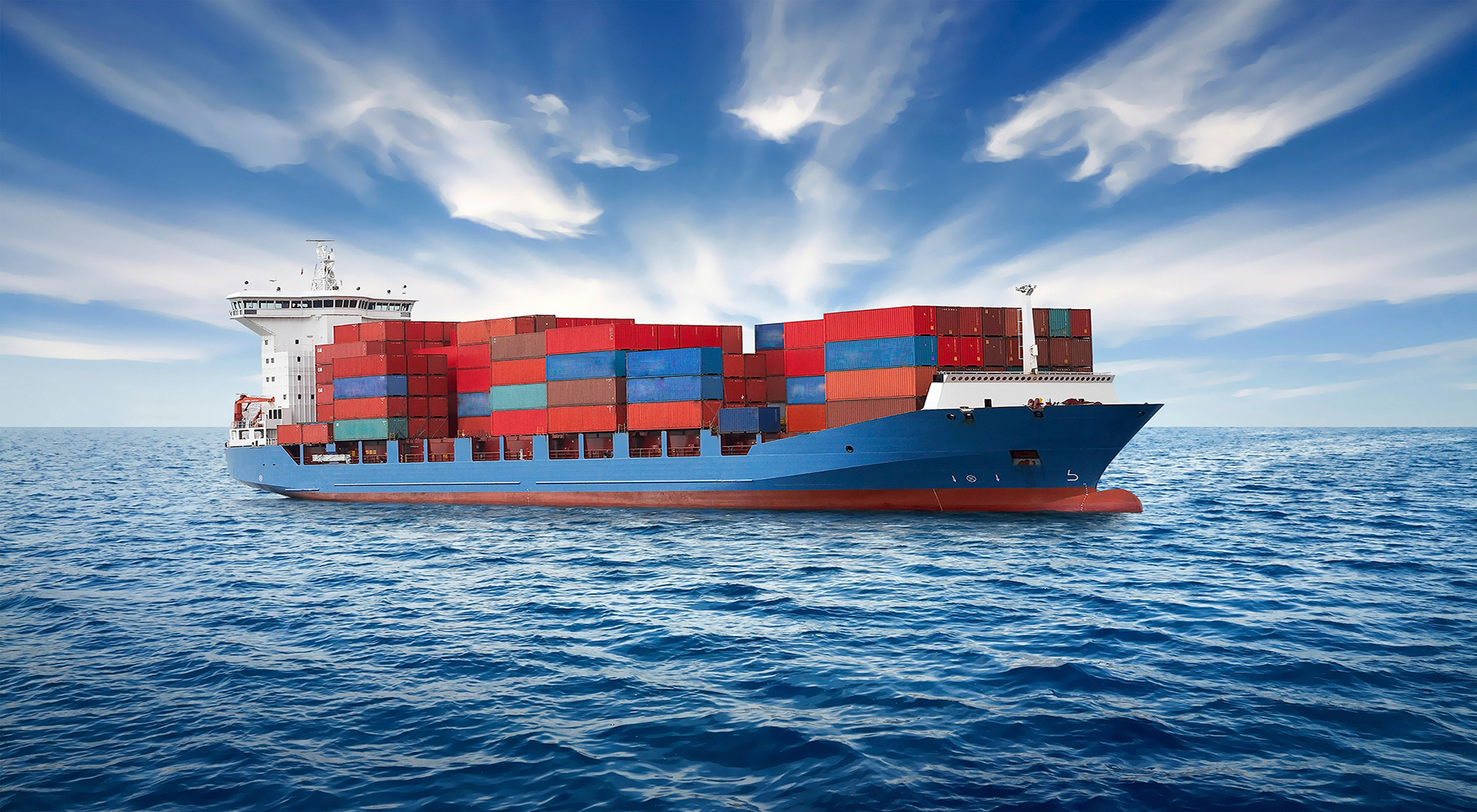
Global Supply Freight delivers reliable and fully integrated logistics solutions for shipping from China to Finland, supporting importers, manufacturers, distributors, and project buyers across Northern Europe. With strong China-origin operations and deep experience in EU and Nordic logistics networks, we help customers achieve stable transit schedules, optimized freight costs, and transparent shipment coordination across every stage of transportation.
From export documentation and cargo handling in China to international transport, EU customs coordination, and final delivery across Finland, our professional logistics team manages each shipment with precision. Whether shipping machinery, electronics, furniture, industrial equipment, or general commercial cargo, Global Supply Freight provides secure, efficient, and well-organized China–Finland logistics solutions tailored to your supply chain needs.
Global Supply Freight offers dependable sea freight services from major Chinese ports to Finland via Northern European and Baltic gateways, including Helsinki and nearby hub ports. Through stable carrier partnerships and optimized sailing schedules, we ensure predictable transit times and cost-efficient ocean freight solutions for Finland-bound cargo. Our sea freight service supports full container loads, consolidated shipments, and project cargo, with professional handling for heavy, oversized, or sensitive goods. From container booking and export clearance in China to transshipment coordination and arrival management in Finland, we maintain full shipment visibility and operational control throughout the ocean transport process.
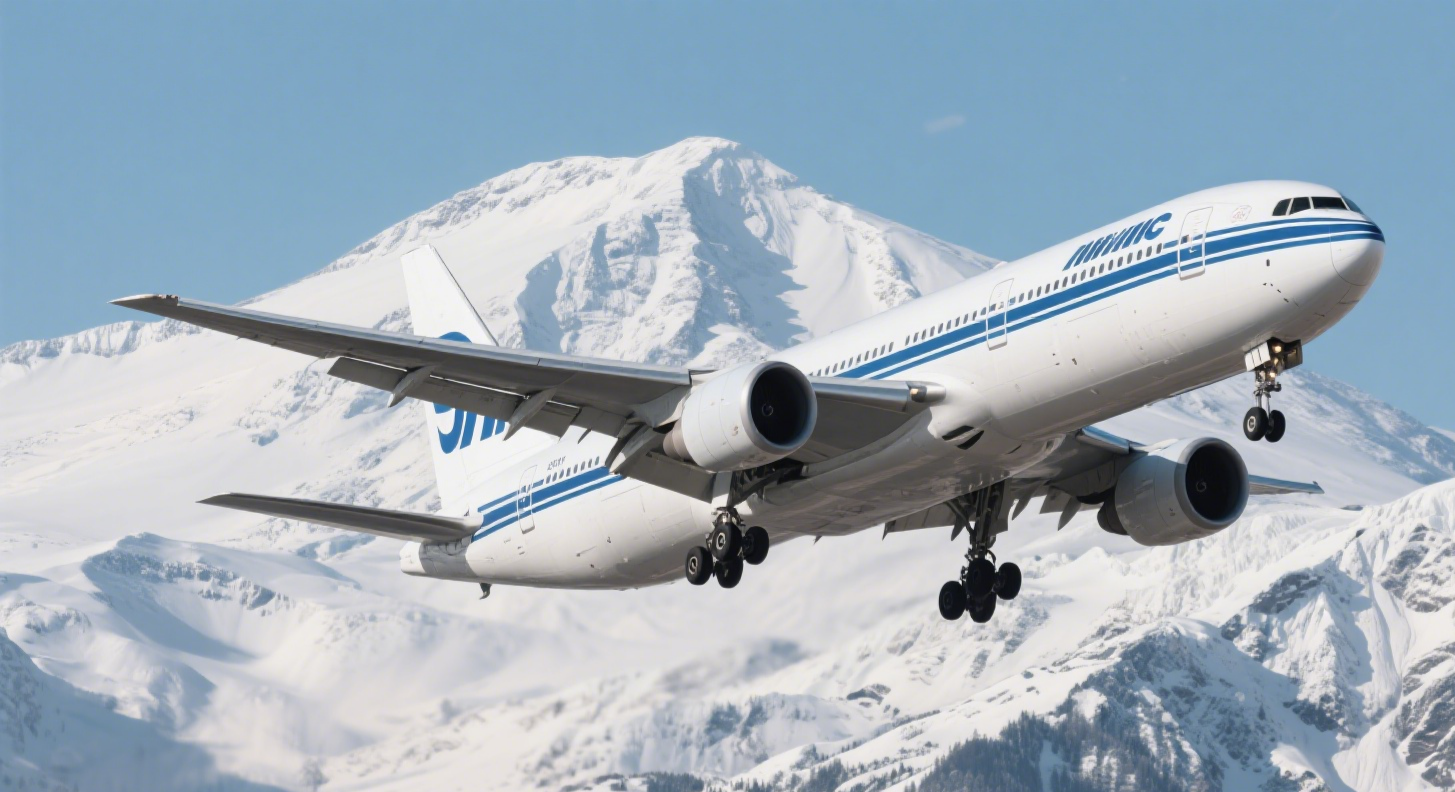
For urgent or high-value shipments, Global Supply Freight provides air freight solutions from major Chinese airports to Finland, with primary arrival at Helsinki Airport. Our air freight planning prioritizes speed, reliability, and flexibility, making it suitable for time-critical supply chains and premium cargo requirements.
We manage airline booking, export documentation, cargo security, and destination handling to ensure smooth and timely delivery. Air freight is ideal for electronics, medical supplies, spare parts, samples, and commercial goods requiring fast transit into Finland.

Global Supply Freight offers efficient China–Europe rail freight services to Finland, providing a balanced solution between sea and air transport. Rail freight combines stable transit times with improved cost control, making it an increasingly popular option for Finland-bound cargo moving through established Eurasian rail corridors.
Our rail service covers departure from major inland Chinese rail hubs, cross-border coordination, customs procedures, and onward delivery into Finland via European rail networks. It is well suited for machinery, electronics, automotive parts, and commercial goods that require faster delivery than sea freight while maintaining lower costs than air freight.

Full Container Load shipping with Global Supply Freight is ideal for large-volume cargo requiring exclusive container use. We provide 20-foot and 40-foot containers loaded directly at origin, reducing cargo handling and minimizing transit risks across long-distance sea or rail routes.
Our FCL service includes container booking, loading supervision, export documentation, and coordinated delivery through Finnish ports or rail terminals. This option is well suited for machinery, construction materials, bulk commercial goods, and project cargo where security and efficiency are critical.
Less than Container Load shipping with Global Supply Freight provides a flexible and cost-effective solution for smaller shipments that do not require a full container. We consolidate cargo from multiple shippers in China, ensuring efficient space utilization and controlled handling throughout the transport process.
Our LCL service covers cargo consolidation, labeling, export clearance, international transport, deconsolidation, and destination coordination in Finland. It is ideal for small and medium-sized importers shipping electronics, retail goods, spare parts, or mixed commercial cargo while maintaining reliable delivery performance.
Global Supply Freight will provide most fuel efficient pickup service China
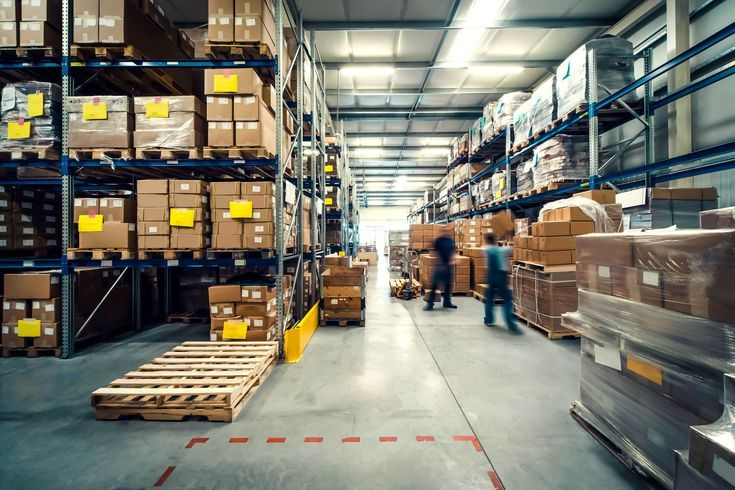
We provide free warehousing services for any of your goods.
The cargo insurance protects your goods all the way to any Any FBA Warehouse
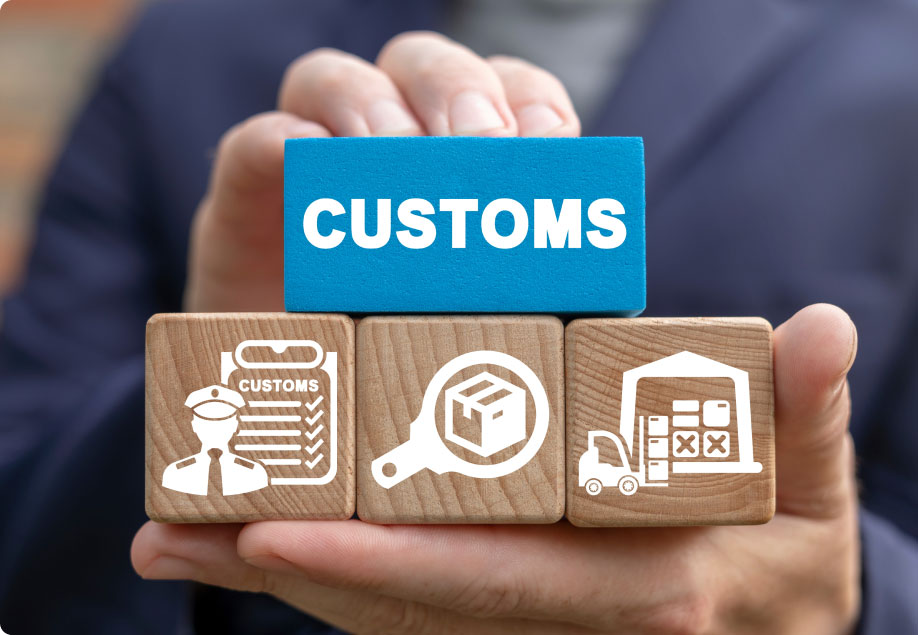
We handle all paperwork and other details for you.

Ensure safe packaging and loading of goods in your suppliers' factory.
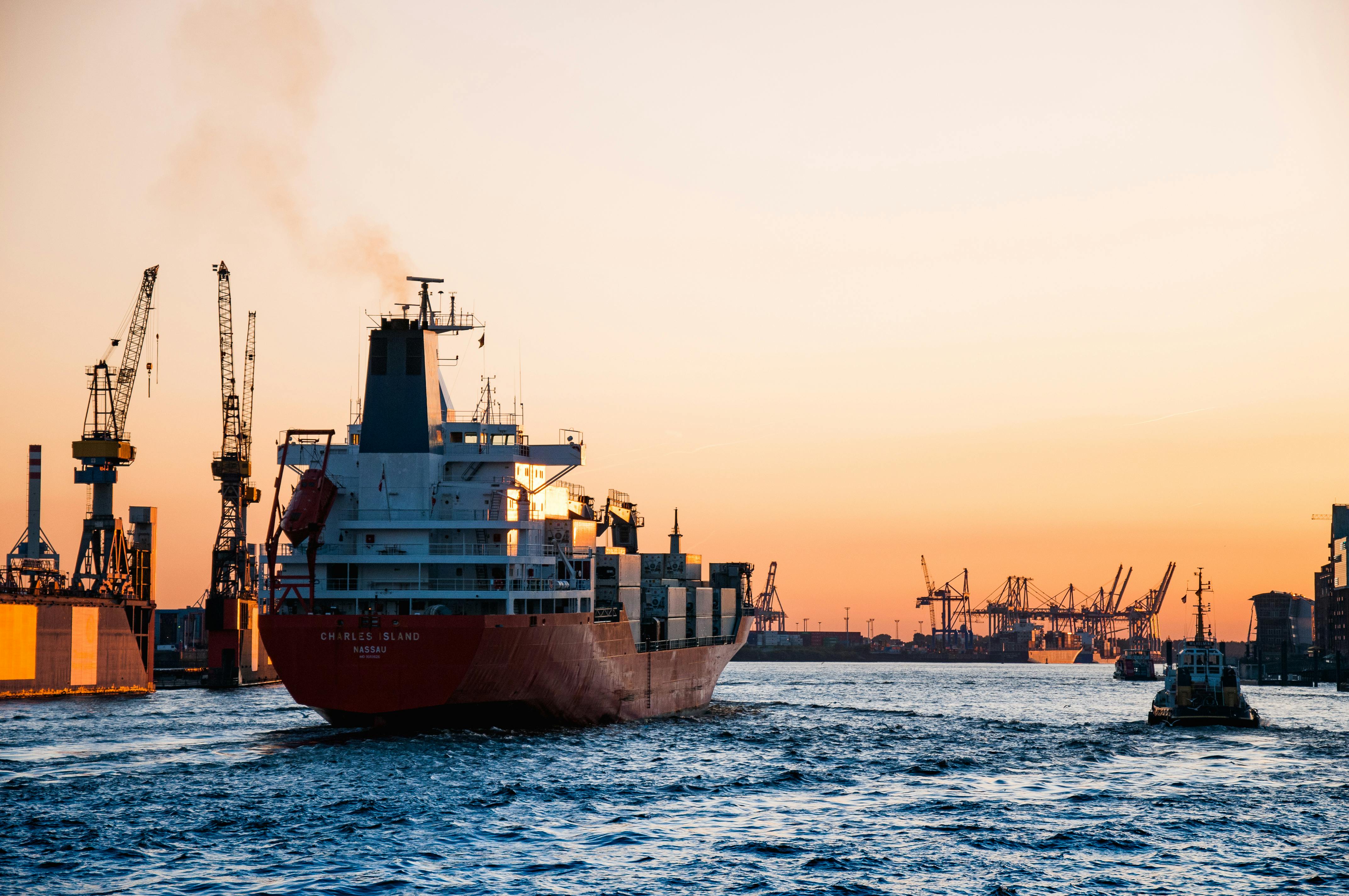
Sea freight generally takes 30 to 45 days due to long-distance travel, with potential delays caused by weather and port handling.
Air freight usually takes about 7 to 14 days, faster than sea freight but affected by flight schedules and possible transfers.
Express services such as DHL or FedEx typically deliver within 4 to 7 days, offering the fastest delivery but at a higher cost.
Sea freight is generally more cost-effective for large shipments, as air freight, while faster, is significantly more expensive.
Express companies usually offer tracking, insurance options, expedited customs clearance, and door-to-door delivery.
Yes, upgrading from sea freight to air freight or express shipping can significantly reduce delivery time, though it will increase costs.
Weather can cause delays in both sea and air transport by affecting transit times and potentially causing port or flight disruptions.
Yes, customs regulations must be adhered to, including proper documentation and potential tariffs or duties based on the type of goods being shipped.
Shipping costs are influenced by factors such as the weight and volume of the goods, the chosen shipping method, and any additional services like insurance or expedited delivery.
Tracking is usually available for air freight and express services, but not always for sea freight, depending on the shipping company and service level.
Operations deal with how vehicles are operated, including the procedures and policies established for this purpose. In the transport industry, both operations and infrastructure ownership can be either public or private.
Operations deal with how vehicles are operated, including the procedures and policies established for this purpose. In the transport industry, operations and infrastructure ownership can be either publicly or privately managed.
Operations refer to how vehicles are used, including the procedures and policies established for their operation. In the transport industry, both operations and infrastructure ownership can be managed by either the public or private sector.