Global Supply Freight provides reliable and fully integrated logistics solutions for shipping from China to Denmark, covering sea freight, air freight, and professionally managed door-to-door logistics services. With strong experience across China–Europe trade lanes and Northern Europe distribution, we help importers meet strict EU compliance, control landed costs, and maintain predictable transit schedules.
From export documentation and cargo handling in China to international transportation, EU customs coordination, and inland delivery throughout Denmark and neighboring Nordic markets, our experienced logistics team manages every stage with precision. Whether shipping machinery, electronics, consumer goods, renewable-energy components, or retail inventory, Global Supply Freight delivers compliant and sustainability-aligned logistics solutions tailored to Denmark-bound supply chains.
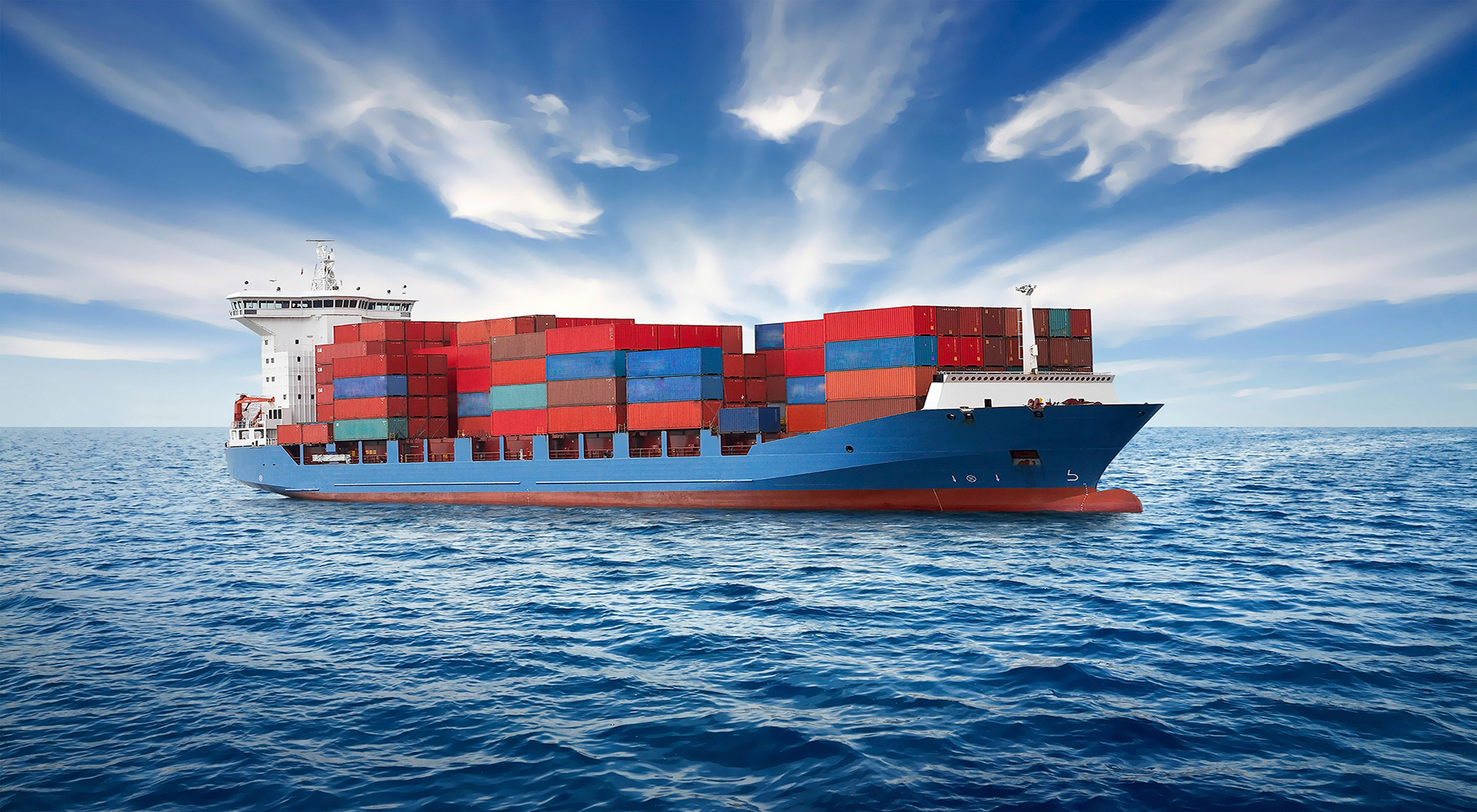
Global Supply Freight provides reliable sea freight services from China to Denmark via major Asia–North Europe shipping routes. This solution is ideal for containerized cargo, machinery, and non-urgent commercial shipments. Sea freight offers cost efficiency and schedule stability for Nordic imports. We manage carrier selection, space booking, documentation, port handling, and inland rail or trucking delivery via ports such as Aarhus and Copenhagen.
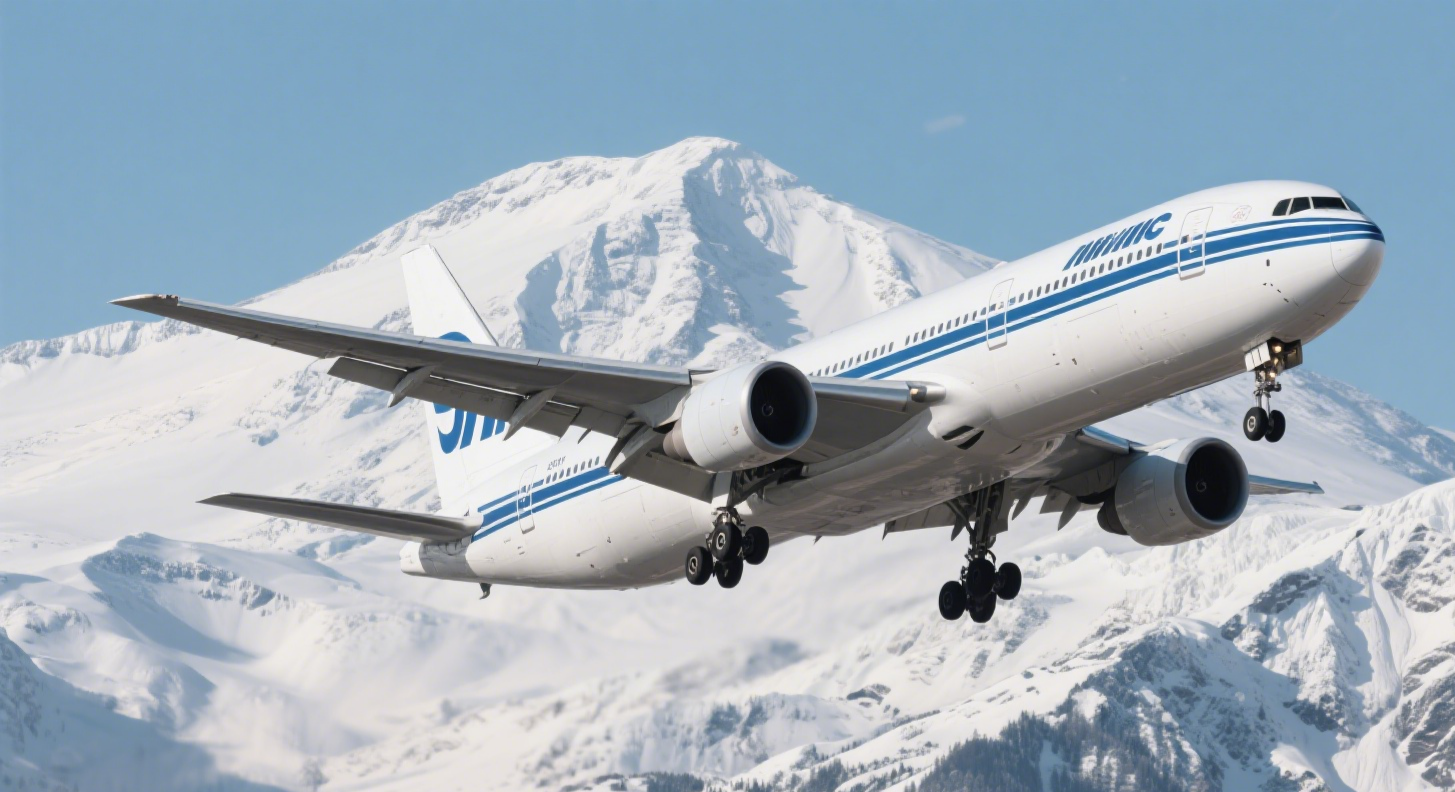
Global Supply Freight offers secure air freight services from China to Denmark for time-sensitive shipments. This option is suitable for electronics, pharmaceuticals, samples, spare parts, and high-value goods. Air freight supports rapid replenishment for retail and manufacturing supply chains. We arrange airline space, routing, EU customs coordination, and airport handling through Copenhagen Airport.

Global Supply Freight provides structured rail freight services from China to Denmark via established China–Europe rail corridors and Northern Europe rail networks. This solution balances transit speed and cost for Nordic-bound cargo requiring predictable schedules. Rail freight is suitable for industrial goods, retail inventory, and EU-bound cargo needing faster delivery than sea freight. We coordinate rail bookings, border procedures, EU customs clearance, and inland delivery from rail terminals to Danish destinations.

Full Container Load (FCL) shipping is the preferred solution for large-volume, recurring, or compliance-sensitive cargo moving from China to Denmark. With a dedicated container assigned to one consignee, Global Supply Freight ensures better cargo security, fewer handling points, and smoother EU customs processing.
FCL services support 20GP, 40GP, and 40HQ containers and are widely used for industrial equipment, furniture, renewable-energy components, consumer goods, and wholesale inventory destined for Denmark.
Less than Container Load (LCL) shipping is suitable for smaller or irregular shipments that do not justify a full container. Global Supply Freight consolidates compatible cargo at origin, making LCL appropriate for trial orders, spare parts, and mixed commercial goods.
LCL shipments to Denmark require careful planning under EU regulations. Our China–Denmark LCL solutions focus on consolidation accuracy, ICS2 compliance, and smooth deconsolidation at destination.
Global Supply Freight will provide most fuel efficient pickup service China
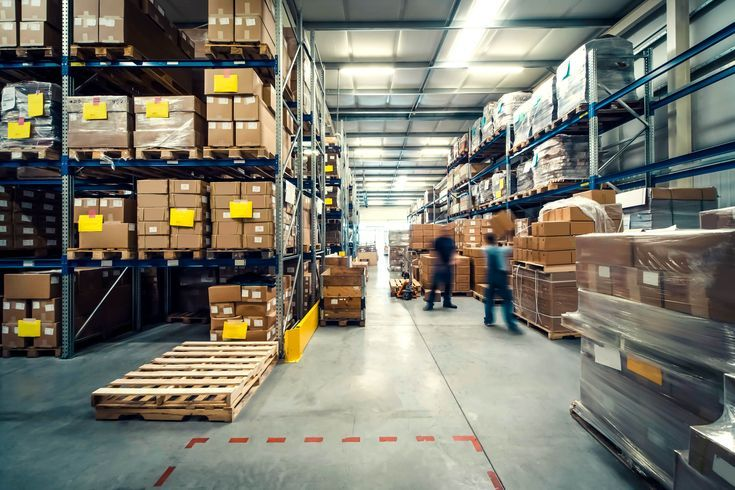
We provide free warehousing services for any of your goods.
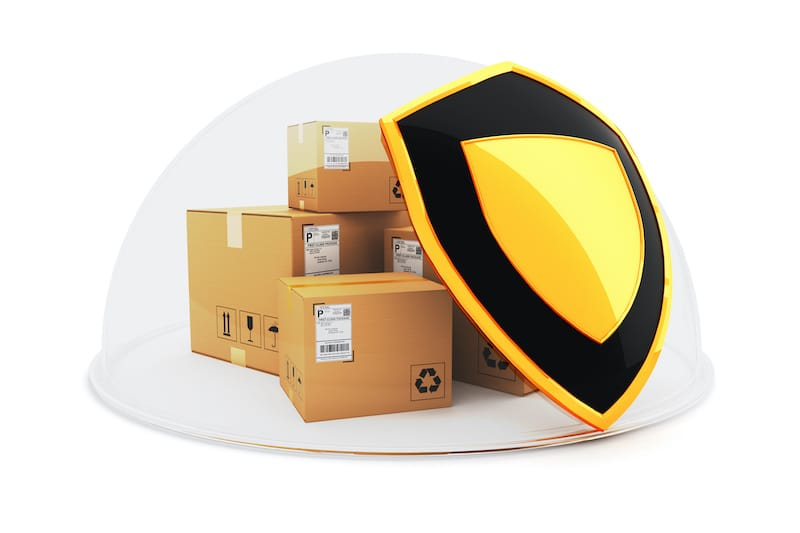
The cargo insurance protects your goods all the way to any Any FBA Warehouse
We handle all paperwork and other details for you.

Ensure safe packaging and loading of goods in your suppliers' factory.
Denmark offers fast port operations, high customs efficiency, and excellent connections to Scandinavia. Global Supply Freight helps importers use Denmark as a low-risk EU entry before distributing to Sweden, Norway, or Finland.
Denmark strictly enforces ICS2 pre-arrival data accuracy and timing. Global Supply Freight prepares and submits detailed cargo data early to prevent holds, inspections, or penalties at Danish ports and terminals.
Aarhus is Denmark’s largest container port with strong rail and road links. Global Supply Freight uses Aarhus to minimize inland transit time and reduce congestion risks compared with larger North Europe hubs.
Rail freight is preferred when importers need faster delivery than ocean shipping but want to avoid air freight costs. Global Supply Freight uses rail-to-North-Europe routes to support time-sensitive Nordic inventory flows.
Denmark prioritizes low-emission transport, green ports, and ESG compliance. Global Supply Freight aligns routing, carriers, and inland transport choices with sustainability requirements increasingly demanded by Danish buyers.
Products involving CE marking, electronics, machinery, or environmental compliance may face higher scrutiny. Global Supply Freight reviews technical documentation and declarations in advance to reduce inspection delays.
Denmark applies EU import VAT rules, which can significantly affect cash flow. Global Supply Freight supports VAT structuring, EORI coordination, and clearance planning to improve financial efficiency for importers.
Yes. Denmark’s logistics infrastructure supports fast warehousing and regional fulfillment. Global Supply Freight helps e-commerce and retail clients align shipping schedules with Nordic delivery expectations.
Global Supply Freight combines strong China-origin operations with deep Nordic and EU compliance expertise, delivering sustainability-aware planning, accurate data submission, and reliable execution for Denmark-bound shipments.
Operations deal with how vehicles are operated, including the procedures and policies established for this purpose. In the transport industry, both operations and infrastructure ownership can be either public or private.
Operations refer to how vehicles are used, including the procedures and policies established for their operation. In the transport industry, both operations and infrastructure ownership can be managed by either the public or private sector.
Operations deal with how vehicles are operated, including the procedures and policies established for this purpose. In the transport industry, operations and infrastructure ownership can be either publicly or privately managed.