Global Supply Freight provides professional, stable, and fully managed logistics solutions for shipping from China to South Korea, supporting importers, exporters, manufacturers, distributors, e-commerce sellers, and project cargo owners across Northeast Asia. With strong China-origin control and deep experience on short-haul Asia trade lanes, we help clients move cargo efficiently to Busan, Incheon, Seoul, and other destinations throughout South Korea.
From supplier pickup and export customs clearance in China to international transportation, terminal handling, customs clearance in South Korea, and final inland delivery, Global Supply Freight manages every stage of the shipping process. We ensure clear timelines, transparent pricing, and smooth coordination for consumer goods, electronics, machinery, automotive parts, chemicals, and consolidated cargo.
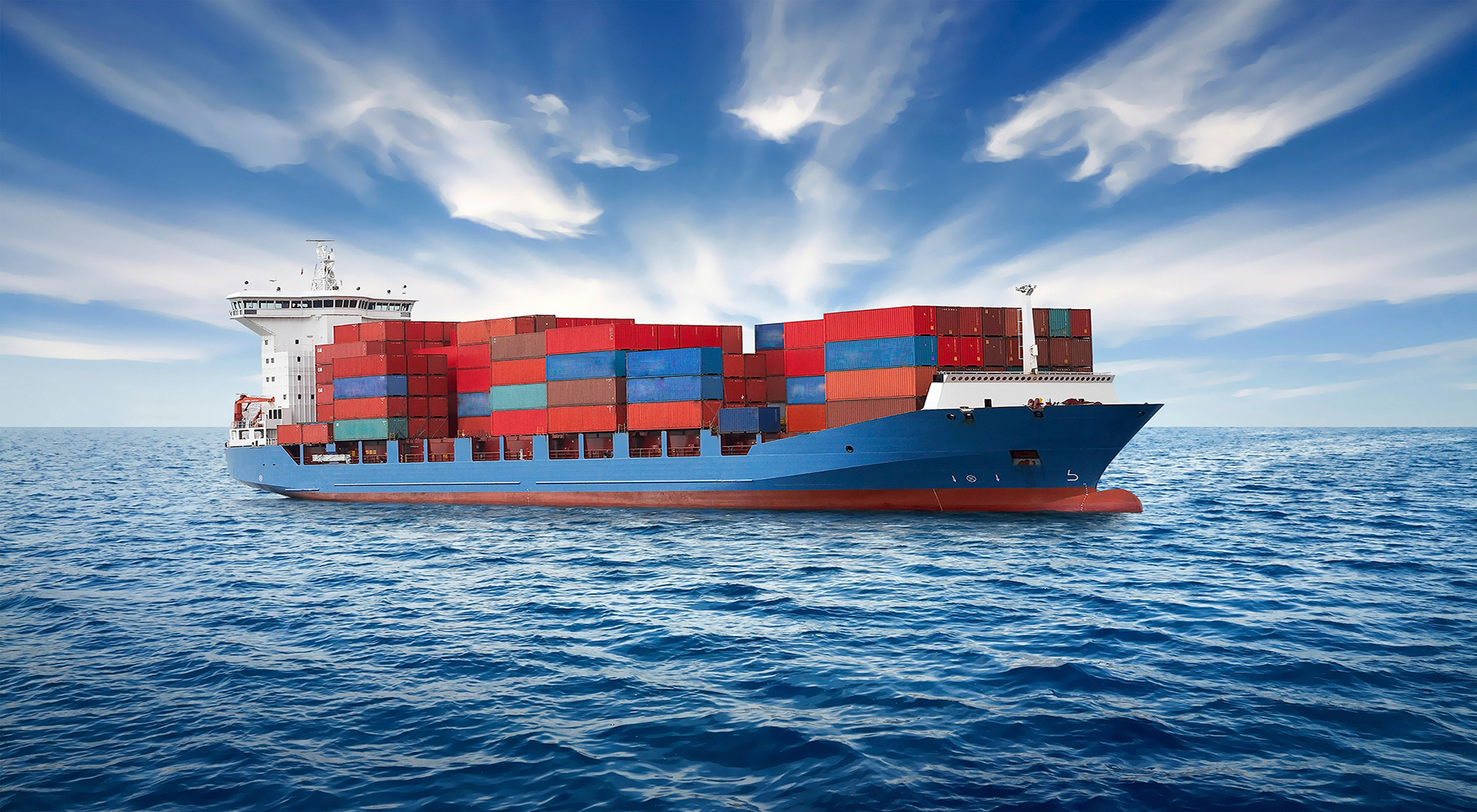
Global Supply Freight provides frequent and reliable sea freight services from major Chinese ports to South Korea, including Busan and Incheon. With short transit times and stable sailing schedules, we manage ocean bookings, port handling, documentation, and delivery coordination to support both commercial and industrial shipments.

For urgent and high-value cargo, Global Supply Freight offers fast and flexible air freight solutions from China to South Korea’s major international airports. Our team coordinates airline space, export paperwork, cargo handling, and customs support to ensure timely and secure delivery.
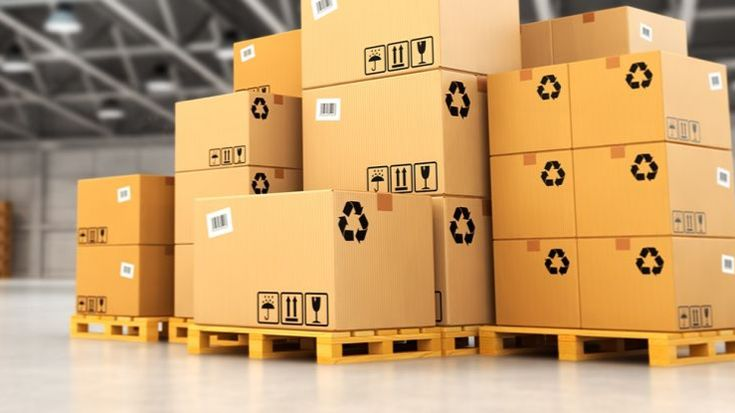
Global Supply Freight provides end-to-end door-to-door shipping services from China to South Korea. We handle supplier pickup, export clearance, international transport, import customs coordination, and final delivery, offering a simple and predictable logistics solution for Korean importers.

Global Supply Freight offers professional Full Container Load (FCL) shipping services from China to South Korea for customers with large-volume or high-frequency shipments. FCL shipping is widely used for machinery, industrial equipment, automotive components, raw materials, and large-scale commercial cargo.
We manage container booking, factory loading supervision, export customs clearance, short-sea ocean transport, port operations in South Korea, and inland delivery to the consignee. With frequent sailings and strong carrier relationships, Global Supply Freight helps reduce transit time, minimize handling risks, and maintain stable supply chains for FCL cargo.
For smaller shipments, Global Supply Freight provides efficient Less than Container Load (LCL) shipping services from China to South Korea. We consolidate cargo from multiple suppliers at origin warehouses, handle labeling, documentation, and export compliance, and arrange cost-effective ocean transport.
Our LCL solutions are optimized for regular China–Korea trade flows, ensuring fast consolidation, smooth deconsolidation, and reliable customs clearance upon arrival. Global Supply Freight oversees final delivery to warehouses, factories, or distribution centers across South Korea, helping clients control costs while maintaining shipment visibility.
Global Supply Freight will provide most fuel efficient pickup service China
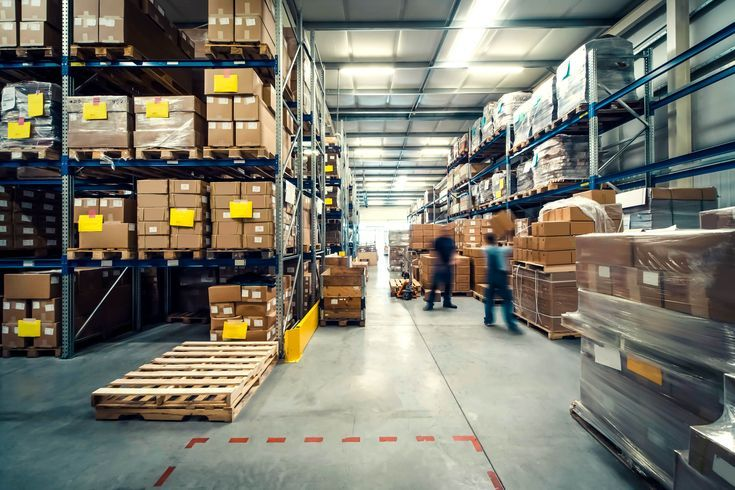
We provide free warehousing services for any of your goods.
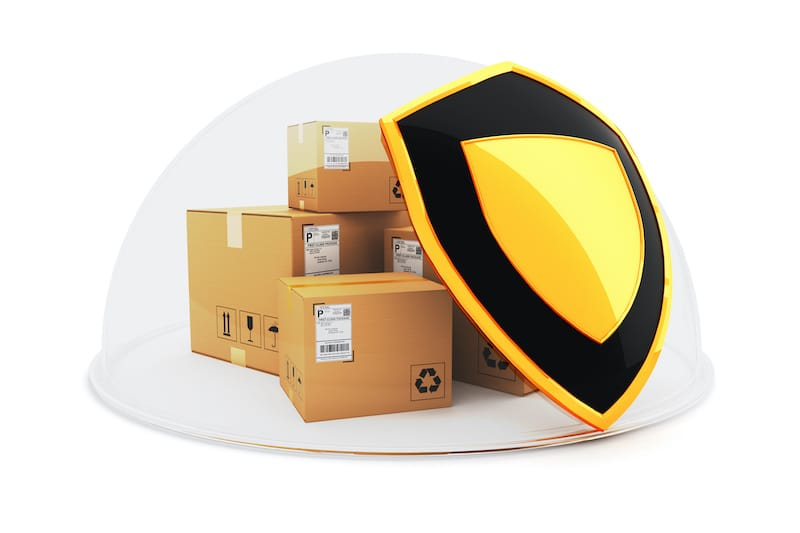
The cargo insurance protects your goods all the way to any Any FBA Warehouse
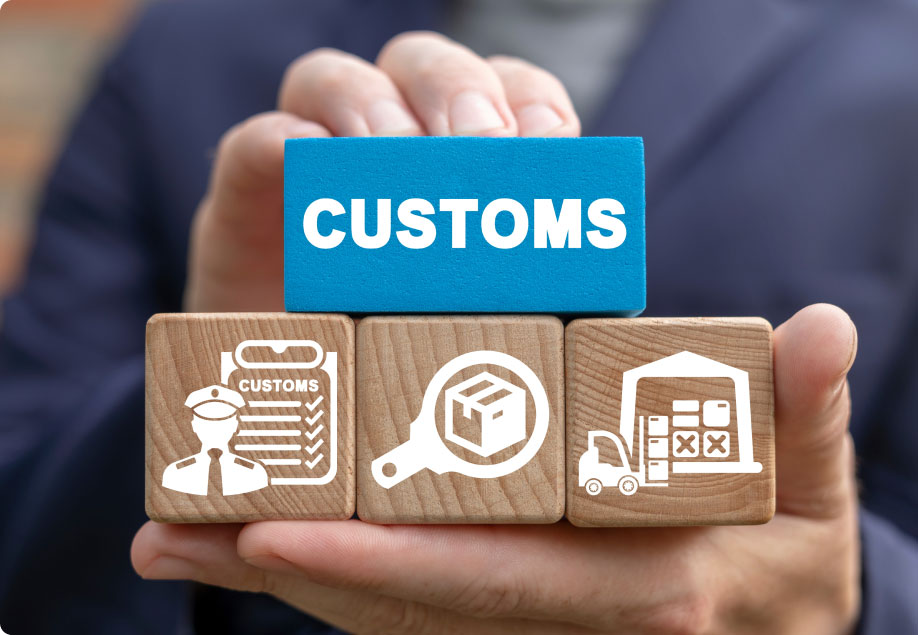
We handle all paperwork and other details for you.

Ensure safe packaging and loading of goods in your suppliers' factory.
Several factors affect shipping time, including the chosen transport mode (air, sea, or land), the distance between departure and arrival points, and customs processing times. Air freight is the fastest option, typically taking 1 to 3 days, while sea freight is slower, usually taking between 7 to 14 days. Customs clearance and potential delays can also impact the overall shipping time.
You can track your shipment using tracking numbers provided by your freight forwarder or carrier. Most companies offer online tracking systems where you can enter your tracking number to view real-time updates on your shipment’s status and location. Some providers also offer mobile apps for easier access to tracking information.
If your shipment is delayed, first check the tracking information for updates. Contact your freight forwarder or carrier for details on the delay and potential solutions. Review all shipping and customs documents to ensure there are no issues. For urgent situations, consider expedited services or alternative transport options.
Air freight offers several advantages, including faster delivery times, generally shorter transit durations, and more frequent flight schedules. It’s ideal for time-sensitive shipments or high-value goods that need prompt delivery. Additionally, air freight can provide better visibility and tracking capabilities compared to sea freight.
Customs regulations can impact shipping times and costs. Ensure your shipment complies with both Chinese export regulations and South Korean import requirements. Proper documentation, such as invoices and certificates of origin, must be provided. Non-compliance with regulations can lead to delays, fines, or even confiscation of goods.
Cost-effective options include using sea freight for large or bulky shipments and consolidating cargo to reduce shipping costs. For less urgent deliveries, consider standard shipping services rather than express options. Compare rates from different freight forwarders and shipping methods to find the most economical solution.
Use strong, durable packaging materials to protect goods during transit. Ensure items are well-padded, especially if they are fragile. For large or heavy items, use appropriate containers and secure all packages to prevent damage. Label packages clearly with handling instructions to reduce the risk of mishandling.
Research freight forwarders by checking their reputation, customer reviews, and service offerings. Verify their experience with shipments to South Korea and their track record for reliability and safety. Ask for references or case studies and ensure they provide comprehensive services, including customs clearance and tracking.
Consider factors such as the urgency of delivery, cost, and the nature of your cargo. Air freight is best for speed but is more expensive, while sea freight is more economical but slower. Evaluate your budget, timeline, and the sensitivity of the goods to determine the most appropriate method.
Shipping costs are typically based on the weight and size of the shipment. Heavier and larger shipments generally incur higher costs. Freight forwarders often calculate charges using dimensional weight (volume-based weight) or actual weight, whichever is greater. Properly measuring and weighing your cargo can help avoid unexpected expenses.
Operations deal with the way vehicles are operated, as well as the procedures and policies established for this purpose. In the transport industry, both operations and infrastructure ownership can be either public or private.
Operations deal with how vehicles are operated, including the procedures and policies established for this purpose. In the transport industry, both operations and infrastructure ownership can be either public or private.
Operations refer to how vehicles are used, including the procedures and policies established for their operation. In the transport industry, both operations and infrastructure ownership can be managed by either the public or private sector.