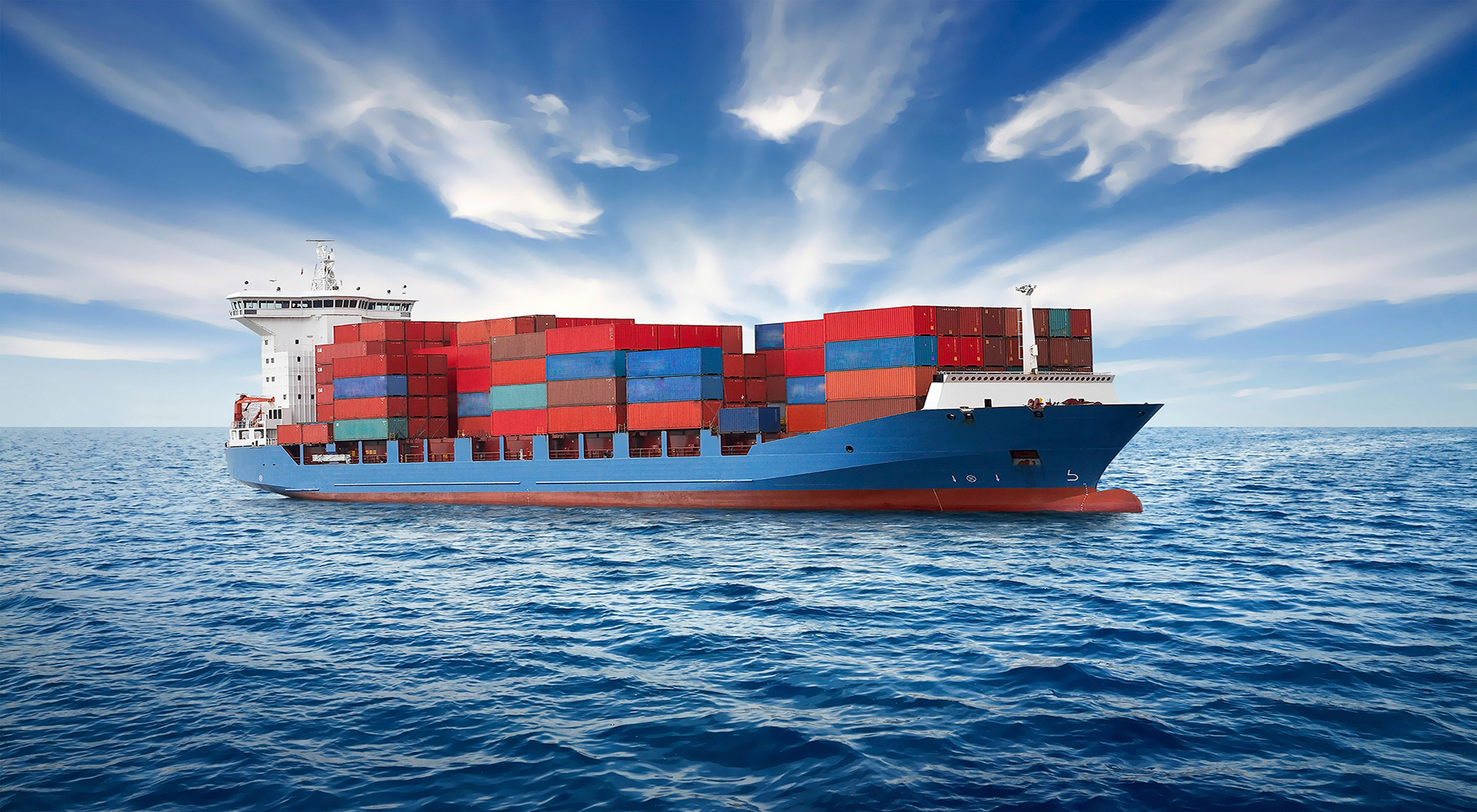
Global Supply Freight provides professional and reliable logistics solutions for shipping from China to Yemen, covering sea freight, air freight, and integrated door-to-door transport services. With experience in Middle East and Red Sea trade lanes, we help shippers manage complex routing, documentation compliance, and delivery coordination efficiently and securely.
From cargo pickup and export clearance in China to international transportation, regional customs coordination, and final inland delivery in Yemen, our logistics team controls each stage carefully. Whether shipping industrial supplies, humanitarian goods, consumer products, or commercial cargo, Global Supply Freight delivers stable, compliant, and cost-effective shipping solutions tailored to Yemen-bound shipments.
Our sea freight service from China to Yemen operates through major Chinese ports with transshipment via key Middle East hubs before final discharge at Yemeni ports. This solution is suitable for bulk cargo, project shipments, and cost-sensitive freight, offering controlled transit schedules, secure container handling, and full shipment visibility throughout the ocean freight process.

Global Supply Freight’s air freight service from China to Yemen is designed for urgent, high-value, or time-critical cargo. Shipments move via approved regional aviation hubs, ensuring fast transit, priority handling, and strict cargo security. Our team manages air booking, export documentation, cargo screening, and final delivery coordination to ensure smooth execution.
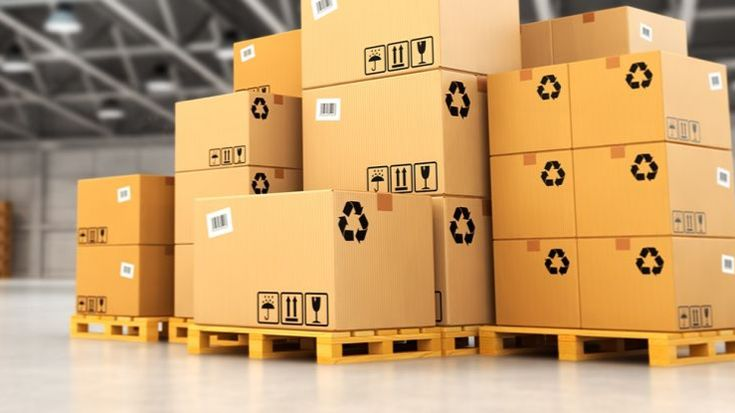
Our door-to-door service from China to Yemen provides a fully integrated logistics solution, including cargo pickup, export customs clearance, international transportation, destination customs coordination, and final delivery. This service minimizes operational risk, reduces communication complexity, and ensures predictable delivery timelines for commercial and relief shipments.

Global Supply Freight’s FCL (Full Container Load) shipping service from China to Yemen is ideal for shippers with large cargo volumes requiring exclusive container use. FCL shipping improves cargo security, reduces handling frequency, and enhances schedule reliability. We manage container allocation, carrier booking, export documentation, port operations, customs coordination, and inland transport to ensure smooth end-to-end execution.
Our LCL (Less than Container Load) shipping service from China to Yemen is suitable for smaller shipments that do not fill an entire container. Through efficient cargo consolidation and optimized Middle East routing, Global Supply Freight helps control freight costs while maintaining reliable transit performance. We handle warehouse consolidation, export clearance, destination deconsolidation, customs procedures, and final delivery to ensure cargo safety and consistency.
Global Supply Freight will provide most fuel efficient pickup service China
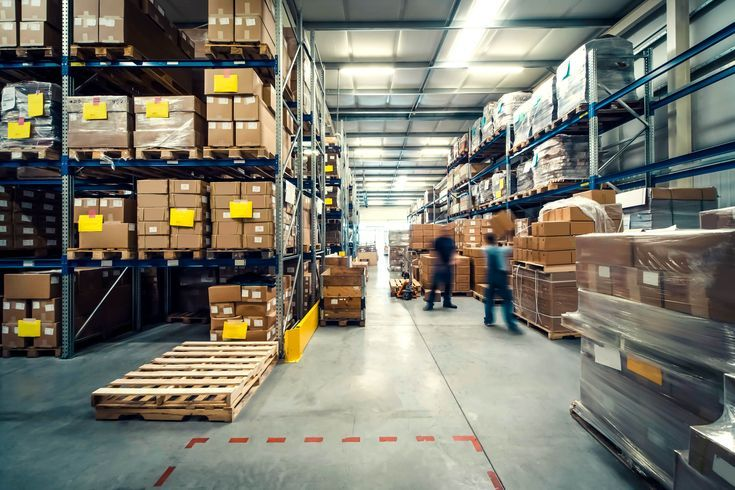
We provide free warehousing services for any of your goods.
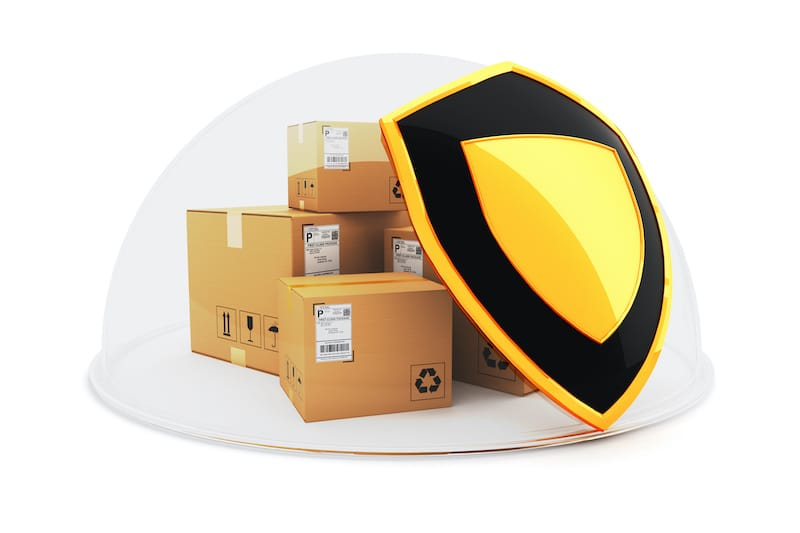
The cargo insurance protects your goods all the way to any Any FBA Warehouse
We handle all paperwork and other details for you.

Ensure safe packaging and loading of goods in your suppliers' factory.

The shipping time from China to Yemen can be influenced by the mode of transport (air vs. sea), the route taken, and potential delays at customs. Air freight is faster but more expensive, usually taking about 7-10 days, while sea freight is more economical but slower, ranging from 4-6 weeks. Port congestion and documentation issues can also affect delivery times.
To minimize shipping costs, consider using sea freight over air freight, especially for larger shipments. Consolidating multiple orders into one shipment can also help reduce costs. Additionally, working with a reliable freight forwarder to negotiate rates and optimize routes can lead to significant savings.
Essential documents for shipping from China to Yemen include a commercial invoice, packing list, bill of lading (for sea freight) or air waybill (for air freight), certificate of origin, and any required customs documentation. Accurate and complete documentation is crucial for smooth customs clearance and timely delivery.
Yes, shipments from China to Yemen may be subject to customs duties and taxes based on the nature and value of the goods. It is essential to check with Yemeni customs regulations to understand applicable rates and ensure all required fees are paid to avoid delays or penalties.
Most freight forwarders and carriers offer tracking services that allow you to monitor your shipment's status in real-time. You will receive a tracking number upon shipment, which you can use on the carrier’s website or app to get updates on the shipment’s progress.
Use sturdy and secure packaging materials to protect goods during transit. Ensure fragile items are well-padded and heavy or oversized cargo is packed in strong containers. Proper labeling and clear instructions on handling can also help prevent damage and facilitate smoother customs processing.
If your shipment is delayed, first check with your freight forwarder or carrier for updates. They can provide information on the cause of the delay and estimated delivery time. Additionally, verify that all customs documentation is complete and that there are no issues causing the delay.
Yes, hazardous materials can be shipped from China to Yemen, but they must comply with international regulations and safety standards. Ensure that you have the necessary permits and that the goods are properly labeled and packaged according to regulations to prevent handling issues and delays.
A freight forwarder offers expertise in handling logistics, including customs clearance and route optimization. They can negotiate better rates, manage documentation, and provide tracking services. Their experience helps ensure a smoother and more efficient shipping process.
To comply with Yemeni import regulations, familiarize yourself with local customs rules and import restrictions. Ensure that all necessary documents are accurately prepared and submitted. Consulting with a local customs broker or freight forwarder can help navigate regulatory requirements and avoid compliance issues.
Operations deal with the way vehicles are operated, as well as the procedures and policies established for this purpose. In the transport industry, both operations and infrastructure ownership can be either public or private.
Operations refer to how vehicles are used, including the procedures and policies established for their operation. In the transport industry, both operations and infrastructure ownership can be managed by either the public or private sector.
Operations deal with how vehicles are operated, including the procedures and policies established for this purpose. In the transport industry, both operations and infrastructure ownership can be either public or private.