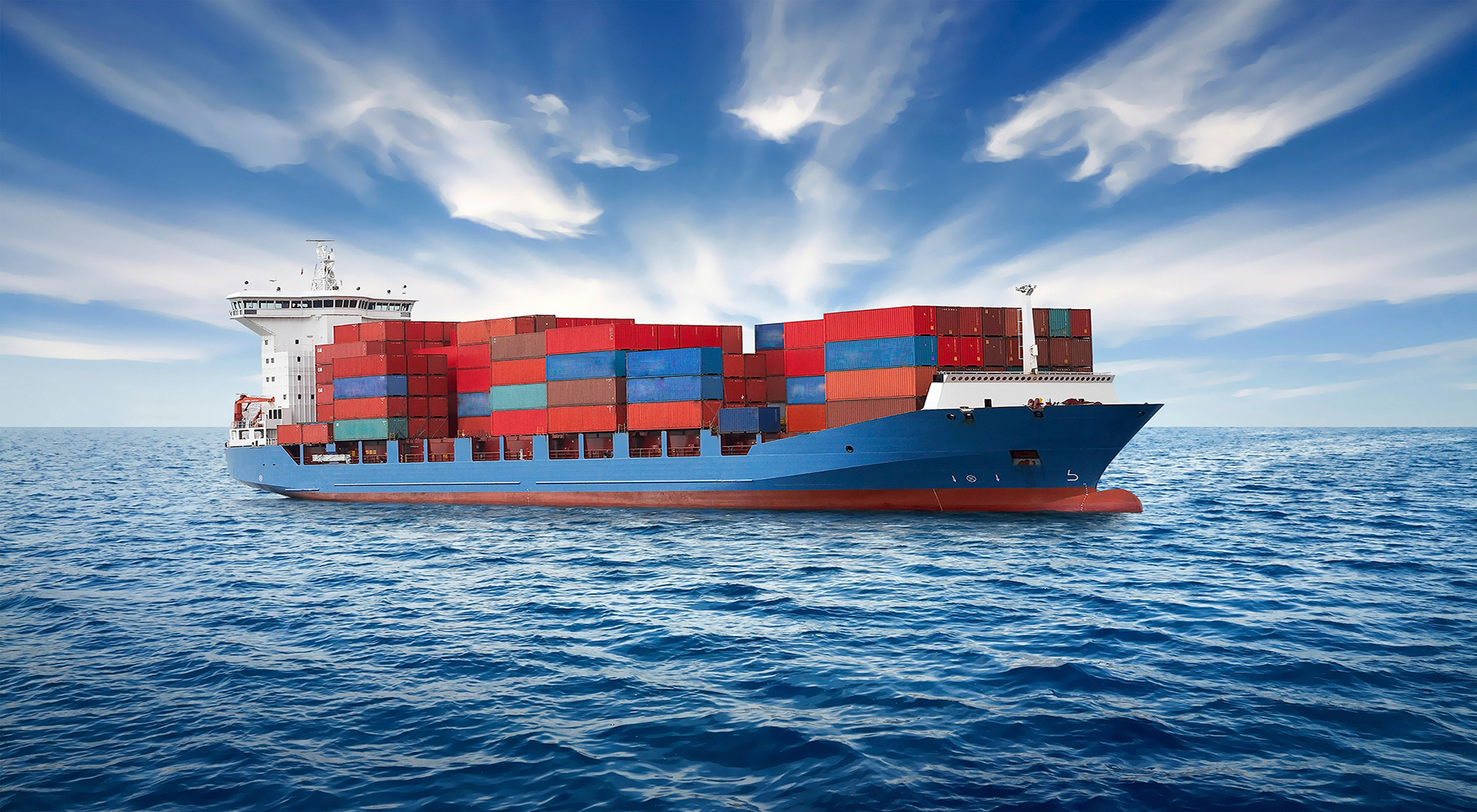
Global Supply Freight provides reliable and fully integrated logistics solutions for shipping from China to Croatia, covering sea freight, air freight, and professionally managed door-to-door logistics services. With extensive experience across China–Europe trade lanes and Adriatic Sea gateways, we help importers achieve optimized freight costs, stable transit schedules, and full shipment visibility.
From export documentation and cargo handling in China to international transportation, EU customs coordination, and inland delivery throughout Croatia, our experienced logistics team manages every stage with precision. Whether shipping machinery, electronics, automotive parts, furniture, consumer goods, or e-commerce cargo, Global Supply Freight delivers secure, compliant, and scalable logistics solutions tailored to Croatia-bound supply chains.
Global Supply Freight provides reliable sea freight services from China to Croatia via major Asia–Europe shipping routes. This solution is ideal for bulk cargo, machinery, automotive parts, and non-urgent commercial shipments. Sea freight offers cost efficiency and stable capacity for long-haul European supply planning. We manage carrier selection, space booking, documentation, port handling, and destination coordination through Rijeka Port.

Global Supply Freight offers fast and secure air freight services from China to Croatia for time-sensitive shipments. This option is suitable for electronics, medical equipment, samples, spare parts, and high-value goods. Air freight helps reduce inventory pressure and accelerate market entry. We arrange airline space, routing, EU customs coordination, and airport handling to ensure controlled delivery to Zagreb.
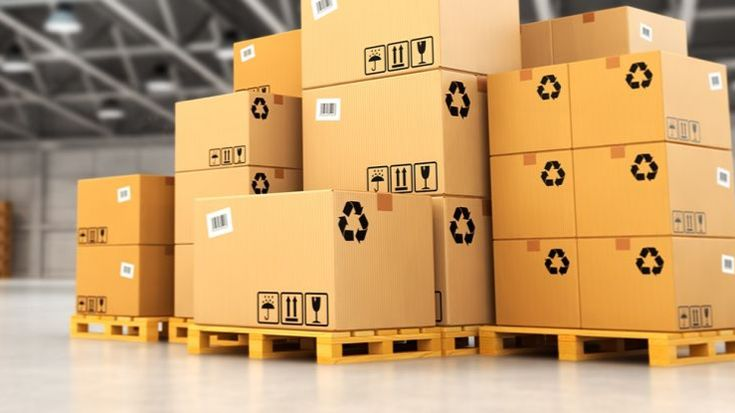
Global Supply Freight delivers integrated door-to-door logistics solutions from China to Croatia under one unified transport plan. This service is designed for importers seeking simplified coordination and predictable landed costs. Door-to-door logistics reduces complexity across international shipping and EU inland distribution. We handle pickup, export clearance, international transport, EU customs support, and final inland delivery across Croatia.

Full Container Load (FCL) shipping is the most efficient solution for large-volume, heavy, or high-value cargo moving from China to Croatia. With a dedicated container exclusively assigned to your shipment, Global Supply Freight ensures enhanced cargo security, fewer handling points, and improved schedule control across long Asia–Europe ocean transits.
FCL services support 20GP, 40GP, and 40HQ containers and are widely used for industrial machinery, construction materials, automotive components, furniture, vehicles, and bulk commercial goods shipped to Croatia.
Less than Container Load (LCL) shipping is a cost-effective option for smaller or irregular shipments that do not require a full container. Global Supply Freight consolidates compatible cargo at origin to reduce freight costs while maintaining professional handling and EU-compliant documentation standards.
LCL services are commonly used for consumer goods, electronics, spare parts, mixed cargo, and trial shipments. Our China–Croatia LCL solutions balance cost savings with reliable European delivery schedules.
Global Supply Freight will provide most fuel efficient pickup service China
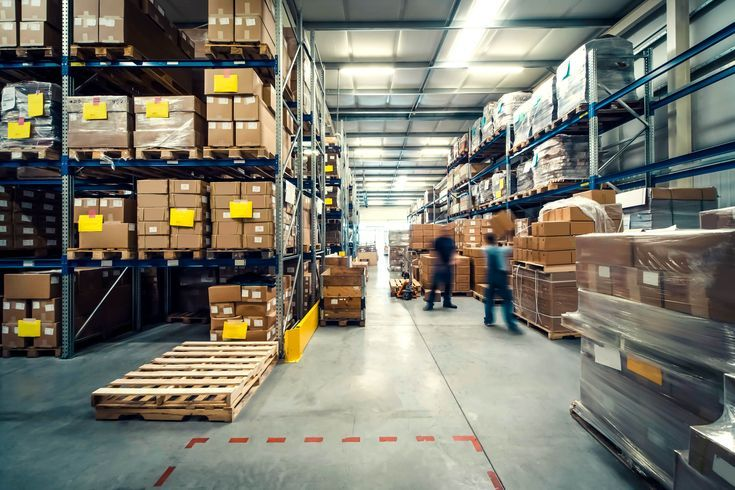
We provide free warehousing services for any of your goods.
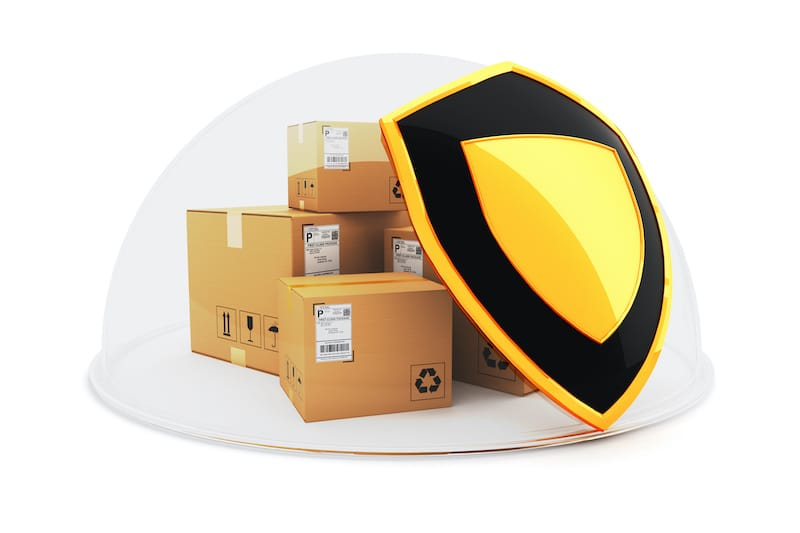
The cargo insurance protects your goods all the way to any Any FBA Warehouse
We handle all paperwork and other details for you.

Ensure safe packaging and loading of goods in your suppliers' factory.
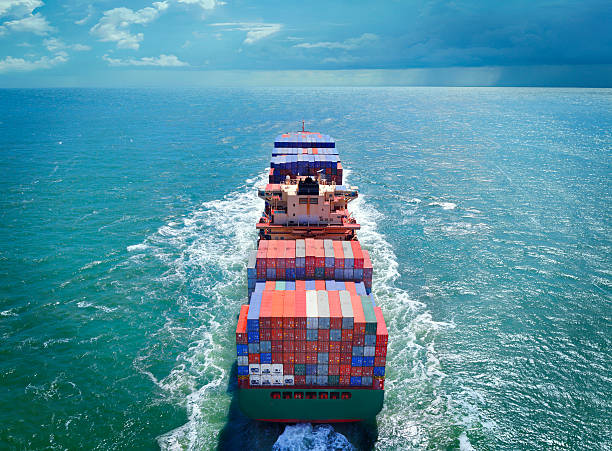
Rijeka Port is the primary maritime gateway for Croatia and the Adriatic region. Global Supply Freight routes most sea freight through Rijeka due to its container facilities, EU customs infrastructure, and strong inland connections to Central Europe.
Sea freight typically takes several weeks depending on the sailing schedule and European port congestion, while air freight is much faster for urgent shipments. Global Supply Freight provides realistic timelines based on live carrier schedules and customs conditions.
Yes. Croatia follows EU customs regulations. Global Supply Freight ensures all documentation, HS classification, and compliance requirements meet EU import standards to avoid delays or penalties.
Full Container Load (FCL) is recommended for heavy or high-value cargo due to better security and cost efficiency per unit. Less than Container Load (LCL) is suitable for smaller shipments but may involve longer consolidation times.
Yes.Global Supply Freight provides professional EU customs coordination by preparing compliant documentation, working with licensed brokers, and managing clearance procedures to ensure smooth import processing in Croatia.
Typical documents include a commercial invoice, packing list, bill of lading or airway bill, certificate of origin, and EU import declarations. Certain products may require CE marking or additional regulatory approvals.
Yes. Global Supply Freight offers complete door-to-door logistics, covering pickup in China, international transport, EU customs clearance, and final inland delivery throughout Croatia.
Key cost drivers include transport mode, cargo volume, container type, fuel surcharges, port handling fees, and inland EU transport distance. Global Supply Freight controls costs through route optimization and transparent pricing.
Yes. We manage project cargo and oversized equipment by planning routes, arranging special handling, securing permits, and coordinating port and inland operations across Croatia and neighboring EU countries.
Global Supply Freight combines strong China-origin operations with deep Europe logistics expertise, providing proactive planning, professional coordination, and reliable execution for Croatia-bound shipments.
Operations deal with how vehicles are operated, including the procedures and policies established for this purpose. In the transport industry, both operations and infrastructure ownership can be either public or private.
Operations deal with the way vehicles are operated, as well as the procedures and policies established for this purpose. In the transport industry, both operations and infrastructure ownership can be either public or private.
Operations refer to how vehicles are used, including the procedures and policies established for their operation. In the transport industry, both operations and infrastructure ownership can be managed by either the public or private sector.