
A Guide to China DDP Cargo Protection and Landed Cost Certainty
Key Procurement Takeaways
- DDP shipments require a declared commercial value accuracy of 99% to avoid customs audits on this lane.
- LCL consolidated cargo under 15 CBM is the most common DDP volume tier for standard replenishment.
- Duty-paid clearance requires an IOR agreement; ensure your forwarder manages this before cargo leaves the China port.
- Average transit windows for DDP ocean freight to major Western hubs remain 30-45 days inclusive of customs dwell.
- Volumetric air freight for high-value goods is calculated at a 1:167 ratio (CBM to kg).
What Should Buyers Know First About DDP Shipping on This Lane?
Buyers must understand that DDP (Delivered Duty Paid) shifts the entirety of customs and tax liability onto the seller or their appointed agent. This term is often misunderstood as ‘hassle-free,’ but it actually requires rigorous coordination between the origin supplier and the destination customs broker.

When utilizing door-to-door services, the primary risk is the misclassification of goods which can trigger unexpected duty surcharges. Transparency at the point of booking is the only way to ensure the landed cost matches your initial quote.
Without a clear IOR strategy, your cargo may sit in a bonded warehouse, racking up daily storage fees while customs officials dispute the declared value.
Who Bears Duty, Tax, and IOR Liabilities Under DDP Terms?
Under DDP, the seller or their designated logistics partner bears the full burden of acting as the Importer of Record (IOR) and settling all government levies. This means the consignee is effectively removed from the customs clearance process, provided the forwarder has secured the proper power of attorney.
Many importers mistakenly believe they are exempt from liability, but if the seller fails to pay duties, the cargo may be seized or abandoned by customs authorities.
For specialized customs brokerage needs, it is imperative that the forwarder has a physical presence in both the origin and destination countries to manage the tax reconciliation process.
DDP vs DAP vs FOB: Which Trade Term Cuts Your True Landed Cost?
DDP offers the highest level of cost predictability, whereas DAP and FOB leave the importer exposed to volatile destination-side fees and customs clearance complexities. While DDP may appear more expensive upfront due to the inclusion of duties, it prevents the ‘sticker shock’ of unplanned port charges and administrative delays.
Choosing the right term depends on your internal capacity to manage customs compliance versus your preference for a hands-off delivery experience.
For those shipping sea freight in bulk, DDP is often the preferred choice to ensure that the total landed cost is locked in at the time of purchase.
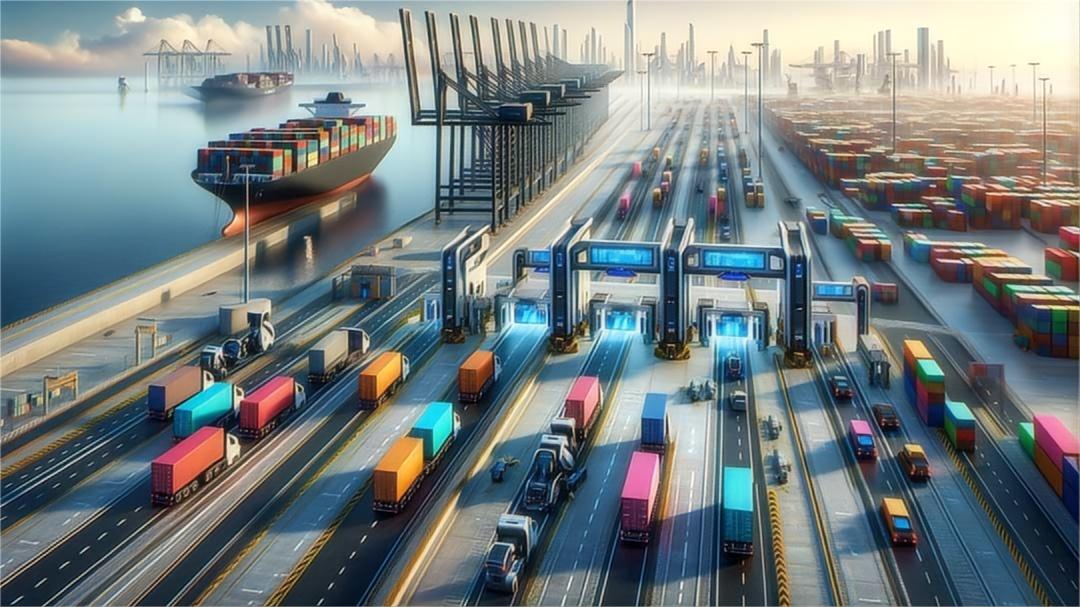
Illustrative Shipment Snapshots
Key metrics only — labeled illustrative scenarios for this corridor.
Electronics Retailer: LCL Consolidated DDP
A consumer electronics firm shipping 10 CBM of peripherals from Shenzhen to Los Angeles. Initially, the client faced a 5-day delay due to a missing HS code on the commercial invoice.
Apparel Brand: High-Volume Air DDP
A fashion brand requiring urgent replenishment of 500kg of apparel from Guangzhou to London. The shipment was cleared under our IOR license, with all duties and VAT pre-paid.
What Transit Timelines and Dwell Windows Apply to DDP Cargo?
Standard DDP ocean shipments typically involve a 30 to 45-day transit window, while air-based DDP solutions can deliver in as little as 5 to 10 days. The dwell time at destination ports is the most significant variable, often influenced by customs examination frequency and the speed of duty payment processing.
When planning your supply chain, it is essential to account for a ‘buffer’ period during peak seasons when port congestion can extend dwell times by 7 to 10 days.
For urgent requirements, air freight remains the most reliable mode for maintaining the integrity of the DDP delivery schedule.
| Service Mode | Mainhaul Transit | Customs & Dwell | Total Lead Time |
|---|---|---|---|
| Standard Ocean | 25-35 Days | 5-10 Days | 30-45 Days |
| Express Air | 3-5 Days | 2-3 Days | 5-8 Days |
| Rail Freight | 18-22 Days | 4-6 Days | 22-28 Days |
How Are All-Inclusive DDP Rates and Duty Surcharges Built?
All-inclusive DDP rates are constructed by aggregating ocean/air freight, origin handling, destination port fees, and estimated duty/tax liabilities into a single per-unit or per-CBM cost. The accuracy of these rates depends entirely on the detailed commercial invoice provided by the supplier.
Surcharges often arise from misdeclared weights or incorrect HS codes, which can trigger a re-valuation by customs agents upon arrival.
To ensure transparency, always request a breakdown that separates the base freight cost from the duty/tax component.
What Documents and Filings Are Mandatory Under DDP?
Mandatory documents for DDP include a precise Commercial Invoice, a detailed Packing List, and the transport document (Bill of Lading or Air Waybill). These must be perfectly aligned to avoid customs rejections during the entry filing process.
The Commercial Invoice must explicitly state the country of origin and the correct HS codes for every item in the shipment.
Without these filings in order, the forwarder cannot act as the IOR, and the shipment will remain in customs limbo at the destination.
What Is the Step-by-Step DDP Workflow from Supplier to Door?
The DDP workflow begins with the consolidation of goods at the origin, followed by the submission of export declarations that match the commercial invoice values. Once the freight is in transit, the forwarder prepares the destination import entry, ensuring that all duties are prepaid to the local customs authority.
Upon arrival, the cargo undergoes customs clearance and, if required, a physical inspection. Once cleared, the freight is released to the last-mile carrier for final delivery to the consignee’s door.
This end-to-end management removes the burden of administrative tasks from the importer, though it requires high levels of trust in the forwarder’s ability to handle tax settlements.
How Do You Avoid Hidden Surcharges and Misclassification on DDP?
The most effective way to avoid hidden surcharges is to provide the forwarder with an HS code classification report before the goods leave the factory. Many importers face unexpected bills because their items were classified under a higher-duty bracket than necessary.
Additionally, verify the destination zip code and delivery requirements—such as lift-gate or residential access—prior to booking, as these ‘last-mile’ surcharges are often excluded from standard freight quotes.
Always keep a clear line of communication with your forwarder to ensure that every cost component is itemized in the final invoice.
Decision Framework
Under 2 CBM often fits DDP air/express; 2–15 CBM favors DDP LCL with seller-side clearance; 15+ CBM may warrant DDP FCL when duty-paid door delivery is required.
Urgent door delivery under 7 days may require DDP air; standard replenishment runs on 25–40 day DDP ocean with tax/duty prepaid before last-mile.
High-duty HS chapters and regulated goods need IOR-ready commercial invoices; standard carton cargo still requires accurate declared value for duty calculation.
DDP Execution Plan: Duty-Paid Door Delivery in 2026
Reliable China DDP Cargo Protection hinges on IOR clarity, declared-value accuracy, and prepaid duty settlement on China DDP Cargo Protection.
Treat customs liability and last-mile delivery as one locked workflow—not separate afterthoughts.
Standard Operating Logistics Workflow
Origin Consolidation & Cargo Intake
Collect multi-supplier lots, verify packing lists, and stage cargo for export under DDP scope.
Export Customs Declaration
File China export declaration with commercial invoice, packing list, and HS codes aligned to declared value.
Mainhaul Transit (Air/Ocean)
Move freight on booked air or ocean service with DDP liabilities retained by seller/forwarder.
Destination Duty-Paid Clearance
Act as or appoint IOR, pay duties/taxes, and secure customs release before last-mile dispatch.
Bonded Hand-off & Tax Settlement
Reconcile duty receipts, release holds, and confirm tax settlement against the commercial invoice.
Final-Mile Door Delivery
Deliver duty-paid cargo to the consignee door and close the DDP shipment file.
Need an all-inclusive DDP quote? Share commercial invoice value, HS codes, gross weight, CBM, and destination zip/Tax ID for a duty-paid door proposal.
Talk to a specialist →