
Alternative Routing Solutions for Import Cargo in 2026
Finding reliable alternative routing solutions for import cargo is essential in the volatile 2026 global market. Businesses often face unexpected port congestion or carrier capacity shortages, making flexible logistics planning a necessity. At Global Supply Freight, we specialize in helping companies navigate these complex supply chain challenges to keep their goods moving efficiently. Visit our homepage at https://globalsupplyfreight.com/ to learn more about our comprehensive logistics support.
✦
Why Consider Alternative Routing Solutions for Import Cargo?
Supply chain disruptions have become the new normal in 2026. Consequently, relying on a single transport lane often leads to significant delays and unpredictable costs.

Alternative routing helps mitigate risk by diversifying your logistics strategy. Furthermore, it allows for better control over your delivery schedule during peak demand seasons.
Key Shipping Methods and Service Options
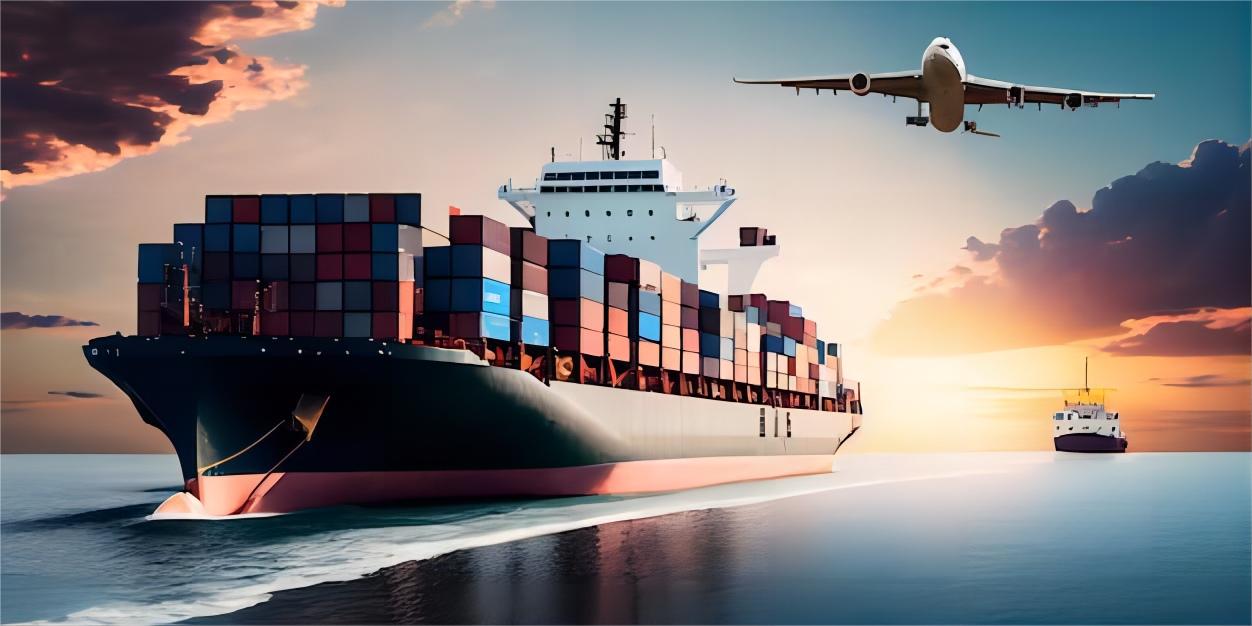
Selecting the right mode of transport is critical for operational efficiency. For instance, you might choose sea freight for heavy, non-urgent goods to minimize expenses.
Conversely, if you need speed, air freight provides the fastest transit times, albeit at a higher price point. For transcontinental shipments, rail freight serves as an excellent middle-ground option.
Additionally, businesses selling on marketplaces often utilize amazon fba services to streamline their fulfillment. Finally, for urgent documents or small items, our express service ensures rapid arrival.
| Method | Cost | Transit Time | Best For |
|---|---|---|---|
| Sea Freight | Low | 25-45 Days | Bulk Goods |
| Rail Freight | Medium | 15-22 Days | High-Value Cargo |
| Air Freight | High | 3-7 Days | Time-Sensitive |
| Express | Premium | 1-3 Days | Urgent Parcels |
How Does Sea Freight Compare to Other Shipping Options?
Comparing different shipping modes is vital for cost-effective logistics. While sea freight remains the industry standard for large volumes, air and rail options offer crucial flexibility.
As of early 2026, freight rates have stabilized, yet fuel surcharges remain a factor. Therefore, evaluating your specific cargo needs against these alternatives is highly recommended.
Case Studies: Real-World Routing Success
Case Study 1: Electronics from Shanghai to Rotterdam. Cargo: 20 CBM, 5000kg via Sea Freight. Cost: $3,200. Transit: 32 days. Insight: Direct routing avoided congestion at intermediate hubs.
Case Study 2: Auto Parts from Shenzhen to Los Angeles. Cargo: 15 CBM, 3000kg via Express Air. Cost: $8,500. Transit: 5 days. Insight: Expedited shipping protected the production line from a total shutdown.
Summary of Alternative Routing Strategies
In summary, implementing alternative routing solutions for import cargo is a proactive way to safeguard your supply chain. By balancing speed, cost, and carrier reliability, you can maintain a competitive edge.
Always monitor market trends and consult with logistics professionals to adjust your strategy as conditions evolve throughout 2026.