
Cheap shipping from china global usa: The Ultimate 2025 Guide
Finding cheap shipping from china global usa remains a primary challenge for modern e-commerce entrepreneurs and established importers alike. Many businesses struggle with rising logistics expenses that eat into their bottom line, making cost-effective transport solutions essential for survival. By partnering with a reliable freight forwarder like Global Supply Freight, you can access competitive rates and streamlined processes. This comprehensive guide explores various transport methods, cost-saving strategies, and market trends to help you secure the most economical shipping options for your cargo.

Understanding Cheap Shipping from China Global USA Options
Navigating the complexities of international logistics requires a deep understanding of the available transport modes. Specifically, importers must weigh the trade-offs between speed and cost to find the perfect balance for their specific business model. Consequently, sea freight often emerges as the most budget-friendly choice for bulkier items, while air cargo serves those needing rapid inventory turnover.
Market data suggests that freight rates have stabilized in early 2025 after several years of volatility. Nevertheless, seasonal demand during the Q3 peak season can still drive prices up by 15-25 percent. Therefore, planning your shipments well in advance is a critical strategy for maintaining low overhead costs throughout the year.
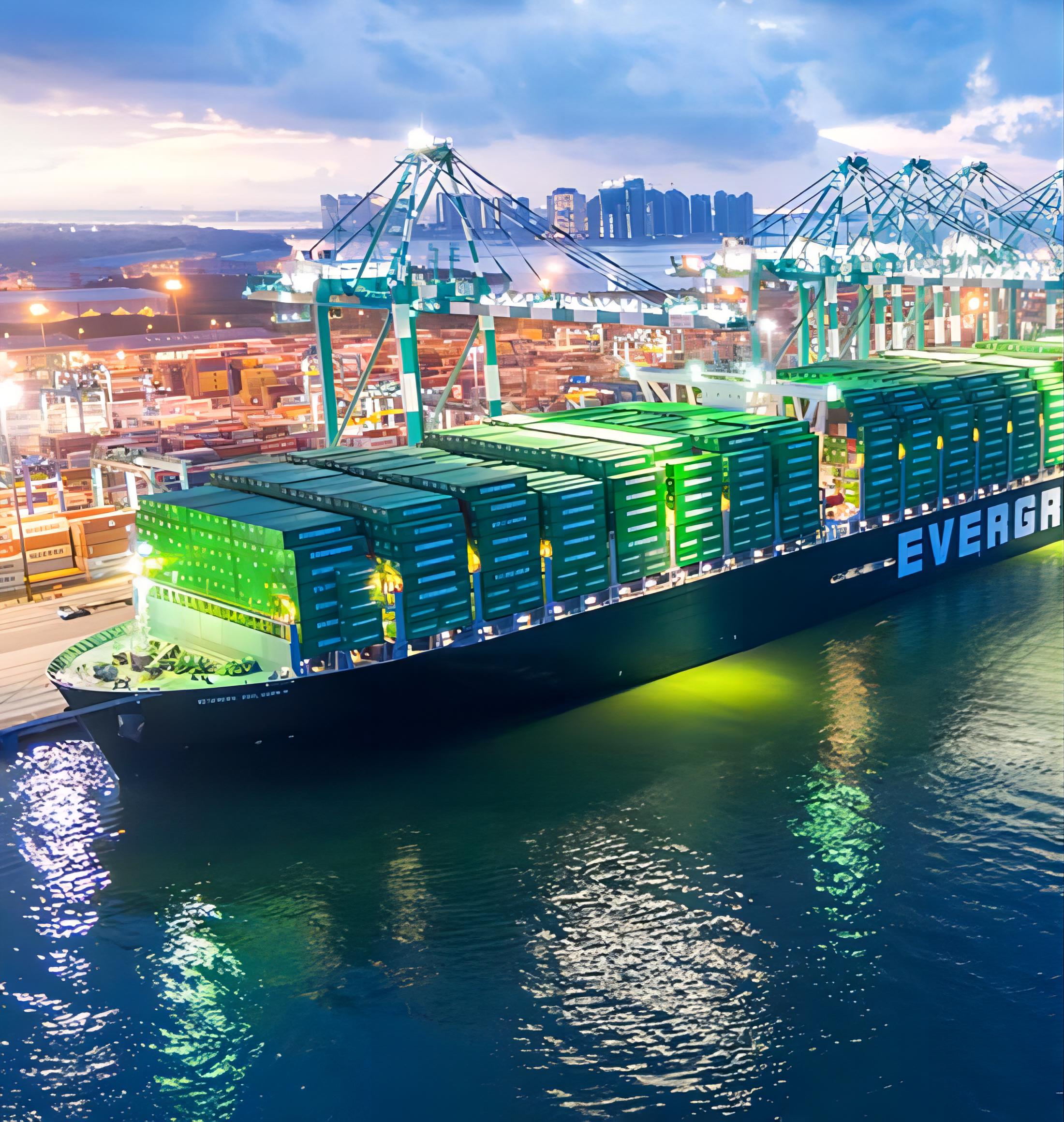
Importers should also consider the impact of fuel surcharges and port congestion on their final landed cost. Additionally, choosing the right Incoterms, such as FOB or EXW, significantly influences who bears the responsibility for various shipping charges. Ultimately, a strategic approach to procurement and logistics will yield the highest savings for your international trade operations.
How to Secure Cheap Shipping from China Global USA Rates
Securing the best prices involves more than just picking the first quote you receive from a carrier. Instead, you should request multiple bids and leverage the expertise of a professional logistics partner. For instance, using sea freight is typically the most economical way to move large volumes of goods across the Pacific. Moreover, consolidating smaller shipments into a single container can further reduce your per-unit expenses.
Transit times for ocean transport generally range from 14 to 35 days depending on the specific US port. However, choosing a West Coast destination like Los Angeles often results in lower costs and faster delivery compared to East Coast ports. Furthermore, utilizing slow steaming services can offer additional discounts for non-urgent cargo. Meanwhile, air freight remains an option for high-value goods where speed justifies the premium price.
Note: Freight rates are subject to change based on fuel costs, carrier capacity, and seasonal demand. Contact us for a current quote tailored to your specific shipment.
| Shipping Method | Average Cost (USD) | Transit Time | Ideal Cargo |
|---|---|---|---|
| Sea Freight (FCL 20GP) | $1,500 – $3,500 | 18-35 Days | Bulk Goods / Heavy Items |
| Sea Freight (LCL) | $50 – $150 per CBM | 20-40 Days | Small to Mid-size Pallets |
| Air Freight | $4.00 – $8.00 per KG | 3-7 Days | High Value / Urgent |
| Express Shipping | $6.00 – $12.00 per KG | 2-5 Days | Samples / Small Parcels |
How Does Sea Freight Compare to Other Shipping Options?
Evaluating sea freight against alternatives is essential for optimizing your supply chain budget. While ocean transport offers the lowest cost per cubic meter, it requires much longer lead times which can tie up your capital. On the other hand, air freight provides rapid delivery but can cost five to ten times more than sea transport. Consequently, many businesses utilize a hybrid approach to balance their inventory needs and shipping expenditures.
Alternative strategies include using sea-air combinations where goods travel by ship to a hub like Dubai or Korea before flying to the USA. Additionally, choosing LCL shipping for smaller volumes allows you to pay only for the space you use rather than a full container. Therefore, analyzing your specific volume and urgency is the first step in selecting the most efficient method.
Importers often find that direct routes to the West Coast provide the best value for money. Specifically, shipping to Seattle or Long Beach saves significant time and money compared to transshipping through the Panama Canal. Nevertheless, for businesses located in the Midwest, rail-sea combinations from the West Coast can be a highly effective alternative strategy.
| Shipping Method | Cost Range | Transit Time | Best For | Limitations |
|---|---|---|---|---|
| Ocean Freight | Lowest | 15-40 Days | Large Volume | Slow Speed |
| Air Freight | Highest | 3-7 Days | Time-Sensitive | Weight Limits |
| Express | Premium | 2-5 Days | E-commerce | High Cost |
| Sea-Air Hybrid | Moderate | 12-20 Days | Mid-Budget | Complex Routing |
Factors Influencing Cheap Shipping from China Global USA Costs
Several variables dictate the final price you pay for international logistics services. Firstly, the weight and volume of your cargo are the primary drivers of freight rates across all transport modes. Secondly, the distance between the origin factory and the final destination warehouse adds inland trucking costs. Consequently, choosing a supplier near a major port like Ningbo or Shenzhen can lead to significant savings on local transport.
Customs duties and taxes also play a major role in the total landed cost of your products. Therefore, working with an experienced customs brokerage professional ensures that you classify goods correctly to avoid overpaying. Moreover, staying updated on trade policies and tariffs between China and the USA is vital for accurate budgeting. Specifically, Section 301 tariffs can add substantial costs to certain product categories.
Documentation accuracy is another factor that can either save or cost you money. Indeed, missing paperwork often leads to expensive port storage fees and customs delays. Furthermore, investing in proper packaging can prevent damage and reduce the volumetric weight of your shipment. Ultimately, attention to detail during the preparation phase is a hallmark of cost-effective shipping.
Which Option Should You Choose? A Decision Framework
Choosing the right shipping method depends on your specific business priorities and current inventory levels. If budget is your primary concern and you have a 45-day lead time, sea freight is the clear winner. Conversely, if you are launching a new product and need to test the market quickly, express shipping might be worth the investment. Therefore, you must evaluate each shipment based on its unique requirements rather than following a one-size-fits-all approach.
Volume thresholds often determine when it makes sense to switch from LCL to FCL shipping. Generally, if your shipment exceeds 15 cubic meters, booking a full 20-foot container becomes more economical than paying for individual CBM rates. Additionally, consider the nature of your goods; fragile items may benefit from the reduced handling of air freight despite the higher cost. Consequently, a balanced logistics strategy often involves using different methods for different product lines.
Importers should also account for seasonal fluctuations when making their choice. During the pre-Chinese New Year rush, air freight rates can skyrocket, making sea freight bookings made months in advance much more attractive. Furthermore, keeping a safety stock in a local US warehouse can allow you to utilize slower, cheaper shipping methods more consistently. Specifically, this approach mitigates the risk of stockouts while keeping transport costs at a minimum.
The Role of Logistics Technology in Cost Reduction
Modern digital tools have revolutionized how businesses manage their international shipping operations. For example, real-time tracking platforms allow you to monitor your cargo’s progress and adjust your supply chain plans accordingly. Moreover, automated quoting systems help you compare rates from different carriers in seconds. Therefore, embracing technology is a powerful way to find cheap shipping from china global usa in a competitive market.
Data analytics can also identify patterns in your shipping history that reveal opportunities for consolidation. Specifically, if you notice multiple small shipments leaving the same region, you can combine them to save on documentation and handling fees. Furthermore, digital customs filing reduces the risk of human error and speeds up the clearance process. Ultimately, tech-savvy importers are better positioned to navigate the complexities of global trade.
Cloud-based logistics management systems facilitate better communication between you, your supplier, and your freight forwarder. Consequently, this transparency leads to fewer misunderstandings and costly delays. Additionally, many platforms offer predictive insights into port congestion, allowing you to choose alternative routes before problems arise. Indeed, information is just as valuable as the physical transport of goods in today’s economy.
Express Service and Amazon FBA: When Speed and Precision Matter
E-commerce sellers often require specialized logistics solutions to meet the strict requirements of platforms like Amazon. Using an express service is ideal for small, high-margin items that need to reach customers within days. Furthermore, specialized Amazon FBA shipping services handle the labeling and palletization required for delivery to fulfillment centers. Consequently, these tailored services save sellers time and reduce the risk of rejected shipments.
Transit times for express couriers like DHL or FedEx are remarkably consistent, usually taking between 3 to 5 business days. However, the cost per kilogram is the highest among all shipping methods, making it less suitable for heavy or bulky inventory. Therefore, many FBA sellers use express shipping for their initial launch and then transition to sea freight once demand stabilizes. Moreover, this strategy allows for rapid market entry while optimizing long-term profitability.
Importers should also be aware of the de minimis threshold in the USA, which allows shipments valued under $800 to enter duty-free. Specifically, this can provide a significant cost advantage for small e-commerce parcels shipped directly to consumers. Nevertheless, for larger commercial shipments, proper customs entry is required. Ultimately, understanding these regulations is key to maintaining low costs for your online business.
Real-World Logistics Case Studies
Case Study 1: Electronics to Los Angeles. Route: Shenzhen to Los Angeles. Cargo: Power banks, 2 CBM, 450 kg. Container: LCL. Shipping Details: Major carrier, Port of Loading: Shenzhen, Port of Discharge: Los Angeles. Route Type: Direct. Cost Breakdown: Ocean Freight: $220, Origin Charges: $150, Destination Charges: $280, Customs: $120. Total Landed Cost: $770. Timeline: Booking to Loading: 3 days, Sea Transit: 16 days, Customs: 2 days. Total Door-to-Door: 21 days. Key Insight: Choosing a direct route to the West Coast minimized both cost and transit time.
Case Study 2: Apparel to New York. Route: Ningbo to New York. Cargo: Cotton T-shirts, 28 CBM. Container: 20GP. Shipping Details: COSCO, Port of Loading: Ningbo, Port of Discharge: New York. Route Type: via Panama Canal. Cost Breakdown: Ocean Freight: $2,850, Origin Charges: $300, Destination Charges: $450, Customs: $850. Total Landed Cost: $4,450. Timeline: Booking to Loading: 5 days, Sea Transit: 32 days, Customs: 3 days. Total Door-to-Door: 40 days. Key Insight: Booking FCL for 28 CBM was more economical than LCL rates during the peak season.
Case Study 3: Industrial Parts to Chicago. Route: Shanghai to Chicago. Cargo: Steel valves, 1.5 CBM, 800 kg. Container: LCL. Shipping Details: Major carrier, Port of Loading: Shanghai, Port of Discharge: Long Beach (then Rail to Chicago). Route Type: Intermodal. Cost Breakdown: Ocean Freight: $180, Origin Charges: $120, Destination Charges: $350, Customs: $200. Total Landed Cost: $850. Timeline: Booking to Loading: 4 days, Sea Transit: 18 days, Rail Transit: 7 days, Customs: 2 days. Total Door-to-Door: 31 days. Key Insight: Intermodal transport provided a cost-effective solution for inland delivery.

Maximizing Your Savings on International Shipping
Achieving cheap shipping from china global usa is a multifaceted process that involves selecting the right transport mode and optimizing every step of the journey. By understanding the differences between sea, air, and express services, you can make informed decisions that align with your business goals. Moreover, leveraging the expertise of a professional freight forwarder ensures that you navigate customs and documentation without costly errors.
Ultimately, the key to long-term success in international trade is flexibility and continuous optimization. As market conditions change, staying informed about logistics trends and freight rates will allow you to adapt your strategy and maintain a competitive edge. Start implementing these cost-saving measures today to enhance your profitability and streamline your global operations.
Ready to streamline your logistics?
Ready to optimize your supply chain and secure cheap shipping from china global usa? Visit Global Supply Freight today to request a custom quote and discover how our expert logistics solutions can save you time and money on your next shipment.
Request Quote