
Cheap Shipping from China Supplier Logistics Saudi Arabia
Finding cheap shipping from china supplier logistics saudi arabia is a primary objective for businesses looking to optimize their international trade margins. Global Supply Freight provides comprehensive solutions that bridge the gap between Chinese manufacturing hubs and the growing Saudi Arabian market. Consequently, importers can leverage our expertise to navigate complex supply chains while maintaining low operational costs. This guide explores the most effective strategies for reducing transit expenses and ensuring timely delivery to Riyadh, Jeddah, and beyond.

Why Seek Cheap Shipping from China Supplier Logistics Saudi Arabia?
Economic growth in the Middle East has created an unprecedented demand for Chinese manufactured goods across various sectors. However, the cost of moving these products across the ocean can quickly erode profit margins if not managed correctly. Businesses must balance speed and price to remain competitive in the Saudi retail and industrial landscapes.

Moreover, the logistics corridor between these two nations involves specific regulatory hurdles that impact the final landed cost. Understanding these nuances allows companies to choose providers that offer both affordability and reliability. Indeed, a strategic partnership with a knowledgeable logistics firm is often the difference between success and failure in global trade.
Additionally, the shift toward Vision 2030 has modernized Saudi ports, making them more efficient for large-scale imports. Therefore, utilizing modern infrastructure can lead to significant savings in port handling and storage fees. Meanwhile, staying updated on freight market trends helps in timing shipments during off-peak periods to capture the lowest possible rates.
How Does Sea Freight Compare to Other Shipping Options?
Choosing the right transportation mode depends heavily on your budget, cargo volume, and required delivery speed. While sea freight remains the most popular choice for bulk items, other methods serve specific niche needs for urgent or small-scale deliveries. For example, air transport is unmatched for speed but carries a much higher price tag per kilogram.
On the other hand, sea transport offers the lowest cost per cubic meter for large shipments. This method is ideal for furniture, electronics, and construction materials that do not require immediate delivery. Without a doubt, planning ahead is the best way to take advantage of these lower maritime rates.
Furthermore, businesses often overlook the benefits of hybrid logistics solutions that combine different modes. For instance, a sea-air combination might offer a middle ground for both cost and speed. Nevertheless, most importers find that traditional ocean routes provide the most sustainable long-term value for their supply chain.
| Sea Freight (FCL) | $1,800 – $3,200 | 25-35 Days | Bulk Goods |
| Sea Freight (LCL) | $60 – $120/CBM | 30-40 Days | Small Batches |
| Air Freight | $4.50 – $9.00/kg | 3-7 Days | Urgent Cargo |
| Express Service | $8.00 – $15.00/kg | 2-5 Days | Samples/Docs |
Strategic Ways to Reduce Your Shipping Costs
Consolidating shipments is one of the most effective ways to lower your overall logistics expenditure. Instead of sending multiple small packages, combining them into a single Less than Container Load (LCL) shipment reduces documentation and handling fees. Accordingly, many savvy importers coordinate with their Chinese suppliers to synchronize production schedules.
Negotiating Incoterms is another critical factor in securing cheap shipping from china supplier logistics saudi arabia. For example, using FOB (Free on Board) terms allows you to maintain control over the freight carrier selection and pricing. In contrast, EXW (Ex Works) puts the entire transportation burden and cost on the buyer, which might lead to higher domestic logistics fees in China.
Moreover, selecting the right port of entry in Saudi Arabia can influence inland transportation costs. While Jeddah Islamic Port is the primary gateway for the Western region, King Abdulaziz Port in Dammam is better for shipments destined for the Eastern Province. Consequently, choosing a port closer to your final warehouse minimizes expensive truck haulage fees.
Understanding Air Freight and Express Options
Sometimes speed is more valuable than low cost, especially for high-value electronics or seasonal fashion items. Utilizing air freight ensures that your inventory reaches Saudi markets within a week. Furthermore, the reduced transit time lowers the risk of cargo damage and decreases insurance premiums compared to long ocean voyages.
In addition to standard air cargo, businesses often use an express service for prototypes or urgent replacement parts. These courier services handle the entire process from pickup in China to delivery in Riyadh. Although the cost per kilogram is higher, the convenience and speed are often worth the investment for critical business operations.
Meanwhile, it is important to note that air freight rates are subject to seasonal volatility and fuel surcharges. For instance, prices typically spike before the Chinese New Year and during the Q4 peak shopping season. Therefore, booking your air space at least two weeks in advance can help secure more competitive pricing.
Navigating Saudi Arabian Customs and SABER Requirements
Compliance with local regulations is essential to avoid costly delays and fines at the Saudi border. The SABER platform is now the mandatory gateway for obtaining conformity certificates for products entering the Kingdom. Consequently, failing to register your products correctly can lead to shipments being held at the port for weeks.
Working with a professional customs brokerage service simplifies this complex process significantly. These experts ensure that all documentation, including the commercial invoice and certificate of origin, meets Saudi Customs requirements. As a result, your goods can clear the port efficiently, saving you from expensive demurrage and detention charges.
Indeed, understanding the SASO standards for your specific product category is a prerequisite for successful importation. For example, electrical appliances must meet specific voltage and plug requirements to be approved for sale. Nevertheless, once these compliance hurdles are cleared, the import process becomes much more predictable and cost-effective.
The Benefits of Door to Door Logistics Services
Many importers prefer a door to door service to minimize the complexity of managing multiple vendors. This all-inclusive solution covers everything from the factory pickup in China to the final delivery at your warehouse in Saudi Arabia. Therefore, you can focus on your core business while the logistics provider handles the heavy lifting.
Additionally, these services often include customs clearance and local delivery within the quoted price. This transparency helps businesses calculate their landed costs more accurately, which is vital for pricing products in the Saudi market. For instance, knowing exactly what you will pay for a shipment from Ningbo to a warehouse in Riyadh allows for better financial planning.
Moreover, a single point of contact reduces the risk of communication errors that often occur when dealing with separate freight forwarders and local truckers. Without a doubt, the peace of mind offered by end-to-end logistics is a significant advantage for small and medium-sized enterprises. Consequently, this model is becoming the standard for modern China-Saudi trade.
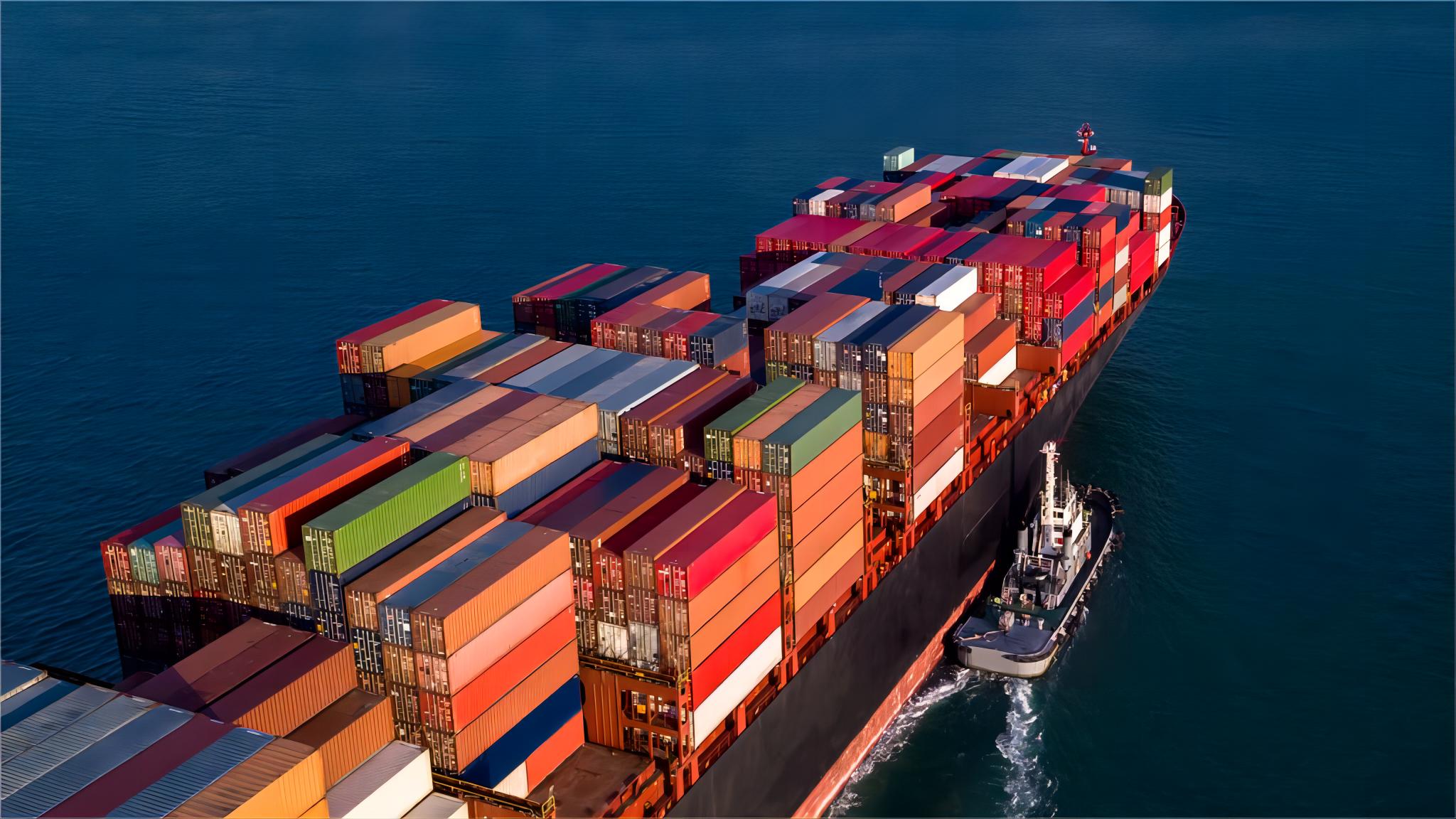
Case Studies: Real-World Logistics Success
Case Study 1: Large Scale Electronics Import. Route: Shenzhen, China to Riyadh, Saudi Arabia. Cargo: 500 units of high-end tablets, 2.5 CBM, 450 kg. Shipping Method: Air Freight. Shipping Cost: $3,200. Transit Time: 6 days. Key Insight: By using air freight, the client captured a market trend before competitors, justifying the higher shipping cost.
Case Study 2: Industrial Machinery Distribution. Route: Shanghai, China to Jeddah, Saudi Arabia. Cargo: Industrial CNC machines, 1 x 40HQ Container. Shipping Method: Sea Freight (FCL). Shipping Cost: $2,850. Transit Time: 32 days. Key Insight: Utilizing FCL instead of multiple LCL shipments saved the client approximately 15 percent in total landed costs.
Case Study 3: E-commerce Startup Inventory. Route: Guangzhou, China to Dammam, Saudi Arabia. Cargo: Assorted home decor, 8 CBM. Shipping Method: Sea Freight (LCL). Shipping Cost: $950. Transit Time: 38 days. Key Insight: Consolidation allowed the small business to maintain low inventory costs while scaling their product range. Note: Freight rates are subject to change based on fuel costs, carrier capacity, and seasonal demand. Contact us for a current quote tailored to your specific shipment.
Which Option Should You Choose?
Selecting the ideal shipping method requires a clear understanding of your business priorities. If your primary goal is budget conservation, sea freight is almost always the best choice for shipments over 100 kilograms. However, if you are launching a new product or responding to an urgent stockout, the speed of air freight or express services is necessary.
Cargo type also plays a significant role in the decision-making process. For example, hazardous materials or oversized industrial equipment might be restricted to specific ocean carriers. On the other hand, fragile items often benefit from the reduced handling associated with air transport. Consequently, you must weigh the physical requirements of your goods against the available transport modes.
Volume thresholds are another important consideration for switching between methods. For shipments under 1 CBM, express services might actually be cheaper than the minimum charges associated with sea freight. Meanwhile, once you reach 15 CBM, booking a full 20GP container often becomes more economical than paying for LCL space. Therefore, always ask your logistics provider for a comparison of different volume scenarios.
Mastering Your China to Saudi Arabia Logistics
Achieving cheap shipping from china supplier logistics saudi arabia is a process that involves careful planning and the right partnerships. By understanding the differences between sea and air freight, you can make informed decisions that protect your profit margins. Furthermore, staying compliant with Saudi regulations like SABER ensures that your goods move through the border without unnecessary delays.
In conclusion, the combination of strategic port selection, consolidated shipments, and professional customs brokerage creates a robust supply chain. As the trade relationship between China and Saudi Arabia continues to strengthen, those who master these logistics fundamentals will hold a significant competitive advantage. Always remember to monitor market trends and adjust your shipping strategy to take advantage of the best available rates.
Ready to streamline your logistics?
Optimizing your supply chain is essential for long-term success in the Middle East. Contact Global Supply Freight today to receive a personalized quote for cheap shipping from china supplier logistics saudi arabia. Our team is ready to help you navigate customs and find the most efficient routes for your cargo. Visit our website to learn more and start your inquiry today. Send Inquiry: https://globalsupplyfreight.com/
Request Quote