
China Logistics Company Global Italy: Expert Shipping Guide for 2025
Navigating the complexities of international trade requires a reliable partner to ensure your goods arrive safely and on time. If you are searching for a premier china logistics company global italy, understanding the nuances of the Mediterranean trade route is essential. This guide provides comprehensive insights into optimizing your supply chain, reducing costs, and navigating Italian customs regulations effectively.
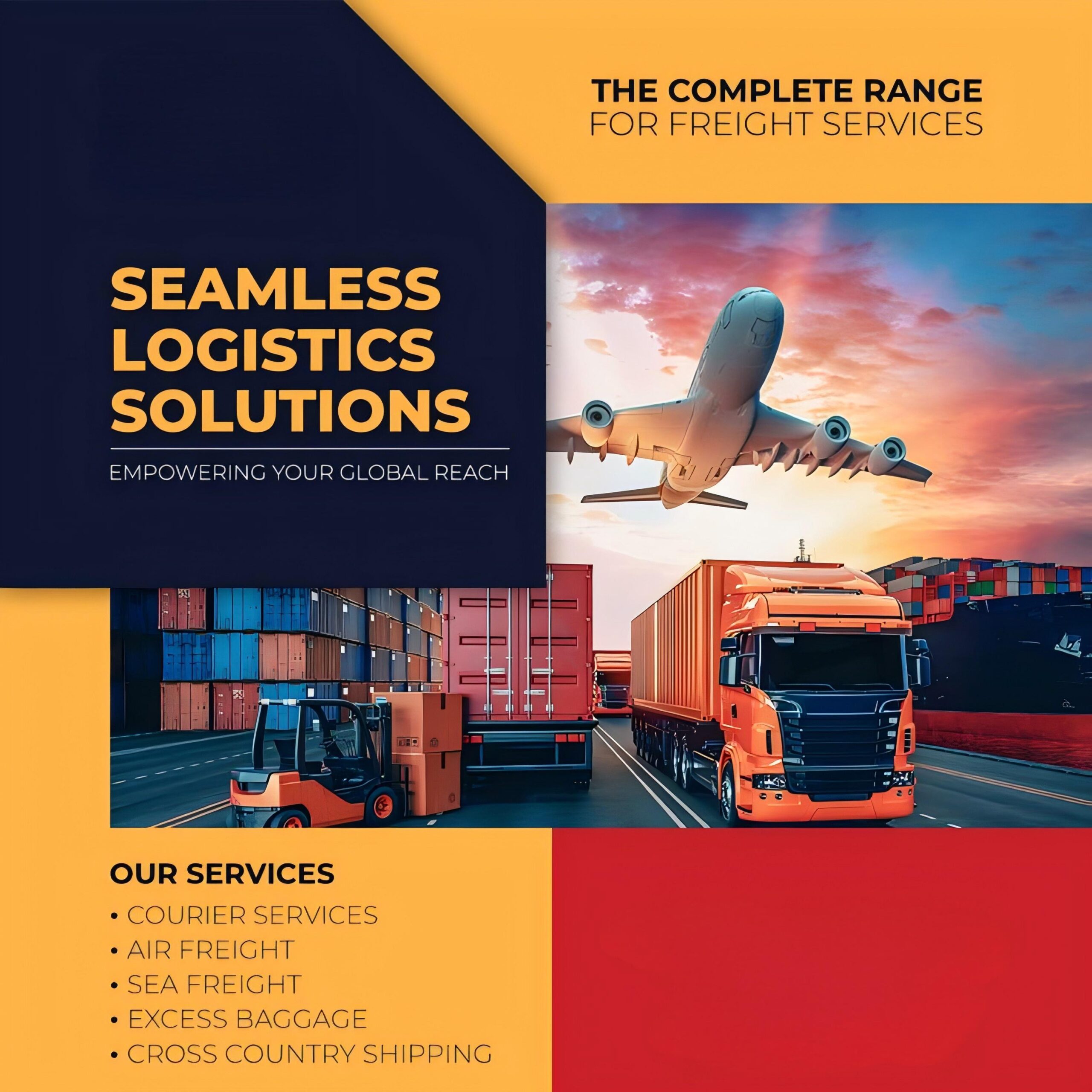
How to Select the Best China Logistics Company Global Italy?
Finding a trustworthy logistics partner involves more than just comparing the lowest freight rates available on the market. You must evaluate their experience with Italian import regulations and their ability to handle various cargo types efficiently. Moreover, a dedicated provider offers transparency through real-time tracking and consistent communication throughout the shipping process.
Reliable companies typically possess a robust network of agents in both major Chinese ports and Italian hubs like Genoa or Trieste. Consequently, they can offer flexible solutions that adapt to market fluctuations and seasonal demand spikes. Furthermore, verifying their certifications and past client testimonials provides peace of mind before committing your valuable inventory to their care.
Choosing a partner with localized expertise ensures that language barriers and time zone differences do not hinder your operations. Indeed, a professional company will proactively manage potential delays and provide alternative routing options when necessary. This proactive approach is what distinguishes a top-tier logistics provider from a standard freight forwarder.
What Are the Primary Shipping Methods for the Italy Route?
Businesses moving goods from China to Italy generally choose between sea, air, and rail freight depending on their specific needs. For instance, sea freight remains the most popular choice for large-scale shipments due to its cost-effectiveness over long distances. Meanwhile, air freight serves those requiring rapid replenishment of high-value or perishable items.
Rail freight has also emerged as a strategic middle ground, offering faster transit than sea and lower costs than air. Additionally, each method has its own set of requirements regarding packaging, documentation, and cargo handling. Therefore, understanding the trade-offs between speed and budget is the first step in optimizing your logistics strategy.
| Method | Cost Level | Transit Time | Best For |
|---|---|---|---|
| Sea Freight | Low | 30-40 Days | Bulk Goods, FCL/LCL |
| Air Freight | High | 3-7 Days | Electronics, Urgent |
| Rail Freight | Medium | 18-22 Days | Industrial Parts |
| Express | Very High | 2-5 Days | Samples, Small Parcels |
How Does Sea Freight Compare to Other Shipping Options?
While sea freight costs significantly less than air transport, it requires much longer lead times for planning and delivery. For example, shipping a 40HQ container might cost $3,500 via sea, whereas the same volume via air could exceed $20,000. However, sea freight is subject to port congestion and weather-related delays that can disrupt tight production schedules.
In contrast, rail freight offers a consistent schedule that is less affected by maritime weather conditions. Nevertheless, rail capacity is more limited than the massive container ships operating on the China-Europe routes. Consequently, businesses must weigh the reliability of rail against the sheer volume capacity of ocean carriers.
Hybrid solutions like sea-air combinations are also gaining traction for those seeking a balance of speed and economy. These services often involve shipping goods by sea to a hub like Dubai and then flying them to Italy. This approach can reduce transit time by 50% compared to pure sea freight while keeping costs manageable.
| Shipping Method | Cost Range | Transit Time | Limitations |
|---|---|---|---|
| Sea (FCL) | $2,500 – $4,200 | 32-38 Days | Weather delays |
| Sea (LCL) | $80 – $150/CBM | 35-45 Days | Longer consolidation |
| Air Freight | $4.50 – $8.00/kg | 5-8 Days | Weight restrictions |
| Rail Freight | $120 – $200/CBM | 18-24 Days | Limited destinations |
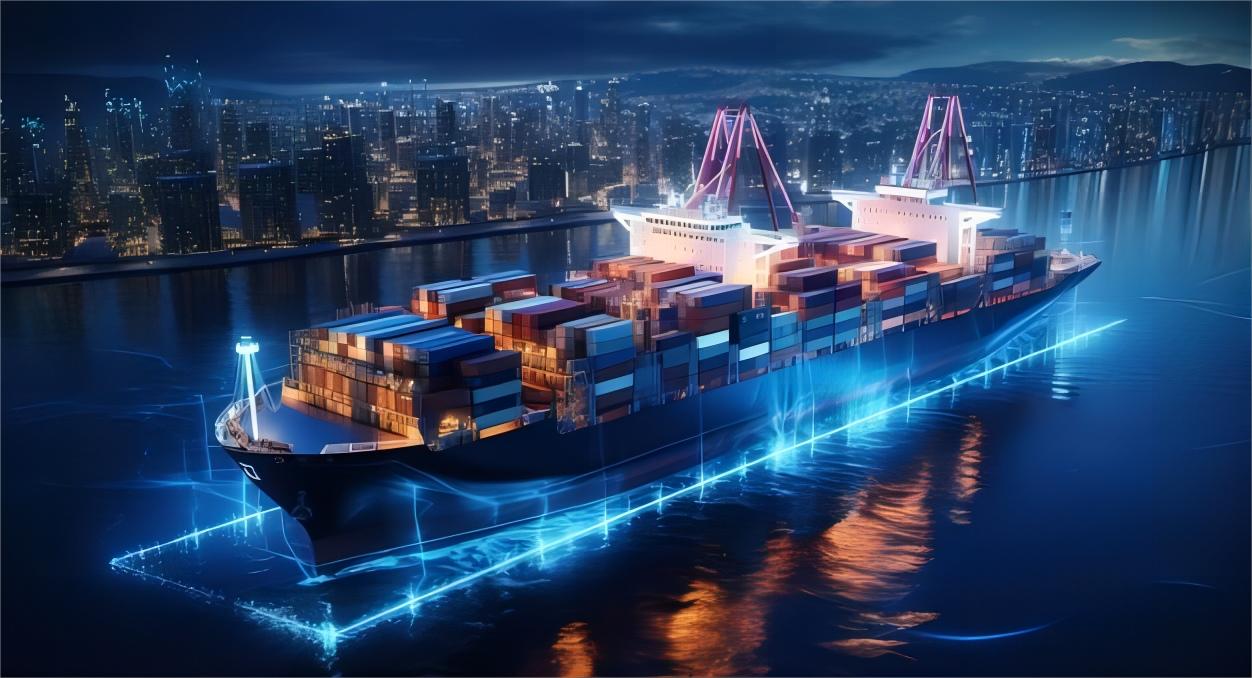
Why Should You Consider Air Freight for Rapid Delivery?
When time is the most critical factor, air freight provides the fastest connection between Chinese manufacturing hubs and Italian markets. This method is particularly beneficial for high-fashion items, seasonal electronics, and urgent medical supplies. Moreover, air transport offers higher security levels and a lower risk of damage compared to other modes.
Inventory carrying costs can be significantly reduced by using air freight to maintain a leaner supply chain. Although the initial shipping price is higher, the ability to respond quickly to market trends can result in higher overall profitability. Additionally, simplified handling processes at airports often lead to faster customs processing times.
Standard air freight services include both airport-to-airport and more comprehensive door-to-door options. Therefore, businesses can choose the level of service that best fits their internal logistics capabilities. It is important to note that air freight rates fluctuate frequently based on fuel prices and seasonal demand.
Is Rail Freight a Viable Alternative for the Italy Route?
The expansion of the Silk Road Economic Belt has made rail freight a highly attractive option for China-Italy trade. It typically takes about half the time of sea freight while costing about 70% less than air transport. Furthermore, rail is considered a more environmentally friendly option compared to air or road transport.
Major rail terminals in China, such as Xi’an and Chengdu, connect directly to European hubs that serve the Italian market. Consequently, this method is ideal for medium-value goods like automotive parts, machinery, and consumer appliances. Nevertheless, it is crucial to ensure your cargo is properly secured for the vibrations and temperature changes encountered during the long overland journey.
During periods of maritime instability, rail freight serves as a critical backup to keep supply chains moving smoothly. Indeed, many companies now incorporate rail into their regular logistics mix to diversify risk. This strategy ensures that a single point of failure in one transport mode does not halt their entire Italian operation.
How to Navigate Customs Brokerage and Duties in Italy?
Importing goods into Italy requires a deep understanding of European Union customs regulations and Italian-specific tax laws. Utilizing a professional customs brokerage service can prevent costly delays and potential fines at the border. Specifically, ensuring that your EORI number and HS codes are accurate is fundamental to a smooth clearance process.
Italian customs authorities are known for their rigorous inspection of textile and luxury goods to protect domestic industries. Therefore, providing detailed documentation and proof of origin is mandatory for these categories. Additionally, Value Added Tax (VAT) and import duties must be calculated correctly to avoid financial discrepancies during auditing.
Working with a logistics company that offers integrated customs support simplifies the entire import cycle. Furthermore, they can advise on duty deferment schemes or bonded warehousing options that improve your cash flow. Ultimately, expert guidance in this area is an investment in the long-term stability of your international trade business.
| Document Name | Purpose | Responsible Party | Required? |
|---|---|---|---|
| Commercial Invoice | Value declaration | Exporter | Mandatory |
| Packing List | Cargo details | Exporter | Mandatory |
| Bill of Lading | Title of goods | Carrier | Mandatory |
| Certificate of Origin | Tariff treatment | Exporter | Optional/Recommended |
What Are the Benefits of Door to Door Shipping?
For many small to medium-sized enterprises, door to door shipping offers the most convenient and stress-free logistics solution. This service covers every step of the journey, from the factory floor in China to the final warehouse in Italy. Consequently, it eliminates the need for the importer to manage multiple vendors or coordinate complex handovers.
This all-inclusive model typically includes pickup, international transport, customs clearance, and final mile delivery. Moreover, it provides a single point of contact for all inquiries, which significantly reduces administrative overhead. Additionally, door-to-door services often come with fixed pricing, making it easier to calculate the total landed cost of your products.
Choosing this service allows you to focus on your core business activities while experts handle the logistical heavy lifting. Indeed, the peace of mind provided by a single responsible party is often worth the modest premium over port-to-port services. Furthermore, modern tracking technology ensures you are always informed of your shipment’s progress.
Which Option Should You Choose? A Decision Framework
Deciding on the right shipping method depends on several variables including budget, urgency, and the nature of the goods. If your priority is minimizing costs and you have flexible deadlines, sea freight is undoubtedly the best choice for bulk shipments. However, if you are launching a new product and need it in Italian stores next week, air freight is the only viable path.
Volume thresholds also play a significant role in the decision-making process. For shipments under 15 CBM, Less than Container Load (LCL) is usually more economical than renting a full container. Conversely, once your volume exceeds 15-20 CBM, booking a Full Container Load (FCL) provides better security and a lower price per unit.
Cargo type considerations are equally important. Heavy machinery is best suited for sea or rail, while fragile electronics benefit from the smoother handling of air transport. Ultimately, a balanced strategy often involves using a mix of methods to optimize the overall supply chain efficiency and cost-effectiveness.
Real-World Case Studies: China to Italy Shipping
Case Study 1: High-End Electronics Distribution Route: Shenzhen, China to Milan, Italy Cargo: Consumer electronics, 8 CBM, 1,200 kg Container: LCL Service Shipping Details: – Carrier/Service: Major Air Carrier – Port of Loading: Shenzhen (SZX) – Port of Discharge: Milan Malpensa (MXP) – Route Type: Direct Cost Breakdown: – Air Freight: $6,800 – Origin Charges: $450 – Destination Charges: $550 – Customs & Duties: $1,200 – Total Landed Cost: $9,000 Timeline: – Booking to Loading: 2 days – Air Transit: 2 days – Customs Clearance: 1 day – Total Door-to-Door: 5 days Key Insight: Speed was prioritized over cost to meet a specific product launch date in the Italian market.
Case Study 2: Home Furniture Importation Route: Ningbo, China to Venice, Italy Cargo: Wooden furniture, 68 CBM, 18,000 kg Container: 40HQ Full Container Shipping Details: – Carrier/Service: COSCO Shipping – Port of Loading: Ningbo – Port of Discharge: Venice – Route Type: Transshipment via Piraeus Cost Breakdown: – Ocean Freight: $3,850 – Origin Charges: $320 – Destination Charges: $680 – Customs & Duties: $2,100 – Total Landed Cost: $6,950 Timeline: – Booking to Loading: 5 days – Sea Transit: 34 days – Customs Clearance: 3 days – Total Door-to-Door: 42 days Key Insight: Using a 40HQ container maximized space efficiency, resulting in a very low per-unit shipping cost despite the longer transit time. Rates based on early 2025 market averages.
Mastering Your Logistics from China to Italy
Successfully managing imports from China to Italy requires a strategic approach that balances speed, cost, and reliability. By understanding the various transport modes and the importance of expert customs brokerage, you can build a resilient supply chain that supports your business growth. Whether you choose sea, air, or rail, the right partner will ensure your goods move across borders without unnecessary friction.
Furthermore, staying informed about market trends and seasonal fluctuations allows you to make data-driven decisions that protect your bottom line. As global trade continues to evolve, having a dedicated china logistics company global italy by your side is more important than ever. Start optimizing your logistics today to gain a competitive edge in the Italian market and beyond.
Ready to streamline your logistics?
Streamline your international trade today by partnering with a leading china logistics company global italy. Contact our expert team at Global Supply Freight to receive a customized quote and optimize your shipping route for maximum efficiency and cost savings.
Request Quote