
Customs Clearance Services for Canada Imports: A 2026 Guide
“Navigating the complexities of international trade requires a reliable partner to ensure your goods move seamlessly across borders. Global Supply Freight provides comprehensive logistics support at https://globalsupplyfreight.com/ to help businesses manage the intricacies of global trade. Efficient customs clearance services for Canada imports are essential to avoid costly delays and regulatory non-compliance when bringing goods into the country.”

Understanding Customs Clearance Services for Canada Imports
❖The Canada Border Services Agency (CBSA) enforces strict regulations on all inbound cargo. Importers must accurately declare goods, pay required duties, and provide precise documentation to facilitate a smooth release.
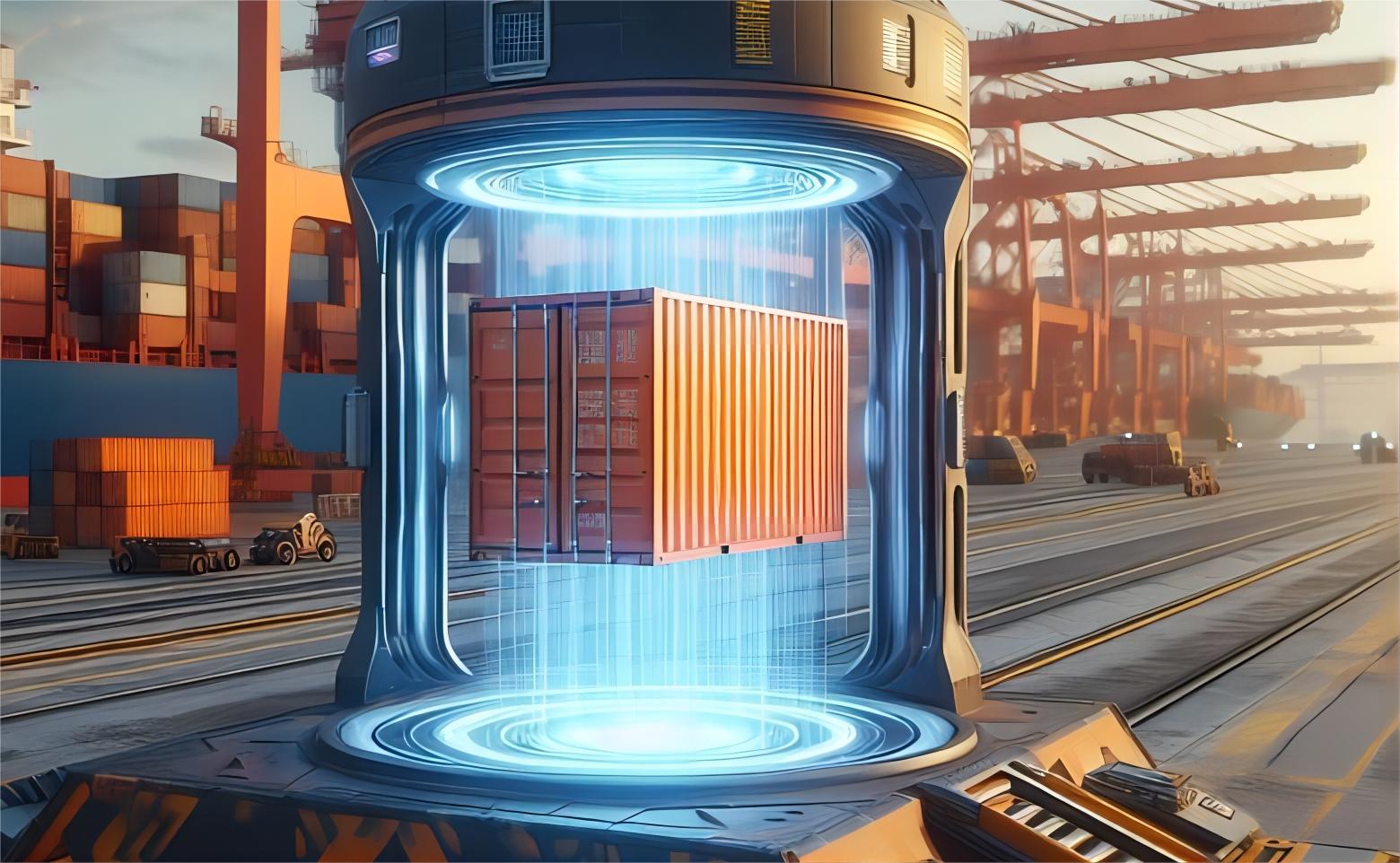
Professional brokers play a crucial role in this process by classifying products under the Harmonized System (HS) codes. Furthermore, they ensure that all electronic submissions meet current government standards, which minimizes the risk of audits or shipment holds.
Choosing the right partner for your customs brokerage needs is vital for maintaining a consistent delivery schedule. Indeed, a proactive brokerage approach helps companies navigate complex trade agreements and local tax requirements.
How Does Sea Freight Compare to Other Shipping Options?
❖Selecting the optimal transport method depends on your budget, cargo volume, and urgency. While sea freight is the most cost-effective for bulk goods, air and rail alternatives offer distinct advantages for time-sensitive or geography-specific needs.
For instance, sea freight remains the standard for large-scale imports due to its massive capacity. Conversely, air freight provides unparalleled speed for high-value items, though at a significantly higher price point.
Additionally, rail freight serves as an efficient middle ground for North American land-bridge shipping. Ultimately, your choice should balance transit time against the total landed cost of your inventory.
| Method | Cost | Transit Time | Best For |
|---|---|---|---|
| Sea Freight | Low | 25-45 Days | Bulk Inventory |
| Air Freight | High | 3-7 Days | Urgent/High-Value |
| Rail Freight | Moderate | 10-20 Days | Regional Transit |
Streamlining Your Supply Chain with Reliable Logistics
❖Managing a global supply chain involves more than just physical transport. You must also consider the integration of your Amazon FBA inventory or specialized door to door delivery solutions to keep your operations running smoothly.
As a result, companies that prioritize visibility and compliance often see improved profit margins. Our team focuses on reducing friction during the import process by leveraging advanced tracking and automated clearance workflows.
Moreover, staying informed about North America trade trends allows businesses to adjust their strategies before market fluctuations impact their bottom line.
Final Thoughts on Canadian Imports
Securing professional customs clearance services for Canada imports is an investment in the long-term reliability of your supply chain. By partnering with experienced logistics experts, you minimize administrative burdens and ensure your cargo reaches its destination on time.
To summarize, focus on accurate documentation, strategic transport planning, and proactive compliance to stay ahead of the competition. Contact our team today to begin optimizing your Canadian import operations.
Ready to streamline your logistics?
Ready to streamline your import process? Our experts are here to assist with your customs clearance services for Canada imports. Contact us today or send an inquiry to receive a competitive quote tailored to your specific logistics requirements.
Request Quote